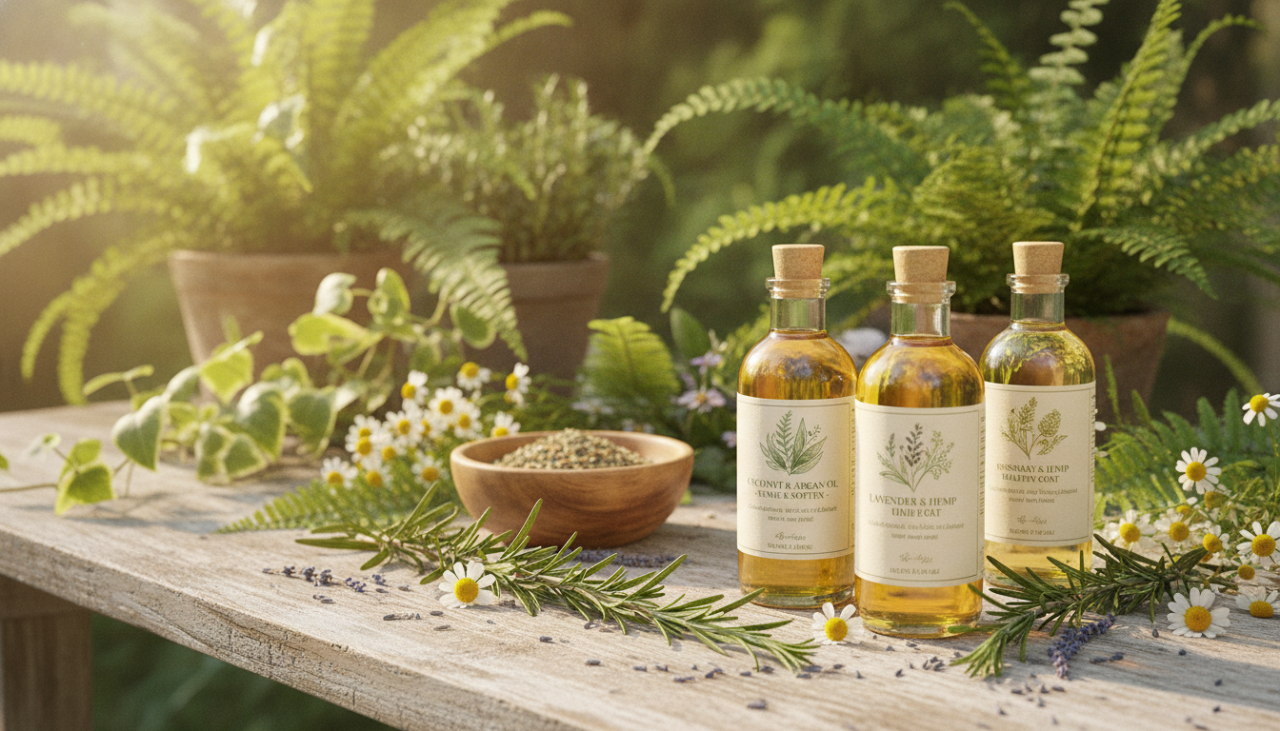
A pet’s skin is its largest organ, but owners often neglect it during grooming. Many owners focus on baths, but high-quality organic dog hair oil can revive a dull coat. It can create a vibrant, lustrous coat.
These topical solutions differ from ingestible supplements and CBD products. Internal vitamins support health from within, while a canine hair treatment locks in moisture externally. It also prevents tangles and makes daily brushing easier for you and your furry companion.
These products soften fur and add a natural sheen. Every animal is unique, so individual results will vary. If your pet has persistent irritation or rashes, always consult your veterinarian before any new topical regimen.
Key Takeaways
- Topical grooming aids provide external moisture and shine.
- These products differ significantly from ingestible supplements.
- Regular application helps reduce matting and simplifies brushing.
- Always seek professional veterinary advice for chronic skin conditions.
- Individual results depend on your pet’s specific coat type and health.
What is Organic Dog Hair Oil?
Organic dog hair oil is a topical treatment that supports your pet’s fur and skin health. Unlike dietary supplements, these oils work on the coat, giving it quick hydration and protection. As we explore natural dog grooming products, these oils create a key barrier against environmental stressors.
Definition and Key Ingredients
We define this product as a concentrated blend of plant-based or marine-derived lipids for external use. When choosing organic pet grooming essentials, seek high-quality, cold-pressed oils that retain natural nutrients. These ingredients offer specific fatty acids and conditioning benefits.
Common ingredients in premium formulas include:
- Unrefined Coconut Oil: Excellent for deep conditioning and antimicrobial properties.
- Flaxseed Oil: Rich in omega-3 fatty acids to soothe dry, itchy skin.
- Salmon Oil: Provides essential nutrients that support a lustrous, healthy sheen.
- Argan Oil: A lightweight moisturizer that helps tame frizz and flyaways.
Benefits for Dog Coats
The main goal of using organic dog hair oil is to restore moisture in your dog’s fur. By sealing the hair cuticle, these oils help prevent breakage and make grooming easier. Regular use leaves the coat soft, smooth, and vibrant.
Beyond looks, these natural dog grooming products help control tangles and reduce static electricity. When choosing organic pet grooming essentials, check the ingredient purity. Always choose products without synthetic fragrances or harsh chemicals for your dog’s safety and comfort.
Why Choose Organic Products for Pets?
Many pet owners choose all-natural pet wellness solutions for better care. We believe what we put on dogs matters as much as their food. These choices support healthy skin and coats.
Safety and Health for Your Dog
When we evaluate various pet care products, we seek simple formulas without unnecessary synthetic additives. Many conventional treatments use harsh chemicals that may irritate sensitive skin. Cold-pressed, unrefined oils preserve fatty acids and phytonutrients for genuine nourishment.
Natural products are not automatically safe for every dog. We recommend checking labels for specific allergens before using any new treatment. Even gentle organic ingredients can cause reactions in sensitive dogs.
Environmental Benefits
Choosing eco-friendly pet supplies helps reduce our environmental footprint. Many organic brands use responsible sourcing and sustainable farming practices. This approach reduces unnecessary fillers that often become waste in water systems.
Careful processing also supports sustainable manufacturing. By avoiding heavy chemical refinement, these companies protect ingredient quality and the ecosystem. The following table shows key differences between conventional and organic grooming standards.
| Feature | Conventional Products | Organic Products |
|---|---|---|
| Ingredient Source | Synthetic Chemicals | Plant-Based Extracts |
| Processing Method | High-Heat Refining | Cold-Pressed/Raw |
| Environmental Impact | High Chemical Waste | Biodegradable/Sustainable |
| Additives | Artificial Fragrances | Essential Oils/Natural |
How Organic Dog Hair Oil Works
Incorporating organic dog hair oil gives your pet a natural way to support healthy skin and fur. The oil forms a protective barrier on each hair shaft and helps lock in essential moisture. It also supports skin elasticity, helping your dog stay comfortable as seasons change.
Nourishing Properties
A canine hair treatment works best when it has the right fatty acids. These nutrients help maintain a healthy sheen and prevent brittle fur. In holistic dog grooming, we compare fat sources to find the best fit for each pet.
Marine-based oils, such as salmon oil, contain Omega-3s that support skin health from the inside out. Plant-based options, like flaxseed oil, provide excellent topical conditioning for fur. Both oils are useful grooming tools, but their skin and coat benefits differ slightly.
| Oil Type | Primary Benefit | Best Use Case |
|---|---|---|
| Salmon Oil | Deep Skin Support | Dry, Itchy Skin |
| Flaxseed Oil | Surface Shine | Dull, Brittle Fur |
| Coconut Oil | Natural Barrier | Tangle Prevention |
Application Techniques
Proper application helps the organic dog hair oil absorb without leaving a greasy residue. Warm a small amount between your palms first. This helps the oil spread evenly across your hands before touching your dog.
Gently massage the oil into dry coat areas, especially fur ends and dry skin patches. Then use a high-quality brush to spread the treatment from root to tip. This holistic dog grooming practice nourishes every strand for a healthy, vibrant look.
Regular use of a quality canine hair treatment brings the best results over time. Watch your dog’s reaction to keep the process comfortable and happy. These steps help maintain a beautiful coat with only the best organic ingredients.
Top Benefits of Using Organic Dog Hair Oil
Many owners seek simple ways to support their pets’ well-being. Adding a high-quality organic dog hair oil to grooming can support skin health from the outside. This gentle choice supports your wider chemical-free dog coat care plan.
Promotes Shiny and Healthy Coats
Natural oils provide nutrients that help create a shiny, healthy coat. Unrefined coconut oil works as a deep conditioner and locks in moisture, preventing dry, brittle fur. Oils rich in omega-3 fatty acids, such as salmon oil, provide EPA and DHA for normal skin function.
As a regular canine hair treatment, these ingredients can restore your dog’s fur. The coat may feel softer and keep a healthy sheen throughout the week. Regular use helps nourish hair follicles and strengthen them against environmental stressors.
Reduces Shedding and Tangles
Thick or long coats can be hard to manage, but proper moisture helps. Moist fur bends more easily and resists stubborn knots. That makes brushing more comfortable for your dog and easier for you.
No product can stop natural shedding completely, but moisture can reduce excess loose fur. Use this Organic dog hair oil as a helpful tool, not a miracle cure. A steady routine can provide several key advantages:
- Improved manageability during daily grooming sessions.
- Reduced friction between hair strands, which prevents painful matting.
- Enhanced softness that makes cuddling even more enjoyable.
- Support for skin elasticity, which is vital for a healthy coat.
Choosing a reliable canine hair treatment can improve your pet’s comfort. Prioritizing chemical-free dog coat care supports your furry friend’s skin and fur health.
How to Choose the Right Organic Dog Hair Oil
Choosing the right oil for your dog takes care and attention. When shopping for natural dog grooming products, look past flashy claims and check the ingredients. This approach helps us choose safe, effective care for our pets’ skin and coats.
Understanding Ingredients
We recommend choosing single-source oils instead of complex blends. These formulas often provide more nutrients and reduce the risk of hidden additives. Transparency is key when checking an oil’s purity.
Avoid products with unnecessary fillers or artificial preservatives. These ingredients may irritate sensitive dogs or cause allergic reactions. Choose high-quality, cold-pressed oils that keep their natural healing properties.
Reading Labels Effectively
Reading labels is one of the most important organic pet grooming essentials for any responsible owner. Scan the ingredient list for red flags that could harm your pet. Avoid products containing the following:
- Xylitol: A common sweetener that is highly toxic to dogs.
- Artificial Flavoring Agents: These often mask low-quality ingredients.
- Synthetic Fragrances: These can trigger respiratory issues or skin rashes.
For options such as unrefined coconut oil, check that the label says it is food-grade and free from chemical processing. If your dog has a history of allergies or chronic skin conditions, always consult your veterinarian before trying a new product. A quick professional check can prevent health complications and show whether the oil suits your dog’s dietary or physical needs.
Popular Brands of Organic Dog Hair Oil
When shopping for pet care products, look past flashy marketing claims. Judge brands by quality and clear ingredients, not only their advertising budgets.
Overview of Leading Brands
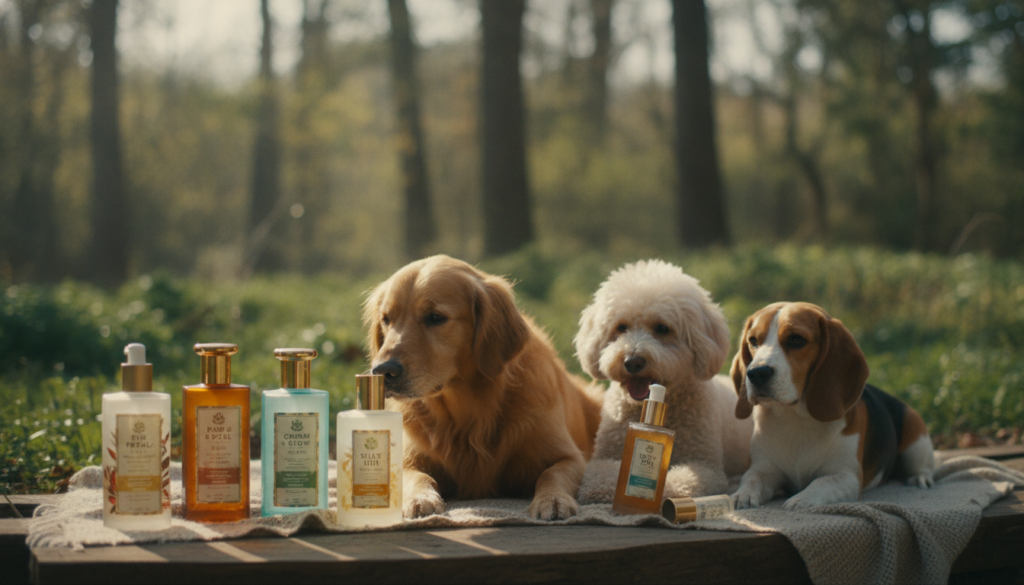
Wholistic Pet Organics stands out in the industry. It focuses on cold-pressed, unrefined oils that retain their natural nutritional profile.
They stress whole-food nutrition and single-source formulas for high-quality nutrients. For example, their salmon oil comes from wild and net-caught salmon in Alaska, linking ingredient origin to product effectiveness.
Highlighting Unique Formulations
When comparing different eco-friendly pet supplies, look for proof of rigorous testing. Trusted brands explain their sourcing practices and oil purity.
Check for simple ingredients because the best products often have few additives. Sustainability statements can show a brand supports your pet’s long-term health and the planet.
Always read the manufacturer’s topical-use instructions. Prioritize transparency and clean sourcing when choosing pet care products that support your dog’s coat health. Choosing eco-friendly pet supplies invests in your dog’s well-being and responsible manufacturing practices.
Application Tips for Best Results
Mastering natural oils is central to holistic dog grooming. Use a careful routine so your pet gains the full therapeutic benefits without discomfort.
Frequency of Use
When you first add organic dog hair oil, start slowly. Apply it once per week and watch how your dog’s skin and coat respond.
This schedule may not suit every pet. Your dog’s needs can depend on several factors:
- Coat type: Long or thick coats may require more frequent attention to prevent tangles.
- Skin condition: Dogs with dry or flaky skin might benefit from more regular applications.
- Bathing schedule: Always apply oils after a bath to lock in moisture.
- Veterinary advice: Consult your vet if your dog has pre-existing skin sensitivities.
Step-by-Step Guide
Follow this simple home process with your organic pet grooming essentials. First, place a small amount of oil in your palms and rub them together to warm it.
Gently massage the oil into your dog’s coat, focusing on dry or flaky areas needing extra moisture. Then use a high-quality brush to spread the oil from the roots to the hair tips.
| Coat Type | Application Frequency | Focus Area |
|---|---|---|
| Short/Smooth | Bi-weekly | Skin hydration |
| Long/Silky | Weekly | Detangling ends |
| Wire/Curly | Weekly | Root nourishment |
| Double Coat | Monthly | Undercoat health |
A consistent routine helps your organic dog hair oil work effectively. Remember, patience matters when adding new organic pet grooming essentials for your furry friend. Always protect your dog’s comfort, making holistic dog grooming positive for you both.
Common Mistakes to Avoid
A beautiful, natural shine is a common goal, but grooming mistakes can cause unexpected problems. With chemical-free dog coat care, use suitable products and apply them correctly. Learning about common dog grooming mistakes to avoid helps keep your pet happy and healthy.
Overapplication Issues
Using too much oil on a dog’s coat is a common mistake. Although these products help, excessive amounts can make fur greasy and heavy instead of soft and bright. This buildup attracts dirt and debris, which may irritate the skin over time.
Too much product may also make your dog lick its fur often. If your pet eats much oil, it may cause digestive upset, including vomiting or diarrhea. Start with a tiny amount, then add more only if your dog’s coat needs moisture.
Ignoring Allergies and Sensitivities
Natural ingredients do not suit every dog. Use special care with concentrated essential oils, including tea tree, eucalyptus, wintergreen, clove, and cinnamon. These oils can be toxic or strongly irritate pets without specific veterinary guidance.
Before using a new product, perform a patch test on a small, hidden area of your dog’s skin. Watch the area for 24 hours for redness, itching, or swelling. If you see persistent scratching, lethargy, or vomiting, stop use and contact your veterinarian.
Safety is central to effective chemical-free dog coat care. Stay observant and introduce products slowly to keep grooming positive for your furry companion.
Natural Alternatives to Commercial Oils
Making your own pet care supplies lets you control every ingredient touching your dog’s fur. Many owners choose natural dog grooming products to avoid synthetic additives. However, homemade mixtures lack the strict testing and quality control of professional, reputable brands.
DIY Organic Dog Hair Oil Recipes
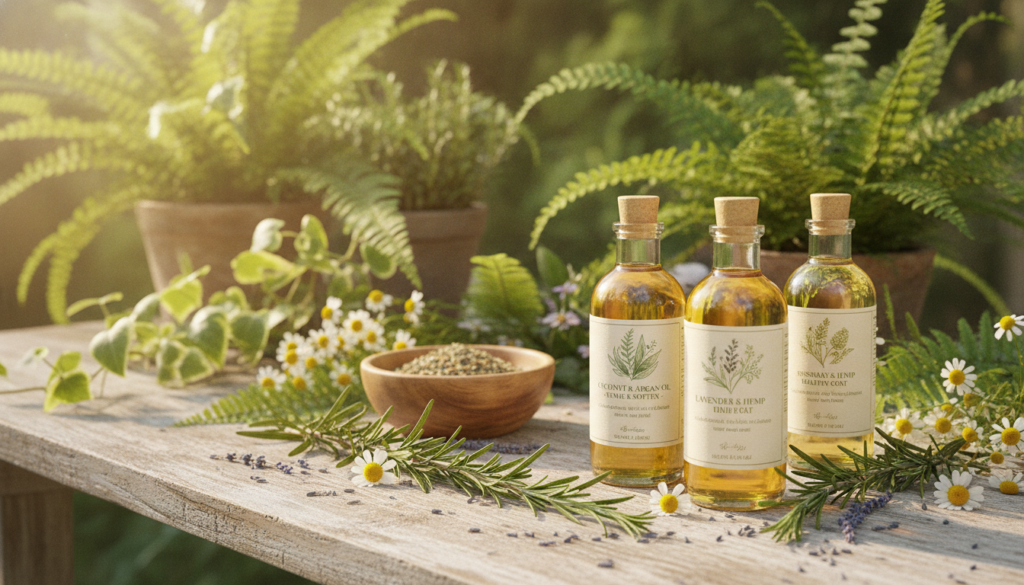
When preparing a canine hair treatment at home, put safety first. Use high-quality, food-grade oils suited for topical application. Start with very small quantities to see how your dog reacts.
- Coconut Oil: Excellent for moisturizing dry skin and adding a natural sheen.
- Flaxseed Oil: Rich in omega-3 fatty acids, which support overall skin health.
- Salmon Oil: Highly effective for coat luster, though it has a distinct scent.
- Argan Oil: Packed with vitamin E, antioxidants, and essential fatty acids to nourish brittle hair.
Apply these oils externally, and watch your pet to prevent large amounts of licking. If your dog has sensitive skin, patch-test the oil before covering the entire coat.
Benefits of Homemade Solutions
Choosing chemical-free dog coat care lets you customize blends for your dog’s needs. You can avoid artificial fragrances or preservatives that may trigger allergies in sensitive animals. This method often costs less and lets you source organic ingredients directly.
Homemade solutions show each ingredient clearly, but they lack professional dosing instructions. Keep a simple log of what you use and how your dog responds. Staying informed and cautious supports gentle, personalized grooming for your furry companion.
Customer Reviews and Testimonials
When choosing high-quality pet care products, customer reviews often provide our first guide. These opinions matter, but we should compare them with our specific needs.
What Pet Owners are Saying
Many brands, such as Wholistic Pet Organics, share thousands of user experiences to show product popularity. For example, they currently display 2,963 reviews from verified buyers.
Remember that these testimonials show individual observations, not clinical veterinary evidence. Many users report softer fur or more shine, but results are subjective and vary greatly between animals.
“The best way to find the right solution for your companion is to observe how your specific pet responds over time, rather than relying solely on the experiences of others.”
Real-Life Experiences
When reviewing pet care products, consider your dog’s unique profile. Breed, coat type, age, and current diet strongly affect how topical oil performs.
Environmental conditions also affect a dog’s skin and fur health. A product that works well in humid climates may produce different results in dry, arid regions.
Check for possible allergies or sensitivities before applying a new formula. Personalized care remains the gold standard because every dog is an individual with distinct biological needs.
Frequently Asked Questions About Organic Dog Hair Oil
Pet grooming can feel confusing, so we answered common questions. Many owners seek the best pet care products for a healthy, attractive coat.
Common Queries Answered
Many owners ask how often to apply organic dog hair oil. Most breeds need it once or twice a week, but dry climates may require more. Check your dog’s skin for excess oil or greasiness.
You may wonder whether human-grade oils are safe for your pet. Some ingredients overlap, but human products may contain fragrances or additives that are harmful to dogs. Choose products made for canine skin pH levels.
Do not apply oils if your dog has hot spots, ongoing itching, or open skin lesions. These problems need a veterinary evaluation to find the underlying cause. Oil can trap bacteria and worsen an active infection.
Myths vs. Facts
Some people think natural products are automatically safe for every dog. That myth is dangerous because botanical extracts can cause allergic reactions in sensitive animals. Patch-test a small skin area before full application.
Some people believe refined oils are worse than unrefined oils. In fact, high-quality refined organic dog hair oil is often safer because refining removes allergens and impurities. Quality control matters more than the oil’s raw state.
Remember that pet care products support health but cannot replace medical treatment. If redness, swelling, or more scratching appears after a new product, stop using it immediately. A healthy, shiny coat can show wellness, but your dog’s comfort comes first.
Conclusion: Embrace Organic Care for Your Dog
Prioritizing your pet’s coat health requires quality and consistency. Organic dog hair oil works best with regular brushing, balanced nutrition, and routine veterinary checkups.
Coconut, salmon, flaxseed, and argan oil provide essential moisture for a vibrant shine. Choose transparent formulas from trusted brands like Earthbath or John Paul Pet to ensure safety. Always introduce new products gradually and monitor your dog’s unique response.
Choosing all-natural pet wellness solutions supports your dog’s long-term vitality. This thoughtful practice adds to your grooming regimen but does not replace professional medical care.
Explore the benefits of holistic dog grooming by watching how natural oils improve your companion’s comfort. Share your experiences with these products to help our community learn which methods work best for different breeds. Your dedication to high-quality care makes a lasting difference in your dog’s daily life.