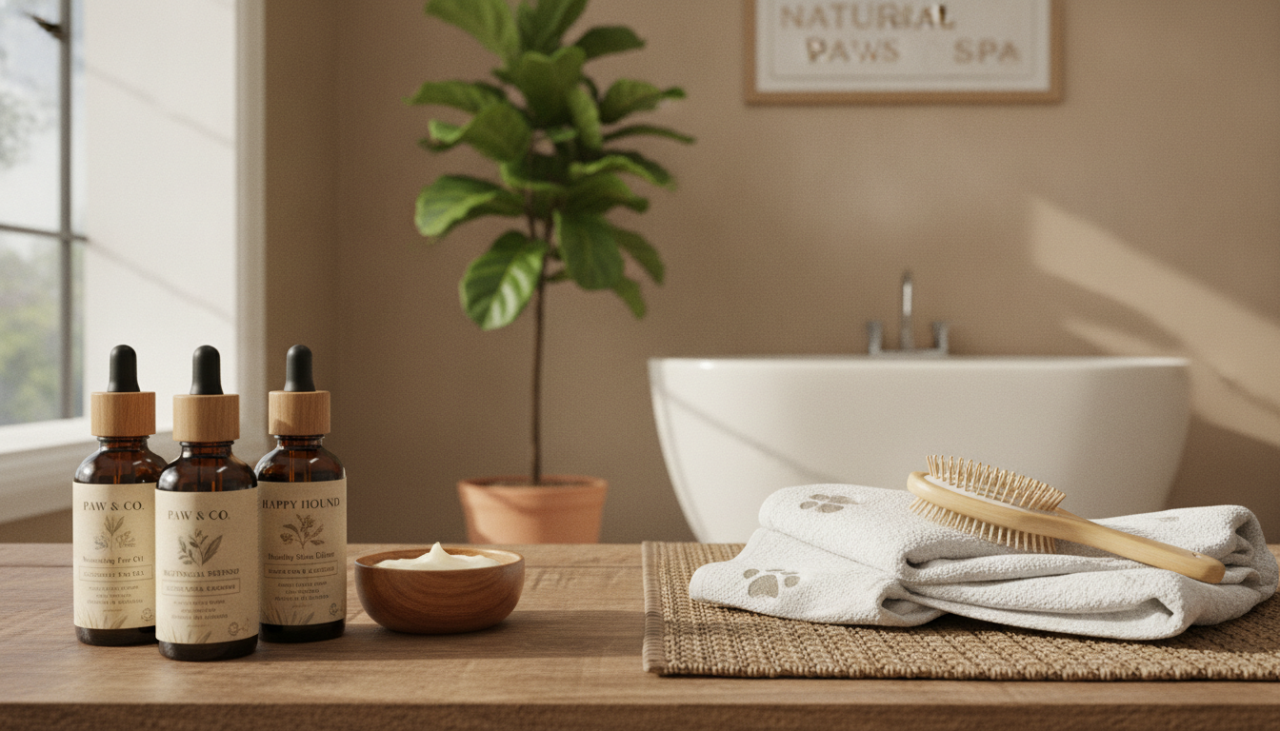
Natural dog hair oil supports a shiny coat, but your dog’s skin needs careful care.
A canine’s skin is three times thinner than human skin. This delicate barrier needs care to stay strong. Many owners think frequent washing creates a cleaner coat, but too much bathing strips vital moisture. We recommend limiting baths to once or twice monthly to protect your companion’s skin.
Achieving a lustrous coat takes more than applying a natural dog hair oil. Grooming should include proper nutrition, regular brushing, and steady parasite prevention. These pet care essentials support overall wellness from the inside out.
Always monitor your pet for sudden changes in texture or shedding patterns. Lasting coat changes often signal health concerns, not simply a need for grooming products. Careful observation helps keep furry friends comfortable and vibrant throughout the year.
Key Takeaways
- Limit bathing to once or twice a month to protect skin moisture.
- Integrate brushing and nutrition as part of your grooming routine.
- Use topical treatments sparingly to avoid stripping protective layers.
- Prioritize parasite prevention to maintain coat integrity.
- Consult a veterinarian if you notice sudden, persistent changes in fur texture.
Understanding the Benefits of Natural Dog Hair Oil
Plant-based oils offer many dogs a gentle grooming choice. These topical products nourish the skin and fur while supporting a healthy barrier against environmental stressors.
What is Natural Dog Hair Oil?
Natural dog hair oil comes from plant sources, including seeds, nuts, and fruits. Unlike conventional options with heavy synthetic fragrances, these organic dog grooming products show their ingredients clearly. We choose formulas without harsh chemicals to help keep pets safe during each grooming session.
These oils support external health only. They should always complement, not replace, professional veterinary diagnosis and treatment. If your dog has health issues, consult a vet before starting a new topical regimen.
Benefits for Your Dog’s Coat and Skin
These oils deeply hydrate the skin and hair follicles. For example, coconut oil can moisturize dry patches and add natural shine to dull fur. With soothing oatmeal, these best natural products for pets may provide significant itch relief for dogs with seasonal allergies.
Regular use locks in moisture and helps prevent a brittle coat or breakage. High-quality, plant-based ingredients provide the gentle care our dogs deserve. This approach keeps skin supple and coats vibrant and healthy throughout the year.
Key Ingredients to Look for in Dog Hair Oil
Choosing the right ingredients builds a healthy grooming routine for your canine companion. When seeking a nourishing dog hair treatment, learn how each ingredient affects your pet’s skin. Not every natural extract suits every breed, so learn which options are safe.
Essential Oils and Their Benefits
Essential oils are concentrated plant extracts with aromatic and therapeutic properties. Use extreme caution because dogs have a much stronger sense of smell than humans. Choose dog-safe formulas and ask your veterinarian before using concentrated oils.
Never apply undiluted essential oils directly to your dog’s skin. They may cause irritation or allergic reactions when used incorrectly. Choose products with clear ingredient lists and follow dilution guidelines to keep your pet safe and comfortable.
Carrier Oils for Optimal Nourishment
Carrier oils form the base of your hair oil for dogs and dilute concentrated extracts. Coconut oil is popular because its fatty acids may support softer skin and a shiny coat. Used correctly, these oils add moisture and help keep fur hydrated and manageable.
Separate topical oils from dietary supplements. Omega-3 and Omega-6 fatty acids support internal health, but they do not replace topical grooming products. The table below lists common ingredients in quality grooming oils.
| Ingredient Type | Primary Benefit | Best Use Case |
|---|---|---|
| Coconut Oil | Deep Hydration | Dry, brittle fur |
| Jojoba Oil | Skin Balancing | Sensitive skin types |
| Almond Oil | Coat Softening | Detangling long hair |
| Lavender Oil | Calming Aroma | Anxious dogs during grooming |
How to Choose the Right Natural Hair Oil
Start your grooming routine by identifying what your dog’s coat needs to stay healthy. Each breed has unique traits, so one approach rarely suits all-natural canine grooming. Evaluate your pet’s needs before choosing a topical treatment.
Consider Your Dog’s Coat Type
Your dog’s coat length, density, and texture affect how it handles moisture. For example, water-repellent coats often need fewer baths because natural oils protect them from the elements. Thick double coats often need extra brushing to spread oils from skin to fur.
Learn about the 7 different types of hair oil and their benefits to find a match for your dog’s texture. Consistency is key when maintaining a healthy, shiny appearance.
Allergies and Sensitivities to Watch For
Even the gentlest Natural dog hair oil may cause a reaction in some pets. Test a small, hidden patch of skin before applying any product to the whole body. This step can reveal sensitivities before they become a bigger problem.
“Always prioritize the comfort of your pet by choosing simple, fragrance-conscious formulas, especially if your dog has a history of skin irritation or known allergies.”
After applying a new product, watch your dog closely for the next twenty-four hours. Look for these signs of discomfort:
- Persistent redness or inflammation of the skin.
- Excessive licking or biting at the application site.
- Visible swelling or hives.
- Increased scratching or signs of restlessness.
If you notice these symptoms, gently wash the area with mild, hypoallergenic shampoo and stop using the product. Choosing the right Natural dog hair oil takes trial and error, but your dog’s health and happiness make the effort worthwhile.
Applying Natural Dog Hair Oil: A Step-by-Step Guide
Learning to apply oil correctly can turn your dog’s grooming routine into a spa-like experience. The right natural dog hair oil provides nutrients that support a bright, healthy coat. A clear process keeps your pet comfortable and helps the product work well.
Preparation Before Application
Before you begin, make sure your dog is calm and relaxed. A quiet setting helps your pet connect grooming with positive attention instead of stress. Always start by brushing your dog thoroughly to remove tangles, mats, and loose debris.
Removing these obstacles helps oil reach the hair shaft and skin evenly. Oil applied over mats can trap dirt and moisture, causing skin irritation. A clean, brushed coat provides the ideal base for your treatment.
Techniques for Application
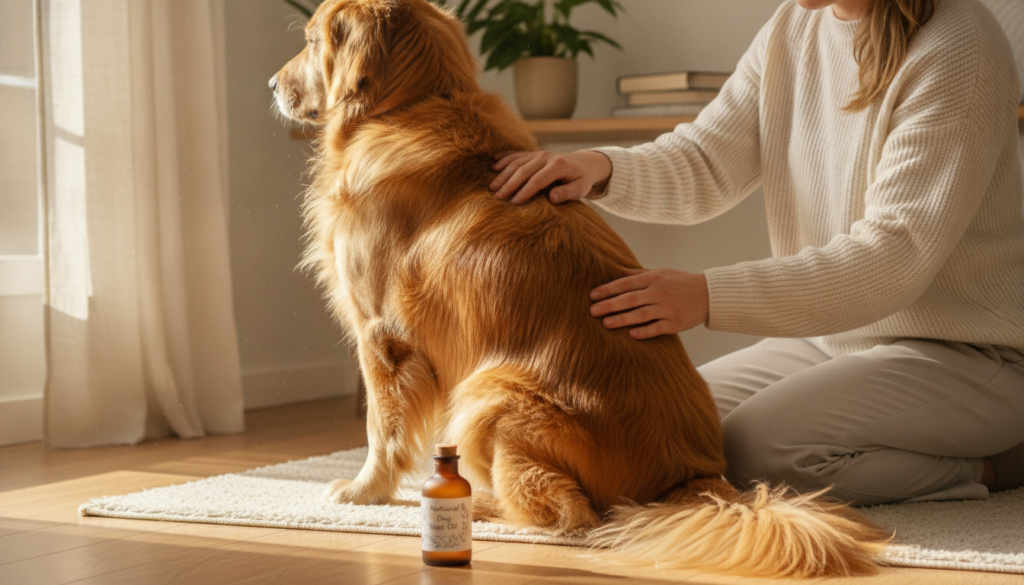
After preparing your dog, pour a small amount of hair oil for dogs into your palms. Rub your hands together to warm the oil, helping it spread through the fur. Massage it gently into the coat, focusing on dry or dull areas.
“Consistency in grooming is the bridge between a dull coat and a radiant, healthy shine that reflects your dog’s inner vitality.”
Avoid the sensitive areas around your dog’s eyes, nose, and mouth. If oil touches these spots, wipe it away gently with a damp cloth. Use your fingers to work oil toward the skin across the back, legs, and tail.
How Much Oil Should You Use?
Start with a small amount of product. You can add more easily, but removing excess oil is harder. Your goal is a lightly conditioned coat, not a greasy or sticky one.
If the fur feels heavy or attracts dirt, you likely used too much natural dog hair oil. Quality hair oil for dogs should leave the coat soft, manageable, and easy to brush. With practice, you will learn the right amount for your dog’s coat length and thickness.
Frequency of Use: How Often to Apply
Many pet owners wonder how often to use a nourishing dog hair treatment for a healthy-looking pup. Daily use may cause buildup that attracts dirt and debris, so moderation matters. This balance supports your pet care essentials routine.
Factors Influencing Application Frequency
The best oil schedule depends on your dog’s coat texture and lifestyle. Long, silky hair may need conditioning more often than short, coarse fur. Seasonal changes matter because winter’s indoor heating can strip moisture from the skin.
We recommend matching oil use with your regular grooming habits. Most dogs need a monthly bath, and you should brush them every three or four days. Applying light oil after these sessions helps lock in moisture without overwhelming the hair follicles.
Signs Your Dog Needs More Oil
Watch your dog closely to see whether its skin or coat needs more care. Persistent static, visible flakes, or a rough texture can show your routine needs changes. If fur tangles despite regular brushing, a nourishing dog hair treatment may be necessary.
Do not assume every small issue needs more product. Sometimes, excessive dryness points to dietary needs or environmental factors, not missing topical oil. Prioritize pet care essentials like proper hydration and a balanced diet alongside grooming.
| Coat Type | Application Frequency | Primary Benefit |
|---|---|---|
| Short/Smooth | Once per month | Adds natural shine |
| Medium/Wavy | Every two weeks | Prevents minor tangles |
| Long/Silky | Weekly | Deep hydration |
| Wire/Coarse | As needed | Softens texture |
DIY Natural Dog Hair Oil Recipes
We believe simple, natural ingredients often offer the safest path to a healthy canine coat. With all-natural canine grooming, you control the quality and purity of products applied to your dog’s skin.
When preparing these mixtures, always start with very small batches. This keeps supplies fresh and reduces waste. Before using a new blend on your dog’s body, patch-test a small, hidden area for reactions.
Simple Recipes You Can Create at Home
Find inspiration in 4 DIY essential oil recipes for gentle, soothing care. These holistic pet care remedies use carrier oils, such as coconut or almond oil, as bases. Always dilute essential oils heavily to protect your pet’s sensitive system.
If you want to add horsetail or spirulina to your dog’s routine, consult your veterinarian first. Professional guidance helps ensure these supplements suit your dog’s health needs. Never assume a natural ingredient is safe for every breed or dog.
Ingredients to Avoid in Homemade Oils
Not every natural substance is safe for topical use on dogs. Avoid ingredients with unknown purity or strong, irritating fragrances. Some household items can poison dogs or cause severe skin inflammation when applied to their coats.
| Ingredient Category | Recommended Status | Reasoning |
|---|---|---|
| Coconut Oil | Safe | Excellent for hydration and shine. |
| Tea Tree Oil | Avoid | Highly toxic to many dog breeds. |
| Sweet Almond Oil | Safe | Gentle, nutrient-rich carrier oil. |
| Citrus Extracts | Avoid | Can cause severe skin irritation. |
Using proven, gentle ingredients supports your dog’s well-being through holistic pet care remedies. Prioritize safety and clear choices in your all-natural canine grooming routine to keep your dog happy and healthy.
Common Misconceptions About Dog Hair Oils
Natural products can help coat care, but owners must separate facts from myths. Many owners think one bottle of Natural dog hair oil can cure every skin ailment. Topical products alone may delay needed veterinary care.
Debunking Myths About Oil for Dogs
Many people believe oils can fix deep problems, such as hair loss, chronic dandruff, or intense itching. These holistic pet care remedies offer surface moisture, but they cannot reach deeper skin layers or correct internal imbalances. Persistent scratching may signal a problem more complex than a dry coat.
“True health begins from within, and topical treatments should only be viewed as a supportive layer to a comprehensive wellness plan.”
Clarifying the Role of Oil in Dog Grooming
We must separate cosmetic changes from medical treatment. Yeast infections, flea infestations, and tick bites need medical care, not simple conditioning. Hormonal disorders, such as hypothyroidism, can change the coat, and oil cannot correct them.
Using Natural dog hair oil can keep a healthy pet’s coat shiny and soft. When included in holistic pet care remedies, these products improve grooming and offer comfort. Professional diagnosis remains the gold standard for treating underlying health problems.
Additional Grooming Tips for Healthy Fur
A radiant coat starts with daily habits and inner wellness. Oils support the skin from outside, but they work best with regular grooming and quality nutrition. These habits keep your dog comfortable and looking its best.
Choose organic dog grooming products without harsh chemicals. Gentle formulas protect the skin’s natural balance while cleaning well. They can help prevent irritation and keep the coat soft.
Regular Brushing Techniques
Brushing spreads natural oils from the skin to the hair tips. This simple act stimulates hair follicles, promoting stronger growth and reducing excess shedding. Choose a brush made for your dog’s coat, whether long, wiry, or short.
Regular brushing removes mats before they become painful. A few minutes of daily grooming creates bonding time and keeps fur free of tangles. Regular maintenance helps create a professional-looking coat at home.
The Role of Diet in Coat Health
A healthy coat often reflects what your dog eats each day. Prioritize nutrient-dense food: high-quality protein builds strong hair and supports skin health. Essential fatty acids, including Omega-3 and Omega-6, provide needed moisture.
Along with a balanced diet, consider the best natural products for pets, such as vitamin supplements, for nutritional gaps. Always consult your veterinarian before adding supplements to your dog’s meals. Proper hydration and a clean diet can greatly improve your dog’s fur’s natural luster over time.
When to Consult a Veterinarian
Regular grooming supports your dog’s long-term health. Natural oils help, but they cannot replace medical care when underlying problems appear. Add pet care essentials to your routine, and watch for changes in your dog’s physical condition.
Recognizing Warning Signs
Watch for ongoing itching, hair loss, or red, inflamed skin patches. These signs may point to allergies or infections needing a professional diagnosis.
Also note sudden appetite changes, increased thirst, or unusual fatigue. These behaviors may signal internal health concerns, not simple dry skin.
Seeking Expert Guidance
Always follow professional advice when choosing the best natural products for pets. Take extra care with puppies, senior dogs, or animals with chronic health conditions. A veterinarian can confirm whether specific oils suit your dog’s medical history.
Take a balanced approach to wellness. Use gentle grooming habits, high-quality nutrition, and safe, vet-approved products. By staying proactive, you help your dog remain happy, comfortable, and vibrant for years.