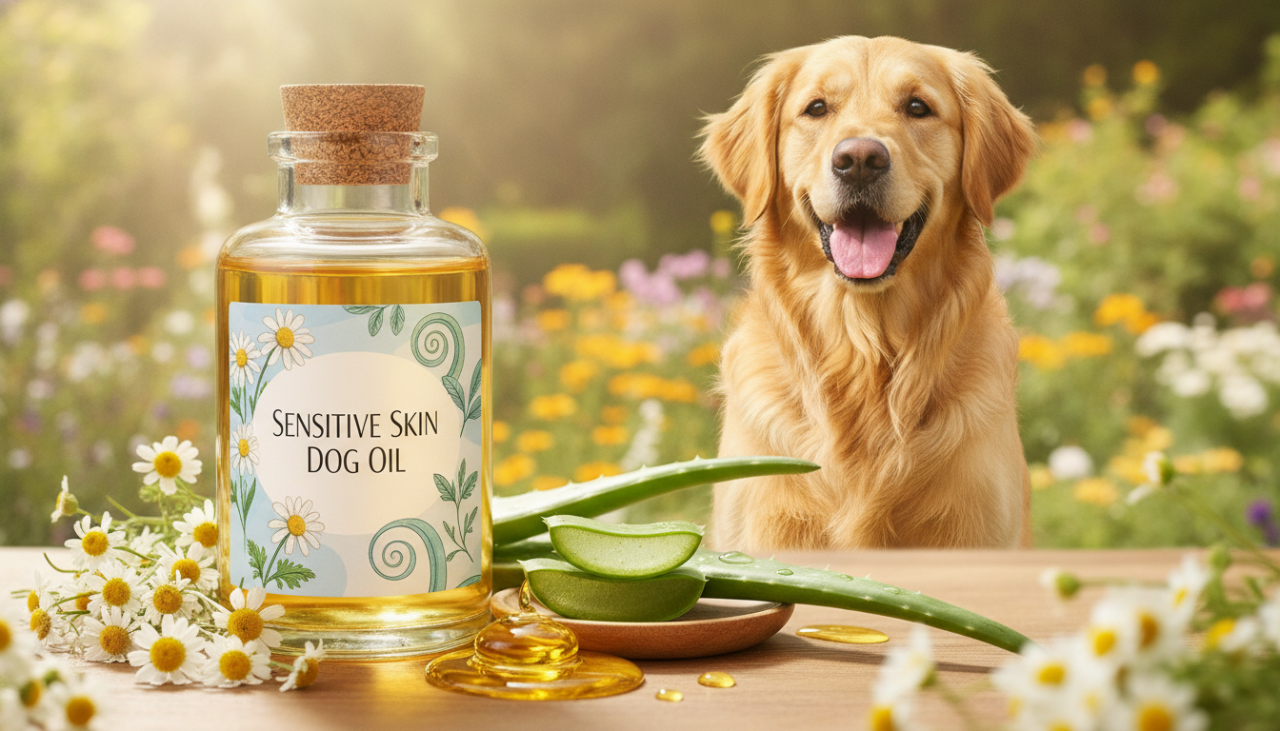
Nearly 60% of pet owners struggle with their companion’s dry, itchy skin during seasonal changes. We know keeping your furry friend comfortable matters. That is why we explore how hypoallergenic dog hair oil can improve your grooming routine.
This guide focuses strictly on topical applications. These external treatments differ from ingestible supplements like CBD, which serve different purposes. The right products support natural pet hair care that works.
Coconut, flaxseed, salmon, and argan extracts provide essential moisture. Softness and shine are only the beginning. We will help you choose ways to keep your pet looking and feeling their best.
Key Takeaways
- Topical treatments provide immediate relief for dry skin and dull coats.
- We focus exclusively on external grooming products rather than ingestible supplements.
- Natural ingredients like coconut and argan support long-term skin health.
- Proper application techniques ensure maximum absorption and shine.
- Consistent grooming routines help prevent common coat issues before they start.
Understanding Hypoallergenic Products for Dogs
We often hear the term hypoallergenic, but what does it mean for our canine companions? In pet care, this label describes a formulation approach, not a medical guarantee. It shows that a product aims to reduce allergic reactions by excluding common irritants.
When we choose a hypoallergenic dog hair oil, we select a pure formula. Every dog is unique, so one formula may not suit another. Test a small patch before applying any new product to your dog’s entire coat.
What Does Hypoallergenic Mean?
A hypoallergenic product aims to reduce exposure to harsh chemicals, synthetic fragrances, and dyes. These substances often cause skin inflammation and itching. By choosing a non-irritating dog oil, we protect our pet’s natural skin barrier.
Even natural ingredients can cause sensitivities in some animals. A high-quality product uses gentle, soothing components that support skin health. We check ingredient lists for hidden additives.
Benefits of Hypoallergenic Products
A sensitive skin dog oil offers several benefits for dogs prone to discomfort. It helps restore moisture to dry, flaky patches without adding irritation. It also keeps the coat soft and manageable while calming and hydrating the skin.
The following table outlines common ingredients found in grooming products and their typical impact on canine skin:
| Ingredient Type | Common Use | Safety Note |
|---|---|---|
| Synthetic Fragrance | Scent masking | Often causes allergic reactions |
| Natural Plant Oils | Deep conditioning | Generally safe if pure |
| Essential Oils | Aromatherapy | Toxic if not diluted correctly |
| Parabens | Preservation | Avoid for sensitive skin |
Common Allergens in Dog Grooming
Many standard grooming supplies contain ingredients that can cause reactions. Certain essential oils, including tea tree, eucalyptus, and wintergreen, are highly toxic to dogs. They can harm dogs when ingested or used in high concentrations. Read labels carefully to avoid these dangerous additives.
Other common allergens include artificial dyes and harsh sulfates that remove natural oils. Choosing a non-irritating dog oil helps us avoid these risks. Consult your veterinarian if redness or scratching continues after using a new grooming product.
Key Ingredients in Hypoallergenic Dog Hair Oil
A healthy coat starts with good ingredients. A high-quality hypoallergenic dog hair oil gives your pet nourishment without harmful reactions. Knowing these ingredients helps you choose wisely for your furry friend.
Natural Oils and Their Benefits
Nature offers useful ways to care for skin and coats. Choosing an organic dog grooming oil often means choosing cold-pressed ingredients that keep vital nutrients.
Coconut oil is popular because it provides deep moisture and conditioning. Unrefined versions work especially well because they contain more natural antioxidants than processed oils.
Salmon oil is rich in EPA and DHA fatty acids. These nutrients are essential for supporting skin barrier function and help create a shiny, healthy coat.
Flaxseed and argan oils also support hair health. Flaxseed provides omega-3 fatty acids, while argan oil conditions lightly and prevents dryness without greasy residue.
Essential Oils Safe for Dogs
Many essential oils are used in human aromatherapy, but pets need special care. A non-irritating dog oil should contain only oils proven safe for dogs.
Lavender and chamomile are often safe when properly diluted. In very low concentrations, they may soothe dogs with sensitive skin.
Always check the oils for purity. Never apply undiluted essential oils directly to your dog’s skin. They can cause serious irritation or toxicity.
Additives to Avoid
Safe grooming products focus on simple ingredients. When shopping for a fragrance-free dog hair treatment, inspect the label for harmful substances.
Avoid xylitol because this sweetener is highly toxic to dogs, even in small amounts. Also avoid artificial fragrances, which can trigger allergic reactions and skin inflammation.
Parabens, sulfates, and synthetic dyes offer your dog no benefit. Choosing products with clean, transparent ingredient lists can protect your pet from health risks and support comfort.
Why Choose Hypoallergenic Dog Hair Oil?
The right grooming products can greatly improve your dog’s comfort and appearance. Many owners choose hypoallergenic dog hair oil to help with dryness, flaking, and dull fur. By choosing natural pet hair care, you create a safer grooming routine for your furry companion.
Reducing Allergies for Pets and Owners
Many standard grooming products contain synthetic fragrances and harsh chemicals that can cause allergic reactions. A high-quality hypoallergenic dog hair oil uses gentle, plant-based ingredients to help lower these risks. This choice soothes sensitive dogs and helps keep irritating allergens out of the home.
Enhancing Coat Texture and Shine
A dull or brittle coat often shows that it lacks needed moisture. Adding natural pet hair care routines helps seal in moisture, creating a softer, shinier coat. Regular use also makes brushing easier because the oil loosens stubborn knots without pain or stress.
Promoting Healthy Skin
When your dog has ongoing irritation, a sensitive skin dog oil may provide needed relief. These products often contain omega-3 fatty acids, known for their anti-inflammatory properties. These oils support skin health, but ongoing scratching or redness needs a veterinarian’s evaluation.
| Skin/Coat Issue | Primary Benefit | Recommended Action |
|---|---|---|
| Dry, Flaky Skin | Deep Hydration | Apply sensitive skin dog oil |
| Dull, Brittle Fur | Enhanced Shine | Use natural conditioning oils |
| Frequent Shedding | Improved Elasticity | Regular brushing with oil |
| Mild Irritation | Soothing Relief | Consult vet if symptoms persist |
How to Apply Hypoallergenic Dog Hair Oil
Coat health often depends on how we apply grooming products. Using a hypoallergenic dog hair oil correctly gives your pet benefits without discomfort. Proper application keeps the coat soft and manageable while hydrating and protecting the skin.
Pre-Bath Application Techniques
Applying a non-irritating dog oil before a bath can help dogs with dry or tangled fur. Work the oil into dry patches or matted areas about fifteen minutes before wetting your dog. It loosens stubborn knots and creates a barrier against harsh shampoos.
Gently massage the oil into the skin with your fingertips. This encourages absorption and may soothe existing irritation. Consistency is key for sensitive skin, so focus on dull or flaky areas.
Post-Bath Application Techniques
After bathing, your dog’s hair is clean but may need extra moisture to stay soft. Apply a fragrance-free dog hair treatment to a damp coat to lock in hydration. Use only a few drops so the fur does not become heavy.
“The health of a dog’s coat is a direct reflection of the care and quality of products we choose to use during their grooming routine.”
Rub the oil between your palms to warm it before applying it to the coat. This helps the product spread smoothly and absorb quickly. Focus on the hair’s mid-lengths and ends to prevent greasy roots.
Tips for Even Distribution
Use a high-quality brush to spread the hypoallergenic dog hair oil evenly for a professional finish. Brushing moves oil from the skin to the hair tips for full coverage. Start with a very small amount; you can always add more if needed.
Using too much non-irritating dog oil can leave a heavy, greasy residue that attracts dirt. If you apply too much, simply blot the excess with a clean towel. Choosing a fragrance-free dog hair treatment helps keep your pet comfortable and free from potential scent-based irritants.
Making Your Own Hypoallergenic Dog Hair Oil
Making your own oil blend lets you see every part of your dog’s grooming routine. Although many vegan pet grooming products are available, your blend shows what touches your pet’s skin. Starting simply is best for DIY pet care.
Simple Recipes to Try at Home
When making an organic dog grooming oil, choose one high-quality carrier oil instead of a complex blend. One ingredient lowers allergy risk and helps you spot sensitivities. Sweet almond oil or jojoba oil are gentle choices for most canine coats.
Always remember that dogs may lick their fur after application. Even natural ingredients can cause digestive upset if ingested in large quantities, so use only a light coating.
Be careful with popular choices like coconut oil. It appears in many vegan pet grooming products, but too much can cause digestive issues in some dogs. Start with a very small amount to see how your dog reacts before wider use.
Essential Tools You’ll Need
Gather basic supplies before you begin to keep your process clean and efficient. The right tools help you apply your organic dog grooming oil evenly without making a mess at home. Keep these items in a dedicated grooming kit:
- Dark glass bottles: These help preserve the integrity of the oil by blocking out light.
- Measuring spoons: Precision is key to ensuring you do not over-apply the product.
- Microfiber towels: These are perfect for wiping away excess oil from your dog’s paws or coat.
- Nitrile gloves: These keep your hands clean and prevent cross-contamination.
- Soft-bristled grooming brushes: Use these to distribute the oil gently through the fur.
Organized tools and simple recipes can make grooming safer and easier. Consistency is the secret to a healthy, shiny coat. Watch your dog closely after the first few applications to ensure they stay comfortable and happy.
Best Practices for Dog Grooming
True pet wellness starts with a holistic grooming routine, not topical treatments alone. A hypoallergenic dog hair oil can provide relief, but it works best within a complete care routine. Focus on basic care to create an ideal environment for your dog’s skin to thrive.
Regular Brushing Techniques
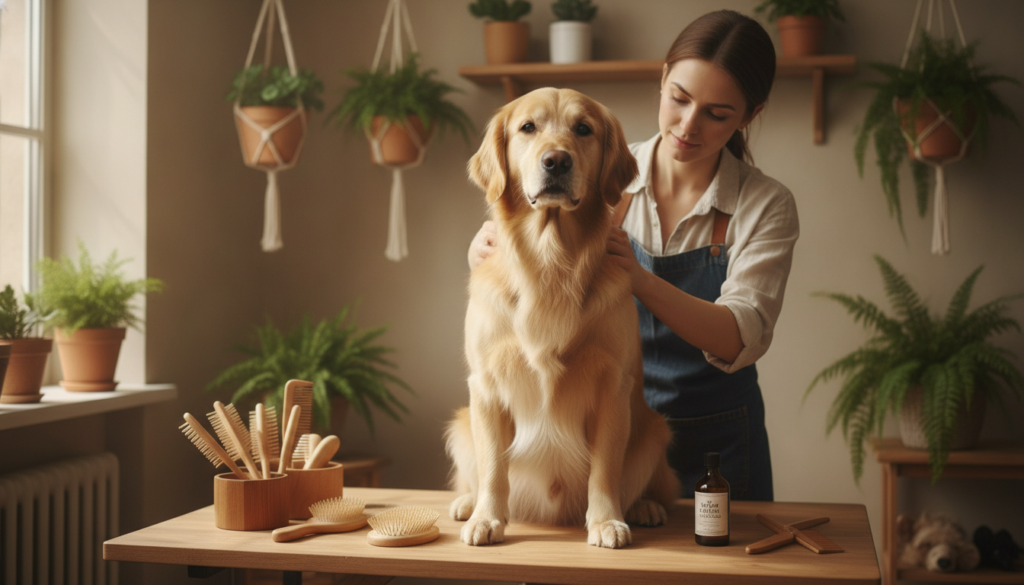
Regular brushing supports effective natural pet hair care. It removes loose fur and prevents painful mats that trap dirt against the skin. Brushing also stimulates follicles and spreads natural oils across the coat.
For professional guidance, explore these dog grooming tips to improve your technique. Always brush in the direction of hair growth to keep your pet comfortable. This habit helps keep the skin breathable and healthy.
Bathing Frequency for Optimal Health
Many owners think frequent bathing is always better, but it can strip away essential moisture. Set your bathing schedule based on your dog’s coat type and activity level, not a universal calendar. Over-washing can cause dryness and increase the risk of irritation.
When you bathe your pet, use gentle, pH-balanced products. After a bath, a high-quality hypoallergenic dog hair oil helps lock in moisture and protect the skin barrier. This balanced approach keeps your dog clean without weakening natural defenses.
Importance of Hydration
Skin health depends on more than outside products; it also relies on internal hydration. Well-hydrated dogs are more likely to have a resilient skin barrier that resists allergens. Give your pet fresh, clean water throughout the day.
Proper hydration keeps your dog’s skin supple and less likely to flake. This support makes natural pet hair care products much more effective. Combine proper nutrition, hydration, and grooming to give your furry companion the best care.
Recommended Brands of Hypoallergenic Dog Hair Oil
Many coat care options can overwhelm pet parents. To find a reliable hypoallergenic dog hair oil, look past flashy marketing and read the ingredient list. We choose brands that clearly explain their sourcing and manufacturing.
Overview of Top Products on the Market
When we evaluate products, we separate topical treatments from internal supplements. A fragrance-free dog hair treatment soothes the skin surface without causing irritation. Salmon oil supplements are meant for ingestion and support coat health from the inside out.
“The best grooming products are those that respect the natural barrier of the skin while providing the necessary nutrients for a healthy, lustrous coat.”
Many owners now choose vegan pet grooming products to avoid animal-derived ingredients. Check labels for certifications that confirm the absence of harsh chemicals and synthetic perfumes. Make sure each product is labeled for topical use to prevent accidental ingestion of grooming formulas.
Comparing Ingredients and Benefits
We compiled a comparison of common product categories to help you choose wisely. This table shows how different formulas serve unique needs in your dog’s grooming routine.
| Product Type | Primary Benefit | Key Feature |
|---|---|---|
| Topical Hair Oil | Coat Shine | Hypoallergenic |
| Soothing Balm | Skin Relief | Fragrance-Free |
| Vegan Conditioner | Detangling | Plant-Based |
| Salmon Oil | Internal Health | Omega-3 Rich |
These differences help you select the best hypoallergenic dog hair oil for your pet. Watch for signs of sensitivity when introducing a new product. Consistent use of high-quality grooming aids supports your dog’s long-term skin and coat health.
Customer Reviews: What Dog Owners Say
When we review products, real-world testimonials offer insights that marketing materials cannot match. Many owners share experiences online, but these stories cannot replace professional veterinary advice. Each dog has unique biology, so results from using natural pet hair care products can vary greatly.
Success Stories with Hypoallergenic Oils
Many pet parents report high satisfaction, with ratings from 4.8 to 4.9 out of 5 stars. These reviews often highlight noticeable improvements in coat quality after regular use. Owners also say their dogs enjoy a softer texture and healthy, natural shine.
Many users also find grooming easier. By reducing dryness, these oils can detangle fur and make brushing more comfortable for dogs.
“After switching to a gentle, plant-based formula, my dog’s coat transformed from brittle to incredibly soft within just two weeks of regular application.”
Common Concerns or Issues
Even with highly rated products, some owners face challenges when adding a new sensitive skin dog oil. The product may feel greasy when applied in excess. Start with a very small amount, and watch how your dog’s fur absorbs the nutrients.
Some users also report that dogs lick the area after application. Most natural ingredients are safe, but too much licking may cause minor skin irritation or remove the product early. If your pet seems bothered, distract them with a toy or treat until the oil absorbs.
Overall, sensitive skin dog oil can help many dogs, but results differ for each pet. Monitor your pet closely when trying a new product, and make sure it meets their specific needs.
Vet Recommendations and Expert Insights
Before starting a new regimen for your pet, understand the difference between cosmetic care and medical treatment. Although a high-quality hypoallergenic dog hair oil can improve the coat’s appearance, it cannot replace professional medical care.
We encourage owners to consult a veterinarian about persistent skin problems. Topical products hydrate the skin’s surface, but they cannot cure hidden health problems.
Advice from Veterinarians
Veterinarians often remind us that symptoms like chronic itching, hair loss, or inflammation may signal deeper issues. Allergies, parasites, or bacterial infections can cause these conditions and require specific medicine, not topical oils.
If your dog develops hot spots or raw patches, seek professional help immediately. Using a sensitive skin dog oil on an infected area might trap bacteria or worsen irritation. A vet can diagnose the problem and provide the right care.
Studies on Hypoallergenic Products
Pet dermatology research highlights the importance of safe, effective ingredients. When choosing a new hypoallergenic dog hair oil, look for products tested for safety and effectiveness on canine skin.
Veterinary guidance matters even more when adding ingestible oils or supplements to your dog’s diet. These products affect the whole body, so introduce them only under medical supervision. Protect your dog’s long-term health by confirming that your sensitive skin dog oil follows your vet’s recommendations.
Myths and Facts About Dog Allergies
Pet skincare can be confusing, so separate common myths from scientific facts. Many owners think natural products are safe for every dog. However, some natural substances can trigger pet sensitivities.
Debunking Common Misconceptions
Some owners wrongly believe all plant-based oils are hypoallergenic. Even a product marketed as a non-irritating dog oil may cause reactions to certain botanical extracts. Every dog has unique skin chemistry.
Another myth says more oil always provides better hydration. Using too much oil can clog pores and trap bacteria, causing skin problems. Choosing a fragrance-free dog hair treatment can help limit unnecessary chemical exposure.
Understanding Real Allergic Reactions
You must tell temporary dryness apart from a true allergic reaction. Dry skin often causes mild flaking, while allergies usually cause stronger symptoms. If your dog scratches excessively or seems uncomfortable after application, stop using the product immediately.
Look for lasting redness, swelling, or hives. These signs show that the skin may be rejecting the substance. Stop using even a high-quality non-irritating dog oil if your pet shows these adverse signs.
| Symptom | Dry Skin | Allergic Reaction |
|---|---|---|
| Itching | Mild and occasional | Intense and constant |
| Skin Appearance | Flaky or dull | Red, inflamed, or swollen |
| Onset | Gradual | Rapid after application |
| Response to Oil | Improves with moisture | Worsens with contact |
The Environmental Impact of Dog Grooming Products
The grooming industry now values pet safety and environmental care. Pet owners can shape market trends by choosing products that match their values. Learning how dog products move from production to disposal helps us protect the planet.
Eco-Friendly Ingredients to Look For
When buying natural pet hair care, look past marketing buzzwords. Botanicals like aloe vera, jojoba oil, and oatmeal are often gentle, but not every plant ingredient is sustainable. Choose brands that source ingredients ethically and explain their practices.
Vitamin E and sea kelp can condition canine coats well. Yet a product’s environmental impact depends on how these ingredients are harvested and processed. Choose certified organic options when possible to help reduce chemical runoff during manufacturing.
Sustainable Practices in Pet Care
Use supplies carefully to build a more sustainable routine. Measure small amounts of organic dog grooming oil instead of applying too much. Choose right-sized or recyclable packaging to reduce your household footprint.
Many owners choose vegan pet grooming products for cruelty-free, environmentally aware care. Check that these formulas meet strict safety standards for canine skin health. Concentrated formulas can reduce shipping trips and packaging waste, making grooming effective and environmentally responsible.
Conclusion: Choosing the Right Hair Care for Your Dog
The right grooming routine can improve your pet’s daily comfort. Good care begins with knowing your dog’s unique skin barrier needs.
Key Advantages of Proper Grooming
A high-quality hypoallergenic dog hair oil adds moisture, keeping fur soft and easy to manage. These products often work best with natural pet hair care practices that use gentle ingredients. Many owners use unrefined coconut oil as a conditioner, while fish oils provide omega-3 fatty acids that support skin health.
Final Guidance for Pet Parents
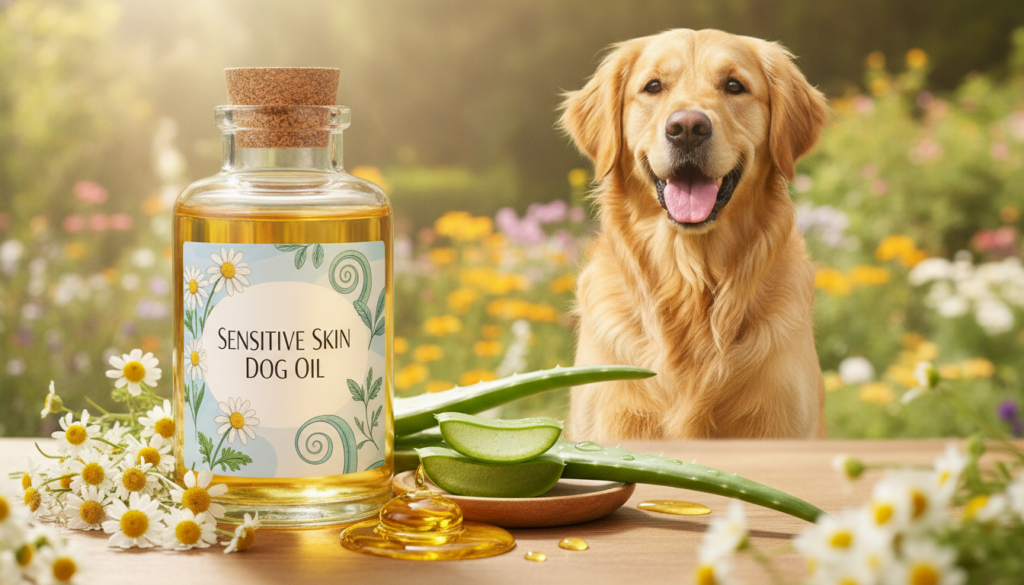
Choose a sensitive skin dog oil with clear, clean labels to help avoid hidden irritants. Apply these treatments sparingly, and watch how your dog’s coat responds over time. For ongoing scratching or redness, consult your veterinarian about possible medical conditions.
These thoughtful choices help your companion stay happy, healthy, and comfortable in every season.