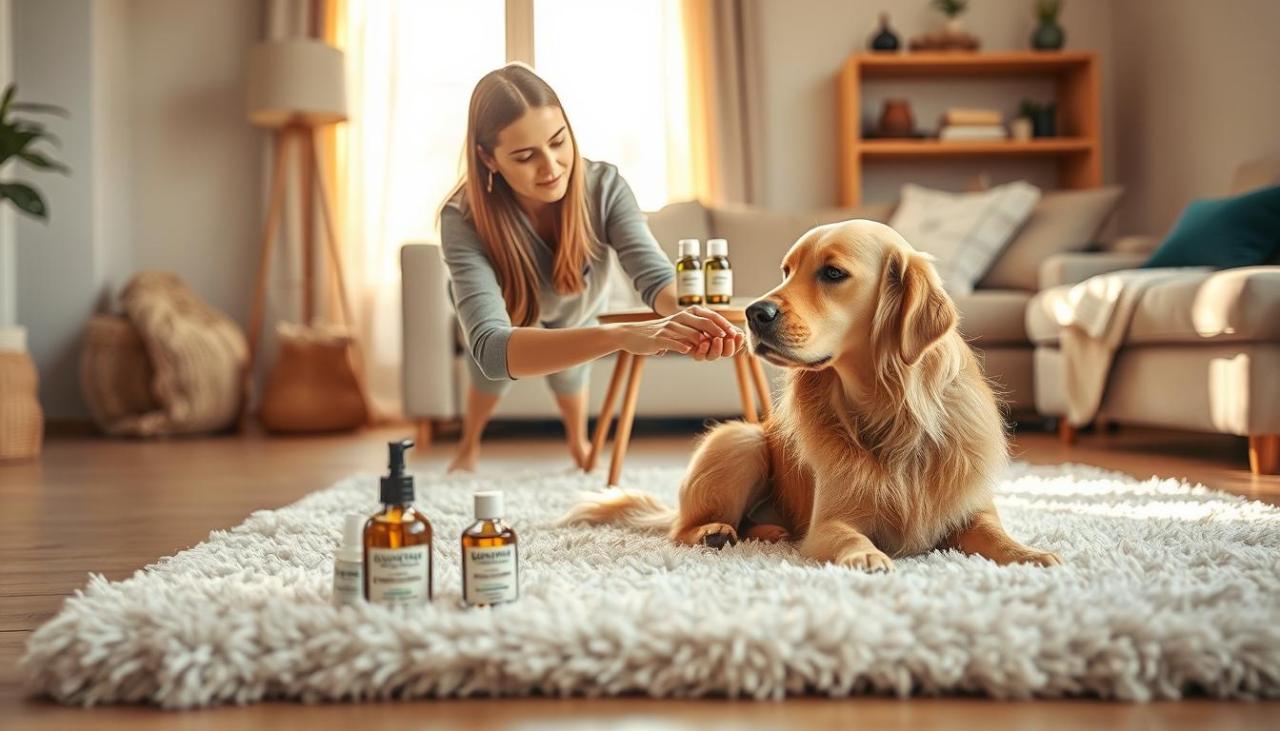
Did you know nearly 70% of pet owners struggle with their companion’s skin health during dry winter months? We often seek natural ways to help pets feel their best. One popular method uses argan oil for dog fur to improve hydration and shine.
Made from Moroccan tree nuts, this liquid gold contains vitamin E and essential lipids. Used correctly, it gently moisturizes and softens brittle strands. Proper canine coat care should always place safety first.
This guide explains how to apply the product safely and improve your pet’s appearance. It also explains when to skip home remedies and consult a veterinarian.
Key Takeaways
- Argan extract provides deep hydration for dry, dull coats.
- Vitamin E supports skin health and reduces irritation.
- Always perform a patch test before full application.
- Use only small amounts to avoid greasy residue.
- Consult your vet if you notice persistent skin issues.
Can Argan Oil Improve a Dog’s Fur?
Using argan oil for dog fur can transform dry, dull coats. Many dogs have brittle hair or coats that lack natural shine. A quality oil adds moisture and improves fur texture.
The oil’s rich blend gives it these benefits. It contains essential omega fatty acids and vitamin E, which nourish each hair shaft. Together, these nutrients seal the cuticle, so the coat looks smooth and bright.
Used as a leave-in conditioner, this oil forms a barrier against environmental stressors. It reduces static and makes brushing easier for owners and dogs. This simple grooming step improves manageability without harsh chemicals.
This oil can improve appearance, but it cannot cure medical problems. Severe skin conditions or underlying health issues need veterinary care because topical treatments cannot fix the root cause. Use it as a grooming aid, not a replacement for veterinary care.
| Nutrient | Primary Benefit | Effect on Coat |
|---|---|---|
| Vitamin E | Antioxidant support | Protects hair health |
| Omega fatty acids | Deep hydration | Increases natural shine |
| Linoleic acid | Moisture retention | Reduces dry, brittle hair |
Adding this leave-in conditioner to our routine gives the coat needed hydration. Its strong omega fatty acids content keeps hair soft to the touch. Regular use helps dogs maintain a beautiful, shiny coat.
Which Coat Concerns Argan Oil May Help
If your dog’s coat has lost its natural luster, adding oil to grooming may help. Environmental factors can leave fur brittle or dull. High-quality natural products may help restore its healthy glow.
Dry, rough fur
Environmental dryness can make a dog’s fur coarse and uncomfortable. Argan oil locks in hydration at the follicle level and provides dry skin relief. It may soothe the skin and leave hair softer and easier to manage over time.
Dull-looking coats
A vibrant, shiny coat can show good internal and external health. Rich omega fatty acids nourish the hair shaft from the outside in. Learn about these nutrients and how dog hair growth oil helps your pets coat.
Regular use can turn a lackluster coat into a radiant, healthy-looking coat.
Tangles and flyaways
Grooming can become difficult when dogs have stubborn knots or static-prone fur. Light argan oil use acts as a natural detangler, helping brushes glide through the coat. It reduces breakage during brushing and controls flyaways, making grooming easier for pets and owners.
What Argan Oil Cannot Treat
Knowing what argan oil cannot treat matters as much as knowing its benefits. This natural oil offers excellent dry skin relief for minor surface issues, but it cannot treat underlying health conditions.
Treat this product as a cosmetic aid, not a cure for complex ailments. It cannot eliminate parasites, fungal infections, or bacterial growth on the skin.
Even with high-quality pet-safe ingredients, we must stay realistic about their purpose. These products nourish the coat and soothe mild irritation, but they cannot treat systemic health problems or severe allergic reactions.
“The skin is the largest organ of the body, and its health often reflects the internal well-being of the animal. When topical solutions fail to provide comfort, professional diagnostics are essential.”
If our dog has persistent itching, hair loss, or unexplained redness, consult a veterinary dermatologist. Home remedies for chronic symptoms can delay needed medical intervention. Always prioritize professional guidance when our pet shows signs of distress beyond simple dryness.
Which Dogs Should Avoid Argan Oil?
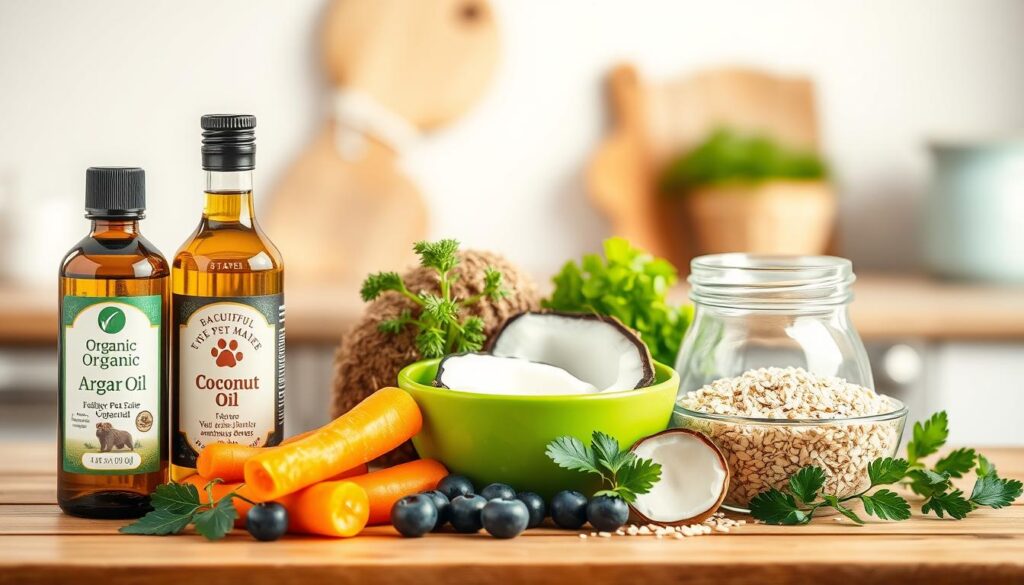
Before using oil, consider our dog’s unique health profile. Grooming products may contain pet-safe ingredients, but they may not suit every animal. We must look beyond the label to avoid possible irritants.
Dogs with irritated or broken skin
If our dog has open sores, deep scratches, or raw patches, we should avoid topical oils. Products on broken skin can trap bacteria or cause stinging and discomfort. It is always better to let the skin heal completely before improving the coat’s appearance.
“The skin is the largest organ of the body, and its integrity is the first line of defense against environmental stressors.”
Dogs prone to allergies
Some dogs have sensitive immune systems that react to natural botanical extracts. If our pet has a history of rashes or hives, we should consult a veterinarian before trying new oils. We must check for hidden additives or fragrances that could trigger an allergic flare-up.
Dogs that lick products from their fur
Many dogs groom themselves and may lick anything applied to their coat. If our dog licks often, we must be careful about every product we use. Natural products may not be safe to ingest, so choose pet-safe ingredients.
When unsure, we should prioritize professional advice. Following veterinary guidance helps prevent harm while we try to help. Always check the full ingredient list to confirm safety for our specific pet.
How to Choose a Dog-Safe Argan Oil
Not every bottle labeled argan oil suits our furry friends. Look past front-label claims when choosing grooming supplies. Check the back label to give pets better care.
Pure argan oil without added fragrance
Choose cold-pressed argan oil to help preserve its nutrients. This method avoids high heat, which can damage helpful fatty acids and vitamins. Avoid products with synthetic perfumes or artificial scents, because they may irritate a dog’s sensitive nose.
Simple ingredient labels
The best products use minimalist formulas that focus on quality. Look for pet-safe ingredients listed without confusing chemical names. If a label lists many hard-to-pronounce additives, leave it on the shelf.
Products stored in protective packaging
Light and heat can make argan oil rancid quickly. Choose dark glass or opaque bottles to protect the oil. Proper storage shows that a brand cares about its formula’s shelf life.
| Feature | High-Quality Oil | Low-Quality Oil |
|---|---|---|
| Extraction | Cold-pressed | Heat-treated |
| Fragrance | None (Natural) | Synthetic added |
| Packaging | Dark/Opaque glass | Clear plastic |
| Ingredients | Pure/Minimal | Complex additives |
These simple guidelines help us choose pet-safe ingredients for a healthy coat. The most effective cold-pressed argan oil is often the simplest option available.
How to Patch-Test Argan Oil on Our Dog
Before applying argan oil to our dog’s entire coat, we should first complete a simple safety test. Patch testing helps us find out whether our pet may react to the product. This precaution can prevent widespread skin irritation and discomfort.
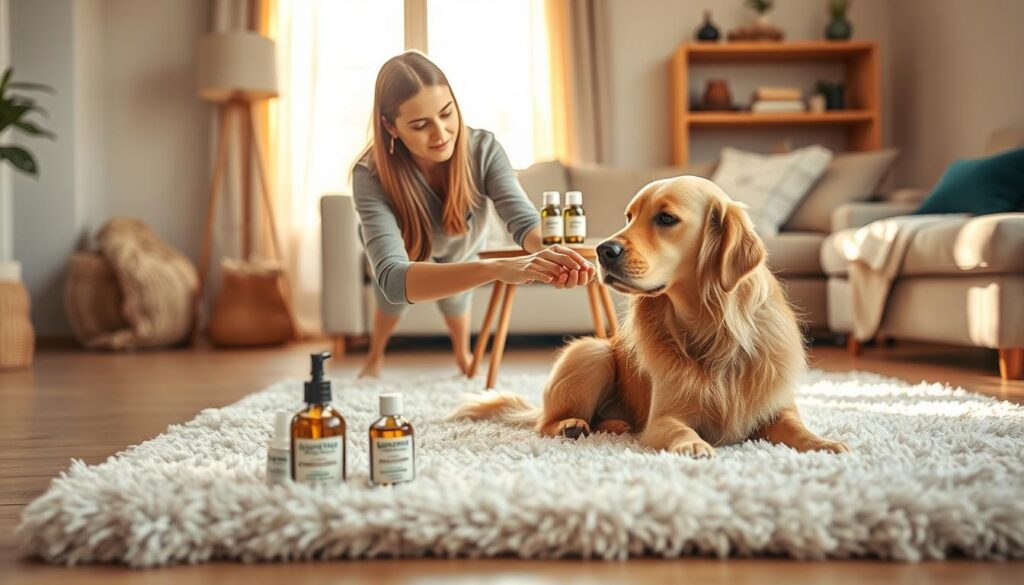
First, choose a small, hidden area, such as the inner thigh or belly. Apply a very tiny amount of oil to this clean, dry patch of skin. Use only a little because argan oil spreads easily.
After applying the oil, watch the area closely for at least twenty-four hours and prevent licking. Licking could affect our observation or cause an upset stomach, so watch for redness, swelling, or itching. If signs appear, gently wash the area and stop using the product; successful patch testing supports safe full grooming.
How to Apply Argan Oil to Dog Fur
Using oil correctly gives our pet’s coat even coverage and useful benefits. When we add argan oil for dog fur to grooming, it nourishes the coat and supports skin health. Proper use also supports effective canine coat care.
Start with a clean, dry coat
Before applying oil, make sure your dog has a clean, completely dry coat. Oil on a dirty or damp coat can trap debris or absorb poorly. A fresh bath and thorough towel dry prepare the coat for treatment.
Use a small amount on the fur
Start with a small amount to avoid a greasy residue. A high-quality leave-in conditioner often absorbs quickly into the hair shaft. Warm a few drops between your palms, then massage them through the fur, focusing on the ends or dull areas.
Keep oil away from the eyes, nose, mouth, and ears
Safety remains our top priority during any canine coat care session. Avoid the sensitive face areas, including the eyes, nose, mouth, and ears. If oil reaches these areas, wipe it away with a clean, damp cloth to help prevent irritation.
Use this leave-in conditioner sparingly for healthy shine without weighing down the coat. Regular, gentle use of argan oil for dog fur helps keep your pet’s coat healthy all year.
How Much Argan Oil Should We Use?
Finding the right oil balance supports shiny, healthy-looking fur and effective canine coat care. Every dog has different fur texture and density, so no single measurement suits every pet. Start with a light application and watch how your dog’s fur reacts.
Short, thin coats usually need one light spray or a few drops rubbed between your palms. Thick, long, or double coats may need more, but always start with a small amount. Remember, adding more oil later is easier than removing excess product from the fur.
Too much oil can make a coat greasy or heavy, causing a dull look instead of shine. Excess oil may make your dog lick its fur excessively, causing stomach upset or skin irritation. Careful, measured application supports canine coat care and gives pets oil’s benefits without unwanted side effects.
How Often Can We Use Argan Oil?
Choosing the right argan oil schedule supports effective canine coat care. Commercial leave-in conditioners may allow daily use, but each dog has different skin and fur. One pet may need a different schedule.
Start with a small amount and watch how the coat responds. If the fur looks greasy or heavy, use less oil or apply it less often. Begin carefully, then adjust the schedule for your dog’s needs.
Watching our dog’s behavior is vital to our canine coat care routine. If our dog licks the product from its fur, stop applying it at once. This can help prevent digestive upset.
Also check for redness, itching, or irritation, which may mean sensitive skin needs less oil.
This table offers general guidance for managing an application schedule safely and effectively.
| Coat Condition | Recommended Frequency | Application Tip |
|---|---|---|
| Dry or Brittle | 2-3 times per week | Focus on ends |
| Healthy and Shiny | Once weekly | Light misting |
| Sensitive Skin | As needed (spot test) | Consult a vet |
| Greasy or Oily | Avoid use | Focus on grooming |
The goal of our canine coat care is to improve the natural health of the skin and fur. By staying observant and flexible, we help our dogs stay comfortable and happy while enjoying high-quality argan oil.
When a Dull or Dry Coat Needs Veterinary Care
We must know when our dog’s skin problem needs more than home remedies. Topical treatments provide effective dry skin relief for minor issues, but they cannot cure hidden medical conditions. If the problem continues, we should seek professional guidance.
Persistent itching or redness
Constant scratching may signal more than simple dryness. Persistent redness or inflammation often points to an allergic reaction or bacterial infection. These problems need a proper diagnosis, not only surface hydration.
Hair loss or bald patches
Bald spots or thinning fur are important warning signs. They may point to hormonal imbalances, fungal infections, or parasitic infestations. Avoid oils on broken skin because they may worsen irritation or trap bacteria.
Changes in coat texture with other symptoms
A sudden change in fur texture is concerning, especially with lethargy or appetite changes. These systemic symptoms suggest the coat problem is merely a symptom of a larger health problem. A veterinary dermatologist can help find the root cause.
Professional help gives our dogs care suited to their needs. Expert advice can prevent needless treatments and keep pets comfortable and healthy. When unsure, a quick clinic visit remains the safest choice.
Conclusion
Using argan oil for dog fur can naturally improve softness and manageability. This golden oil adds moisture, helps untangle stubborn knots, and creates a healthy, vibrant shine.
Its rich profile includes vitamin E, linoleic acid, and omega fatty acids. Together, these nutrients support the overall condition of hair strands. Choosing high-quality products gives our pets the best care possible.
Prioritize safety with a patch test before full application. Use argan oil sparingly so you do not overwhelm the skin or coat. Always check ingredient labels for harmful additives or fragrances.
A professional veterinary assessment remains vital for persistent itching or unusual hair loss. A proactive approach keeps dogs comfortable and looking their best. Share your experiences with natural grooming routines in the space below.