A canine’s skin is its largest organ and can be the first sign of internal health. Many owners focus on diet, but a glossy coat often reflects complete wellness care.
A vibrant sheen needs more than products applied to the skin. Proper nutrition, steady hydration, and regular grooming support coat health. Sudden dullness or excessive itching may signal an underlying concern that needs attention.
This guide explains how homemade dog hair oil may support your pet’s care routine. We explain how to choose safe ingredients and apply the oil correctly. homemade dog hair oil can help maintain moisture, but ask a veterinarian about persistent problems.
Key Takeaways
- A shiny coat is often a reflection of your pet’s overall internal wellness.
- Holistic care includes proper nutrition, hydration, and routine grooming habits.
- Sudden changes in skin or fur quality may indicate an underlying health issue.
- Natural topical treatments can provide extra moisture when used safely and correctly.
- Always consult with a veterinarian before starting new treatments for your pet.
What Is Homemade Dog Hair Oil?
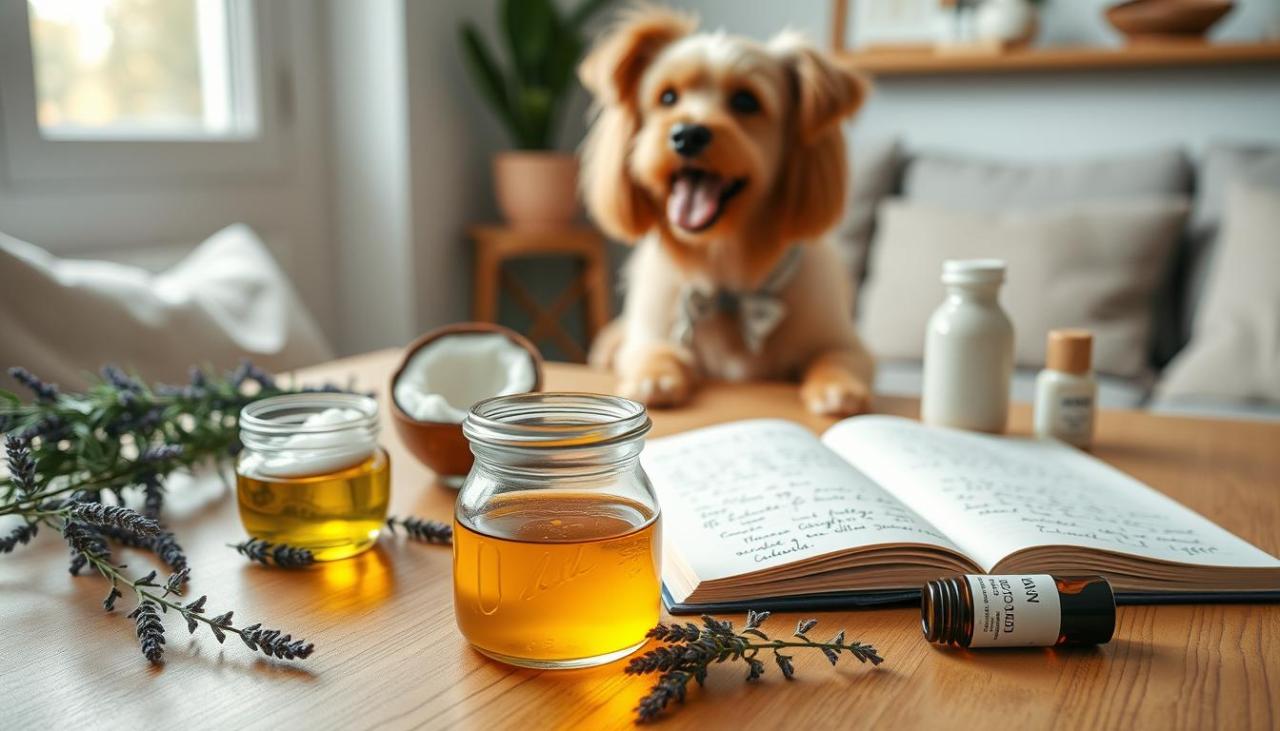
Making your own grooming oil provides targeted care for your dog’s fur and skin. It is a topical blend that conditions the coat and supports skin moisture. Unlike many natural dog grooming products in stores, homemade oil gives you control over every drop.
Key Ingredients
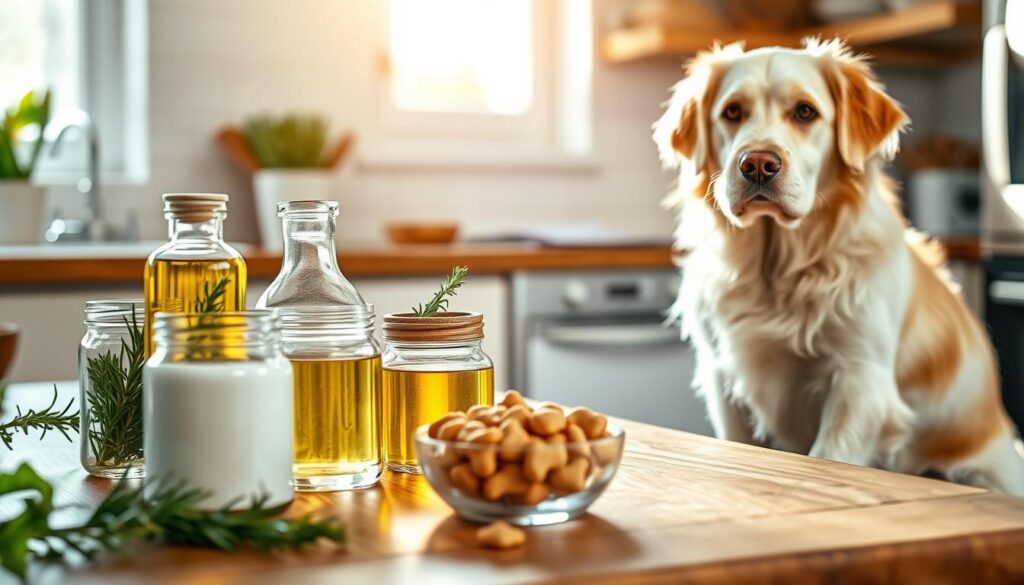
A high-quality carrier oil forms the base of any effective blend. These oils carry nutrients to each hair shaft. Common choices include coconut, jojoba, or almond oil, which are generally safe for dogs.
These blends differ greatly from human hair products. Human formulas may contain synthetic fragrances or chemicals that irritate sensitive dog skin. Use only pure, food-grade ingredients to keep your pet safe and comfortable.
Benefits of Dog Hair Oil
Regular use can turn a dull, brittle coat into one that feels soft and looks lustrous. The main benefit is the ability to deeply condition fur without harsh chemicals. Many owners find these natural dog grooming products control flyaways and reduce static during dry winter months.
These oils also help protect the skin’s natural barrier. By locking in moisture, they can prevent dryness that causes itching and discomfort. The table below shows why natural blends may better suit your pet.
| Feature | Homemade Oil | Synthetic Product |
|---|---|---|
| Ingredient Purity | High (Natural) | Variable (Chemicals) |
| Fragrance | None or Essential | Artificial/Strong |
| Skin Impact | Soothing | Potential Irritation |
| Cost | Budget-Friendly | Premium Pricing |
How It Works on Dog Fur
The oil coats each hair strand when applied. This creates a protective layer and smooths the cuticle, the hair’s outer layer. Less roughness makes the coat feel much softer.
These oils provide topical support only. They cannot treat medical skin diseases or infections. If skin problems continue, consult your veterinarian before using topical treatments.
Why Use Homemade Dog Hair Oil?
Exploring the world of DIY pet care lets us control what touches our dog’s skin. Making grooming solutions helps tailor each drop to our pet’s needs. This hands-on process teaches us what keeps a coat healthy and bright.
Cost-Effectiveness Compared to Store-Bought
Homemade products may seem cheaper, but they often require an initial investment. High-quality carrier oils and essential oils can cost more in small quantities. Still, buying in bulk often reduces the cost per ounce over time.
Commercial products often include marketing markups, while homemade versions focus on raw materials. We avoid paying for branding and shelf space, making DIY pet care a smart choice for dedicated owners. Mixing only what we need cuts waste and directs our budget toward premium ingredients.
Control Over Ingredients
Making our own oil lets us choose every component. We can avoid harsh chemicals, synthetic fragrances, and unnecessary fillers found in mass-produced bottles. This transparency gives us peace of mind during every grooming session.
We can also adjust each batch size for maximum freshness. Natural oils can degrade over time, so smaller, frequent batches stay potent and effective. We can change formulas for seasonal shifts or our dogs’ specific skin sensitivities.
Eco-Friendly Benefits
Using DIY pet care can reduce our environmental footprint. Reusing glass bottles and containers helps limit plastic waste entering landfills. Buying ingredients in larger, recyclable containers supports a more sustainable lifestyle.
Natural does not always mean risk-free. We must research each ingredient to confirm it is safe for canine use. Combining mindful consumption with careful choices creates a routine that is kind to the planet and our furry friends.
Essential Oils for Dog Hair Oil
We often turn to nature, but not every botanical extract is safe for dogs. When using essential oils for dogs in grooming, put safety first. These powerful substances need professional guidance; never let dogs ingest them or apply them in high concentrations.
Lavender Oil for Soothing Effects
Lavender may calm irritated skin because of its soothing properties. Use extreme caution with this extract. Ask your veterinarian before use, and dilute it heavily to help prevent harmful reactions.
Coconut Oil for Moisture
Coconut oil differs from many botanical extracts because it is a widely accepted, safe topical treatment. It deeply hydrates and helps maintain a lustrous, healthy coat. Because most dogs tolerate it well, coconut oil makes an excellent base for homemade hair oil blends.
Jojoba Oil as a Natural Conditioner
Jojoba oil works as a natural conditioner and mimics the skin’s own sebum. When using essential oils for dogs, including jojoba, perform a small patch test first. This test shows whether your dog is sensitive before you apply the product more widely.
| Oil Type | Primary Benefit | Safety Level | Usage Note |
|---|---|---|---|
| Coconut Oil | Deep Moisture | High | Safe for most dogs |
| Lavender Oil | Soothing | Moderate | Requires dilution |
| Jojoba Oil | Conditioning | Moderate | Patch test required |
Step-by-Step Guide to Making Dog Hair Oil
We believe mastering homemade dog grooming recipes is simple. Taking control of ingredients helps you give your pet safe care for its skin and coat. Your dog’s health should come first when you try new topical treatments.
Gathering Your Supplies
Before you begin, gather every tool to keep your workspace clean and organized. You will need a small glass mixing bowl, a clean spoon, and a dark-colored glass bottle for storage. Proper labeling helps prevent confusion with other household products.
Choose a high-quality, fragrance-free carrier oil as your base. Always sanitize your measuring tools to prevent contamination. Preparing everything first makes the process smoother and safer for your furry friend.
Recipe for a Simple Homemade Hair Oil
For a soothing blend, start with a simple carrier oil base. This method avoids risks from complex essential oil formulas. Make small batches so the product stays fresh and effective.
To make this blend, mix two tablespoons of organic coconut oil with one tablespoon of jojoba oil. Stir gently in your bowl until the oils combine fully. This simple mixture provides excellent hydration for dry, brittle fur.
| Carrier Oil | Primary Benefit | Best For |
|---|---|---|
| Coconut Oil | Deep Moisture | Dry, Flaky Skin |
| Jojoba Oil | Natural Conditioning | Tangled Fur |
| Almond Oil | Soothing Relief | Sensitive Areas |
Tips for Mixing Ingredients
When using homemade dog grooming recipes, prevent applying too much oil. Start with a very small amount to see how your dog’s coat reacts. You can add more, but removing extra oil from thick fur can be difficult.
Always keep topical products separate from ingestible supplements and food items. If your dog has skin disease or known allergies, consult your veterinarian before using a new substance. Professional guidance helps your DIY care support your dog’s long-term health and comfort.
How to Apply Dog Hair Oil
Learn to use a homemade dog coat conditioner for a shiny, healthy coat. Apply natural blends gently so your pet feels calm and looks their best. These simple steps can make regular grooming a soothing experience for your furry friend.
Dos and Don’ts of Application
Before using any mixture, perform a small patch test on hidden skin to check for sensitivity. If you see redness, swelling, or discomfort, stop using it at once. Apply oil sparingly to the fur’s mid-lengths and ends, not the roots.
Avoid sensitive areas, including the eyes, mouth, nose, and ears. Never apply the product to broken or irritated skin, because it may worsen inflammation. A homemade dog coat conditioner supports regular bathing and brushing; it does not replace them.
“Consistency in grooming is the foundation of a healthy coat, but the right natural products can provide that extra layer of protection and luster.”
Best Times to Use Hair Oil
Apply oil when your dog’s fur is slightly damp after a bath. Moisture helps oils lock in hydration, leaving the coat soft and easy to manage. A light application before brushing can detangle knots and prevent breakage.
Recommended Frequency
How often you use your homemade dog coat conditioner depends on your dog’s needs. Coat texture, skin sensitivity, and local climate can affect your schedule. Start with weekly use, then adjust it as your dog’s skin and fur respond.
| Coat Type | Application Frequency | Focus Area |
|---|---|---|
| Short/Smooth | Bi-weekly | Surface shine |
| Long/Silky | Weekly | Ends and tangles |
| Curly/Dense | Twice weekly | Deep conditioning |
Ask your veterinarian if you are unsure about the right frequency for your breed. They can offer advice based on your dog’s health and grooming needs. Watch your pet’s response to help keep them happy and healthy.
Tips for Maintaining Your Dog’s Coat
Your dog’s skin health supports a beautiful coat. homemade dog skincare can help, but use it within a complete care plan. A healthy coat often reflects your pet’s overall well-being.
Regular Grooming Practices
Regular care helps prevent tangles and supports a healthy coat. Create a routine with brushing, proper baths, and steady hydration. Also follow a strict parasite prevention program to prevent skin irritation.
Inspect the skin beneath the fur during every grooming session. A shiny coat may hide problems such as dermatitis or dry patches. Consult your veterinarian promptly if dandruff, inflammation, or unusual hair loss continues.
Choosing the Right Brush
Brushes are not the same, and the wrong tool can damage your dog’s hair. Choose one for your dog’s coat length, density, and shedding pattern. One universal tool may miss mats or pull painfully.
For example, a slicker brush removes loose fur from double-coated breeds. However, a metal comb often detangles long, silky hair better. Choosing the correct equipment makes grooming effective and comfortable for your pet.
Importance of Nutrition
External treatments are only part of good coat care. Quality food supplies fatty acids and vitamins for healthy skin and fur growth. Combine a balanced diet with homemade dog skincare for the best care.
Give your dog constant access to fresh, clean water for flexible skin. Good hydration helps prevent brittle or flaky skin. A vibrant, shiny coat is the ultimate sign of a dog thriving from the inside out.
Potential Allergies and Sensitivities
Nature-based grooming can help, but not every plant-based ingredient suits every dog. Even with high-quality organic pet remedies, watch how your pet reacts to new substances. A cautious approach keeps grooming safe and positive for your companion.
Common Allergens to Avoid
Natural ingredients can still cause unwanted reactions. Watch for synthetic fragrances, highly concentrated essential oils, and some nut-derived ingredients that may irritate skin. Check that oils are fresh because rancid or contaminated products may cause severe skin inflammation.
If you are unsure about ingredients, consider a hypoallergenic dog oil to reduce reaction risks. Always patch-test a small, hidden area of your dog’s skin before applying any mixture to their entire body.
Signs Your Dog Might Be Allergic
Recognizing early sensitivity signs is important for your dog’s comfort. Watch for symptoms such as excessive scratching, redness, or hives soon after application. You may also notice swelling or hair loss in the treated area.
Behavior changes can also show discomfort. If your dog seems restless, agitated, or keeps licking the treated area, they may have an allergic reaction. Do not ignore these signs because they may come before worse symptoms.
What to Do If Allergic Reactions Occur
If you suspect a reaction, stop using the product immediately. Gently remove residue with mild, fragrance-free shampoo or warm water if appropriate. Record the ingredients used so you can share them with your veterinarian.
Seek professional veterinary care right away if you notice breathing difficulty, severe swelling, vomiting, or lethargy. These symptoms may signal an emergency requiring immediate medical care. Prioritize your dog’s safety when trying new organic pet remedies at home.
Storing Your Homemade Dog Hair Oil
Keeping your herbal dog hair treatments fresh requires careful storage. Proper care keeps natural ingredients potent and safe for your furry friend’s skin. Simple guidelines can extend the life of homemade grooming solutions.
Best Containers for Storage
The right container helps prevent oxidation and contamination. We recommend dark-colored glass bottles, such as amber or cobalt blue, to protect oils from light. Light can break down natural extracts over time.
- Always choose airtight glass containers to keep moisture out.
- Seal the lids tightly after every use.
- Label each bottle with its ingredients and preparation date.
Shelf Life and Expiration
These mixtures lack the synthetic preservatives found in commercial products, so they have a shorter lifespan. Make small batches that you can use within a few weeks for maximum freshness. Since no universal expiration date exists, use your senses to monitor quality.
Discard the oil immediately if you notice any of these changes:
- A rancid or unusual off-putting smell.
- Visible changes in color or cloudiness.
- A thick, sticky, or altered texture.
Tips for Safe Storage
Where you keep your herbal dog hair treatments matters as much as the container. Store bottles in a cool, dry place away from sunlight and heat sources, such as radiators or stoves. Heat can make oils turn rancid much faster.
Keep all grooming products out of reach of children and pets. Even natural ingredients can cause digestive upset if eaten in large amounts. Store your supplies in a secure cabinet for a safe grooming routine.
Comparing Homemade vs. Store-Bought Options
We often compare store-bought convenience with the control offered by DIY canine beauty products. This choice requires knowing what shapes your dog’s grooming routine and how each part affects its skin.
Ingredients: A Closer Look
When you make your own solutions, you can see every oil drop clearly. You avoid hidden preservatives, synthetic fragrances, and stabilizers that might irritate your pet.
Commercial products often use complex chemical compounds to last longer on the shelf. These formulas are carefully balanced, but they may not meet a dog’s sensitive-skin needs.
Performance and Effectiveness
Professional brands invest heavily in stability testing, so products stay effective over time. Natural DIY canine beauty products may lack standard concentrations, causing different results between batches.
“The best grooming routine is one that prioritizes the individual health of the animal over the convenience of the bottle.” — Veterinary Dermatologist
This table shows the main differences between these two approaches to coat care:
| Feature | Homemade | Store-Bought |
|---|---|---|
| Ingredient Control | Complete | Limited |
| Stability Testing | None | Rigorous |
| Cost | Lower | Higher |
Reviews and Testimonials
Treat online feedback as personal experience, not universal proof that a product works. Every dog has a unique coat, so one breed may respond differently from another.
- Always monitor your dog’s skin condition after trying new DIY canine beauty products.
- Consult with your veterinarian before switching to a new grooming regimen.
- Track your dog’s comfort levels and grooming habits to gauge success.
A product’s effectiveness depends on your dog’s specific needs. Combine personal research with professional guidance to give your pet the best care possible.
Additional Uses for Dog Hair Oil
Your homemade dog hair oil may serve more purposes than adding shine. It works as a cosmetic conditioner and can help manage minor grooming problems. Use these mixtures with regular care, not as medical treatment.
Preventing Matting and Tangles
Small knots in your dog’s fur may loosen with a tiny amount of oil. Apply one drop to improve coat detangling and help the brush move through the hair. This can reduce pulling, which often makes dogs dislike grooming.
Use this method only for minor, loose tangles. For severe mats tight against the skin, contact a professional groomer. Forcing a brush through deep mats can cause pain and skin irritation.
Conditioning Sensitive Areas
Many dogs have dry, flaky patches that may benefit from a light layer of natural oil. For sensitive dog skin, perform a small patch test first and check for a reaction. Massage oil gently into the dry area, avoiding the eyes, nose, and mouth.
This oil cannot cure infections, parasites, or dermatitis. If you notice redness, swelling, or unexplained hair loss, consult your veterinarian immediately. Always prioritize your dog’s health over cosmetic improvements when skin problems appear.
Use on Paws and Skin
Dry, cracked paw pads can hurt your canine companion, especially during harsh weather. Light paw moisturizing with a natural oil blend may restore suppleness. Use very little, so your dog does not slip on smooth floors or ingest too much while licking.
Do not apply oil to open wounds, inflamed areas, or mucous membranes. After application, distract your dog with a toy or treat to prevent licking. Use the guide below to learn where and how to apply your mixture safely.
| Application Area | Purpose | Safety Level |
|---|---|---|
| Healthy Coat | Shine and Softness | High |
| Minor Tangles | Easier Brushing | Moderate |
| Dry Paw Pads | Moisturizing | Moderate |
| Open Wounds | None | Avoid |
User Tips and Tricks
You can improve your pet’s grooming routine by learning from other dedicated owners. Each dog is unique, so shared knowledge can guide you toward natural coat conditioning. Treat community feedback as helpful observations, not universal rules.
Feedback from Dog Owners
Many owners say consistency is the key to success. A simple log of amounts and dates can help you track progress. Observing your dog’s skin and fur for several days after a new treatment shows how your dog responds.
Experimenting with Different Formulations
When trying a new blend, change only one ingredient at a time. This careful method helps you identify which component offers the most benefit. If irritation or discomfort appears, stop applying it and contact your veterinarian.
Seek professional medical advice if you notice persistent itching, shedding changes, or coat deterioration. Your vet can tell whether a reaction comes from ingredient sensitivity or an underlying health issue. Safety must remain the top priority during these experiments.
Adjusting for Your Dog’s Coat Type
A coat-specific oil routine matters because each texture needs a different amount of moisture. For example, a wiry coat may need less oil than a thick, double coat that dries out. Adjust application so the product reaches the skin without making the fur greasy.
Here are essential dog grooming tips for different coat types:
- Short coats: Use a very light mist to avoid buildup.
- Long or curly coats: Focus on the ends to prevent tangles and matting.
- Double coats: Apply sparingly to the undercoat to maintain natural texture.
- Oily coats: Use minimal amounts, focusing only on dry or brittle patches.
Remember, your goal is to support healthy skin and hair. Stay observant and flexible to create a routine that keeps your furry friend looking and feeling their best.
Frequently Asked Questions
Pet owners often ask how to keep a healthy coat. These dog hair oil FAQs cover common questions about routine care and safety.
Frequency of Application
Adjust use based on your dog’s coat type and skin needs. Most owners find that light application once a week keeps fur hydrated without buildup.
Safety for Young Dogs
Proper puppy coat care requires extra caution. Consult your veterinarian before applying topical products to young animals, because their sensitive skin is still developing.
Managing Fur Loss
Oils can improve coat texture, but they cannot cure excessive shedding. Effective dog shedding solutions combine regular brushing, high-quality nutrition, and proper hydration. Seek veterinary advice for severe itching, hair loss, or chronic skin issues, which may signal parasites or hormonal imbalances.
Your commitment to your pet’s well-being greatly improves their quality of life. A holistic grooming routine helps keep your companion comfortable and vibrant every day.