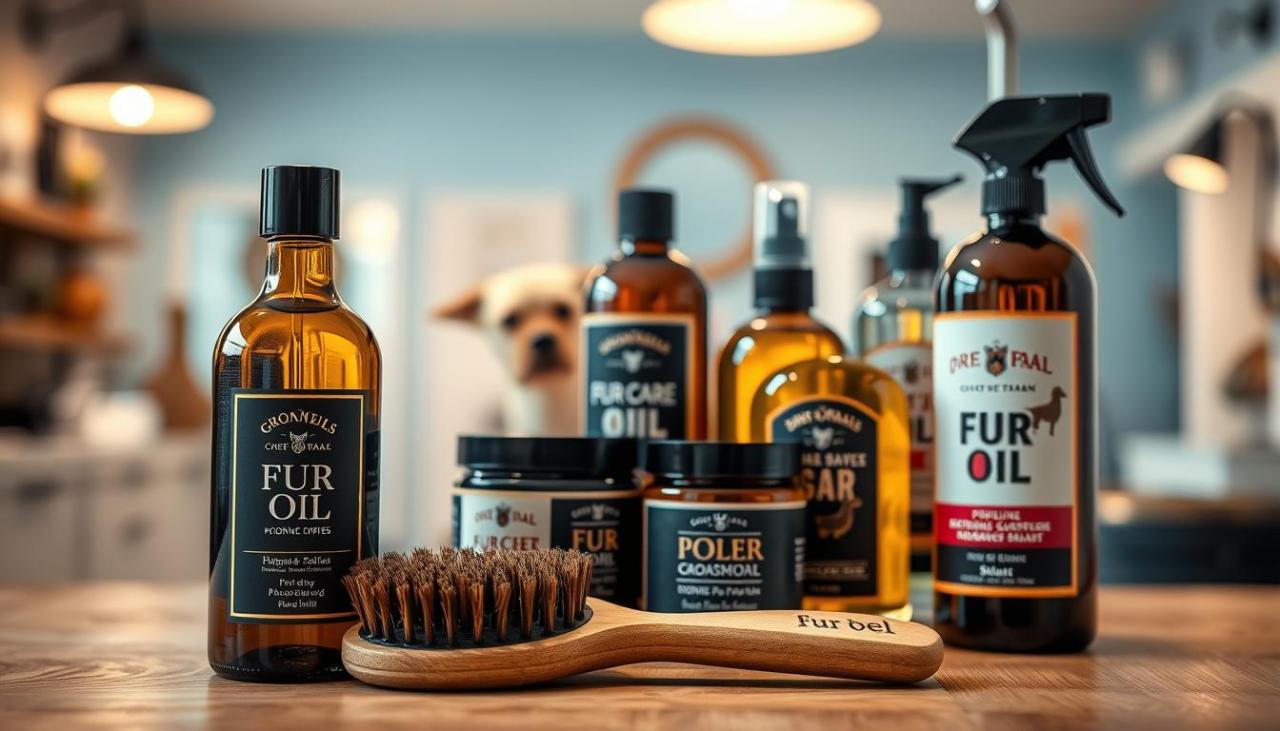
A canine’s skin can be up to three times thinner than human skin. This fact makes proper dog fur care essential for your pet’s comfort and appearance. A healthy coat starts within but also needs the right external support.
Adding a high-quality fur oil for dogs to your routine can provide extra hydration against dryness. Olive oil contains vitamin E and omega-3 fatty acids that help nourish the skin barrier. Explore our 9 dog coat oils to find the best match for your companion’s breed and needs.
A lustrous shine requires more than topical products. Balance these treatments with nutritious food and regular grooming. Learn your pet’s unique coat type to build a lasting plan for year-round care.
Key Takeaways
- Canine skin is significantly thinner than human skin, requiring gentle maintenance.
- Topical treatments provide essential moisture to prevent dry, itchy patches.
- Natural ingredients like olive oil offer vital nutrients for a healthy glow.
- A balanced approach combines proper nutrition with regular grooming sessions.
- Always choose products tailored to your specific breed’s coat texture.
What is Fur Oil for Dogs?
When we talk about fur oil for dogs, we mean topical solutions that moisturize a dog’s skin and hair. These products condition the coat, helping it look healthier and more vibrant. These treatments differ from oils added to a dog’s diet in purpose and safety.
Some owners use natural dog fur oil, such as olive oil, to hydrate the skin. Commercial products often contain balanced blends for specific coat types. These oils lock in moisture and help prevent dryness that can cause itching.
These grooming aids cannot replace veterinary care when a dog has ongoing skin disease or hair loss.
“The health of a dog’s coat is a direct reflection of their overall well-being and the care they receive at home.”
Benefits of Using Fur Oil
The main benefit of using fur oil for dogs is an immediate improvement in coat texture and shine. Regular use detangles long hair, making grooming easier for you and your pet. These oils may also soothe irritated skin and relieve effects from environmental stressors.
Using a natural dog fur oil may strengthen the hair shaft and reduce breakage and split ends. This creates a fuller, stronger coat that handles daily wear and tear. Good hydration also supports the long-term health of your dog’s skin barrier.
How Fur Oil Works for Canine Coats
Fur oil coats each hair strand with a thin, protective layer. This layer smooths the hair cuticle, helping it reflect light and look shinier. The oil also penetrates the skin’s surface and provides deep hydration where needed.
By replacing lost moisture, these products help prevent dry or flaky skin. This creates a healthier setting for hair growth and keeps your dog’s coat soft and manageable. Consistent use is key to lasting results in your pet’s appearance.
Choosing the Right Fur Oil
Finding the right product starts with knowing what is inside the bottle. When shopping for canine fur care products, look beyond claims on the label. Check the ingredient list to give your companion safe, effective nourishment.
Key Ingredients to Look For
High-quality formulas often use natural ingredients that support healthy skin and a shiny coat. Look for vitamin E, a strong antioxidant that helps protect the skin barrier. Also, omega-3 fatty acids help keep the coat soft and hydrated from the inside out.
Many effective products also contain phytonutrients from olive oil. These extracts condition deeply without leaving a greasy residue. In a premium dog grooming oil, they soothe dry patches and improve your dog’s natural fur shine.
Avoiding Harmful Additives
Not every product on the shelf suits your pet. Avoid human-grade oils with heavy, artificial fragrances because they can cause serious skin irritation. Choose products made for pets, especially if your dog may lick its coat.
Be cautious of labels listing undisclosed blends or generic “fragrance” as an ingredient. These hidden chemicals may cover poor-quality bases with no real nutritional value. Choose a clearly labeled dog grooming oil to avoid allergens and give your pet the best care.
How to Apply Fur Oil on Dogs
When you use a topical treatment, application matters as much as the product. Proper application helps your pet receive the treatment’s full benefits. A calm setting and gentle touch make using high-quality dog grooming oil safe and comfortable.
Step-by-Step Application Guide
Read the label before use. Confirm whether the formula is for topical use or internal consumption. Never pour oil onto the coat until you know it is safe for skin contact.
Test a small area on your dog’s back for sensitivity or an adverse reaction. If the product is safe, place a small amount in your palms and rub them together to warm it. Massage the oil gently into dry or dull areas of the coat.
Use a soft brush to spread the product evenly, reaching the skin without leaving a greasy residue.
Tips for Best Results
Consistency and precision are vital for managing your pet grooming essentials. For dietary oil, mix one teaspoon into small dogs’ dry food or one tablespoon into food for larger breeds. Ask your veterinarian before adding supplements, especially if your dog has known allergies or medical conditions.
Clean tools also support good results. Wash brushes and combs regularly to prevent old oils and debris from building up. These steps help maintain your dog’s coat health and shine.
| Application Method | Primary Benefit | Best For |
|---|---|---|
| Topical Massage | Immediate Shine | Dry, Brittle Fur |
| Dietary Supplement | Internal Health | Overall Coat Quality |
| Brush Distribution | Even Coverage | Long-Haired Breeds |
Frequency of Application
Choosing the right schedule for a fur treatment for dogs requires watching your pet’s unique needs. Product labels offer general guidelines, but they are only a starting point. Consider skin sensitivity, environmental conditions, and coat texture when planning applications.
How Often Should You Use Fur Oil?
No single schedule works for every dog. Some owners add a small amount of olive oil to their dog’s food a few times per week. This supports coat health from the inside and may complement topical use, but watch your dog’s response.
For a topical fur treatment for dogs, follow the manufacturer’s recommendations. Watch your pet for a week to see how the skin and fur respond. If the coat looks dull or feels brittle, adjust the frequency slightly for better nourishment.
Signs That Indicate More Frequent Use
Your dog may show when its grooming routine is not enough. Watch for signs such as excessive dryness, visible flaking, or a persistent odor that may signal a lack of natural oils. If your dog scratches more than usual, increase your treatment’s frequency.
Do not overapply products, because they can cause excess oil or clogged pores. If redness, hair loss, or digestive changes appear after a new regimen, stop it immediately. If these issues persist or worsen, it is best to seek professional veterinary advice.
| Coat Condition | Recommended Frequency | Application Method |
|---|---|---|
| Dry and Brittle | 2-3 times per week | Topical massage |
| Healthy and Shiny | Once per week | Light brushing |
| Dull or Flaky | Every other day | Dietary supplement |
Understanding Your Dog’s Coat Type
Proper dog fur care starts with knowing that canine coats differ. Each breed has unique coat traits that affect how topical treatments work. Identify your dog’s coat type to tailor grooming for health and shine.
Short vs. Long Coats
Short-haired breeds often need less brushing, but heavy oil use can make them look greasy. Their hair lies close to the skin, so extra product stays on the surface instead of absorbing quickly. Start with a very small amount to prevent a heavy, weighed-down look.
Long or dense coats act like sponges and can trap debris and pollutants near the skin. Steady dog hair maintenance prevents mats and helps oils reach the roots. Thorough brushing before and after application spreads natural and added oils along the hair.
Specific Needs of Different Breeds
Coat texture also plays a major role in your grooming strategy. Double-coated breeds, such as Huskies or Golden Retrievers, have thick undercoats needing special care during seasonal shedding. Nutritional support, like omega-3 fatty acids and vitamin E, supports internal health but cannot replace physical grooming.
Curly or wiry coats have a special structure that may become dry or brittle without enough moisture. Owners should consider these factors when building a routine:
- Skin Sensitivity: Breeds prone to allergies may require hypoallergenic formulas.
- Seasonal Shedding: Increased grooming is necessary during transition months to remove dead hair.
- Professional Requirements: Some breeds benefit from expert trimming to maintain coat integrity.
Successful dog hair maintenance depends on watching how your dog’s coat responds to changing conditions. Respecting your breed’s natural traits creates the best setting for a soft, healthy, vibrant coat.
DIY Fur Oil Recipes
Making homemade pet mixtures requires careful knowledge of ingredient safety. Many people enjoy making grooming supplies, but natural ingredients may still harm some animals. Ask your veterinarian before applying any homemade mixture to your dog’s skin.
Simple Homemade Fur Oil Formulas
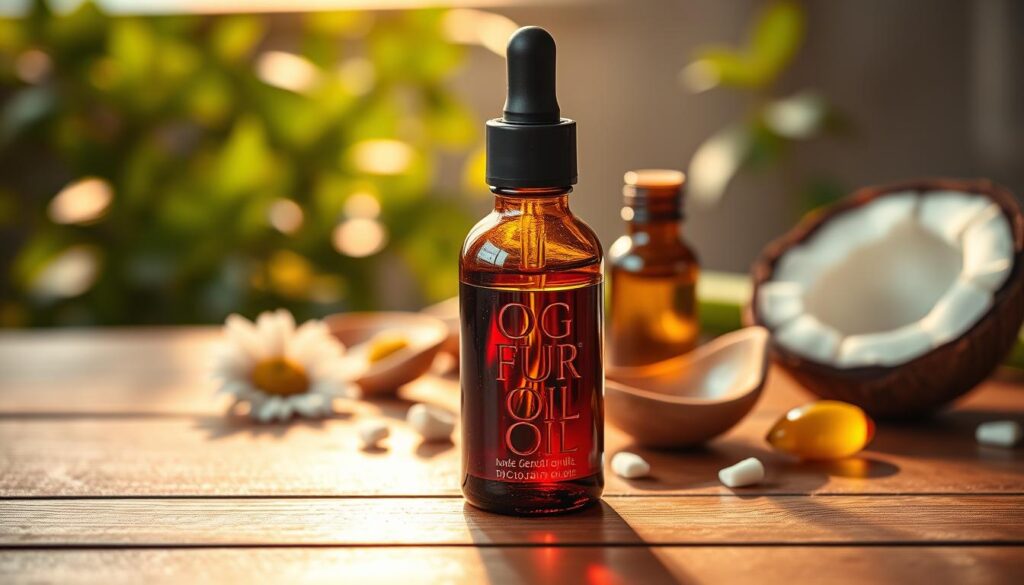
A basic natural dog fur oil uses simple, food-grade ingredients. High-quality olive oil may add a healthy shine to a dog’s coat. Start with a very small amount and watch your dog’s reaction.
Cleanliness helps prevent bacterial growth when you prepare these mixtures. Label each container with its creation date and ingredients. Store finished products in a cool, dark place, away from sunlight, heat, and your pets.
Essential Oils to Incorporate
Many fans of organic dog fur products may add essential oils for pleasant scents. Use extreme caution because concentrated oils can poison dogs. Never apply undiluted essential oils directly to your pet’s skin or fur.
Dilute these additives heavily in a safe carrier oil. Always verify the safety of every specific oil with a professional before use.
Some common scents can cause breathing problems or skin irritation. Never feed homemade blends to your dog; swallowing them can cause serious health risks.
Signs Your Dog Might Need Fur Oil
Early signs of a dry, dull coat can help you restore your pet’s natural shine. Watch your dog’s daily grooming routine for signs that their skin needs more moisture. Proactive care helps maintain a healthy, vibrant coat.
Dry Skin Indicators
Visible flakes are a common sign that your dog may benefit from a fur treatment for dogs. White specks on bedding or fur often show poor hydration. Your dog may also show increased sensitivity or mild tightness during brushing.
These cosmetic changes differ from medical concerns. Contact your veterinarian immediately if you see lasting redness, open sores, or a strong, unpleasant odor. These symptoms may need professional care, not a simple topical solution.
Changes in Coat Texture
A healthy coat feels soft and looks lustrous. If your dog’s fur becomes rough, brittle, or noticeably dull, consider adding nourishing oil to their routine. A lost natural sheen often shows that the skin barrier needs support.
When you try the best fur oil for pets, record any changes you notice. Introduce only one new product at a time so you can monitor your dog’s skin. A simple log helps track texture changes and show whether the product works for your specific breed.
Some Popular Brands of Fur Oil for Dogs
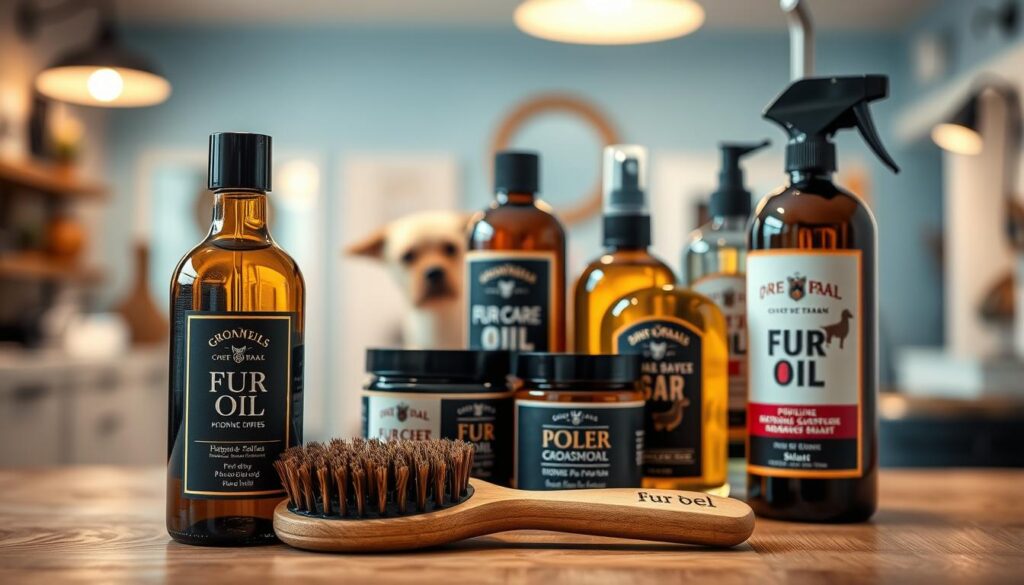
The market for canine fur care products offers many choices, which can feel overwhelming. Informed choices begin with knowing what each bottle contains. Check ingredient lists and testing standards to find a product that benefits your companion.
Comparing Different Products
When we compare brands, we value ingredient transparency and clear use instructions. Check whether each product passed pet-specific testing for safe topical or dietary use. Some owners prefer simple, natural alternatives like olive oil, which is often well-tolerated and easy to source.
When shopping for organic dog fur products, verify the certification labels. Packaging should state whether you massage the product into the skin or add it to a meal. Suitability varies by breed, so consider your dog’s coat density and skin sensitivity before buying.
Customer Reviews and Recommendations
Treat customer reviews as useful experience reports, not absolute proof of effectiveness. Every dog is unique, so one pet may not respond like another. Use testimonials to judge general satisfaction, but always follow your veterinarian’s advice.
This table groups options to help you find the best fur oil for pets for your specific grooming goals.
| Product Category | Primary Benefit | Best For |
|---|---|---|
| Topical Oils | Surface shine and detangling | Long-haired breeds |
| Dietary Oils | Skin health from within | Dry or flaky skin |
| Organic Blends | Chemical-free nourishment | Sensitive skin types |
| Natural Olive Oil | Simple, cost-effective care | General coat maintenance |
Other Grooming Tips for a Shiny Coat
A radiant coat needs more than oil; it needs a complete hygiene routine. Topical treatments add quick shine, but they work best with basic pet grooming essentials. These habits support long-term skin and fur health.
Importance of Regular Bathing
Bathing is a key part of effective dog hair maintenance. Use a gentle, pH-balanced shampoo to remove dirt and debris that can dull your dog’s natural shine. Thorough rinsing matters as much as washing because soap residue can cause irritation and dryness.
Bath frequency depends on your dog’s breed and activity level. Too many baths can remove needed moisture, so find a balance that protects the skin barrier. After each bath, check your dog’s skin for redness or flaking.
Brushing Techniques to Consider
Regular brushing removes tangles and supports a healthy coat. It spreads natural oils from your dog’s skin across the hair. These oils condition the coat and improve its shine and strength.
Use tools suited to your dog’s coat type. A slicker brush works well for long hair, while a rubber curry brush suits short-haired breeds. Regular brushing also helps you spot skin changes or parasites before serious problems begin.
| Grooming Task | Recommended Frequency | Primary Benefit |
|---|---|---|
| Brushing | Daily or Weekly | Distributes natural oils |
| Bathing | Monthly | Removes deep-seated dirt |
| Ear Checks | Weekly | Prevents infections |
| Nail Trimming | Bi-weekly | Ensures paw comfort |
Final Thoughts on Fur Oil for Dogs
Choosing the best fur oil for pets means considering your dog’s skin needs and daily lifestyle. Ask your veterinarian before adding supplements, such as olive oil, to your dog’s diet. Small dogs may need one teaspoon; larger breeds often need one tablespoon mixed into dry food a few times weekly.
Prioritizing Long-Term Wellness
Always choose products that follow veterinary guidance to support your dog’s safety. The best fur oil for pets can support care, but it cannot replace balanced nutrition. Watch your dog’s skin and coat texture regularly, then make informed changes over time.
Strengthening Your Daily Connection
Grooming sessions deepen your bond with your pet through gentle brushing and calm handling. These quiet moments build trust and keep your dog feeling secure and loved. A healthy coat reflects the care and attention you provide every day.