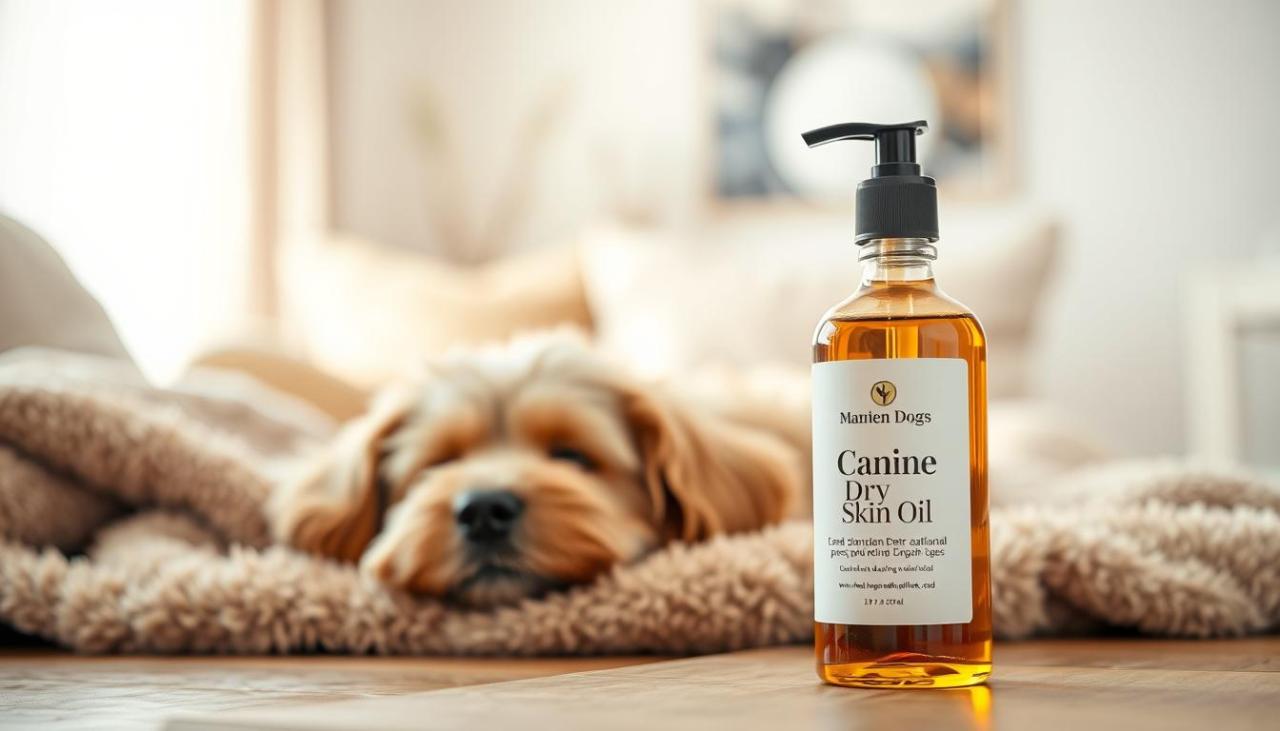
Did you know that nearly 40% of pets suffer from seasonal irritation caused by low humidity? In winter, indoor heating in places like New York dries the air, making pets itchy and uncomfortable.
We often notice our pets scratching more than usual when the weather turns cold. While dog hair oil for dry skin may help, flaking can stem from deeper issues. Allergies, poor nutrition, or harsh grooming products might cause persistent scratching.
Before you reach for a dog skin moisturizing oil, we recommend identifying the discomfort’s root cause. Taking the time to consult a veterinarian ensures that you address parasites or underlying health conditions effectively. Once medical concerns are ruled out, use topical treatments to restore comfort and shine to your pet’s coat.
Key Takeaways
- Seasonal changes and indoor heating are primary triggers for pet irritation.
- Always investigate potential causes like allergies or parasites before applying treatments.
- Proper nutrition plays a significant role in maintaining a healthy coat.
- Avoid harsh grooming products that may strip natural protective barriers.
- Consulting a professional helps ensure the safety of your chosen topical remedy.
Understanding Dry Skin in Dogs
Early signs of dry skin can help prevent lasting discomfort for your pet. Dogs may act differently when their skin barrier is damaged. A high-quality canine dry skin oil may restore moisture, but first find the cause.
Common Causes of Dry Skin
Many factors can irritate a dog’s skin. Seasonal changes, especially low winter humidity, can remove natural oils. Environmental allergies or food sensitivities can also cause ongoing dryness.
External factors include parasites, such as fleas or mites, which cause intense itching. Over-bathing or harsh, non-pH-balanced shampoos can damage the skin’s protective layer. A lack of essential fatty acids may reduce skin hydration, so canine dry skin oil may help.
Signs that Your Dog has Dry Skin
Recognizing physical symptoms helps you act quickly. During grooming, you may see flaky patches or dandruff-like scales on your dog’s coat. Scratching, biting, or licking may show serious discomfort.
Watch for these additional warning signs:
- Visible redness or inflammation on the skin surface.
- Patches of hair loss or thinning fur.
- Cracked skin that may appear raw or even bleed.
- An unusual or musty odor emanating from the coat.
Address these symptoms quickly if you notice them. Using canine dry skin oil may soothe minor irritation, but ongoing problems may need a professional evaluation. This can help rule out underlying medical conditions.
Benefits of Using Dog Hair Oil
Adding a natural dog hair oil to your pet’s care routine can improve their comfort. These topical products gently help restore balance when dogs have dull fur or flaky skin. They support the skin’s moisture barrier and help your furry friend keep a healthy, bright appearance.
Hydration and Moisture
The main purpose of a dog hair oil for dry skin is to lock in needed moisture. Low humidity and frequent bathing can make many dogs’ skin dry. Quality oil seals the hair shaft, hydrates skin below, and helps prevent uncomfortable flaking.
Choose products that absorb deeply without leaving a greasy layer. Good hydration keeps skin supple and elastic, which helps dogs stay happy and active. Regular use helps skin resist daily stress.
Nourishing the Coat
Beyond skin health, a dog skin moisturizing oil can improve your pet’s fur texture and shine. Fatty acids in these oils can help brittle or damaged hair fibers. These nutrients smooth the cuticle, making the coat much softer to touch.
Regular application can revive a dull coat and give it a healthy, natural glow. Well-nourished hair tangles and breaks less often. This makes grooming easier for you and your dog.
Reducing Itching and Irritation
A dog coat oil for dry skin can quickly ease mild itching caused by dryness. Its soothing properties calm skin and reduce scratching or biting at fur. Still, these oils support maintenance and comfort only.
They cannot replace veterinary care for parasites, severe allergies, or bacterial infections. If your dog seems very distressed, always consult your veterinarian to check for systemic health problems.
| Benefit Type | Primary Effect | Best For |
|---|---|---|
| Hydration | Locks in moisture | Flaky, dry skin |
| Nourishment | Improves coat shine | Brittle, dull fur |
| Soothing | Calms irritation | Mild itching |
| Protection | Strengthens barrier | Environmental stress |
Choosing the Right Dog Hair Oil
Choosing the best dog hair oil means checking its ingredients carefully. Marketing claims may promise miracles, but the ingredient list reveals a product’s true quality. Learning to assess these ingredients helps us choose safe, effective care for our pets.
Key Ingredients to Look For
For a high-quality product, choose natural carrier oils that give deep hydration. Coconut, jojoba, and sweet almond oils can soothe dry canine skin. They resemble a dog’s natural oils, which helps calm dryness.
For an organic dog hair oil, look for certifications that confirm ingredient purity. Vitamin E and aloe vera may provide extra relief for irritated patches. Together, these ingredients hold moisture and support a healthy, shiny coat.
Ingredients to Avoid
Not every product on the shelf is safe for dogs. Avoid formulas with artificial fragrances or synthetic dyes, which may trigger allergic reactions. Check labels for parabens and sulfates, which can remove the skin’s natural protective barrier.
Use essential oils for dog skin with extreme caution. Some oils may help, but many concentrated extracts are toxic to dogs when misused or used in high doses. Never use these potent ingredients without clear veterinary guidance.
How to Apply Dog Hair Oil
Learning to use topical treatments properly can improve your dog’s comfort. Adding dog hair oil for dry skin to your routine can offer relief without discomfort or mess. A careful method helps your pet gain the product’s benefits while keeping its coat neat.
Best Practices for Application
Read the product label before you begin, and follow the manufacturer’s instructions. Perform a patch test on a small, hidden area of your dog’s skin. After confirming the product is safe, follow these steps for effective results:
- Start with a minimal amount to avoid an overly greasy coat.
- Gently massage the dog skin moisturizing oil into affected areas, focusing on dry patches.
- Use a soft brush to spread the oil evenly through the fur and prevent buildup.
- Be very careful to avoid the eyes, nose, and mouth during application.
Frequency of Use
Consistency matters, but more is not always better for topical care. Using dog coat oil for dry skin too often can leave residue that attracts dirt and debris. Start with a light application once or twice a week, then monitor your dog’s skin.
If your pet’s coat feels sticky or looks dull, you may use too much product or apply it too often. Excessive bathing and constant oiling can disrupt the skin’s natural balance. If regular use of dog grooming oil for dry skin brings no improvement, consult a veterinarian about underlying health issues.
Homemade Dog Hair Oil Recipes
For DIY grooming, making your own natural dog hair oil is simple and effective. Basic, high-quality ingredients may help relieve dry, itchy skin. Start with small batches to see how your pet reacts.
Simple Coconut Oil Blend
Coconut oil is popular because it moisturizes. To prepare it, gently warm a small amount of organic, unrefined coconut oil until liquid. Be careful not to overheat it; it should feel comfortable before you apply it to your dog.
After the oil cools to a safe, lukewarm temperature, use your hands to spread a light layer through your dog’s coat. Focus on areas that look especially dry or flaky. This natural dog hair oil method locks in moisture and leaves fur soft and easy to manage.
Olive Oil and Essential Oils
Some owners add ingredients to homemade blends for extra benefits. Olive oil works as a safe carrier, but use great care with essential oils for dog skin. Many common oils can poison or badly irritate pets, even in small amounts.
We strongly advise against adding essential oils unless a veterinarian confirms the specific ingredient and dilution suit your dog. Your pet’s safety is our top priority, so simple, pure carrier oils are a better choice. Always consult a professional before trying potent botanical extracts.
Commercial Dog Hair Oil Brands
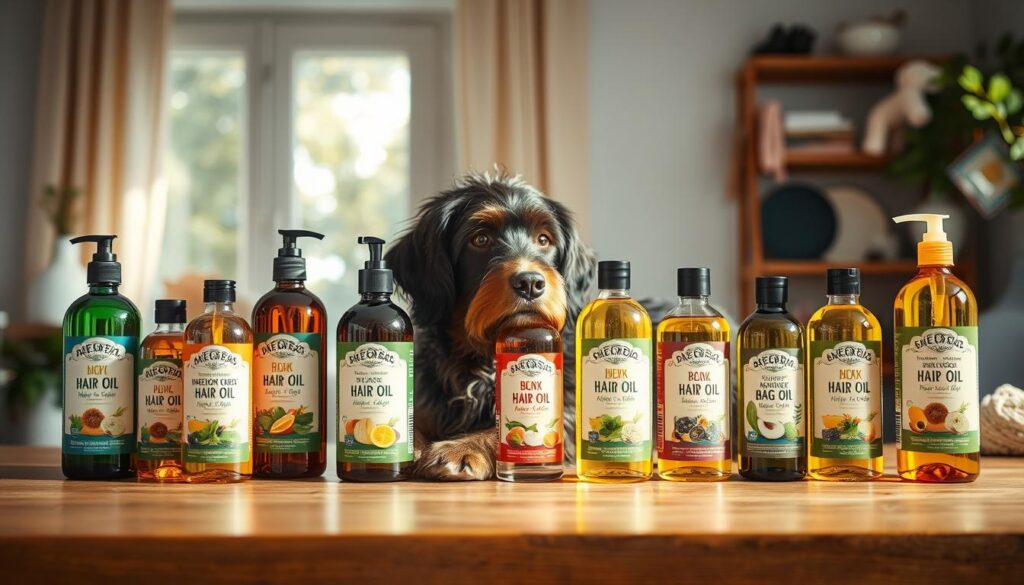
When seeking the best dog hair oil, look beyond flashy marketing claims. Popularity does not prove a product is safe or effective for your pet. Use a careful method to judge what you apply to your dog’s coat.
Popular and Trusted Brands
Several companies lead the pet grooming industry by using quality ingredients. Owners often mention brands like Burt’s Bees for Pets and Earthbath for their natural formulations. These companies often share clear sourcing and manufacturing details.
Even with trusted names, stay careful. A brand’s reputation helps, but it should not replace research into your dog’s needs. Check that the product is made as a canine dry skin oil before buying.
What to Look for in a Brand
When judging a product, put ingredient transparency first. A trustworthy brand lists every component clearly on its label. Avoid vague terms like “proprietary blend,” which may hide synthetic additives that irritate sensitive skin.
Many shoppers choose organic dog hair oil, believing it is always safer. Organic ingredients can be high-quality, but they are not safe for every animal. Some dogs may react to natural botanical extracts, so perform a patch test first.
| Feature | What to Seek | What to Avoid |
|---|---|---|
| Ingredient List | Clear, recognizable items | Hidden synthetic fragrances |
| Testing | Canine-specific safety trials | Lack of transparency |
| Labeling | Detailed usage directions | Vague, unverified claims |
| Support | Accessible customer service | No contact information |
Finally, consider the manufacturer’s customer support. A company behind its canine dry skin oil will answer questions about sourcing. For organic dog hair oil, confirm that its certification is legitimate and fits your pet’s health profile.
Additional Tips for Maintaining Healthy Skin
Topical care helps, but healthy skin also depends on daily habits and care from within. Pairing a high-quality dog grooming oil for dry skin with a full wellness routine supports your furry companion.
Proper Nutrition for Your Dog
A balanced diet builds a strong coat and healthy skin. Choose foods rich in omega-3 and omega-6 fatty acids, which reduce inflammation and support the skin’s natural barrier.
Make sure your dog can drink fresh, clean water all day to stay hydrated. Good hydration helps prevent brittle or flaky skin, even during dry winter months.
“The quality of a dog’s coat is a direct reflection of the nutrients they receive in their daily bowl.”
Regular Grooming and Bathing
Regular brushing spreads natural oils across the entire coat. It also removes mats that trap moisture and limit airflow near the skin, often causing irritation.
When bathing your pet, use a gentle, pH-balanced dog shampoo to protect essential moisture. Afterward, dry your dog well with a towel to prevent dampness in the undercoat.
We also suggest adding these habits to your routine:
- Monitor for external parasites that cause scratching and skin damage.
- Use a humidifier in your home during winter to combat dry indoor air.
- Apply your preferred dog grooming oil for dry skin immediately after brushing to lock in hydration.
When to Consult a Veterinarian
Even with excellent care, some dog skin conditions need a professional diagnosis. While applying canine dry skin oil can soothe minor irritation, it cannot cure every skin problem. Monitor your pet closely, because simple dryness may hide a more serious health concern.
Persistent Dry Skin Issues
If your dog’s skin does not improve with consistent care, schedule a veterinary appointment. Persistent symptoms that do not resolve may signal a problem deeper than surface dehydration. Seek help for open sores, bleeding, or signs of a secondary infection.
Also, watch for behavior changes, such as lethargy or a sudden loss of appetite. Foul skin odor and severe, patchy hair loss are also red flags. These signs show that your canine dry skin oil routine is not enough; your dog needs medical care.
Identifying Underlying Conditions
Many internal health problems appear through the skin. Conditions such as hypothyroidism, autoimmune diseases, or hormonal imbalances often need targeted medication, not topical treatments. Using only home remedies for a systemic issue can delay needed recovery.
Parasites, fungal infections, and severe allergies also need professional testing. A veterinarian can use skin scrapings or blood work to find the irritation’s root cause. Working with a professional ensures your dog receives the correct treatment plan for its specific needs.
DIY vs. Store-Bought Dog Hair Oil
Choosing the right coat care means comparing homemade and commercial options. Every pet owner wants the best for their furry friend, but healthy skin care can feel confusing. Kitchen-made blends offer control, while professional products provide reliability; each has a distinct role in your routine.
Pros and Cons of Each Option
Making a dog coat oil for dry skin at home gives you complete control over its ingredients. You can avoid harsh chemicals or synthetic fragrances that may trigger sensitivities. Yet DIY mixtures can be risky, since poor dilution may cause greasy fur or skin irritation when essential oils are too concentrated.
Commercial products offer the benefit of expert formulation and stability testing. A high-quality dog grooming oil for dry skin usually absorbs quickly without leaving heavy residue. However, some store-bought options may contain hidden additives or preservatives that do not suit every dog.
“Safety should always be the priority when applying any topical treatment to your pet, as even natural ingredients can cause reactions if used incorrectly.”
Cost Analysis
DIY solutions often cost less at first because your pantry may already hold coconut or olive oil. Still, factor in research time for safe ratios and possible treatment costs if a mixture causes an allergic reaction. Professional products may cost more, but concentrated, effective formulas often make them last longer.
| Feature | DIY Solutions | Store-Bought |
|---|---|---|
| Ingredient Control | High | Low to Moderate |
| Safety Testing | None | Rigorous |
| Initial Expense | Low | Moderate to High |
| Convenience | Low | High |
Customer Reviews and Testimonials
When seeking the best dog hair oil, read owner feedback as part of your research. Other owners’ experiences can show how a product may work for your pet. Still, every dog has a unique coat and skin type.
Real Experiences with Dog Hair Oil
Many pet parents share their journeys online and explain how products changed their grooming routines. When reviewing these stories, look for consistent details about these factors:
- Ease of application: Does the product absorb quickly or leave a greasy residue?
- Scent profile: Is the fragrance pleasant or overwhelming for sensitive canine noses?
- Coat texture: Do users report a noticeable shine or softness after consistent use?
Explore various real-world results to see how dogs respond to high-quality care. These accounts often provide practical tips beyond label instructions.
What Pet Owners Are Saying
Positive feedback about a dog skin moisturizing oil can encourage interest, but testimonials are anecdotal, not medical evidence. A product that works well for one breed may not work the same way for another. If your pet still shows discomfort, seek professional guidance.
“Reading reviews helped me understand what to expect, but I always kept my veterinarian in the loop regarding my dog’s persistent dry skin.”
Use reviews to judge product practicality and user satisfaction. Combining community knowledge with veterinary advice can help maintain your dog’s skin health. Always place your pet’s comfort above trends or marketing claims.
Conclusion: Keeping Your Dog Comfortable
Managing your pet’s skin health takes a holistic approach beyond simple topical treatments. Using dog hair oil for dry skin provides quick relief, but true wellness also depends on proper nutrition, regular grooming, and a stress-free environment.
Integrating Holistic Care
Internal support is just as important as external hydration. High-quality fatty acids and essential micronutrients help build a strong skin barrier from within. Together with gentle brushing and suitable bathing, these steps support a healthy, shiny coat.
Monitoring for Long-Term Health
We must watch our pets’ daily habits and physical condition closely. If your chosen canine dry skin oil does not stop ongoing flaking or itching, seek professional veterinary guidance. Ruling out hidden allergies or parasites helps your companion receive the specific care needed to thrive.
Consistency is the most effective tool in our grooming kit. Staying proactive with skin care and behavior checks helps your dog stay happy and comfortable every season.