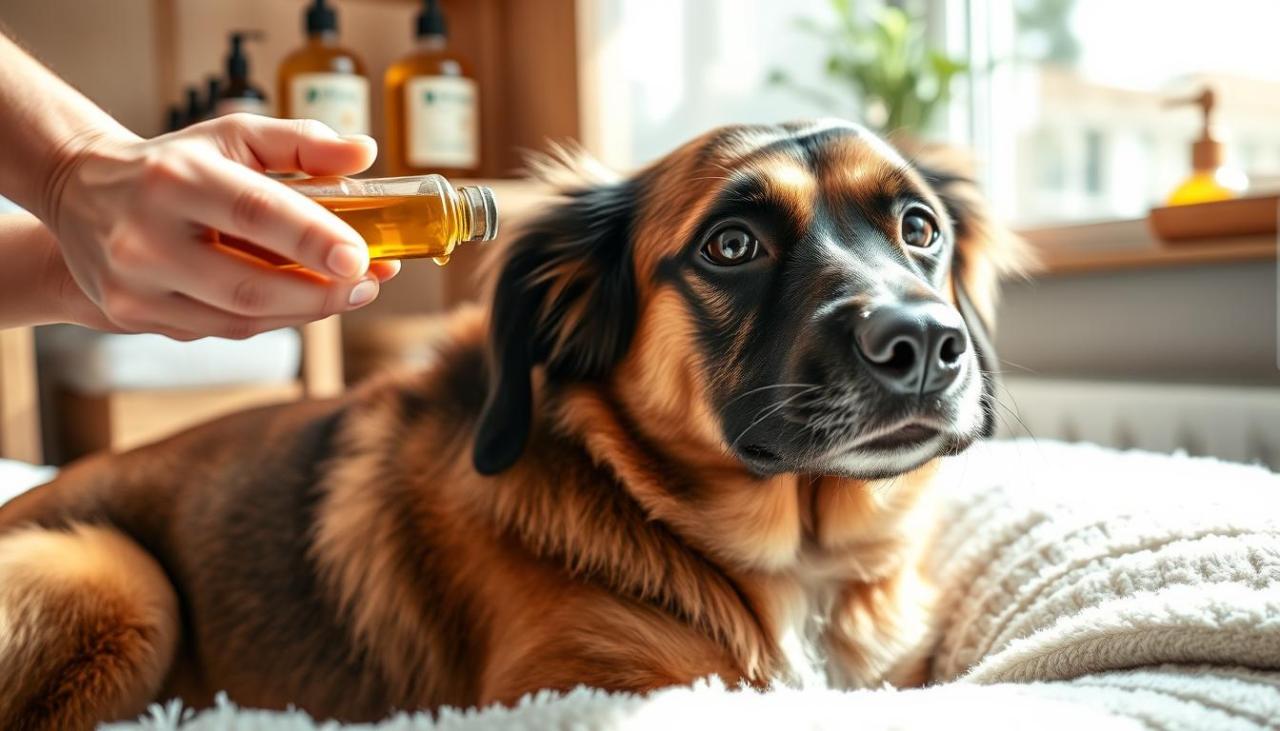
Nearly 40% of pets suffer from seasonal coat irritation. When winter temperatures fall, indoor heating dries the air. This can leave your furry companion with persistent flaking and intense itching.
We understand how hard it is to watch your best friend face constant discomfort. A high-quality dog oil for dry skin may provide the relief they need. This natural approach restores essential moisture to the coat and calms irritated areas.
This guide explains how to choose the right ingredients for dog oil for dry skin and apply it safely. It also covers proper storage and essential veterinary advice. These steps can help keep your pet happy and healthy during colder months.
Key Takeaways
- Winter heating often causes significant moisture loss in canine coats.
- Topical treatments offer immediate relief from seasonal itching and flaking.
- Selecting natural ingredients ensures safety during regular grooming routines.
- Proper application techniques maximize the effectiveness of your chosen product.
- Always consult a veterinarian before starting new wellness regimens.
Understanding Dog Skin Issues
Your dog’s skin is a key protective barrier, but environmental and internal stressors can harm it. Prioritizing canine skin care helps protect this barrier and keep your pet comfortable throughout the year.
Common Causes of Dry Skin in Dogs
Seasonal changes often cause dry skin, especially in winter, when indoor heating removes moisture from the air. Low humidity can quickly dry your dog’s epidermis and cause discomfort.
Nutrition also plays a major role in skin health. Without essential fatty acids, your dog’s skin may lose its natural shine and softness. Environmental allergies or medical conditions can also cause lasting dryness that needs closer attention.
Signs Your Dog Might Need Moisturizing
Spotting early signs of skin trouble supports effective canine skin care. Watch your pet for these common symptoms:
- Visible white flakes or dander on the coat.
- Noticeable redness or inflammation in specific areas.
- Repeated scratching, biting, or licking of the skin.
- A dull, brittle, or coarse coat texture.
These signs may mean your dog lacks skin moisture. Early action can help prevent more serious problems.
The Importance of Regular Skin Care
Regular grooming and observation matter because damaged skin can let harmful bacteria enter. A weakened skin barrier raises your dog’s risk of secondary infections.
Make skin checks part of your routine. If symptoms continue despite home care, seek a professional assessment. Proper canine skin care supports more than appearance; it is vital to your dog’s long-term health and happiness.
Benefits of Using Dog Oil
We often overlook natural oils when treating common skin problems in dogs. These natural remedies for dog dry skin offer a gentle way to support the skin barrier without harsh chemicals. Adding oils to grooming can help pets feel more comfortable in their fur.
Hydration and Moisture Retention
Topical oils mainly improve dog skin hydration by sealing in needed moisture. Many dogs suffer from transepidermal water loss, leaving skin tight and flaky. Oils form a protective layer that keeps moisture from escaping into the air.
These oils mimic sebum, the natural oil made by a dog’s skin. They can restore the lipid barrier weakened by dry indoor air or frequent bathing. Regular use helps skin stay soft and strong against environmental stress.
Soothing Itchy and Irritated Skin
Itching is a common sign of discomfort and may cause secondary infections. Natural oils often contain fatty acids that calm skin inflammation. Less scratching gives skin time to heal and prevents damage from biting or licking.
Oils may provide relief, but they do not replace a professional diagnosis. Consult your veterinarian immediately if your dog has severe redness, open sores, or a persistent odor. These signs may point to an underlying allergy or infection needing medical treatment beyond topical care.
Improving Overall Coat Health
Coat condition reflects both internal and external health. Regular use of high-quality oils can increase shine and softness. Better dog skin hydration may also reduce shedding by strengthening hair follicles at the root.
This table shows how natural oils may benefit different parts of skin and coat health:
| Benefit Category | Primary Action | Expected Outcome |
|---|---|---|
| Moisture Balance | Occlusive barrier | Reduced flaking |
| Itch Relief | Anti-inflammatory | Less scratching |
| Coat Texture | Nutrient delivery | Increased shine |
| Skin Barrier | Lipid replenishment | Improved elasticity |
By choosing natural remedies for dog dry skin, we take a whole-body approach to wellness. Monitor your dogs for adverse reactions when introducing new products. With patience and proper care, we can help them keep a healthy, vibrant coat year-round.
Types of Oils for Dogs
Knowing the differences between carrier, dietary, and essential oils for dog skin helps support a healthier coat. Natural products may soothe pets, but owners must understand how oils affect a dog’s body and safety.
Natural Oils vs. Synthetic Oils
When choosing an oil for dogs dry skin, focus on purity. Natural oils usually come from plants or fish and contain fatty acids that support the skin barrier.
Synthetic oils may contain artificial fragrances or preservatives that irritate skin. Always read labels carefully to avoid harsh chemicals that could harm your pet.
Popular Oils for Dog Skin Care
Many pet owners use specific oils in their dog’s routine. Each oil has a different purpose and may go on skin or into meals:
- Coconut Oil: Known for its moisturizing properties, it is excellent for dry patches.
- Salmon Oil: Rich in Omega-3 fatty acids, it helps reduce inflammation from the inside out.
- Olive Oil: A gentle moisturizer that can be used in small amounts for mild dryness.
- Vitamin E Oil: Often used to support skin healing and elasticity.
- Flaxseed Oil: A plant-based source of essential fatty acids that promotes a shiny coat.
These options are usually safe, but use extreme caution with essential oils for dog skin. Many concentrated plant extracts are toxic to pets and can cause severe reactions when used incorrectly.
Always consult your veterinarian before introducing any new concentrated oil to your dog’s regimen to ensure it is appropriate for their specific health needs.
Using high-quality, pet-safe ingredients can help manage skin issues. One dog’s solution may not suit another, so watch for signs of sensitivity.
How to Choose the Right Dog Oil
Choosing the best moisturizing oils for dogs is a major decision for every pet owner. Many products have different claims and labels, which can feel overwhelming. A careful process helps you find a safe, effective choice for your dog.
Consider Your Dog’s Specific Needs
Every dog has a unique coat and skin profile. Before buying, consider your pet’s breed, age, and activity level. For example, a senior dog with thinning fur may need a different formula than a young, active puppy with thick hair.
Think about how severe your dog’s dryness seems. A dog with chronic irritation or seasonal flaking may need a stronger treatment. Choose products that fit your dog’s lifestyle and exposure to the environment.
Review Ingredients Carefully
Clear labels matter when shopping for moisturizing oils for dogs. Choose simple, familiar ingredients without harsh chemicals or artificial fragrances. Natural, plant-based oils are often safest for sensitive skin.
Avoid products that make unclear health claims or hide their active ingredients. A quality oil should name its source and explain safe use. Certifications or third-party testing may also provide peace of mind.
| Oil Type | Best For | Key Benefit |
|---|---|---|
| Coconut Oil | General Dryness | Deep Hydration |
| Salmon Oil | Coat Shine | Omega-3 Fatty Acids |
| Argan Oil | Sensitive Skin | Gentle Soothing |
Consult Your Veterinarian
Speak with your veterinarian before starting any supplement or topical treatment. This matters most if your dog has allergies, takes medication, or has an underlying illness. A professional can tell you whether moisturizing oils for dogs are right for your pet.
Your vet can explain the right dosage and application schedule. They may find that diet or environmental factors cause the skin problem, rather than low moisture. Open communication with your medical team helps keep your dog healthy and comfortable.
Application Methods for Dog Oil
Whether applied to skin or added to meals, moisturizing oils for dogs can support your pet’s skin health. Use the right method to help your dog gain benefits without discomfort or digestive problems.
Topical Application Techniques
When applying oil to skin, start with a patch test on a small, hidden area. This check can reveal allergic reactions before you treat more of the coat.
Keep oil away from the eyes, ears, and broken or irritated skin. Gently massage it into the skin so it reaches the base of the hair follicles, where hydration matters most.
“Supervision is key during the first few applications to ensure your dog does not lick the product off, which could lead to an upset stomach.”
Mixing Oil with Dog Food
Adding moisturizing oils for dogs to daily food can support skin health from within. Start with a tiny amount so your dog’s digestion can adjust.
- Begin with a quarter of the recommended dose.
- Gradually increase the amount over two weeks.
- Monitor your dog’s stool for any signs of digestive sensitivity.
Each dog has a different metabolism, so follow the manufacturer’s serving directions. If appetite or digestion changes, lower the dosage at once.
Frequency of Application
Consistency matters, but too much oil can cause greasy fur or blocked pores. Choose a cautious schedule based on your dog’s needs and dry-skin severity.
For most pets, apply topical treatments once or twice weekly to maintain a healthy moisture balance. When added to food, oils are often given daily if your veterinarian approves. Keep a progress log to learn what works best for your companion.
Best Brands of Dog Oil for Dry Skin
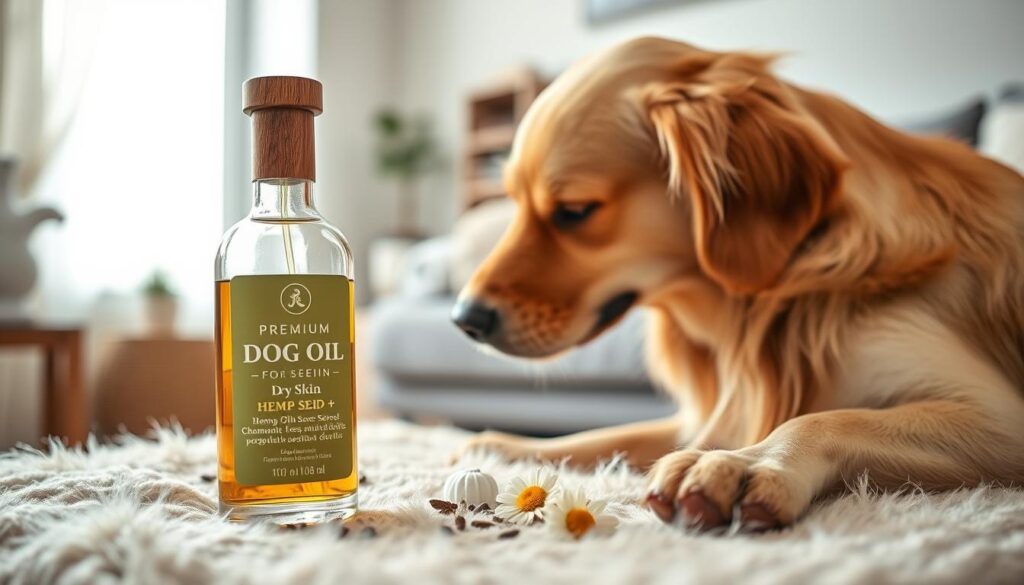
Finding the best dog oil for dry skin requires care and attention to quality and safety. We believe true value comes from product purity, not brand popularity. Learn more about our commitment to quality on our about us page.
Overview of Popular Brands
Several companies lead the pet wellness market with products for coat health. Brands like Zesty Paws and Nordic Naturals are often praised for high-quality sourcing. These manufacturers often use cold-pressed extraction to preserve essential nutrients.
Comparison of Ingredients
We compare ingredient lists carefully to check for harmful fillers. A high-quality dog oil for dry skin should contain pure omega-3 fatty acids, without artificial preservatives or synthetic fragrances. Some brands add vitamin E as a natural stabilizer, which can provide extra benefits for the skin barrier.
| Brand Name | Primary Source | Key Additives | Best For |
|---|---|---|---|
| Zesty Paws | Wild Alaskan Salmon | Vitamin E | Coat Shine |
| Nordic Naturals | Anchovy/Sardine | None | Sensitive Skin |
| PetHonesty | Pollock Oil | Omega-3/6/9 | Itch Relief |
Customer Reviews and Ratings
Customer feedback can show usability and tolerance, but it cannot replace professional veterinary advice. Many owners report better comfort after consistent use of quality dog oil for dry skin. However, results vary, and some dogs may need another formula for allergies or dietary needs.
Watch your pet closely when adding a new supplement to its routine. If you notice an adverse reaction, stop use at once and contact your local veterinarian. An informed choice helps ensure your pet receives the best care for its unique skin needs.
Homemade Dog Oil Recipes
We often seek gentle, DIY care when our dogs have itchy or flaky skin. Many commercial products exist, but some owners prefer natural remedies for dog dry skin made in their kitchens. Safety and simplicity should guide every mixture.
Simple Coconut Oil Mixture
Use high-quality, unrefined, organic coconut oil for the simplest option. It can moisturize skin and is generally safe for dogs when used in moderation.
Take a small amount of solid coconut oil. Warm it between your palms until it becomes liquid. Gently massage it into your dog’s dry patches, reaching the skin beneath the fur. Consistency is key, but start with a very small amount to check your pet’s reaction.
Infused Herbal Oils for Dogs
Some owners infuse carrier oils, such as sweet almond or olive oil, with calendula or chamomile. These herbs may soothe irritated areas and offer extra relief.
Slowly heat the herbs in oil at a low temperature for several hours. After it cools, strain the mixture thoroughly to remove all plant matter. Always verify that the herbs used are non-toxic to dogs first; some garden plants can harm dogs when eaten.
Precautions When Making Your Own
When preparing natural remedies for dog dry skin, use extreme caution. Never use concentrated essential oils, synthetic fragrances, or ingredients that may irritate sensitive tissue.
Never apply homemade preparations to open, infected, or severely inflamed skin. Increased redness or swelling may signal an allergic reaction; wash the area and consult your veterinarian immediately. Your dog’s safety is the top priority when using home-based care.
Storing Dog Oil Effectively
Effective canine skin care depends on how you manage supplies at home. Proper storage keeps oils active and safe for your pet. A controlled environment prevents early damage and protects each drop.
Ideal Storage Conditions
Most natural oils react to heat, light, and humidity. Keep bottles in a cool, dark place, such as a pantry or cupboard away from sunlight. Heat can make oil rancid, reducing its value for your dog’s skin.
Moisture can shorten a product’s life. Keep the storage area dry to prevent mold or bacteria from growing inside the container. A stable climate helps protect the ingredients.
Shelf Life of Dog Oils
Always check the manufacturer’s label for an expiration date, the best guide for commercial products. After opening, many oils oxidize, so use them within the timeframe listed on the packaging.
Homemade mixtures often expire sooner because they lack commercial preservatives. Prepare small batches to keep them fresh. Discard the mixture if its color, texture, or smell changes, or it develops a sour smell.
Tips for Keeping Products Fresh
Maintaining canine skin care standards requires good hygiene. Wipe the bottle rim clean after each use to prevent residue buildup. Screw the lid on tightly to limit air exposure, a main cause of spoilage.
Use separate application tools, such as clean droppers or cotton pads, instead of dipping fingers into the bottle. This step prevents bacteria from entering your supplies. These habits keep products effective much longer.
| Storage Factor | Recommended Action | Why It Matters |
|---|---|---|
| Temperature | Keep below 75°F | Prevents rancidity |
| Light Exposure | Store in dark cabinets | Protects chemical structure |
| Container Seal | Tighten lids firmly | Reduces oxidation |
| Hygiene | Use clean applicators | Prevents contamination |
Complementing Dog Oil with Other Treatments
True skin health for your dog depends on balanced nutrition, a healthy home, and good grooming. Topical oils can bring quick relief, but they work best within a wider wellness plan. Strong dog skin hydration starts with your pet’s daily care.
Dog Shampoos for Dry Skin
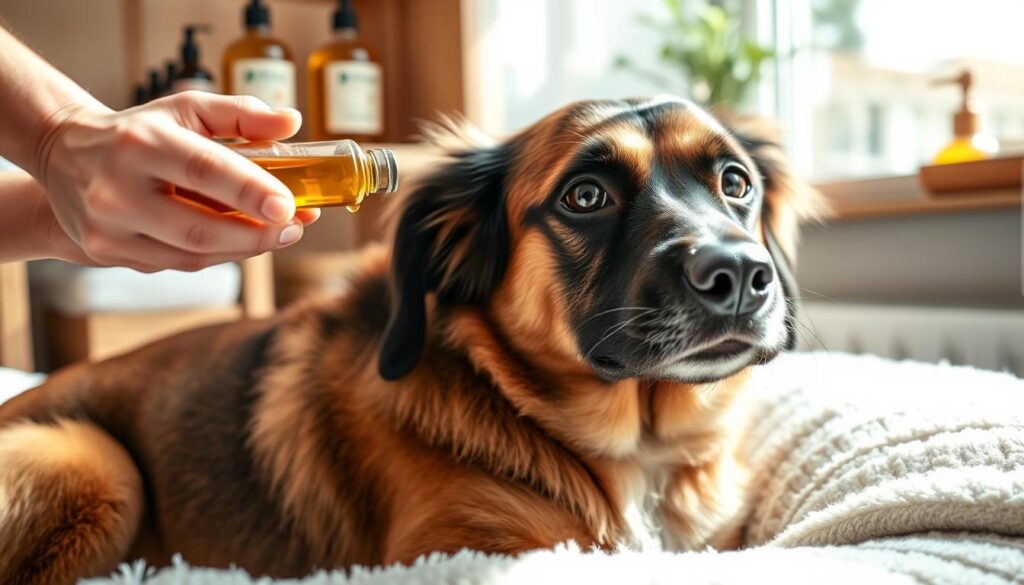
The right cleanser helps protect your pet’s moisture barrier. Many standard shampoos have harsh chemicals that remove natural oils and worsen dryness. Choose gentle, soap-free formulas made for sensitive skin.
Do not bathe your dog too often. Frequent washing can upset the skin’s natural balance, even with high-quality products. Limit baths to once a month unless your veterinarian says otherwise.
Dietary Considerations and Supplements
Internal health also supports dog skin hydration. Foods with essential fatty acids, including Omega-3 and Omega-6, nourish skin from within. Ask your vet before adding fish oil or flaxseed supplements to your dog’s meals.
Give your dog plenty of fresh, clean water throughout the day. Dehydration often appears as dry, flaky skin. For ongoing problems, ask an animal care professional about diet changes or specialized skin-support diets.
Environment Adjustments for Skin Health
Your home affects how your pet feels. In winter, indoor heating can dry the air and make your dog uncomfortable. A humidifier in your pet’s favorite rooms can improve dog skin hydration.
Keep your dog’s bedding clean and free of allergens that may cause irritation. Vacuum carpets and wash fabric covers often to reduce environmental triggers. Small home changes can greatly improve your dog’s comfort.
| Treatment Type | Primary Benefit | Frequency |
|---|---|---|
| Moisturizing Shampoo | Cleanses without stripping oils | Monthly |
| Omega Supplements | Supports skin barrier health | Daily |
| Humidifier Use | Prevents air-induced dryness | As needed |
| Fresh Water Access | Maintains systemic hydration | Constant |
Signs of Improvement After Using Dog Oil
Once you begin treating dry skin in dogs, monitoring progress becomes vital during recovery. Some natural ingredients provide quick relief, but others need steady use for days or weeks. Keep a simple log to track your pet’s progress toward healthier skin.
Observing Changes in Your Dog’s Coat
The texture of your dog’s fur often shows improvement first. Look for fewer white flakes or less dander near the hair follicle bases. Over time, the coat should feel softer and regain a healthy, natural shine.
Behavioral Changes to Watch For
A comfortable dog is often a happier companion. You may see less scratching, biting, or licking in certain body areas. As irritation fades, your pet may seem more relaxed and less restless during quiet hours at home.
When to Seek Further Help
While treating dry skin in dogs at home often works, watch for signs of worsening. If you see increased redness, open sores, hair loss, or unusual discharge, stop your routine immediately. These symptoms often indicate an underlying infection or allergic reaction requiring professional veterinary care.
| Observation Period | Expected Skin Improvement | Behavioral Indicator |
|---|---|---|
| Days 1-3 | Slight reduction in flaking | Occasional scratching |
| Days 4-10 | Noticeable coat softness | Reduced nighttime restlessness |
| Weeks 2+ | Healthy, hydrated skin | Calm and comfortable demeanor |
Always put your pet’s comfort first. If your efforts at treating dry skin in dogs do not yield positive results within two weeks, consult your veterinarian. Your veterinarian can rule out deeper health issues.
Common Mistakes to Avoid
Pet owners can make simple mistakes when they apply topical treatments. We want to soothe our pets, but wrong use can cause discomfort or skin irritation. Learning these common mistakes helps keep your dog safe and happy.
Overusing Oils on Your Dog
More product does not mean faster healing. Too much oil can make your dog’s coat greasy and attract dirt or debris. Excess oil may clog pores, causing breakouts or secondary infections.
Start with a small amount, then watch your dog’s skin. Moderation is key to keeping the skin balanced. If the coat looks oily after a few hours, you used too much.
Ignoring Allergic Reactions
Many owners think natural ingredients are always safe. Yet natural products like essential oils for dog skin can cause sensitivities or allergic reactions in some pets. Always patch-test a small, hidden area before applying a new product widely.
“The safety of your pet should always be the primary consideration when introducing any new topical treatment to their routine.”
Watch for redness, swelling, or excessive scratching after application. If you see these signs, gently wash the area with mild soap and water. Stop using the product if irritation continues or worsens.
Not Following Veterinary Advice
We often seek online advice when our dogs feel uncomfortable, but veterinary guidance remains essential. Ignoring your veterinarian’s instructions or skipping a check-up can delay treatment for hidden conditions. Some skin problems need medical care that simple oils cannot provide.
If you are considering using essential oils for dog skin, ask your vet first about safety for your breed. Your vet can reveal deeper health issues that need more than a topical fix. Always choose expert medical advice over online anecdotes.
Final Thoughts on Dog Oil for Dry Skin
Your care for your pet’s health can improve daily comfort. A steady routine can help your dog keep a healthy, shiny coat.
Summary of Holistic Care
Treating dry skin in dogs works best with quality oils, good nutrition, and a stable environment. Olive or coconut oil from brands such as Viva Naturals may help when used correctly. Gentle grooming and colloidal oatmeal baths help protect your pet’s natural moisture barrier.
Taking Action for Skin Health
Watch your dog closely when you start a new treatment. Look for positive changes in behavior and coat texture. If irritation continues, stop using the product and contact your veterinarian for professional guidance.
Next Steps for Owners
Evaluate your dog’s diet and grooming supplies today. Small changes can bring major benefits when treating dry skin in dogs. Keep a simple log of products to learn what works best for your furry companion.