Nearly 40% of pet owners say their canine companions struggle with seasonal dryness or dull fur. A vibrant appearance shows more than beauty; it can reflect your pet’s internal wellness. Good nutrition and regular grooming build a healthy, strong outer coat.
A high-quality dog hair oil for shiny coat can help many families. Use these supplements with bathing once or twice monthly and brushing every few days. Responsible supplementation supports these habits and nourishes the skin from the inside out.
This guide explains how to choose products and use them well. It offers practical, actionable steps to check your pet’s progress and support long-term vitality.
Key Takeaways
- A healthy appearance starts with balanced nutrition and consistent grooming habits.
- Topical and internal supplements support skin moisture and overall texture.
- Regular brushing every three to four days helps distribute natural oils.
- Bathing should be limited to once or twice monthly to prevent skin dryness.
- Always monitor your pet for changes in shedding or scratching when starting new supplements.
What is Dog Hair Oil?
When grooming, you may see the term dog hair oil without knowing what it does. These products support your pet’s fur health and appearance. A natural dog hair oil may soothe dry skin, while a supplement may boost coat luster.
Definition and Purpose
We divide these oils into two groups: topical products and dietary supplements. Topical oils add moisture and condition skin and fur at once. Dietary oils mix with food to support coat quality from inside.
Both methods support the skin barrier and provide essential nutrients. These products should complement a balanced diet and professional veterinary care. Visit our guide on dog hair oil to compare which option suits your pet.
Common Ingredients
Many effective formulas use high-quality, natural dog hair oil sources to deliver results. Their fatty-acid profiles help nourish the skin and hair follicles. Here are common oils used in the industry:
| Oil Type | Primary Benefit | Application Method |
|---|---|---|
| Coconut Oil | Deep hydration | Topical/Dietary |
| Fish Oil | Omega-3 support | Dietary |
| Flaxseed Oil | Skin barrier health | Dietary |
| Olive Oil | Coat shine | Topical |
The best ingredient depends on your dog’s needs, including dry skin or dull fur. Always ask your veterinarian before adding supplements to your dog’s routine. This helps ensure safety and efficacy.
Benefits of Dog Hair Oil for Shiny Coats
Adding a specialized shiny coat dog oil does more than improve your pet’s appearance. These supplements provide essential fatty acids that nourish your pet from within. They support moisture levels, the skin’s natural barrier, and each hair strand.
Enhances Shine and Luster
Many owners choose a shiny coat dog oil to make their pet’s fur look better. Fish oils contain EPA and DHA, which can restore a natural glow to dull or brittle hair. With proper hydration, hair follicles help create a softer, more reflective coat.
Reduces Shedding
A high-quality oil can help manage excessive shedding, but realistic expectations matter. It cannot stop normal seasonal hair loss, a natural biological process. Stronger hair shafts and healthier skin may mean fewer loose hairs around your home.
Promotes Healthy Skin
These oils also soothe irritated or dry skin. Omega-3 fatty acids can calm redness and reduce itching, which often causes scratching and hair damage. A healthy, hydrated scalp supports a strong, vibrant coat.
| Timeline | Expected Observation | Focus Area |
|---|---|---|
| Weeks 1-2 | Initial absorption | Internal health |
| Weeks 3-4 | Texture improvement | Softness |
| Weeks 5-8 | Visible shine | Luster |
Consistency matters most when using a shiny coat dog oil. A regular schedule lets nutrients build up and support your dog’s lasting overall well-being.
How to Choose the Right Dog Hair Oil
Choosing the right supplement helps maintain your dog’s health and appearance. Every dog has unique needs, so no single product suits all animals. Before choosing the best dog hair oil, assess your dog’s age, diet, and health history.
Consider Your Dog’s Coat Type
Different breeds have coat textures that respond differently to fatty acids. Thick, double coats may need oils that support the skin barrier, while fine or silky hair may need lighter formulas. Check your dog’s skin condition before adding a new supplement.
If you are unsure, read our 9 dog coat oils for all dog breeds: a comprehensive guide for options matched to specific needs. Consider medical conditions, medications, and total dietary fat intake before choosing a supplement.
Check for Natural Ingredients
When shopping for the best dog hair oil, ingredient quality matters most. Common options include fish, coconut, flaxseed, and olive oils, each with unique benefits. Fish oil is popular because it contains high levels of EPA and DHA, which support skin health.
Check the product label for high-quality, pure ingredients. Look for these signs of a superior product:
- Third-party testing for contaminants like heavy metals or mercury.
- Clear labeling of active nutrient concentrations, especially EPA and DHA.
- Absence of unnecessary fillers or artificial preservatives.
Choose transparent products with pure ingredients to find the best dog hair oil for a bright, healthy coat. Always ask your veterinarian before starting supplements, so the product fits your dog’s overall health needs.
How to Apply Dog Hair Oil Effectively
Learning to apply a dog coat conditioner can improve your pet’s grooming routine. Many owners struggle with greasy fur, but the right method helps prevent this problem. Follow these simple steps to give your dog a healthy shine without a mess.
Step-by-Step Application Guide
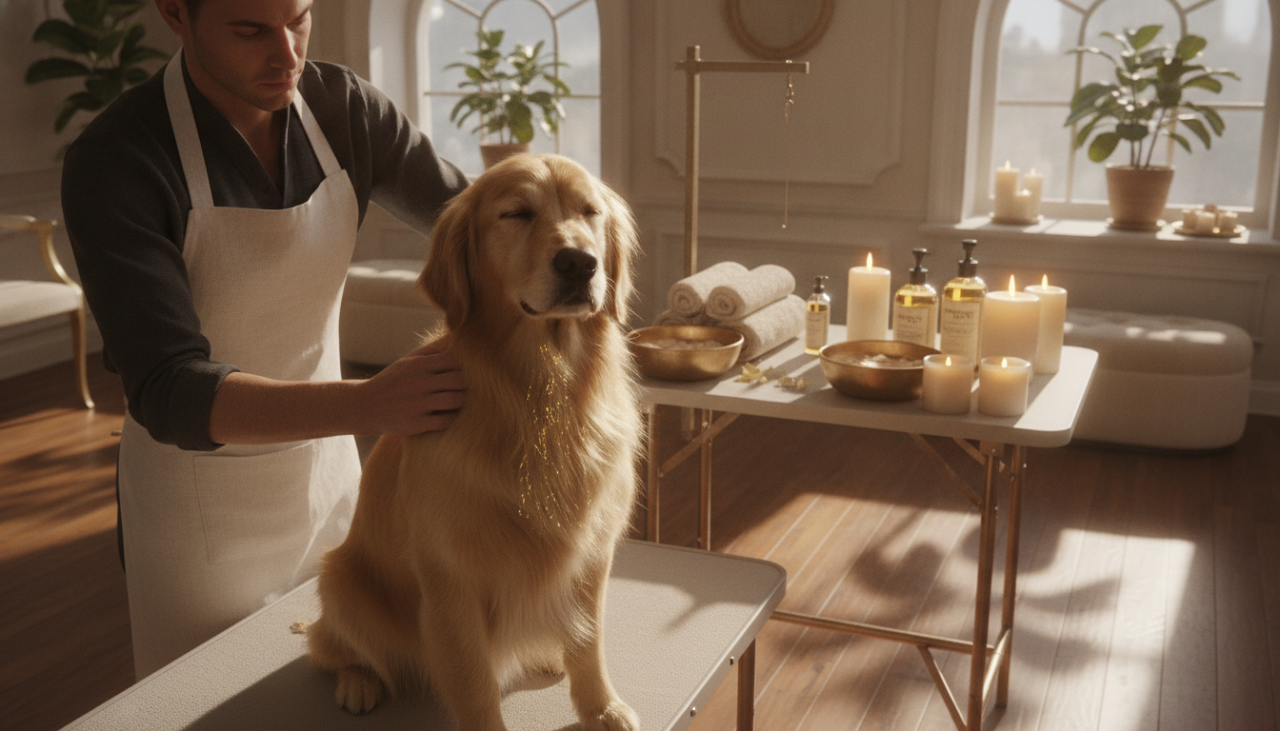
Start by warming a small amount of oil between your palms so it spreads evenly. Gently separate your dog’s coat into sections to reach the skin directly. Massage the product into the skin with your fingertips, focusing on dry or flaky areas.
Allow the topical oil to absorb for at least 30 minutes before you consider bathing your pet. This waiting period lets nutrients penetrate the hair follicles effectively. Use small amounts to keep the fur light and prevent dirt from sticking.
Frequency of Use
Separate occasional topical conditioning from daily internal supplementation. Introduce each new product gradually and watch your dog’s skin reaction. A high-quality dog coat conditioner once or twice a week is usually sufficient for most breeds.
| Application Type | Frequency | Primary Benefit |
|---|---|---|
| Topical Oil | Weekly | Surface Shine |
| Internal Supplement | Daily | Skin Health |
| Deep Conditioning | Monthly | Deep Hydration |
Consistency is vital for maintaining a vibrant and healthy coat. If you notice irritation, stop immediately and consult your veterinarian. Proper care keeps your companion comfortable and looking their best year-round.
DIY Dog Hair Oil Recipes
Making your own dog hair oil lets you control what touches your pet’s skin. Store-bought options exist, but a home blend can be rewarding. Always test a small skin patch first, checking for adverse reactions before wider use.
Coconut Oil and Olive Oil Mix
You can make a basic conditioning treatment with pantry staples. Coconut oil moisturizes, while olive oil adds shine to fur. An organic dog hair oil base helps avoid harsh chemicals on your pet’s coat.
Use the following ratio to create this simple mixture:
- One tablespoon of virgin coconut oil.
- One teaspoon of extra virgin olive oil.
Warm the coconut oil until liquid, then stir in the olive oil. Massage a very small amount into your dog’s fur, focusing on dry areas. Remember that more is not always better; too much oil can feel greasy and uncomfortable.
Essential Oil Infusion
Many people add scents to homemade blends, but extreme caution is needed. Concentrated essential oils can be highly toxic to dogs and may cause severe respiratory or skin issues. If you use additives, choose products labeled safe for canine use and dilute them heavily.
Always consult with your veterinarian before applying any homemade concoction to your dog, especially if your pet has a history of allergies, pancreatitis, or is currently taking medication.
Your veterinarian can tell you whether an organic dog hair oil suits your specific breed. Safety and moderation can help maintain your dog’s coat health. Watch your pet after each new grooming application to ensure they stay happy and healthy.
Signs of a Healthy Coat
A truly healthy dog coat shows more than beauty; it can reflect your pet’s overall wellness. Look at its texture, skin condition, and steady growth, not shine alone.
Glossiness and Texture
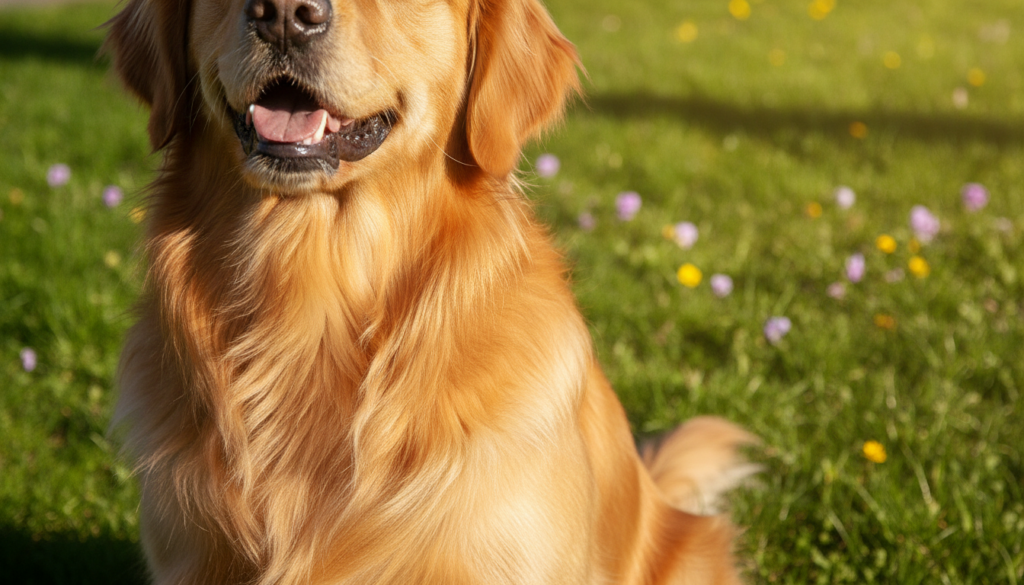
Look for a soft, natural gloss, not a greasy or artificial shine. A healthy dog coat should feel soft and keep the same texture across the body. Brittle, coarse, or very dry fur may show poor nutrition or low hydration.
A steady coat pattern can show that your pet is thriving. Look for even growth, without thin patches or heavy breakage. Hair that mats or tangles despite regular grooming may show damaged shafts or low skin oil.
Skin Health Indicators
The skin supports a healthy dog coat and provides important dog coat health signs to monitor. Healthy skin should look supple and clear, without flakes, redness, or bad odors. Persistent scratching, localized hot spots, or dry, crusty patches may signal a problem.
Changes in your dog’s fur or skin may reflect internal health concerns. Do not hide these problems with cosmetic products or oils for a long time. Watch these dog coat health signs closely, and ask your veterinarian about sudden changes. They may point to underlying allergies, nutritional deficiencies, or hormonal imbalances.
Common Misconceptions About Dog Hair Oil
Knowing the difference between a healthy sheen and greasy residue helps protect your pet’s comfort. Many owners think a heavy, slick coat shows a quality treatment, but that is often wrong. Choosing a safe dog grooming oil means finding a balance that nourishes fur without creating a mess.
Oily Coat vs. Shiny Coat
A healthy, natural sheen should not leave sticky residue on your hands or furniture. If fur feels greasy, clumps together, or attracts dirt, you likely used too much product or the wrong formula. True shine comes from hydrated hair follicles, not a thick oil layer on the surface.
Watch how your dog’s coat responds after grooming. A properly conditioned coat should feel soft and smooth. If you notice the following signs, adjust your routine:
- The fur appears matted or stringy shortly after application.
- Your dog leaves oily spots on your floors or upholstery.
- The coat attracts excessive dust and debris during walks.
Natural vs. Synthetic Oils
When choosing products, clear ingredients are vital for maintaining dog oil safety. Synthetic oils may contain mineral oils, artificial fragrances, or silicones that coat hair without nourishing it. These additives may irritate skin or block pores, causing discomfort.
Natural oils, such as coconut or argan, are usually preferred because they better penetrate the hair shaft. However, always check the label for hidden additives. Choose clear, recognizable ingredients to give your canine companion the highest quality.
Before using a new product, perform a patch test for allergic reactions. If your dog has pancreatitis, clotting disorders, or takes medication, consult your veterinarian first. Maintaining dog oil safety requires a gradual introduction, helping your pet stay happy and healthy during grooming.
Additional Grooming Tips for Shiny Coats
A luxurious dog hair treatment can improve your dog’s appearance. It works best with a complete grooming routine and steady care. These habits support coat health from within and help your dog stay comfortable every day.
Regular Brushing
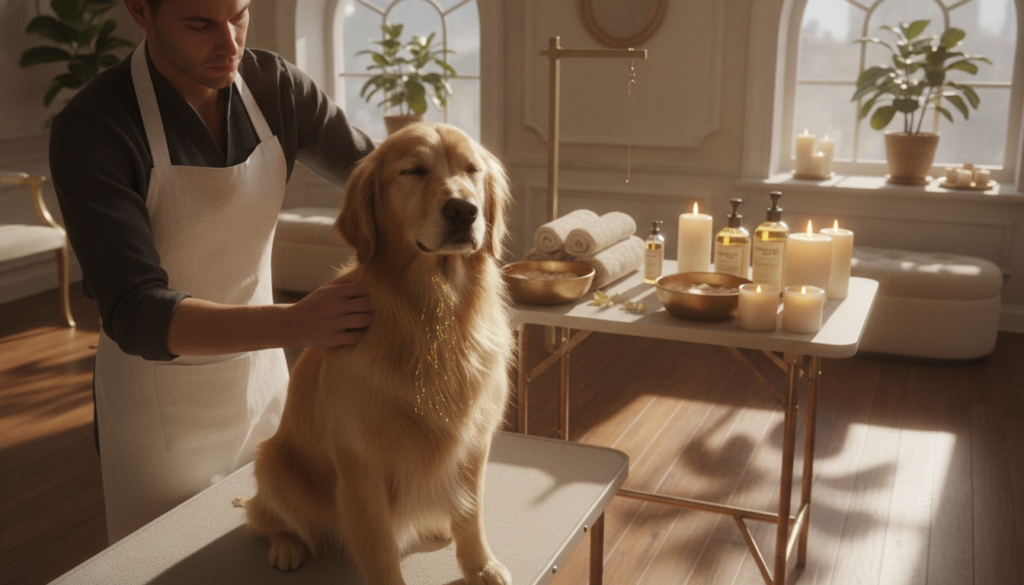
Brushing spreads natural oils across your dog’s skin and fur. It removes dry skin, keeps the coat naturally vibrant, and prevents painful mats. Brush daily or weekly, based on your dog’s coat length, to remove dead hair.
When you use a luxurious dog hair treatment, brushing helps move it deeper into the hair follicles. It improves shine and lets you check for skin irritation or parasites. Regular grooming also builds a bond that most dogs enjoy.
Proper Nutrition
Your dog’s coat often reflects its diet. Choose quality food with named meat proteins as the main ingredient. Avoid fillers like corn or soy, which can cause dull, brittle fur and poor skin health.
Along with balanced food, gentle, dog-specific shampoos can also help. Oatmeal-based baths soothe dry, itchy skin while preserving natural oils that a luxurious dog hair treatment aims to support. Together, good nutrition and suitable cleaners create a healthy, glowing coat that lasts.
Customer Reviews on Popular Dog Hair Oils
Other pet parents can help you judge grooming products before you choose one. Reviews show possible benefits, but each dog may react differently to supplements. When seeking a premium dog grooming oil, look beyond star ratings for product quality details.
Top-Rated Brands
Top-rated brands often stand out through clear information and careful testing. Choose companies that list EPA and DHA levels because these fats support skin and coat health. Quality control matters as much as ingredients, so seek third-party test results.
Compare the oil’s freshness and ingredient sources. A premium dog grooming oil should use processing that protects its nutritional value. Use the table below to organize your research on products available today.
| Feature | What to Look For | Why It Matters |
|---|---|---|
| Ingredient Purity | Cold-pressed/Organic | Reduces chemical exposure |
| Nutrient Profile | High EPA/DHA levels | Supports skin barrier |
| Testing | Third-party verified | Ensures safety and potency |
| Cost | Price per serving | Determines long-term value |
User Experiences
Customer feedback adds context, but separate personal stories from scientific evidence. Many owners report improvements after using flaxseed or fish oil, but results depend on breed, age, and diet. Individual health conditions, including hidden allergies, can also affect a dog’s response to supplements.
“Supplements are not a one-size-fits-all solution; they should be viewed as part of a holistic approach to your pet’s overall wellness and nutritional needs.”
Treat testimonials as starting points, not promises of success. If considering a premium dog grooming oil, begin with a small amount and watch your dog’s digestion and skin. By observing your dog and comparing facts with reviews, you can choose well for your furry friend.
Conclusion: Achieving the Best Results
Transforming your pet’s appearance takes a complete care routine. Regular grooming and a balanced diet for a shiny coat create a strong foundation for lasting health. Be patient: visible improvements often appear after three to four weeks of steady care.
The Power of Persistence
Full results typically appear after eight to twelve weeks of consistent application. Track changes in shine, texture, shedding, and skin comfort to measure progress. A simple log can show which adjustments bring the best results for our furry companions.
Prioritizing Professional Guidance
We must watch our pets’ physical reactions throughout this process. Persistent itching, unusual shedding, or digestive issues need immediate veterinary attention.
Professional medical advice treats underlying health concerns instead of relying only on home remedies. Your proactive care supports a happier, healthier life for your pet.