Nearly 40% of pet owners struggle to protect their companion’s skin health as seasons change. A quick fix may help, but a healthy, bright coat needs more than topical treatment.
We believe dog oil for shiny coat routines work best with good nutrition, regular brushing, and parasite prevention. These steps support true health, not just a better surface appearance.
This guide explains how to add these products safely to your grooming routine. It covers specific application methods, frequency recommendations, and veterinary precautions to help keep your furry friend safe. Please remember that anecdotal observations cannot replace professional medical advice from your local veterinarian.
Key Takeaways
- Prioritize internal health through balanced nutrition before adding external supplements.
- Understand that topical applications work best alongside routine grooming habits.
- Always consult a veterinarian before introducing new products to your pet’s routine.
- Monitor your pet for any signs of skin irritation or allergic reactions.
- Focus on long-term wellness rather than just temporary cosmetic improvements.
What is Dog Oil for a Shiny Coat?
When we discuss a dog’s appearance, we usually mean using oils rich in specific fatty acids. These oils work as topical treatments or dietary supplements that support moisture, softness, and visible shine in your pet’s fur.
Finding the best dog oil for coat shine involves understanding how these oils affect your dog’s skin and hair follicles. By supplying essential nutrients, these oils support the natural barrier that keeps a coat healthy and bright.
Definition and Composition
At their core, these oils provide concentrated sources of essential fatty acids, such as Omega-3 and Omega-6. These nutrients matter because dogs cannot make enough of them naturally.
High-quality options often use cold-pressed, unrefined processing methods. This technique preserves delicate nutrients that heat-based extraction could destroy. When shopping for the best dog oil for coat shine, look for labels that favor purity over fillers or artificial additives.
Types of Oil Used
The market offers many sources, and each provides different benefits for your canine companion. Common ingredients include marine-based oils, such as salmon or pollock oil, which are rich in EPA and DHA.
Plant-based alternatives are also popular, and coconut oil is a common choice for its moisturizing properties. Flaxseed and hemp seed oils also provide useful plant-derived fatty acids.
Identifying the best dog oil for coat shine means avoiding products with unclear ingredient lists. We recommend choosing oils that clearly name their source and processing method, so your dog receives high-quality nourishment.
Benefits of Using Dog Oil
Adding a natural dog oil for healthy coat supplement can improve your pet’s appearance and comfort. These oils supply essential fatty acids that support the body’s natural functions from the inside out.
These supplements work best with a balanced diet. However, oils do not replace medical treatment for dogs with skin conditions.
Enhances Coat Shine
A dull, brittle coat may lack enough moisture to reflect light. Adding a natural dog oil for healthy coat to your dog’s routine can restore its glossy look.
- Supports a vibrant, reflective sheen.
- Helps eliminate dry, lackluster fur.
- Improves the overall texture of the coat.
Promotes Healthy Skin
The skin forms a vital barrier, so hydration helps keep your dog comfortable. Essential fatty acids in quality oils help keep this barrier supple and soft.
Well-nourished skin is less likely to become irritated by dryness. Use measured supplementation, because too much oil can cause an upset stomach or nausea.
Reduces Shedding
Many owners find that regular grooming and proper nutrition make shedding easier to manage. No oil can stop natural hair cycles, but a natural dog oil for healthy coat can strengthen hair follicles.
Stronger follicles make hair less likely to break off early. The result is a healthier coat that stays on your dog, not your furniture.
How to Choose the Right Dog Oil
Your dog’s path to a healthier, brighter coat starts with learning to read product labels. Choosing the best shiny coat dog oil takes more than grabbing the first bottle on the shelf. Check the source, processing methods, and the manufacturer’s overall transparency.
Ingredients to Look For
When comparing products, choose those with a clear fatty acid profile. Marine oils, such as salmon or anchovy oil, often contain EPA and DHA, which dogs can absorb well. Plant oils like flaxseed provide ALA, which the body must convert.
“Quality nutrition is the foundation of a healthy coat, and the right supplementation can bridge the gap between dull fur and a radiant shine.”
Use this breakdown when comparing different oil sources for your pet:
| Oil Source | Primary Benefit | Best For |
|---|---|---|
| Salmon Oil | High Omega-3 (EPA/DHA) | Skin health & luster |
| Flaxseed Oil | Plant-based ALA | Sensitive stomachs |
| Krill Oil | High absorption | Joints & coat |
Avoiding Harmful Additives
Purity matters when shopping for a shiny coat dog oil. Check for fillers, artificial preservatives, or synthetic dyes without nutritional value. Trusted brands often share third-party test results showing no heavy metals or toxins.
Use these tips to protect your dog’s safety:
- Check for transparency: Look for brands that disclose the exact origin of their ingredients.
- Avoid synthetic additives: Steer clear of products containing BHA, BHT, or ethoxyquin.
- Match the diet: Ensure the oil complements your dog’s current food without causing an imbalance.
Always ask your veterinarian before adding a supplement, especially if your dog has allergies or health conditions. Checking your shiny coat dog oil‘s quality supports your dog’s long-term wellness and comfort.
Application Methods for Dog Oil
Apply a dog coat oil for shine carefully to get the best results for your pet. Your dog’s needs and temperament can guide your choice between topical treatment and internal supplements. Both methods can support a healthy, shiny coat.
Topical Application
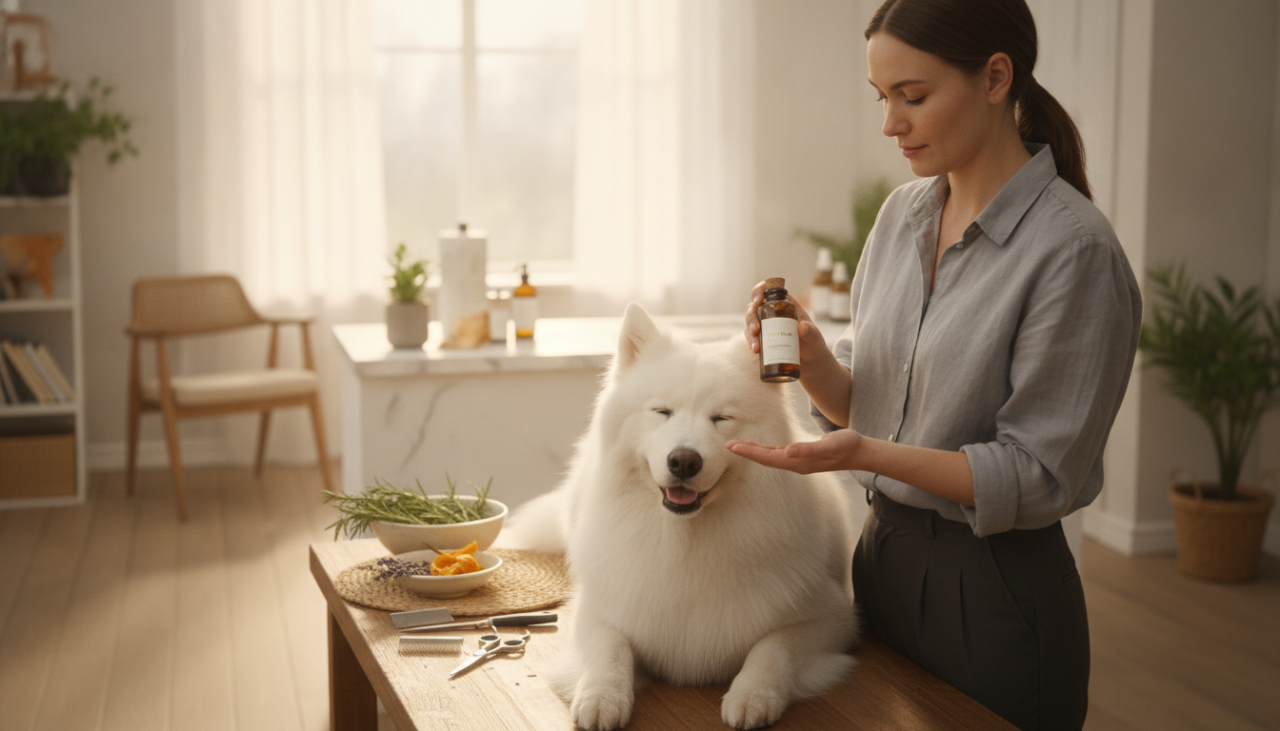
When applying oil to fur, less is often more. Start with a tiny amount to prevent greasy residue, dirt, or discomfort. Spread the oil evenly with a quality grooming brush or your hands.
Prevent your dog from licking treated areas right after application. Use a favorite toy or short walk while the oil absorbs. Check the label to confirm the formula suits external use for your breed.
“Proper grooming is not just about aesthetics; it is a fundamental aspect of maintaining your pet’s overall skin health and comfort.”
Mixing with Food
Alternatively, add a dog coat oil for shine to your pet’s daily meals. This method provides a measured nutritional addition, not an unrestricted treat. The essential fatty acids then support the coat from the inside out.
Before adding any supplement to your dog’s diet, keep these points in mind:
- Follow the dosage: Always adhere strictly to the manufacturer’s instructions or your veterinarian’s recommendations.
- Monitor tolerance: Every dog reacts differently, so start with a smaller portion to observe how their digestion handles the change.
- Consult a professional: Speak with your vet to determine if your dog has any underlying health conditions that might affect their nutritional needs.
Treat these oils as precise dietary supplements to provide nutrients for a healthy, vibrant coat. Consistency with your chosen method will bring the best long-term results for your furry companion.
Timing: When to Apply Dog Oil
Environmental and grooming factors affect coat health. They help us decide when to use a premium dog oil for coat. Assess your dog’s needs by its environment and activity level, not only by dull fur. Strategic application supports the skin’s natural barrier without causing buildup.
Seasonal Considerations
Winter brings dry indoor air and harsh outdoor conditions that remove moisture from a dog’s skin. During these times, a premium dog oil for coat can shield the skin from environmental stress. Focus more on hydration when humidity drops sharply.
During humid summer months, your dog may need fewer applications. Watch how the coat reacts to temperature changes, because too much oil in high humidity can trap dirt and debris. Match your routine to the season to keep skin balanced and healthy.
Grooming Routine
Apply oil after a gentle grooming session. Brushing spreads natural oils, while a premium dog oil for coat treatment can seal in moisture. Frequent bathing can remove essential lipids, so space out deep cleans to protect natural skin health.
If your dog’s coat feels brittle after a bath, apply a small amount to restore softness. Do not over-apply; consistent use works better than heavy, occasional doses. Use this guide to choose an application schedule for common conditions.
| Condition | Frequency | Application Goal |
|---|---|---|
| Winter Dryness | Weekly | Moisture Retention |
| Post-Bath | As Needed | Restoring Lipids |
| Summer Humidity | Bi-Weekly | Light Conditioning |
| High Shedding | Monthly | Skin Nourishment |
How Often Should You Use Dog Oil?
Finding the right coat care routine takes careful observation. Many owners want quick results, but organic dog oil for coat shine does not suit every dog. Each dog has unique metabolic needs and skin sensitivities.
Recommended Frequency
The right frequency depends on the product directions and your dog’s current diet. If you use a high-quality dog fur shine oil, follow the manufacturer’s label guidelines first. Ask your veterinarian to match the dose to your pet’s weight and health.
Start with a low dose to see how your dog reacts. Consistency is more important than quantity for better skin health. Avoid combining oil products, which may cause an overdose of certain fatty acids or vitamins.
| Coat Condition | Suggested Frequency | Monitoring Period |
|---|---|---|
| Dry/Brittle | Daily (Small Dose) | 2 Weeks |
| Healthy/Normal | 2-3 Times Weekly | 4 Weeks |
| Sensitive Skin | Weekly (Consult Vet) | Ongoing |
Signs of Overuse
Even with premium organic dog oil for coat shine, you can give your dog too much. Watch your dog closely for adverse reactions after starting a new supplement. Greasy or matted fur may show that the oil is not fully absorbed.
“Moderation is the cornerstone of effective nutritional support; always prioritize your pet’s comfort over rapid aesthetic results.”
Watch your dog’s body, not just its coat, for signs of distress. If your dog has nausea or digestive upset, stop immediately. Also stop if your dog shows an increased urge to lick its paws or skin.
These signs may mean the supplement is too rich or your dog has an allergic reaction. Your goal is to support your dog’s natural health. If you notice warning signs, reduce use or stop until you speak with a professional.
Proper management helps your pet stay happy, healthy, and comfortable while achieving the desired glow.
Dog Oil for Different Coat Types
The right product should match a dog’s breed and hair length. Each dog has a unique fur structure, so one product rarely suits every coat. These differences help you use coat shining oil for dogs to enhance your pet’s natural beauty.
Long Hair vs. Short Hair
Long-haired breeds often need more thorough distribution to reach the skin and prevent mats. Use a wide-tooth comb to spread the oil evenly from root to tip. This helps prevent buildup, tangles, and discomfort.
Short-haired dogs usually need less product for a healthy glow. Too much oil can make their coat greasy instead of shiny. Start with a tiny amount and massage it gently for a natural, healthy look.
Specific Needs for Poodles vs. Retrievers
Poodles have dense, curly hair that holds moisture and oils differently from Retrievers’ straight, water-repellent coats. Keep Poodle curls soft and prevent dryness without flattening their volume. Choose light, non-greasy formulas that support their unique hair structure.
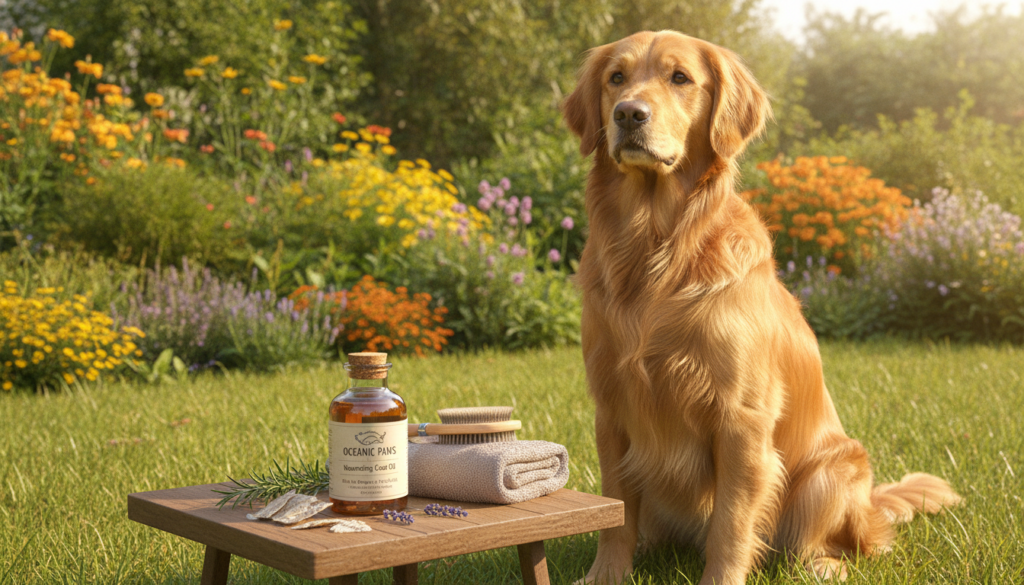
Retrievers may benefit from oils that support their natural water-resistant coats. Their coats suit outdoor activity, so the right coat shining oil for dogs should nourish hair follicles without removing essential natural oils. Check your dog’s current diet and grooming habits before choosing a product.
| Coat Type | Application Focus | Recommended Tool | Frequency |
|---|---|---|---|
| Long/Silky | Root to tip coverage | Wide-tooth comb | Weekly |
| Curly/Dense | Light surface misting | Soft bristle brush | Bi-weekly |
| Short/Smooth | Minimal spot treatment | Grooming glove | Monthly |
| Double/Thick | Deep skin penetration | Slicker brush | As needed |
DIY Dog Oil Remedies
Making a homemade dog coat moisturizer supports your pet’s skin with simple pantry staples. Many owners choose natural methods because they control what touches their dog’s fur. Keep the recipe simple to help your pet stay safe and comfortable.
Simple Recipes to Try
A dog oil for shiny coat DIY project can use high-quality, organic coconut oil. Gently massage a small, pea-sized amount into your dog’s coat to lock in moisture and add shine. Start with a tiny amount and watch how your dog’s skin reacts.
A DIY oatmeal bath can calm dry or itchy skin. Grind plain, unsweetened oats into fine powder, then mix them with warm water for a gentle soak. This natural remedy offers relief without harsh chemicals or synthetic additives.
| Ingredient | Primary Benefit | Best Use Case |
|---|---|---|
| Coconut Oil | Deep Hydration | Dry, dull fur |
| Oatmeal | Soothing Itch | Sensitive, irritated skin |
| Olive Oil | Surface Shine | Minor coat conditioning |
Tips for Safe DIY Solutions
When trying a homemade dog coat moisturizer, avoid essential oils, artificial fragrances, and unverified additives. These substances can cause severe skin irritation or respiratory distress in pets. Do not use horsetail or spirulina without specific guidance from your veterinarian.
Always watch your dog closely after trying a new dog oil for shiny coat DIY remedy. Stop immediately if you notice redness, increased itching, or digestive upset. Your veterinarian can help decide whether an ingredient suits your dog’s unique health profile.
Potential Risks and Precautions
Even natural products can cause unexpected reactions in sensitive pets. Many owners enjoy grooming oils, but safe dog oil application protects your furry friend from discomfort. Persistent itching or poor coat quality may stem from parasites, infections, or dietary sensitivities, not simple dryness.
Allergic Reactions
Like humans, dogs can become sensitive to certain ingredients. If you see redness, hives, or your pet engaging in excessive licking after treatment, stop using the product at once. These signs often point to dog oil allergies and need prompt attention.
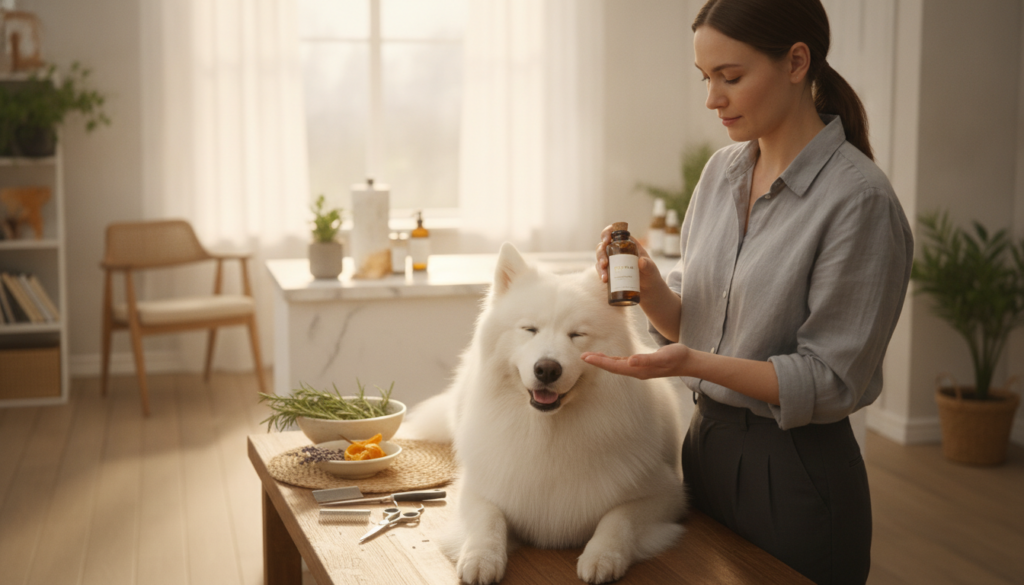
Before applying a new substance to your dog’s entire body, perform a small patch test on a less sensitive area. Keep products away from the eyes, ears, open wounds, and irritated skin. If the skin stays clear after twenty-four hours, the product is likely safe for wider use.
Consult Your Veterinarian
Professional guidance helps keep your pet healthy and happy. Speak with your vet before adding supplements or topical treatments, especially with medical conditions or a special diet. For more detailed insights, review this guide on coconut oil for dogs benefits, risks, and safe use.
If your dog shows digestive upset or skin irritation that does not clear quickly, seek veterinary care at once. Your veterinarian can tell whether symptoms relate to dog oil allergies or another health concern. Prioritizing safe dog oil application keeps grooming positive for you and your pet.
Additional Tips for Maintaining a Shiny Coat
A healthy glow needs more than topical treatments. We view dog oil for shiny coat use as one part of your dog’s overall wellness plan. Your pet benefits when these aids support a balanced lifestyle.
Fueling Health from Within
High-quality food supports a bright, healthy appearance. We recommend premium brands like Purina Pro Plan or Royal Canin for essential fatty acids. Nutritious treats, steady water, and parasite prevention support skin and fur; fleas and ticks can dull healthy coats.
Mastering Grooming Habits
A steady routine helps grooming work well. Use high-quality tools like the FURminator de-shedding tool to remove loose hair and spread natural oils. Brush often to monitor skin health; space baths to protect natural moisture, even with dog oil for shiny coat products.
Ongoing dullness or severe itching needs professional care. Schedule a veterinarian visit for skin lesions or bald patches; medical expertise keeps your dog comfortable and healthy for years. Share your experiences and tell us which routines work best for your furry companions.