
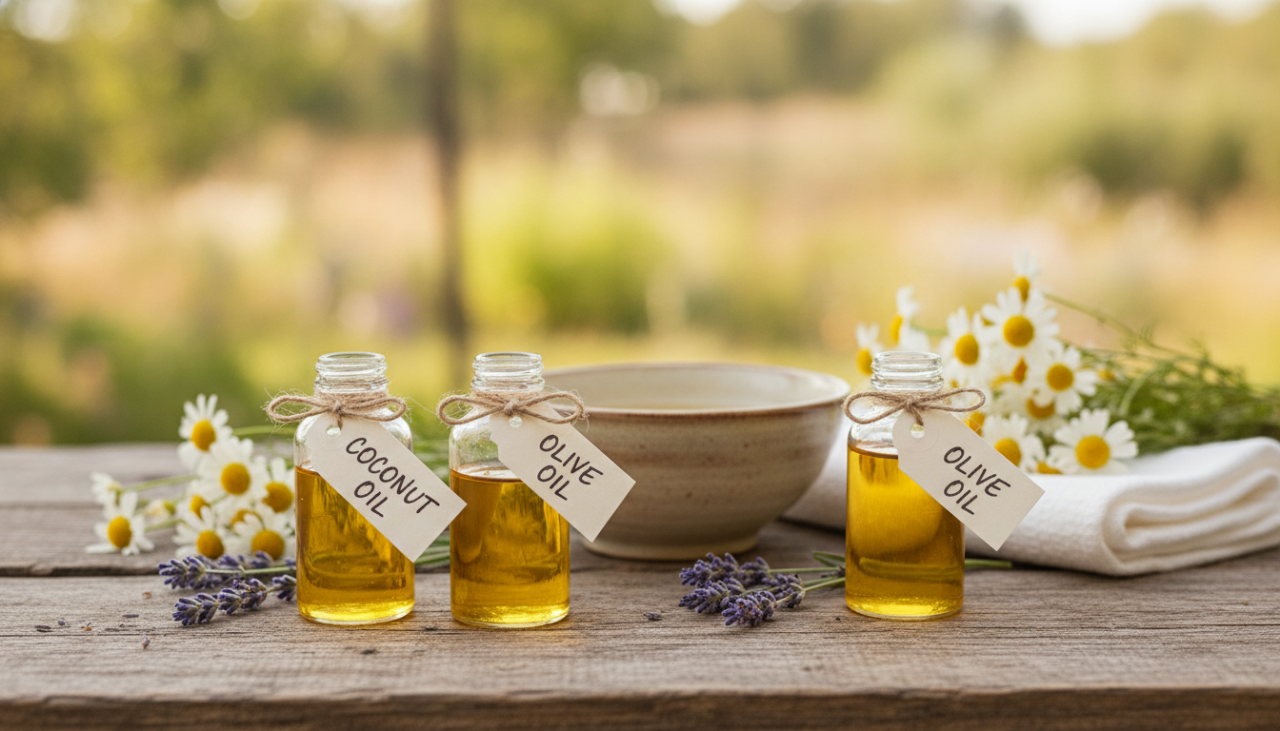
Nearly 10% of all veterinary visits in the United States involve dermatological issues. Many pet parents watch their companions suffer from itching, redness, and discomfort.
Seeing your furry friend in pain can break your heart. A natural oil for dog skin allergy may provide temporary relief, but deeper issues often cause these signs. Environmental triggers, food sensitivities, and pesky fleas may hide beneath the surface.
Our goal is to guide you toward safe, holistic support methods. Home remedies may comfort your pet, but they should never replace a professional diagnosis. Always consult your veterinarian about persistent irritation and its root cause, so your pet stays happy and healthy.
Key Takeaways
- Understand that dermatological issues are among the most common reasons for vet visits.
- Recognize that natural remedies provide temporary comfort rather than a permanent cure.
- Identify common triggers like environmental factors, diet, and parasites.
- Prioritize professional veterinary assessment for severe or chronic symptoms.
- Learn safe application principles for supporting your pet’s wellness at home.
Understanding Dog Skin Allergies
When your dog cannot stop scratching, you need to understand the possible causes. Many owners seek essential oils for dog allergies, but first distinguish dry skin from a true allergic reaction. Environmental allergens, flea bites, and food sensitivities can cause similar signs and confuse attentive pet parents.
Common Symptoms of Skin Allergies in Dogs
Recognizing physical signs is the first step in managing your dog’s health. You may notice your pet engaging in excessive scratching, chewing its paws, or shaking its ears often. These actions can cause hot spots, hair loss, and redness on the belly or between the toes.
In chronic cases, the skin may thicken or darken, a change called lichenification. Watch these changes closely to learn whether irritation affects one area or the whole body. The table below shows how to tell common skin issues apart:
| Condition | Primary Symptom | Common Location |
|---|---|---|
| Flea Allergy | Intense itching | Base of tail |
| Food Sensitivity | Paw chewing | Paws and ears |
| Environmental | Redness/Rash | Belly and armpits |
| Dry Skin | Flaking | Back and flanks |
Types of Allergies Affecting Dogs
Daily contact with the environment exposes dogs to many possible allergens. Pollen, mold, and dust mites often cause seasonal discomfort. Food sensitivities to certain proteins may cause skin inflammation without digestive upset.
Flea saliva is among the most common causes of allergic dermatitis in the United States. One bite can trigger a major immune response in sensitive dogs. Some owners try essential oils for dog allergies for relief, but removing the main allergen works best.
The Importance of Seeking Veterinary Advice
Natural remedies may soothe minor irritation, but they cannot replace medical testing. If symptoms persist, worsen, or show infection signs, such as discharge or foul odor, consult a veterinarian immediately. Natural care cannot find the cause of a severe immune response alone.
“The skin is the largest organ of the body, and its condition often reflects the internal health of the animal. Professional diagnosis is the cornerstone of effective treatment.”
We recommend working with your vet to create a complete care plan. Combining professional guidance with safe, natural support helps provide the best possible care for your dog’s specific needs.
Benefits of Using Natural Oils for Skin Allergies
When your dog has itchy skin, natural remedies for dog skin allergies may gently soothe irritation. They can offer relief without relying only on harsh chemicals. Still, “natural” does not always mean safe, especially with concentrated essential oils.
Moisturizing Properties of Natural Oils
Many plant-based oils form a protective barrier on the skin. This barrier locks in moisture for dogs with dry, flaky patches. These natural remedies for dog skin allergies may restore hydration and reduce your pet’s urge to scratch.
Anti-Inflammatory Effects
Inflammation often causes the redness and heat linked to allergic reactions. Some oils contain fatty acids that may calm local immune responses. When used correctly, they cool and ease discomfort in inflamed skin tissue.
Hypoallergenic Nature of Certain Oils
Some oils are considered hypoallergenic, but dogs can have very different sensitivities. Start with gentler, non-oil options, such as colloidal oatmeal or pure aloe vera, and test your dog’s reaction. These choices often suit highly reactive skin better than potent essential oils.
| Remedy Type | Primary Benefit | Best For |
|---|---|---|
| Coconut Oil | Deep Hydration | Dry, flaky skin |
| Aloe Vera | Cooling Relief | Red, inflamed areas |
| Colloidal Oatmeal | Barrier Support | Itchy, irritated patches |
| Chamomile Tea | Calming Effect | Minor skin redness |
Separate temporary symptom relief from treatment for chronic conditions. These natural remedies for dog skin allergies may soothe the surface but might not treat immune-related problems or secondary infections. Monitor your dog closely for worsening irritation.
Recommended Natural Oils for Dogs
Selecting the best oil for dog skin allergies requires a careful review of science behind common household staples. Each substance may interact differently with your pet’s unique biology.
Coconut Oil: A Versatile Soothe
Coconut oil can moisturize dry, itchy patches when applied to skin. We recommend using it sparingly to prevent a greasy coat or trapped dirt.
Topical use is generally safe, but watch your dog’s behavior. If your pet licks the area excessively, the oil may cause digestive upset. Monitor your dog closely after application.
Olive Oil: Nourishing and Healing
Many owners use olive oil as a pantry staple, but expectations should remain realistic. Available sources do not establish it as a proven treatment for canine allergies.
While it may provide surface nourishment, consult your veterinarian before using it as the primary solution. It is better to prioritize treatments with established clinical support.
Fish Oil: Rich in Omega Fatty Acids
When searching for the best oil for dog skin allergies, fish oil often stands out as a top contender. It contains omega-3 fatty acids that support the skin barrier from within.
By reducing inflammatory responses internally, fish oil can improve your dog’s coat and skin health. This makes it a highly recommended part of comprehensive allergy management.
| Oil Type | Primary Benefit | Best Use Case | Caution |
|---|---|---|---|
| Coconut Oil | Moisturizing | Dry skin patches | Digestive upset if ingested |
| Olive Oil | Surface nourishment | General coat health | Limited allergy evidence |
| Fish Oil | Anti-inflammatory | Internal skin support | Requires proper dosage |
How to Apply Oils for Maximum Relief
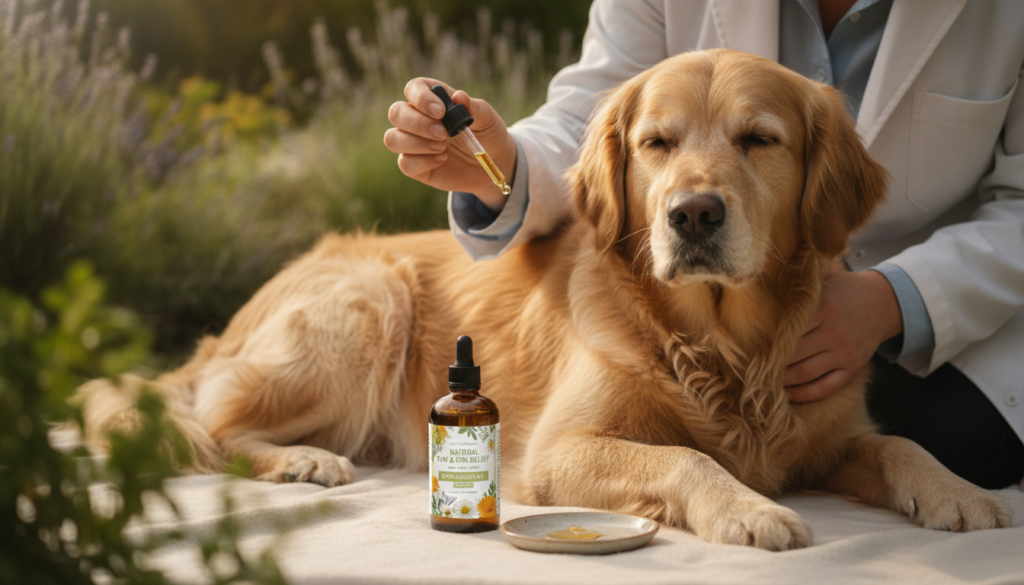
Learning proper techniques for using dog allergy relief oil can improve your pet’s comfort. Use these treatments carefully because each dog has different skin sensitivities and health needs. A structured routine helps your furry friend gain the most from these natural remedies.
Choosing the Right Dosage
No single dosage works for every natural skin treatment. Start with a very small amount and watch how your dog reacts. For internal supplements, ask your veterinarian to choose a dose based on your dog’s weight and current health.
Consistency is key, but safety must come first. Using too much can cause greasy fur or skin irritation, defeating the treatment’s purpose. Choose a small amount to avoid overwhelming your dog’s system.
Application Methods: Topical vs. Ingestible
When using dog allergy relief oil, distinguish between topical use and ingestion. Apply topical oils in a thin layer only to dry, irritated skin patches. Never apply them to open wounds, raw skin, or sensitive areas such as the eyes and ears.
Ingestible oils, such as fish oil, support skin health throughout the body. Mix them into your dog’s regular food only with professional guidance. Never replace an ingestible product with a topical one unless its label says both uses are safe.
| Method | Primary Benefit | Best Practice |
|---|---|---|
| Topical | Localized soothing | Apply thin layer to dry skin |
| Ingestible | Systemic inflammation reduction | Mix with food per vet dose |
| Patch Test | Safety verification | Apply to small area first |
Frequency of Use for Best Results
Using dog allergy relief oil too often can sometimes cause more harm than good. Too much may clog pores or cause dirt to build up on the skin. Start with a limited schedule, then watch your dog’s progress before using it more often.
If your dog’s skin stays dry or irritated despite regular treatment, adjust your strategy. Over-bathing can remove natural oils and leave the skin more vulnerable. Keep a balanced routine to support long-term skin health and comfort.
Precautions When Using Oils on Dogs
Before applying a topical remedy, consider your dog’s unique sensitivities. Although natural products can help, the right dog skin allergy treatment depends on your pet’s needs and possible risks.
Allergic Reactions to Oils
Natural substances can still cause harmful reactions in some animals. Like people, dogs have immune systems that may react to plant-based compounds.
If redness or swelling appears, or your dog scratches more, wash the area with mild soap. Watch your pet closely during the first few hours of any new dog skin allergy treatment.
Potential Interactions with Medications
Never use human allergy medicine or anti-itch cream without your vet’s approval. These products may contain pet poisons, such as xylitol or certain preservatives.
Tea tree, camphor, and pennyroyal oils are dangerous and must never touch dogs. Ask your vet whether this anti-itch dog oil for fast option supports relief and healthy skin without affecting prescriptions.
Safety is the cornerstone of effective pet care; never assume that a product is harmless simply because it is labeled as natural.
Conducting a Patch Test
Before using oil on a large body area, perform a patch test. Apply a tiny amount to hidden skin, such as the inner thigh or belly.
Wait at least 24 hours for irritation or an allergic reaction. If the skin stays clear and calm, continue your dog skin allergy treatment plan with greater confidence.
| Oil Type | Safety Status | Primary Risk |
|---|---|---|
| Coconut Oil | Generally Safe | Mild digestive upset if ingested |
| Tea Tree Oil | Highly Toxic | Neurological damage and poisoning |
| Olive Oil | Safe | Potential for greasy residue |
| Pennyroyal Oil | Toxic | Liver failure and severe toxicity |
DIY Oil Blends for Skin Relief
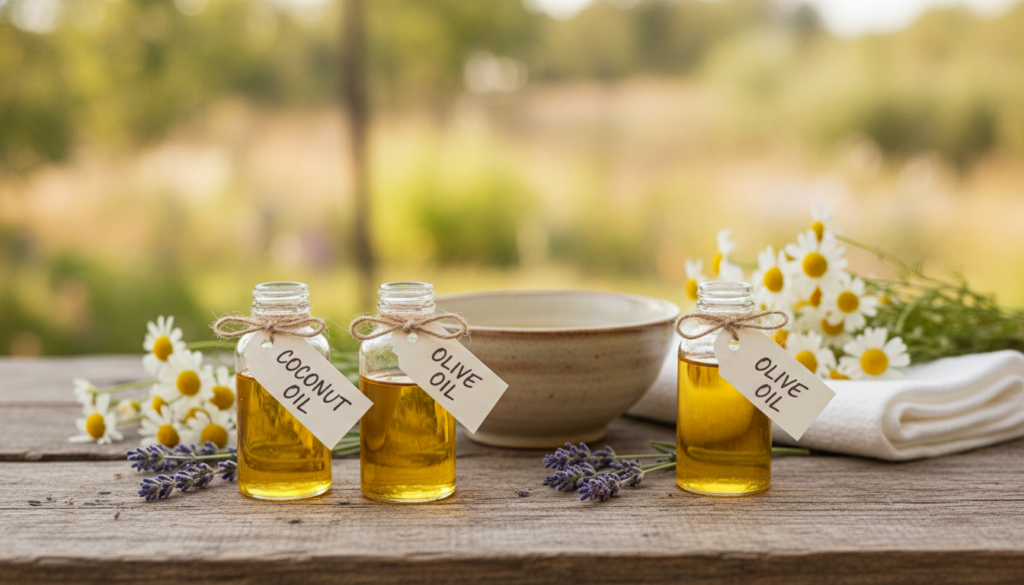
Preparing a gentle organic oil for dog skin allergy treatment at home can be rewarding when done correctly. Safety must come first whenever you apply anything to your pet. Before starting, consult your veterinarian to confirm these ingredients suit your dog’s specific health needs.
Recipe for Coconut and Lavender Oil Blend
Many owners explore making essential oil blends for their dogs to help with itching. If you use lavender, dilute it heavily in a carrier, such as coconut oil. Never apply undiluted essential oils directly to your dog’s skin; they can cause severe irritation or toxicity.
Olive Oil and Chamomile Mixture
A simple olive oil and chamomile mixture may soothe minor skin discomfort. Use high-quality, food-grade olive oil as the base. Prepare chamomile as cooled tea or a very weak infusion to protect your dog’s sensitive system.
A Fish Oil and Aloe Vera Solution
Some suggest applying fish oil to the skin, but a veterinarian-guided dietary supplement usually works better. If you use aloe vera, choose a 100% pure product without alcohol, fragrances, or artificial additives. An improper organic oil for dog skin allergy blend can worsen the condition instead of healing it.
Monitor your dog closely after every application. If you notice redness, increased licking, vomiting, or weakness, discontinue use immediately and contact your vet. Your dog’s comfort and safety remain our main concerns when managing an organic oil for dog skin allergy regimen.
Monitoring Your Dog’s Skin Condition
After you begin using an oil blend for dog skin allergies, careful observation becomes your best tool. Temporary relief can look like full recovery, so watch your dog closely. Track small changes in behavior and appearance to judge whether treatment works.
Signs That Treatment Is Working
Real improvement usually appears through small, steady changes. Look for a noticeable reduction in scratching, biting, or licking. Sounder sleep through the night suggests that irritation is easing.
You may also see less inflammation and redness. A healthy coat should return to areas that were patchy or irritated. These changes suggest your oil blend for dog skin allergies provides soothing support.
When to Consult a Veterinarian
Natural remedies can help, but they cannot replace medical care in severe cases. Contact your veterinarian immediately if you see open sores, bleeding, or a foul skin odor. These signs often point to a secondary infection requiring antibiotics or specialized treatment.
If your dog has significant hair loss or sudden behavior changes, seek expert advice. If no improvement appears after one week of consistent application, reassess with a professional. Never wait if your pet seems distressed.
Keeping a Record of Observed Changes
A detailed log helps you manage an oil blend for dog skin allergies effectively. Note each application date and the exact body areas treated. Record diet changes and new environmental exposures that might trigger a reaction.
| Observation Category | Positive Indicator | Warning Sign |
|---|---|---|
| Scratching Frequency | Significant decrease | Increased intensity |
| Skin Appearance | Reduced redness | Open sores or bleeding |
| Behavioral State | Restful sleep | Agitation or lethargy |
| Treatment Response | Visible healing | No change after 7 days |
This record gives your veterinarian valuable data during your next visit. It helps you make informed decisions about your dog’s long-term skin health.
Alternative Remedies for Dog Skin Allergies
Using a canine skin allergy oil offers quick relief, but your pet’s environment and diet also matter. A holistic strategy often brings the best long-term results. Addressing internal health and outside triggers may reduce flare-ups.
The Role of Omega Fatty Acids in Diet
Nutrition helps maintain a strong skin barrier. Add high-quality Omega-3 fatty acids to your dog’s daily meals. These nutrients improve coat shine, skin elasticity, and the body’s inflammatory balance.
Regular supplements support the skin’s natural defenses against allergens. Healthy skin starts from within, making diet a key part of any management plan.
Herbal Remedies to Consider
Use extreme caution with plant-based options. Many essential oils safe for humans can harm dogs when used incorrectly. Always check that each botanical product is made for pets before using it with your preferred canine skin allergy oil.
Gentle, non-toxic herbs like chamomile or calendula may soothe minor irritation. Consult your veterinarian before adding herbal supplements, so they do not interfere with current medications.
Home Environment Adjustments
Reducing environmental allergens can help keep your dog comfortable. Simple habits can greatly improve your pet’s daily life.
- Wash your dog’s bedding weekly in hot water to remove dust mites.
- Vacuum carpets and upholstery frequently to minimize dander and pollen.
- Wipe your dog’s paws after every walk to prevent tracking outdoor allergens inside.
- Maintain a strict, year-round flea prevention schedule to avoid secondary skin reactions.
| Strategy | Primary Benefit | Frequency |
|---|---|---|
| Omega-3 Supplement | Skin Barrier Support | Daily |
| Bedding Wash | Allergen Reduction | Weekly |
| Paw Wiping | Trigger Removal | After Walks |
| Flea Prevention | Parasite Control | Monthly |
Conclusion: Finding the Right Oil for Your Dog
Your pet’s comfort needs more than simple home remedies. A high-quality oil for dog skin allergy may soothe discomfort, but it works best within a broader wellness plan. Use these natural options as support, not substitutes for professional medical care.
Integrating Holistic and Clinical Care
You can pair topical coconut oil or fish oil supplements with soothing measures, such as oatmeal baths. These non-oil methods can calm irritated skin while you address the reaction’s root cause. Always coordinate these steps with your veterinarian to protect your pet’s safety.
Building a Sustainable Wellness Routine
Long-term skin health often requires more than applying an oil for dog skin allergy. Your dog may need prescription medications, allergy injections, or specific diet trials for chronic conditions. Consistent flea prevention and environmental control help keep your dog comfortable throughout the year.
Prioritizing Professional Guidance
Keep a detailed record of your dog’s symptoms and any changes you notice. Regular veterinary check-ups support accurate diagnoses and timely treatment changes. Prompt attention to warning signs protects your dog and supports healthy skin for years.