A canine’s coat can account for nearly 10% of its total body weight. Keeping so much fur healthy takes more than a balanced diet.
We often seek ways to improve our pets’ appearance. Using a natural dog hair oil can add moisture, softness, and shine.
This guide covers products applied only to the skin and fur. It does not cover ingestible supplements or CBD products. A high-quality dog hair oil for growth may improve coat condition, but it is not a medical miracle.
These topical treatments cannot replace professional veterinary care. If your companion has bald patches, lasting skin irritation, or sudden shedding, consult a vet immediately. This can help rule out underlying health issues.
Key Takeaways
- Topical treatments enhance moisture, softness, and overall coat shine.
- This guide covers external applications only, not ingestible supplements.
- Oils are cosmetic tools and not replacements for veterinary medical treatment.
- Always monitor your pet for skin sensitivities when trying new products.
- Professional diagnosis is required for unexplained hair loss or irritation.
Understanding the Benefits of Dog Hair Oil
We often seek natural topical treatments to enhance dog coat health and hope for a miracle cure for thinning fur. However, oils mainly improve existing hair and skin; they rarely create new hair follicles. They help prevent damage that makes the coat look dull or sparse.
How It Promotes Growth
Topical oils promote dog hair growth by forming a protective barrier around skin and hair shafts. By locking in moisture, they prevent dryness and brittleness that can snap hair before full length. Hydrated skin flakes and irritates less, creating a healthy place for hair to thrive.
Regular application soothes itchy skin and reduces your dog’s urge to scratch or bite its fur. Less scratching reduces physical trauma, allowing the coat to grow thicker and stronger. This process helps maintain a vibrant, full-looking coat throughout the year.
Essential Ingredients to Look For
When choosing a product, prioritize ingredients that are safe and effective for canine skin. Avoid harsh additives and synthetic fragrances, which may cause allergic reactions. Choose high-quality, natural oils suited to your dog’s coat type and skin sensitivity.
| Oil Type | Primary Benefit | Best For |
|---|---|---|
| Coconut Oil | Deep Moisturizing | Dry, flaky skin |
| Jojoba Oil | Sebum Balancing | Sensitive skin |
| Argan Oil | Antioxidant Rich | Brittle, damaged hair |
| Salmon Oil | Anti-inflammatory | Overall coat luster |
These ingredients work in different ways to promote dog hair growth and protect skin integrity. For instance, salmon oil is packed with omega fatty acids that support the skin barrier from within and on the surface. Meanwhile, argan oil forms a protective coating against environmental stressors, helping to enhance dog coat health with every application.
Top Brands of Dog Hair Oil for Growth
Choosing a high-quality dog hair growth treatment is vital for your pet’s skin and coat health. With many products available, finding the best dog hair oil can feel difficult for any pet parent.
Comprehensive Review of Popular Choices
We assess each option by checking its ingredient purity and intended benefits. Virgin coconut oil and argan oil are popular moisturizers. Salmon and flaxseed oils provide essential fatty acids that support skin health from the inside out.
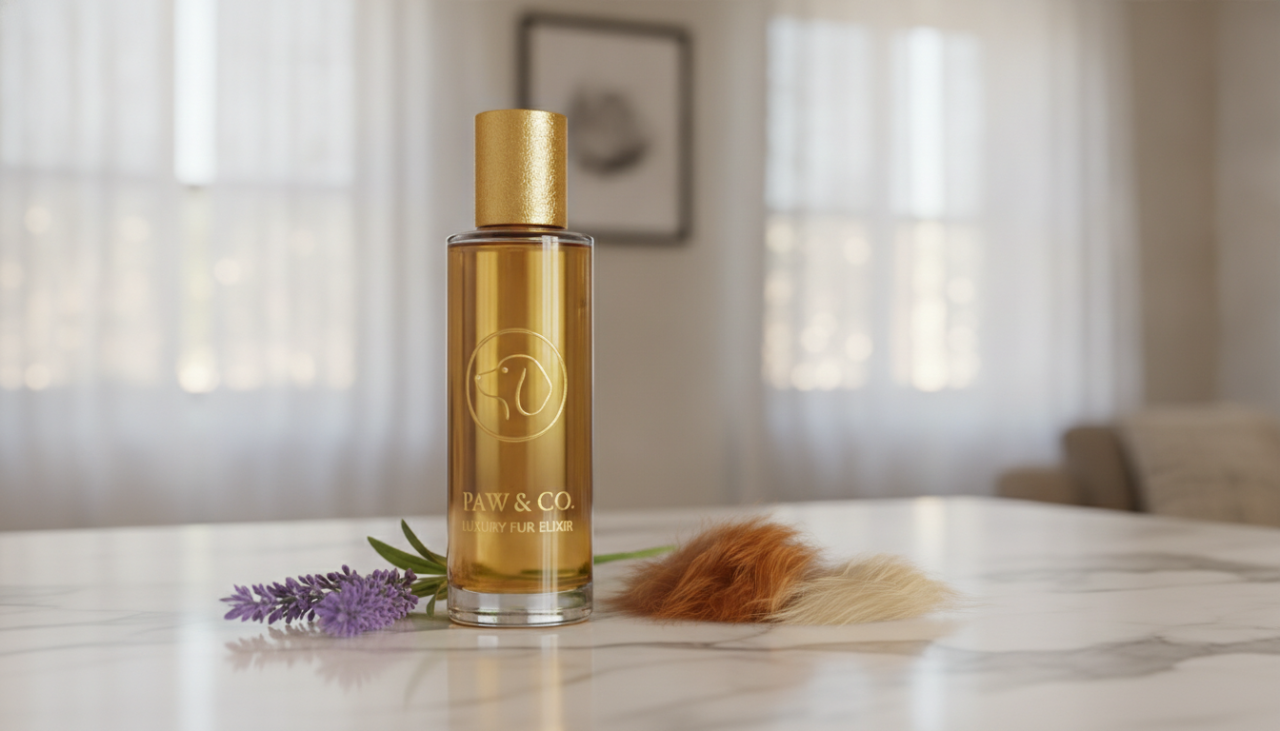
The Hoof & Paw Co. spray offers a targeted formula for topical use. Customer reports often mention better shine and texture, but these experiences are not proven medical outcomes. Consult your veterinarian before using any product for your dog’s specific skin condition.
Price Comparison
Compare more than the price tag when reviewing these products. Consider bottle size, application frequency, and ingredient quality to judge the purchase’s true value.
| Product Name | Primary Benefit | Average Price | Best For |
|---|---|---|---|
| Hoof & Paw Co. Spray | Targeted Growth | $45.99 (8oz) | Localized Thinning |
| Pure Salmon Oil | Skin & Coat Health | $22.50 (16oz) | Overall Vitality |
| Organic Coconut Oil | Deep Conditioning | $15.00 (12oz) | Dry, Itchy Skin |
| Flaxseed Oil Blend | Omega Supplement | $18.75 (8oz) | Coat Shine |
Before deciding, check the ingredient list for fillers or artificial additives. A reputable dog hair growth treatment provides safer care for your companion’s unique needs.
How to Apply Dog Hair Oil Effectively
A beautiful coat depends on how you apply the product. The right method helps nutrients reach the hair shaft without leaving greasy residue that attracts dirt.
Recommended Application Techniques
Start by bathing your dog with a gentle shampoo. After the bath, towel-dry your pet until the fur feels damp, not soaking wet.
Apply a small quantity of your chosen dog hair oil for growth to your palms. Rub your hands together to warm the oil, then massage it gently into the skin and coat, focusing on dry or brittle areas.
After applying the oil, use a high-quality brush to spread it evenly from root to tip. This step matters because it:
- Prevents heavy buildup in one specific area.
- Stimulates natural blood flow to the hair follicles.
- Ensures the coat remains soft and manageable.
Frequency of Use
When you first add a nourishing dog hair oil to your grooming routine, begin with infrequent applications. Watch how your dog’s skin and fur react during the first few days.
If your pet shows no irritation or excess oil, slowly increase the frequency. Most owners find that a weekly or twice-weekly application is the “sweet spot” for maintaining a healthy, shiny coat.
Always put your dog’s comfort first. If the coat feels heavy or greasy, use less product or space sessions farther apart. This helps your dog look and feel their best.
Natural Remedies for Dog Hair Growth
DIY pet care can reveal the benefits of simple, plant-based oils. These solutions are not medical treatments for hair loss, but they can support grooming. A natural dog hair oil can help keep your pet’s coat soft and shiny.
Homemade Hair Oil Options
Use high-quality, dog-safe carrier oils in your homemade mixtures. Coconut oil moisturizes deeply, while jojoba oil closely matches a dog’s natural skin oils. Argan oil is another excellent choice with a light, non-greasy finish.
These oils are not miracle cures for regrowth. Never add undiluted essential oils or unknown additives, which can cause severe skin irritation. Before applying any organic dog hair products or homemade blends, patch-test a small, hidden skin area for allergies.
Benefits of Using Natural Ingredients
These ingredients can hydrate and condition the hair shaft. They lock in moisture, helping prevent brittle hair and breakage. This can make fur look healthier and more vibrant.
Small, controlled amounts can soothe dry skin and reduce flakiness. Consistency helps a natural dog hair oil keep the coat soft and manageable. Keep your dog comfortable, and consult your veterinarian about persistent skin issues or unusual hair loss.
Grooming Tips to Enhance Hair Health
A lustrous coat needs daily care and high-quality treatments. Topical solutions help, but they support regular grooming rather than replace it. These habits can significantly enhance dog coat health and help your pet feel their best.
Regular Brushing Techniques
Choose a brush based on your dog’s hair length, texture, and shedding patterns. A slicker brush works well for long-haired breeds, while a rubber curry brush suits short-haired dogs.
Always brush in the direction of hair growth to prevent discomfort. Gentle, consistent strokes work better than forceful brushing, which may irritate skin and cause stress. Regular sessions spread natural oils and prevent painful mats.
Optimal Bathing Frequency
Choose bathing times based on your dog’s lifestyle and coat needs. Over-bathing can remove essential moisture, so use a veterinarian-approved shampoo that respects your dog’s skin pH. When the coat feels dry or brittle, apply organic dog hair products sparingly after towel-drying.
Cleaning and conditioning help protect the skin’s natural barrier. These steps provide year-round care to enhance dog coat health.
| Coat Type | Recommended Brush | Bathing Frequency |
|---|---|---|
| Short/Smooth | Rubber Curry Brush | Every 6-8 weeks |
| Long/Silky | Pin Brush | Every 4-6 weeks |
| Wire/Curly | Slicker Brush | Every 4-8 weeks |
| Double Coat | Undercoat Rake | Every 8-12 weeks |
Signs of Healthy Dog Fur
Many owners focus on hair length, but a healthy coat also has good texture, comfortable skin, and a natural shine. Although a dog hair growth treatment may help, topical products cannot treat hidden health problems. We must consider the whole dog to make sure it is thriving.
Indicators of Good Nutrition
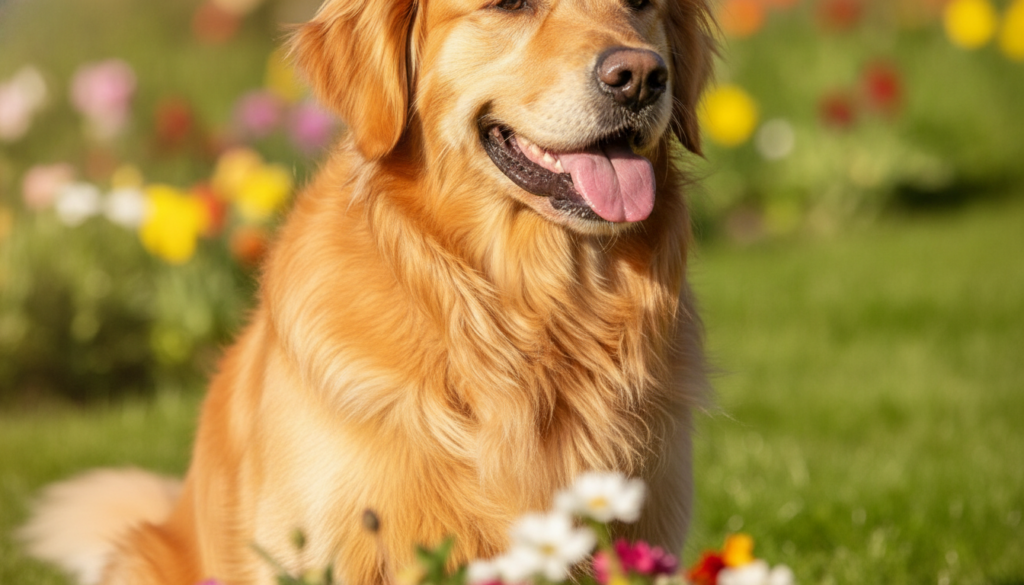
A glossy, strong coat often shows that your dog eats a balanced diet. With proper nutrients, the body can promote dog hair growth and protect the skin barrier. Look for a smooth, steady texture instead of brittle or dry fur.
Excessive flakes or a dull coat may signal poor nutrition, not a need for more grooming products. High-quality proteins and essential fatty acids help build healthy fur. Ask your veterinarian whether the diet meets your dog’s breed-specific needs.
Recognizing Growth Progress
When you begin a plan to promote dog hair growth, changes may appear slowly. Your dog may first seem more comfortable, with less scratching or skin irritation. More softness and less shedding may show that your dog hair growth treatment is working.
Be patient because hair cycles take time to change. Persistent bald spots, open wounds, or sudden thinning are warning signs. Seek veterinary advice at once because hormonal, parasitic, or infectious causes may need medical care.
| Feature | Healthy Coat | Potential Concern |
|---|---|---|
| Texture | Soft and supple | Brittle or coarse |
| Skin | Clear and hydrated | Flaky or inflamed |
| Shedding | Manageable/Seasonal | Excessive/Patchy |
| Growth | Consistent coverage | Bald spots/Thinning |
FAQs About Dog Hair Oil
Owners often ask how oils support a healthy canine coat. They wonder whether a nourishing dog hair oil is needed or could irritate sensitive skin.
Common Concerns and Misconceptions
Human products are not always safe for dogs. They may contain fragrances or additives that can poison pets. Gentle carrier oils differ greatly from concentrated essential oils, which can be extremely irritating or dangerous when applied directly.
Check that your product is made for canine use. Avoid tea tree and wintergreen oils because they can cause harmful reactions. A nourishing dog hair oil uses ingredients balanced for your dog’s unique pH levels.
Best Practices for Usage
For safety, always perform a patch test on a small skin area before full application. Use a tiny amount first, then watch your dog’s skin for twenty-four hours. This step can prevent widespread irritation when your dog has an underlying sensitivity.
Stop your dog from licking extra product right after application. Distract them with a treat or toy while the oil absorbs into their fur. If you notice redness, itching, or signs of skin disease, stop immediately and contact your veterinarian for professional guidance.
Customer Testimonials
Stories from other pet owners offer useful insight into how a premium dog hair oil may work for your companion. Each dog is unique, so these stories show the possible benefits and limits of grooming products.
Positive Experiences with Dog Hair Oil
Many pet parents report better coat texture after regular use. Owners of breeds prone to dry skin often say their dogs seem more comfortable and develop a noticeable shine within weeks.
“After using this oil for three weeks, my Golden Retriever’s coat went from dull and brittle to soft and vibrant. It truly made a difference in his overall appearance.”
Results are not guaranteed. Some users say the product improved hydration, but its strong scent overwhelmed their household. Others saw little change despite regular use, suggesting health issues may need veterinary care instead of topical treatment.
Before and After Comparisons
The table below organizes common feedback to show the possible impact of a premium dog hair oil. Response times vary with each dog’s breed, diet, and specific skin condition.
| Dog Breed | Duration of Use | Primary Concern | Reported Outcome |
|---|---|---|---|
| Labrador | 4 Weeks | Dull Coat | Increased shine and softness |
| French Bulldog | 6 Weeks | Dry Skin | Reduced itching and flaking |
| Poodle | 8 Weeks | Thinning Fur | Inconclusive results |
| Beagle | 3 Weeks | Brittle Hair | Improved texture, strong odor |
These reports show that a premium dog hair oil can be a helpful tool in your grooming kit. Monitor your pet closely, and consult a professional if desired progress does not appear after a reasonable time.
Conclusion: Best Practices for Dog Hair Care
Selecting the best dog hair oil requires knowing your pet’s skin condition and coat type. Choose products that fit your dog’s sensitivities, and seek guidance from your veterinarian.
Small amounts of coconut, jojoba, argan, flaxseed, or salmon-based oils can add moisture and softness. Using a premium dog hair oil correctly can reduce dryness and create a healthy, natural shine. Always start with a patch test to check your pet’s reaction.
Consistency is key to seeing real improvements in your dog’s fur. Combine topical treatments with regular brushing, proper bathing, and a balanced diet to support wellness. Consult a professional about persistent itching, bald patches, or sudden hair loss.
High-quality care helps keep your companion comfortable and vibrant. Stay observant and proactive to support a thick, lustrous coat that reflects your dog’s inner health.