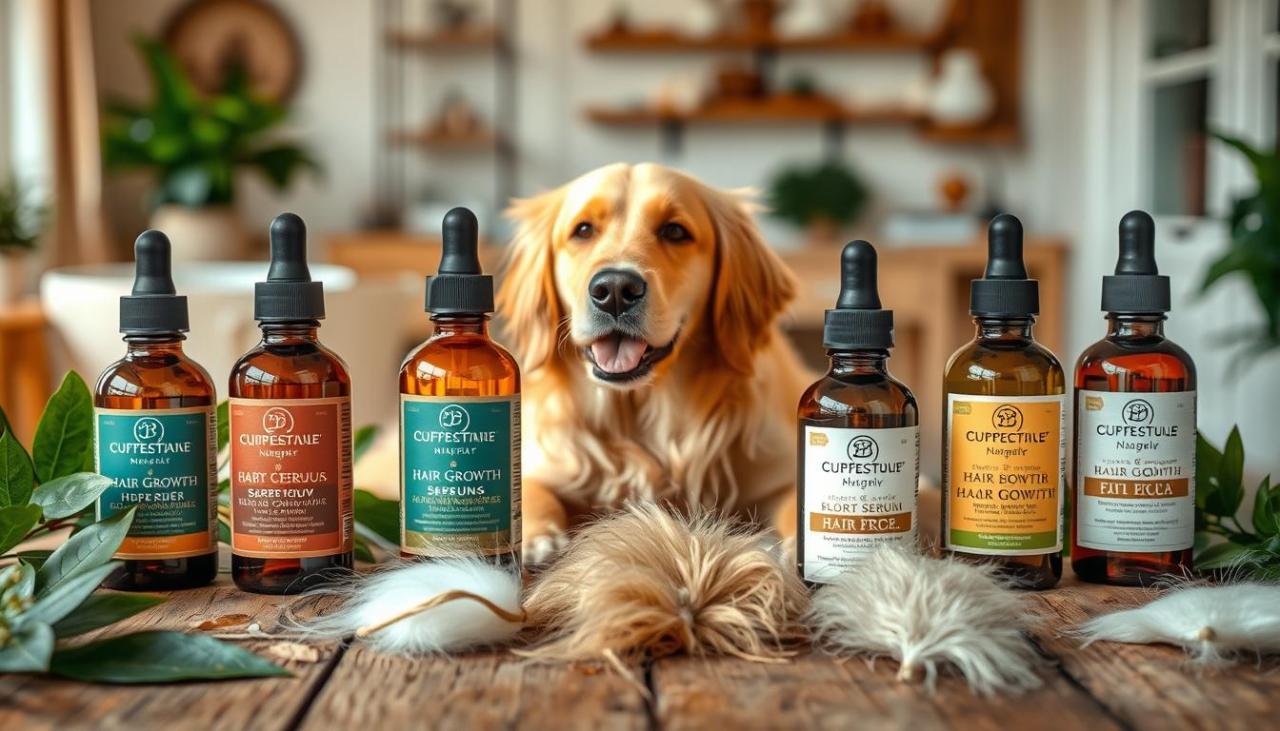
Did you know a dog’s coat cycle depends on over twenty distinct nutritional and environmental factors? Many owners seek a top-rated dog hair growth oil for thinning coats, but shine differs from true biological regrowth.
We assess these products for clear ingredients and veterinary safety. Some formulas reduce breakage and improve softness, but they cannot replace a professional diagnosis for hidden health problems. True recovery depends on supporting the skin’s natural biology.
Our guide explains how to apply these treatments with proper grooming habits. Choosing the right top-rated dog hair growth oil gives your pet the best chance for a lush, healthy appearance.
Key Takeaways
- Distinguish between surface-level conditioning and actual follicle stimulation.
- Prioritize products with transparent, vet-approved ingredient lists.
- Understand that topical solutions support, but do not replace, medical care.
- Consistency in application is essential for visible coat improvements.
- Combine treatments with regular brushing to distribute natural skin lipids.
What is Dog Hair Growth Oil?
Dog hair growth oil contains products that nourish the skin and support the natural hair cycle. These topical grooming solutions condition the coat and create a healthy setting for fur to thrive. Use these oils externally to improve your dog’s coat texture and appearance.
Understanding its Benefits
These products mainly provide deep hydration to the skin and hair follicles. They help prevent dryness and brittleness, which can cause breakage. Many natural dog hair growth remedies use botanical extracts and essential fatty acids to soothe irritated skin and add shine.
However, keep your expectations realistic about what these products can do. Topical oils cannot cure conditions such as parasites, bacterial infections, severe allergies, or endocrine diseases. If your dog has sudden or patchy hair loss, visit a veterinarian first to rule out systemic health issues.
Key Ingredients to Look For
When shopping, focus on clear labels. Choose formulas with specific, high-quality ingredients instead of vague marketing terms. Common beneficial ingredients include jojoba oil, coconut oil, and vitamin E, known for their moisturizing properties.
Remember that “natural” does not always mean safe for every dog. Some pets may react to certain plant-based oils, so perform a small patch test first. Choose products that support skin tolerance and avoid harsh synthetic additives that may cause irritation.
Why Your Dog Needs Hair Growth Oil
We often notice changes in our dogs’ fur that show a need for extra nutrition. A shiny coat suggests good health, but sudden thinning or patchy fur can worry any pet owner. Before using the best dog hair growth supplements, find the root cause so your pet receives proper care.
Common Reasons for Hair Loss in Dogs
Many factors can cause hair loss in dogs, from seasonal shedding to complex medical conditions. Nutritional deficiencies are common; lacking essential fatty acids can make a coat dull and brittle. Environmental allergies and parasites, such as fleas or mites, can cause itching, scratching, and broken hair.
Also, hormonal imbalances or systemic diseases can change skin and fur quality. Consult a veterinarian to rule out infections or metabolic issues before choosing a supplement. Finding the cause helps treat the problem instead of only hiding its symptoms.
Signs Your Dog Might Benefit from Hair Growth Oil
After a veterinarian rules out serious conditions, you can seek ways to improve your dog’s coat health. Your dog’s fur may feel dry, coarse, or less shiny than usual. These signs may show that your pet needs the extra nourishment found in high-quality oils.
Seek immediate veterinary care for persistent thinning, sudden weight changes, or other warning signs. These include sores, a strong odor, or recurrent ear infections, which may signal an underlying issue. With veterinary care, the best dog hair growth supplements may help restore your dog’s healthy coat.
How to Choose the Right Dog Hair Growth Oil
Choosing a supplement for your dog’s fur takes more than reading the front label. Many organic dog hair growth products promise miraculous results, but safety and efficacy require closer review. Focus on evidence-based quality instead of flashy marketing claims.
Factors to Consider When Shopping
When shopping for these oils, prioritize brands that offer full transparency about their sourcing. A reputable company will provide clear information about active ingredient concentrations instead of hiding them in a proprietary blend. You should also look for evidence of third-party batch testing to confirm the product is free from contaminants.
Be wary of vague marketing terms like “veterinarian formulated” or “clinically inspired” when brands provide no supporting data. Realistic expectations matter: no oil can replace a balanced diet or proper veterinary care for underlying health issues. Always check clear storage instructions so the oil stays stable and effective after opening.
Reading Labels: What to Look Out For
The ingredient list is your most valuable tool when evaluating organic dog hair growth products. Check for specific animal proteins, and avoid fillers that may trigger allergies in sensitive pets. If your dog is already taking supplements, check whether the new oil contains overlapping vitamins or minerals that could cause toxicity.
Pay close attention to hidden calories and artificial flavorings that might upset your dog’s stomach. This table helps you separate high-quality indicators from common marketing traps on labels.
| Feature | Quality Indicator | Warning Sign |
|---|---|---|
| Ingredient List | Specific, named sources | “Proprietary blend” |
| Testing | Third-party batch reports | No testing mentioned |
| Claims | Evidence-based benefits | “Miracle cure” language |
| Storage | Specific temperature guidance | No shelf-life information |
These steps can help you confidently choose organic dog hair growth products that support your pet’s well-being. Always consult your veterinarian if you worry about a new supplement interacting with your dog’s current health plan.
Top-Rated Dog Hair Growth Oils in 2023
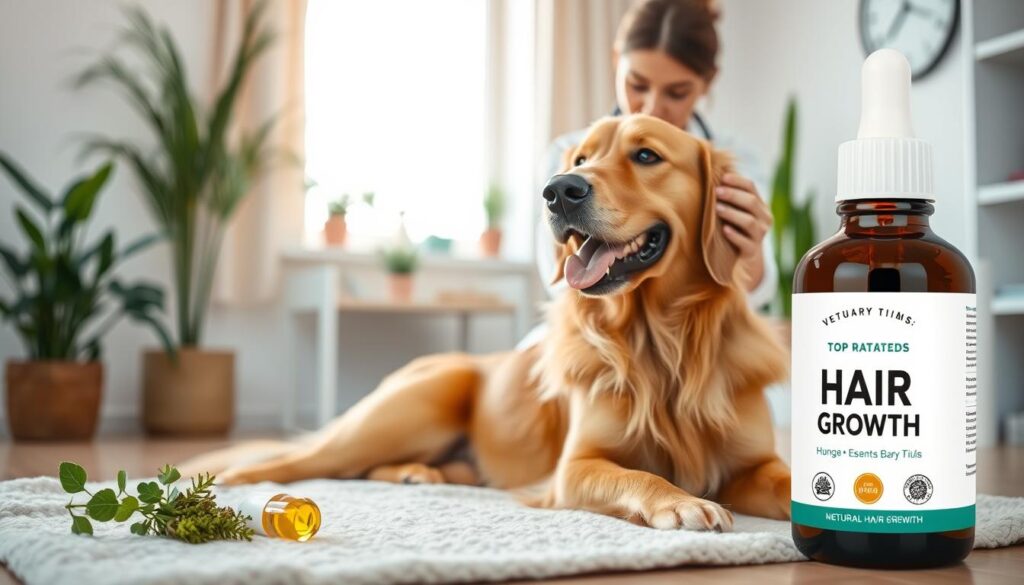
Choosing an effective dog hair growth treatment means balancing quality ingredients with your budget. We favor products with natural extracts and proven conditioners that support your pet’s skin and fur. These oils offer topical support, but work best with a steady grooming routine.
Best Overall: Tauro Pro Line Hair Growth Oil
The Tauro Pro Line system is a complete dog hair growth treatment for owners seeking professional results at home. Its multi-step plan combines deep cleansing with concentrated botanical care to refresh tired follicles. We value its focus on conditioning and focused nutrient delivery.
Budget-Friendly Option: PetHonesty Nourishing Oil
This accessible dog hair growth treatment offers quality without a high price. It uses essential fatty acids to soothe dry skin and support a natural shine. Many owners see a good balance between low cost and improved coat texture.
Premium Choice: Earthbath Botanical Dog Oil
This premium dog hair growth treatment uses a refined blend of organic oils. It suits sensitive skin that needs extra moisture and gentle care. The formula absorbs fast and leaves the coat soft without greasy residue.
| Product Name | Best For | Key Benefit |
|---|---|---|
| Tauro Pro Line | Routine Care | Deep Conditioning |
| PetHonesty | Daily Use | Affordability |
| Earthbath | Sensitive Skin | Botanical Purity |
When choosing your preferred dog hair growth treatment, consider these factors:
- Ingredient Transparency: Always check for natural, non-toxic components.
- Coat Compatibility: Ensure the oil matches your dog’s specific fur length and density.
- Application Flexibility: Look for spray or dropper options that make usage easier.
How to Apply Dog Hair Growth Oil
Proper application of canine hair growth oil can turn grooming into a helpful care routine for your dog. Start with a clean, dry coat so the product can reach the hair follicles. Follow your bottle’s instructions because formulas differ in strength and use.
Step-by-Step Application Guide
Brush your dog first to remove loose fur and tangles. This helps spread the oil evenly. Place a small amount of canine hair growth oil into your palms, then warm it by rubbing your hands together.
Massage the oil gently into the skin with your fingertips. Focus on areas where thinning is most noticeable.
Be extremely careful to avoid the eyes, ears, and nose during the process. For a pre-bath treatment, leave it on for the recommended time, then rinse it well with lukewarm water. If your dog has sensitive skin, remove all residue because buildup may cause irritation.
Tips for a Relaxing Experience
Some dogs may feel anxious during grooming. Keep sessions calm with positive reinforcement, such as small treats or gentle praise. Stop immediately and reassess if your dog seems uncomfortable.
Watch your pet closely for reactions after the first few uses. Look for excessive itching, redness, vomiting, or appetite changes. If you notice these signs, stop using the canine hair growth oil and call your veterinarian.
| Application Type | Best For | Rinse Required |
|---|---|---|
| Leave-in Serum | Dry, brittle fur | No |
| Pre-Bath Treatment | Deep conditioning | Yes |
| Spot Treatment | Localized hair loss | No |
Additional Care Tips for Healthy Fur
While top reviewed dog hair growth oils support skin health, they work best within a stable, long-term wellness routine. Use these products as supplements, not replacements, for consistent daily care. A healthy coat comes from a balanced lifestyle that supports both external care and internal health.
Importance of Regular Grooming
Grooming builds a healthy coat by spreading natural oils, removing loose fur, and preventing painful mats. Mats can trap bacteria. Choose a coat-specific brush: a slicker brush for long hair or rubber curry brush for short coats.
Bathing frequency also affects skin health. Over-bathing can strip essential moisture, while under-bathing may clog follicles. Consistency is key for effective penetration of your chosen top reviewed dog hair growth oils.
Nutritional Supplements for Fur Health
Internal health matters as much as external grooming. Many owners seek quick fixes, but we find a high-quality diet best supports normal hair growth. If your dog’s diet lacks key nutrients, you may notice dull fur or excessive shedding.
When considering supplements, we prioritize those with strong scientific backing for canine health:
- Omega-3 Fatty Acids: These are essential for reducing inflammation and supporting a shiny, resilient coat.
- Zinc and Protein: These nutrients are fundamental building blocks for hair follicles.
- Fresh Water: Proper hydration is often overlooked but is crucial for skin elasticity and hair strength.
We advise caution with trendy supplements like biotin or collagen; their benefits for dogs are less documented than fatty acids. Always consult your veterinarian before adding supplements, confirming they suit your dog’s specific needs.
User Reviews and Testimonials
Learning from fellow dog owners can help you understand new grooming products. Clinical studies offer a foundation, while daily results from canine hair growth solutions give pet parents practical insight.
Real Experiences from Dog Owners
Owners of hairless or high-maintenance breeds often share their journeys to help others explore the market. One Chinese Crested owner reported that regular use soothed dry skin patches and supported healthier hair in sparse areas.
A poodle owner said these oils made the dog’s coat easier to manage during brushing. These stories are anecdotal, not clinical evidence. Each dog responds differently because of its genetics and overall health.
The Impact of Hair Growth Oil on Dogs
When judging these products, separate cosmetic improvements from changes at the follicle level. Most users report quick benefits, including improved softness, enhanced shine, and reduced breakage during grooming.
Some owners report new growth, but we encourage objective tracking. Subjective impressions can mislead, so use standardized photos to monitor changes over time. A log of shedding, itchiness, and hair breakage can show how these canine hair growth solutions affect your specific pet.
| Reported Benefit | Cosmetic Effect | Follicle Impact |
|---|---|---|
| Softness | High | Low |
| Shine | High | Low |
| Manageability | Medium | Low |
| New Growth | None | High |
Frequently Asked Questions
You may have questions about supporting your dog’s fur growth. Clear expectations help when adding premium dog hair growth serums to your pet’s daily routine.
How Long Does It Take to See Results?
Natural hair restoration takes time. Within the first few weeks, a dog hair serum may make fur shinier or softer.
Meaningful density changes usually take longer. Most owners see major improvement after several months of steady use. Consistency is the key to getting the best results from these treatments.
“True health in a dog’s coat is a reflection of internal wellness combined with dedicated external care.”
Are There Any Side Effects?
Most high-quality products are made for safety, but every dog is different. Watch your pet for itching, redness, or changes in appetite.
If you notice vomiting or abnormal stool, stop using the product and contact your veterinarian. Also check for ingredient overlap if your dog follows a restrictive diet or takes specific medications.
Always seek professional guidance if your dog has a pre-existing medical condition. Your veterinarian can decide whether premium dog hair growth serums are right for your companion. Never ignore persistent or worsening hair loss; it may signal an underlying health issue requiring medical care, not topical solutions.
Conclusion: Investing in Your Dog’s Coat Health
A vibrant, healthy coat needs more than simple topical treatments. The best results come from matching products to your dog’s skin condition, diet, and grooming needs.
Selecting the Right Path for Fur Growth
Fatty acids support the skin barrier and control inflammatory responses, but they cannot replace medical care for underlying diseases. We encourage clear labels and measured trials when choosing supplements. Learn more about the best oil for dogs coat to choose high-quality ingredients that truly benefit your pet.
Prioritizing Long-Term Wellness
Consistent grooming and proper nutrition build the foundation for a shiny, resilient coat. If you notice sudden, patchy, or painful hair loss, seek veterinary evaluation to rule out systemic issues.
Healthy fur is a visible sign of your dog’s overall comfort and daily care. By staying observant and proactive, we give our companions support to thrive from the inside out.