A healthy canine can lose thousands of hairs every day. Fur on furniture is common, but excessive hair loss may signal a need for support. Finding the best oil for dog shedding may feel hard, but it can support better coat health.
It is important to separate normal seasonal changes from unusual hair loss. Natural cycles shed fur, but alopecia disrupts hair growth and needs professional care. Dietary supplements are a complementary tool, not a miracle cure.
Our guide shows how nutrition, grooming, and veterinary advice help manage loose hair. Together, these strategies can help your pet keep a vibrant, strong coat all year.
Key Takeaways
- Understand the difference between natural seasonal hair loss and medical alopecia.
- Recognize that dietary supplements support skin health but are not a guaranteed cure.
- Combine nutritional changes with consistent grooming to manage loose fur effectively.
- Consult your veterinarian if you notice bald patches or skin irritation.
- Focus on a holistic approach including diet, hydration, and regular brushing.
Understanding Dog Shedding and Its Causes
Some hair loss is normal, but pet parents must spot healthy coat turnover and possible health problems. Shedding is a natural biological process that removes old or damaged hair for new growth. Hair loss often depends on breed, coat type, and overall health.
Common Reasons Dogs Shed
Many factors affect how much fur you find on your floors. Genetics play the largest role, and double-coated breeds like Huskies or Golden Retrievers naturally shed more than single-coated breeds. Environmental factors, including indoor heating or air conditioning, can disrupt a dog’s natural cycle and cause shedding throughout the year.
Nutrition is another critical component of coat health. Without balanced fatty acids and proteins, a dog’s hair follicles may weaken. Weak follicles can cause brittle hair that breaks or falls out too easily.
Seasonal Shedding Patterns
Most dogs shed much more in spring and fall. This process, called “blowing the coat,” helps dogs adjust to changing temperatures. In spring, they lose thick winter undercoats to stay cool; in fall, they shed lighter hair for denser winter layers.
During these transition periods, you may see much more loose fur around your home. This is a normal physiological response to changes in daylight and temperature. Regular grooming during these times keeps your dog comfortable and your home clean.
Health Issues Related to Excess Shedding
Seasonal changes are expected, but year-round thinning or sudden bald patches may signal a deeper problem. Issues such as hormonal imbalances, thyroid disease, or severe allergies can cause hair to fall out in clumps. Fleas and mites can cause intense itching, leading to scratching and hair loss.
Stress and anxiety can also affect your dog’s coat. Chronic stress may make the body prioritize other functions over skin and hair health. Sores, red skin, or a dull, patchy coat require a closer look at your dog’s well-being.
| Shedding Type | Primary Cause | Action Required |
|---|---|---|
| Seasonal | Temperature/Light | Increased brushing |
| Nutritional | Poor diet | Consult a vet/diet change |
| Pathological | Parasites/Disease | Immediate veterinary care |
| Frictional | Collars/Harnesses | Adjust equipment fit |
Benefits of Using Oil for Dog Shedding
We seek effective ways to improve our dogs’ comfort and appearance. Adding natural oils for dog shedding to your dog’s daily routine can support its skin barrier. These supplements do not stop natural hair loss, but they support a healthy coat and may limit breakage.
Nourishing Skin and Coat
Healthy skin supports a lustrous, strong coat. Essential fatty acids help reduce dog shedding linked to dry, itchy, or irritated skin. Hydration from within helps hair follicles stay strong against environmental stressors.
“The quality of a dog’s coat is a direct reflection of their internal health and nutritional status.”
Reducing Allergens in Your Home
Many pet parents want less loose hair and dander in their homes. Improving your dog’s skin integrity can reduce dog shedding and limit allergen spread. A nourished coat holds loose hair until routine grooming removes it.
- Supports a stronger skin barrier against irritants.
- Minimizes the accumulation of loose fur on furniture.
- Promotes a cleaner home environment for the whole family.
Promoting Overall Health
Beyond the surface, natural oils for dog shedding support a dog’s overall health. These fats may lower inflammation throughout the body, supporting healthier joints and higher energy levels. When dogs feel better inside, their coats often look vibrant and feel soft.
Consistency is key to seeing these positive changes. Combine high-quality oils with regular brushing for complete pet care that benefits you and your furry friend.
Best Oils for Reducing Dog Shedding
Choosing the best oil for dog shedding means comparing each option’s nutritional benefits. These supplements should support skin health and reduce fur left on furniture.
Fish Oil: Omega-3 Rich Benefits
Fish oil is widely viewed as a reliable dog shedding oil. It contains omega-3 fatty acids that are crucial for reducing inflammation and strengthening the skin barrier.
Adding these healthy fats daily can hydrate skin from the inside out. This may reduce dry, flaky skin that contributes to excessive hair loss.
Coconut Oil: Moisturizing and Soothing
Coconut oil may soothe irritated skin and give a dull coat a healthy sheen. Its medium-chain triglycerides may also support overall skin health.
Use this option carefully, considering product quality and calorie intake. It is essential to monitor your dog’s weight because extra fat may cause unwanted weight gain. Balance it with regular meals.
Olive Oil: Healthy Fats for Dog Coats
Olive oil is a common pantry staple and a source of healthy fats for pets. Small, controlled amounts may help maintain moisture in the skin and coat.
Finding the best oil for reducing shedding in dogs may require trial and error. Your pet’s tolerance can guide this process. Consult your veterinarian before adding supplements to match your dog’s health needs and dietary requirements.
How to Incorporate Oil into Your Dog’s Diet
Adding healthy fats to your pet’s bowl can provide effective dog shedding remedies. Take a slow approach so your dog adjusts without digestive upset. Ask your veterinarian first to match supplements to your dog’s health needs.
Recommended Dosage Guidelines
Use proper portions when introducing oils to help prevent unwanted weight gain. Oils contain many calories, so include them in your dog’s total daily intake. Read the label carefully and follow the manufacturer’s weight-based instructions.
“Start with a small fraction of the recommended dose and gradually increase it over two weeks to monitor how your dog’s system reacts.”
Mixing Oils with Dog Food
Adding these supplements to your dog’s meals is usually simple. Drizzle the measured oil over dry kibble or wet food. This helps your dog eat all the oil and hides strong new flavors.
- Consistency is key: Add the oil at the same time every day to establish a routine.
- Monitor reactions: Watch for signs of loose stools or skin irritation, which may indicate the dose is too high.
- Check for quality: Use only high-grade, pet-safe oils to avoid harmful additives.
Treating with Oil Topicals
Some owners also try topical oils as part of their dog shedding remedies. Your dog may lick the oil off its skin. Choose only food-grade, non-toxic oils for this method.
Before applying oil, check for skin infections or unexplained hair loss. If you see missing-fur patches, schedule a veterinary examination. Safety should always be our top priority for our pets’ skin and coat health.
Essential Nutrients for a Healthy Coat
External grooming matters, but daily nutrients form the base of a lustrous coat. A balanced diet supplies building blocks for strong hair follicles and healthy skin. When dietary gaps occur, dog shedding supplements can help fill them and support overall wellness.
Importance of Fatty Acids
Omega-3 fatty acids are essential for your dog’s skin lipid barrier. These healthy fats reduce inflammation, which can cause heavy scratching and hair loss. Adding high-quality fish oils helps keep the coat shiny and resilient.
These fats work best as part of a complete nutritional profile. While dog shedding supplements can help, they should support, not replace, a high-quality diet. After adding these fats, watch for changes in your pet’s coat texture.
The Role of Vitamins and Minerals
Each of several micronutrients supports skin health and hair growth. Vitamin A and Vitamin E act as powerful antioxidants that protect skin cells from oxidative stress. Zinc and iron help maintain each hair strand’s structural integrity.
Biotin supports keratin production, and keratin is the main protein in your dog’s fur. A balanced diet or targeted dog shedding supplements can greatly reduce brittle hair. Hydration is also critical because water carries these nutrients throughout the body.
Recommended Dog Food Additives
If you suspect a nutritional deficiency, you may want to add boosters to your dog’s bowl. However, random supplements can cause imbalances or malabsorption problems. We recommend seeking veterinary guidance before adding new products to your dog’s routine.
A professional can tell whether your dog needs extra support or only a simple diet change. An expert can help ensure that any dog shedding supplements you choose are safe and effective for your pet’s specific health needs.
DIY Oil Treatments for Shedding Dogs
Online DIY pet tips are common, but homemade oil treatments need caution and professional guidance. It is tempting to try various natural oils for dog shedding, but your dog’s safety comes first. Choose simple, veterinarian-approved methods that support coat health and avoid needless risks.
Homemade Fish Oil Recipes
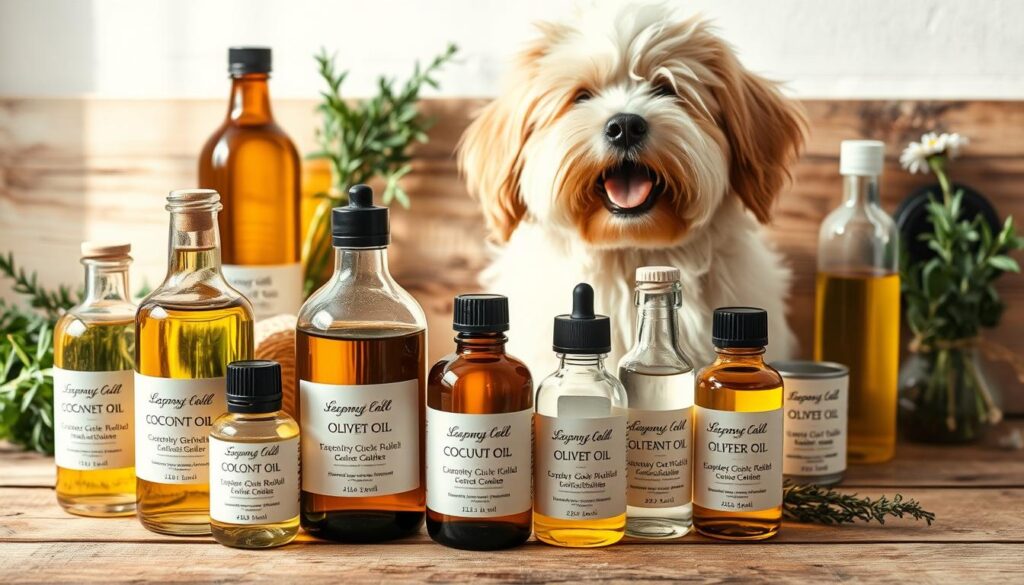
Explore 8 dog coat oils that help reduce shedding and choose one made for canine consumption. Measure the dose for your dog’s weight, then stir it into wet or dry food.
Consistency is key when adding these nutrients to your dog’s diet. A steady supply of Omega-3 fatty acids helps nourish the skin from within. This method is safer and more effective than mixing topical treatments at home.
Coconut Oil Massage Techniques
If your veterinarian confirms that your dog has dry, flaky skin, a gentle coconut oil massage might help. Use a small amount of organic, cold-pressed coconut oil, warming it between your palms before applying it. Focus on thin-coated areas, but avoid sensitive regions like the eyes or ears.
The most important rule is preventing your dog from licking the oil. Coconut oil is generally safe in small amounts, but too much can cause digestive upset. Use a protective cone or distract your dog with a long-lasting chew until the oil absorbs into the skin.
Essential Oil Blends to Consider
We strongly discourage homemade essential oils for dog shedding unless a veterinarian recommends a pet-safe formula. Many common essential oils are toxic to dogs and can cause serious skin irritation or breathing problems. Always confirm a product’s safety with a professional before applying it.
If you want to use essential oils for dog shedding, choose pre-formulated, diluted products labeled safe for canine use. Never make your own blends with concentrated oils from health stores. Your veterinarian can suggest safe, natural alternatives that protect your dog’s health.
| Method | Primary Benefit | Safety Level |
|---|---|---|
| Fish Oil Supplement | Internal Coat Health | High (Vet Approved) |
| Coconut Oil Massage | Skin Moisturizing | Moderate (Requires Supervision) |
| Commercial Sprays | Surface Conditioning | High (If Pet-Safe) |
Additional Grooming Tips to Reduce Shedding
Good nutrition matters, but regular care helps manage your dog’s coat. Add these habits to reduce dog shedding.
Regular Brushing Techniques
The right tools help manage loose fur. For short-haired breeds, a rubber curry brush lifts dead hair without irritating skin. For thick double coats, use an undercoat rake or shedding blade to reach dense fur near the skin.
Slicker brushes detangle coats and remove loose debris from most coat types. Brush your dog at least three times a week to keep its coat healthy and manageable. Regular brushing also helps you spot skin problems or parasites early.
Bathing and Skin Care Practices
Bathing is one of the most effective dog shedding remedies when done correctly. A high-quality, dog-safe shampoo loosens dead hair and moisturizes the skin. Avoid over-bathing because it strips natural oils, causing dry, flaky skin and more shedding.
Rinse your dog thoroughly to prevent soap residue and itching. After bathing, check for redness or irritation. Maintaining proper hydration and skin health is a critical component of long-term coat care.
Professional Grooming Options
Sometimes, professional care gives the best results. Expert groomers provide specialized de-shedding treatments with high-velocity dryers and professional-grade tools. These treatments remove massive amounts of undercoat during seasonal transitions when your dog blows its coat.
Regular appointments are among the most reliable dog shedding remedies for busy owners. Professionals can also identify underlying skin conditions that may cause excessive hair loss. Combine professional care with your home routine to reduce dog shedding and keep your home cleaner.
When to Consult a Veterinarian
Many owners seek the best oil for reducing dog hair loss, but professional medical care is sometimes needed. Home remedies support coat health, but they cannot diagnose hidden medical conditions. Seek expert advice if your dog’s coat changes suddenly.
Identifying Related Health Issues
Watch your pet for signs beyond normal seasonal shedding. Bald patches, open skin lesions, and lasting thinning may signal serious health problems. Persistent itching or redness may point to allergies or parasites needing specific medication.
Veterinarians often check for endocrine disorders, nutritional deficiencies, or infections before recommending treatment. The best oil for reducing dog hair loss may not work when hormonal or systemic problems cause hair loss. Always schedule a physical exam when you notice these warning signs.
Understanding Shedding Myths
Many people think seasonal changes cause all hair loss. However, you must separate normal shedding from medical alopecia. Read this guide on why is my dog shedding to better understand biological triggers.
“The health of a dog’s coat is often a direct reflection of their internal well-being, and changes should never be ignored.”
Do not assume a supplement will fix every issue. The best oil for reducing dog hair loss supports skin health, but it cannot cure conditions like mange or thyroid disease.
How to Choose the Right Vet
Find a veterinarian who listens to your concerns and supports your dog’s long-term health. Choose a clinic offering diagnostic tests, including blood work and skin scrapings. A good vet explains why your dog is losing hair instead of pushing quick fixes.
- Check for board-certified specialists if your dog has chronic skin issues.
- Ensure the clinic has a clear communication policy regarding follow-up care.
- Ask about their experience with nutritional counseling and dermatological health.
Conclusion: Finding the Best Oil for Your Dog
Managing your pet’s fur takes more than simple topical treatments. The best oil for dog shedding can add essential fatty acids for hydrated skin and a shiny coat. These supplements work best within a complete wellness plan.
Integrating Supplements and Routine Care
Explore natural options in this expert guide to a healthier coat to help manage seasonal changes. Pair high-quality oils with regular brushing, fresh water, and a balanced diet for a vibrant, healthy pet.
When to Seek Professional Guidance
Shedding normally varies by breed and season, but sudden changes may point to health concerns. Watch for bald patches, irritated skin, or thinning that continues despite basic care. These signs need a veterinarian visit to check for alopecia or parasitic infections.
Commitment to Long-Term Wellness
Your dog’s nutrition and grooming habits greatly affect their quality of life. Choose the best oil for dog shedding and schedule regular veterinary checkups to keep your companion comfortable and happy year-round. We hope this information helps you provide the best care for your furry friend.