More than 40% of pet owners struggle to manage their companion’s dry, brittle coat. A healthy sheen often requires more than diet; it also needs proper outside care.
We believe a high-quality topical solution can greatly improve your dog’s coat. This guide explores the best dog hair oil options for external use, better texture, and shine.
These topical products differ from supplements that pets eat. Good nutrition matters, but our focus is surface-level hydration and grooming. We will explain safe application for a soft, manageable coat at home.
Key Takeaways
- Topical treatments provide immediate moisture to the coat.
- External application differs significantly from dietary supplements.
- Regular grooming habits amplify the benefits of topical products.
- Safety and ingredient quality are paramount for pet health.
- Consistent use leads to smoother, more manageable fur.
What is Dog Hair Oil and Why Use It?
Dog hair oil is a useful part of a modern pet grooming kit. Apply these topical solutions directly to your dog’s fur or certain skin areas for quick hydration. Many owners now choose natural pet care products to help pets avoid harsh chemicals during routine care.
Definition and Purpose
Dog hair oil is a conditioning treatment that restores lost moisture to the hair shaft. It forms a protective barrier that seals in moisture and keeps fur from becoming brittle or dry. Adding these natural pet care products to your routine helps protect your dog’s coat structure.
These oils support grooming, but they do not treat medical problems. They may soothe minor dryness, but they cannot replace a vet’s diagnosis of ongoing skin diseases or infections. Always consult your vet if you see unusual redness, sores, or hair loss.
Benefits for Your Dog’s Coat
The main benefit of high-quality oil is a clear improvement in texture. Regular use makes the fur softer and smoother and greatly reduces detangling time. A conditioned coat is easier to brush, making grooming more pleasant for you and your pet.
These oils also give the coat a healthy, natural shine that makes your dog look vibrant. Hydrated skin can reduce flaking and irritation caused by environmental factors. Regular use helps your dog’s coat stay strong against daily wear and tear.
Key Ingredients to Look For
Understanding your pet’s grooming supplies can support their long-term health. When shopping for an organic dog hair oil, check the ingredient list. Looking beyond marketing claims helps ensure better care for your pets.
Natural Oils You Can Trust
Nature offers powerful ways to maintain a soft coat. We often choose coconut oil for deep moisture or argan oil for a healthy sheen. Flaxseed oil and salmon oil also support the skin barrier because they contain natural fats.
It is important to separate refined formulas from unrefined ones. Unrefined oils often keep more natural nutrients, making them better for sensitive skin. When choosing an organic dog hair oil, we prefer cold-pressed options for the best quality.
“The quality of the ingredients you apply to your dog’s coat is just as important as the quality of the food you put in their bowl.”
Essential Nutrients for Healthy Fur
Beyond base oils, we seek nutrients that support long-term skin health. Fatty acids, including Omega-3 and Omega-6, help reduce dryness and irritation. These nutrients work from within to keep fur vibrant and strong.
We also value formulas enriched with Vitamin E and various antioxidants. These ingredients protect skin from environmental stressors and help repair damaged hair follicles. An organic dog hair oil with these nutrients supports grooming beyond simple looks.
Top Benefits of Using Dog Hair Oil
Providing premium dog coat nourishment can improve your pet’s comfort and appearance. Adding these oils to a regular grooming routine can improve skin health and fur vitality.
Promotes Softness and Smoothness
Dry, brittle fur can make dogs uncomfortable. High-quality oils lock in moisture, and this care drastically improves coat texture. It keeps each strand soft, making cuddle time more enjoyable.
“A healthy coat is the mirror of a dog’s internal well-being, and proper topical care is the final touch for a radiant look.”
Reduces Shedding and Tangles
Managing a thick or long coat can be difficult, but oil helps. It detangles fur, so brushes move through knots with less pain. Hydrated follicles hold fur better, which may reduce loose hair during shedding seasons.
Enhances Shine and Luster
Consistent premium dog coat nourishment can create a bright, healthy shine. Oil reflects light from the hair shaft, giving your dog a vibrant, polished look. The table below compares these benefits with standard grooming practices:
| Benefit | Standard Grooming | With Hair Oil |
|---|---|---|
| Texture | Often dry | Silky and soft |
| Manageability | Frequent tangles | Easy to brush |
| Appearance | Dull finish | High luster |
These products offer benefits, but they work best with a balanced diet. We believe consistent care is key to maintaining a beautiful, healthy coat for years.
How to Choose the Right Dog Hair Oil
Know your dog’s hair type before choosing oil for a healthy, shiny coat. Consider your pet’s needs, daily life, and skin when choosing a grooming product. High-quality ingredients can support lasting skin health and lively fur.
Consider Your Dog’s Coat Type
Different coat textures need different amounts of moisture and oil. For example, dogs with long or curly hair often need light, detangling formulas. These formulas help prevent mats without weighing down the fur.
Breeds with double coats may need special oils that reach the undercoat and maintain moisture. Short-haired breeds usually need less product because their natural oils spread more easily. Consistency is key when matching oil to your dog’s fur texture.
Choose a formula that matches your dog’s hair density to prevent a greasy or heavy residue.
Check for Allergens and Sensitivities
When shopping for a dog hair oil for sensitive skin, read the label carefully. Avoid artificial fragrances, harsh chemical preservatives, and synthetic dyes. These additives can irritate pets with delicate skin barriers.
If your dog has allergies or unexplained hair loss, consult your veterinarian before using a new topical treatment. Try a small patch test on a hidden skin area to watch for reactions. This step can provide peace of mind and help you find safe options.
| Coat Type | Oil Texture | Primary Benefit |
|---|---|---|
| Short/Smooth | Lightweight | Natural Shine |
| Long/Silky | Medium/Detangling | Prevents Tangles |
| Sensitive/Dry | Hypoallergenic | Soothes Irritation |
| Double/Thick | Deep Penetrating | Skin Hydration |
Application Tips for Best Results
A lustrous coat needs more than the right product. Add these steps to your dog grooming essentials kit for gentle care without irritation.
Frequency of Use
How often you apply oil depends on your dog’s coat type and skin condition. For many breeds, a once-weekly application provides enough moisture for a healthy shine.
Dogs with dry or brittle fur may need more frequent treatments. Follow your product’s directions and ask your veterinarian about a schedule for your pet’s needs.
Proper Application Techniques
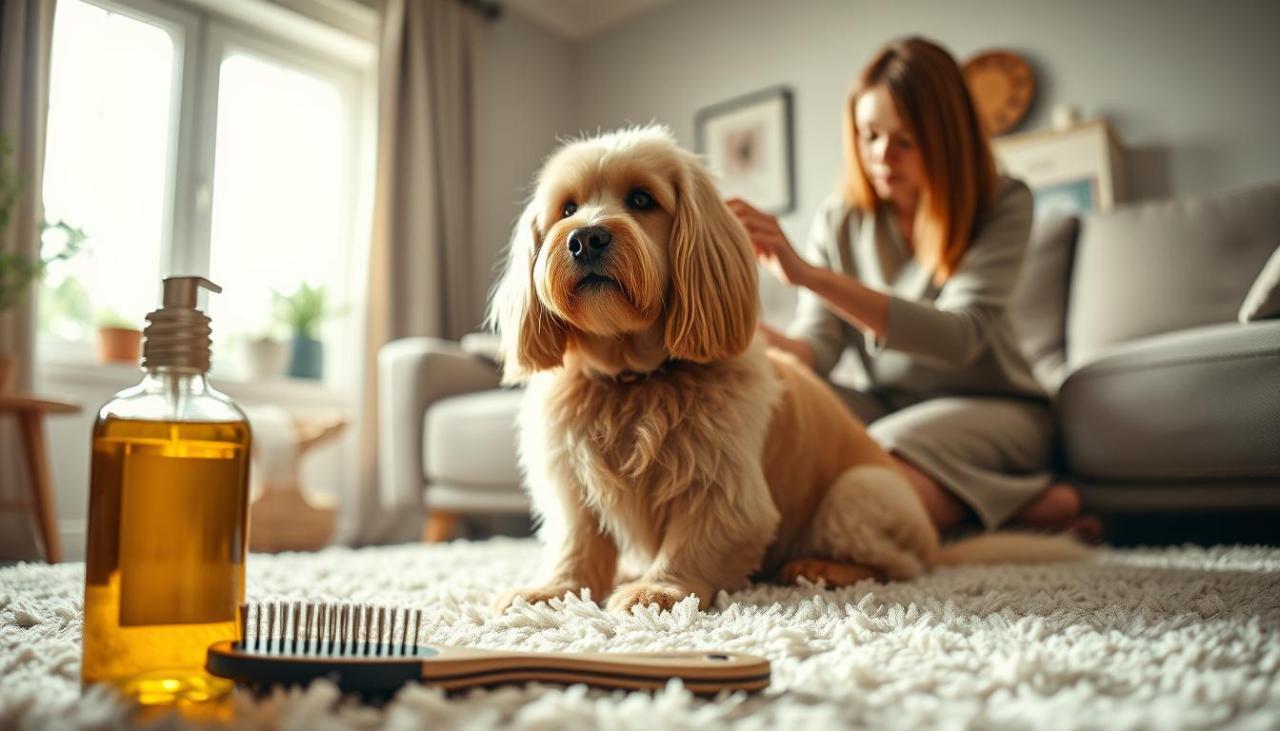
Start with a small amount of oil to avoid saturating the coat. Warm the product between your palms, then massage it into dry areas or spots prone to tangles.
Use a high-quality brush to distribute the oil evenly from root to tip. This removes excess product while keeping your pet’s fur soft and manageable. Mastering these dog grooming essentials helps maintain a beautiful, healthy coat.
Our Top Picks for the Best Dog Hair Oil
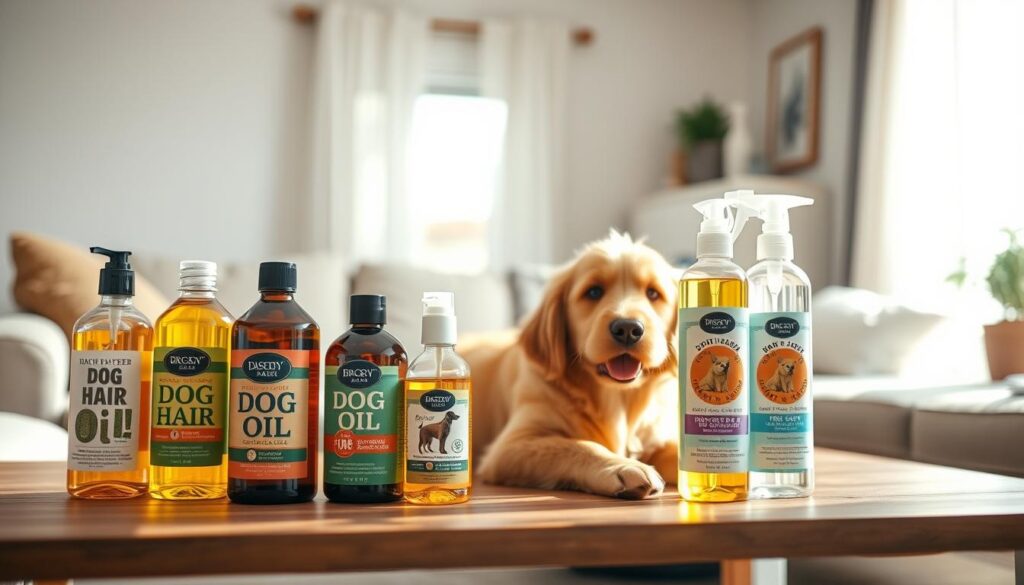
Choosing grooming supplies from a vast market can challenge any pet owner. We reviewed current options to find our top-rated dog hair products for safe, effective care. Clear grooming goals can help you choose the right treatment for your furry friend.
Product 1: Description and Benefits
Unrefined coconut oil is a flexible choice for dogs with dry or itchy skin. This natural, food-grade option deeply hydrates the hair shaft and restores a healthy glow. Many owners choose it because small amounts are safe to ingest and it soothes minor skin irritation.
Product 2: Description and Benefits
Salmon oil is known for its high level of Omega-3 fatty acids. It suits dogs with heavy shedding or dull fur. By nourishing skin from within, it supports a thicker, more resilient coat that feels soft.
Product 3: Description and Benefits
Botanical oils, such as argan or flaxseed blends, suit long-haired breeds prone to tangles. These light formulas work as a leave-in conditioner, making daily brushing easier. They add a luxurious shine without leaving greasy residue on your dog’s fur.
| Product Type | Primary Benefit | Best For |
|---|---|---|
| Unrefined Coconut | Skin Hydration | Dry, Itchy Skin |
| Salmon Oil | Shedding Control | Coat Health |
| Botanical Blend | Detangling | Long, Silky Fur |
Dog Hair Oil vs. Traditional Grooming Products
A cruelty-free dog hair treatment serves a different purpose than traditional grooming tools, supporting a healthy coat. Many owners use standard supplies, but oils focus on skin and fur health in a different way.
Comparing Effects on Coat
Shampoos and conditioners remove dirt, debris, and extra oils from the skin. They clean the surface but can leave the hair shaft open to environmental stress.
In contrast, topical oils enter the hair cuticle, add deep hydration, and seal in moisture. Brushes help manage tangles and remove loose fur, but they do not give the nutritional support that quality oil provides. Together, these tools create a balanced routine and help your dog look their best.
| Product Type | Primary Function | Best For |
|---|---|---|
| Dog Hair Oil | Hydration & Sealing | Dryness & Shine |
| Shampoo | Cleansing | Removing Dirt |
| Brushes | Detangling | Removing Loose Hair |
Cost-Effectiveness
When planning your budget, consider how concentrated your grooming supplies are and how long they last. A premium cruelty-free dog hair treatment often has a concentrated formula, so a little lasts longer than bulky shampoo bottles.
Use these points to measure your grooming kit’s long-term value:
- Application Frequency: Oils are often used sparingly, extending the life of the product.
- Ingredient Transparency: Investing in a quality cruelty-free dog hair treatment ensures you are paying for potent, safe ingredients rather than fillers.
- Coat Coverage: High-quality oils spread easily, reducing the total volume needed per session.
Choosing efficient and ethical products helps maintain a beautiful coat without overspending. We find that combining traditional tools with targeted oils offers the most cost-effective way to support a healthy, glowing pet.
How to Incorporate Dog Hair Oil into Your Routine
The best results come from using the right products on a steady schedule. A regular grooming habit keeps your pet comfortable and looking its best. Using recommended dog grooming supplies gives you a professional grooming experience at home.
Combining with Bathing and Brushing
A healthy coat depends on how you use your grooming tools. After a bath, clean dog hair absorbs moisture well, so apply a light layer of oil. Always choose the right brush for your dog’s coat type to spread the product evenly.
For long-haired breeds, an undercoat rake reaches the skin, while a slicker brush removes tangles. For short, smooth coats, a soft bristle brush creates a beautiful finish. Using these recommended dog grooming supplies with hair oil prevents mats and keeps fur soft.
Best Times to Apply
Timing matters when you want a healthy shine without heavy buildup. Apply a very small amount of oil after a bath, while the coat remains slightly damp. This locks in moisture and protects the hair shaft as it dries.
Between baths, oil can refresh the coat and control flyaways. Rub a few drops between your palms, then gently smooth them over the fur. Consistency is key, but use less oil to keep your dog’s coat light and clean.
Customer Reviews: What Pet Owners Say
Pet parents’ shared experiences can guide your choice. When reading dog hair oil reviews, you gain details beyond marketing claims.
Positive Feedback and Success Stories
Many owners report transformative results after adding these products to their grooming routines. In dog hair oil reviews, users often praise softer and smoother fur after a few applications.
Pet parents often share stories about their dogs’ appearance. They frequently report a significant increase in shine and luster, making pets look healthier and more vibrant. Many also say these oils manage dry, flaky skin and provide needed relief.
Common Concerns
Many experiences are positive, but read dog hair oil reviews objectively. Some users warn of oily residue when people apply too much product. Others say some oils smell too strong for sensitive noses.
Some owners also discuss dogs licking the product from their fur. If your pet shows skin sensitivity or irritation, stop using the product immediately. We always recommend monitoring your dog’s response for several weeks. Consult your veterinarian if symptoms persist or worsen.
Myths and Facts About Dog Hair Oil
Advice about dog oils often conflicts, so let us separate fact from fiction. Understanding dog hair oil facts helps keep your pet healthy and comfortable. Many common beliefs about these products fail under professional review.
Debunking Misconceptions
A common myth says more oil creates faster or better results for a dry coat. In fact, over-application can make fur greasy, clog pores, and collect dirt that attracts pests. Follow the recommended dosage to prevent these problems.
Another myth says every natural oil is safe for every dog. Natural ingredients may help, but some essential oils can be toxic if swallowed or applied in high concentrations. Check each ingredient’s safety before applying it to your pet.
Understanding the Science Behind It
Separate cosmetic coat conditioning from medical treatment. Topical oils can add shine and manage tangles, but they cannot replace veterinary care for infections, parasites, or severe inflammation. Using oils for skin disease can delay needed medical care.
Choose products based on ingredient quality and whether your dog may lick the area. Regular use of high-quality, pet-safe formulas works better than occasional use of low-grade alternatives. Ask your veterinarian whether the product fits your dog’s health needs.
| Feature | Cosmetic Conditioning | Medical Treatment |
|---|---|---|
| Primary Goal | Shine and Softness | Healing and Relief |
| Application | Surface of the coat | Targeted skin areas |
| Expertise | Owner-managed | Veterinary-prescribed |
| Expected Result | Improved texture | Resolution of symptoms |
Keep these dog hair oil facts in mind when choosing products for your dog. These informed choices protect your dog’s well-being. Consistent use and quality help create a healthy, lustrous coat.
Frequently Asked Questions About Dog Hair Oil
We understand that you want the best for your furry friend. Today, we address your most common concerns. Many pet owners wonder whether topical treatments suit every animal, breed, and age. Most natural products are gentle, but dogs can have different reactions.
Is it Safe for All Dog Breeds?
Generally, a safe dog hair oil uses natural ingredients that suit most coat types. However, check the label for allergens that may affect sensitive breeds. Test a small skin area before applying the product to your dog’s entire body.
Puppies and senior dogs often have more delicate skin than healthy adult dogs. If your pet has had allergic reactions, consult your veterinarian before using a new grooming product. Always avoid concentrated essential oils, which may harm your pet’s respiratory system or skin.
Can It Help with Skin Irritation?
Many owners seek dog skin irritation relief when their pets scratch more than usual. High-quality oils can moisturize dry, flaky skin, but they cannot cure every condition. Never use these products to hide infections, parasites, or severe inflammation.
If you notice hot spots, open sores, or lasting redness, contact your veterinarian immediately. Oil on an infected area might trap bacteria and worsen the problem. When used correctly, these products can soothe minor dryness and improve your dog’s skin barrier.
| Condition | Is Oil Recommended? | Action Required |
|---|---|---|
| Dry, Flaky Skin | Yes | Apply moisturizing oil |
| Bacterial Infection | No | Consult a veterinarian |
| Minor Itching | Yes | Use soothing natural oil |
| Parasites (Fleas/Ticks) | No | Use professional treatment |
Conclusion: Achieve a Gorgeous Coat with the Best Dog Hair Oil
Choosing the right product can improve your pet grooming experience. Consider your dog’s coat type and skin sensitivities to support safety and comfort. Explore our best oil for dog fur recommendations to find the perfect match for your companion.
Making the Right Choice
Unrefined coconut oil adds moisture and shine to dull fur. Salmon oil provides essential EPA and DHA fatty acids that support skin health from within. Start with a minimal amount and watch how your pet reacts to these natural ingredients.
Start Your Grooming Journey
Adding these products to a healthy dog coat routine takes patience and consistency. Regular brushing spreads oils across the skin and hair follicles.
Seek veterinary guidance if persistent dryness, itching, or hair loss follows application. Your dedication to quality care helps your dog stay comfortable and look their absolute best every day.