Did you know nearly 40% of household grooming products contain hidden chemicals that can trigger severe pet reactions? Many owners trust a standard canine coat conditioner, but leave-on treatments can stay against the body. Pets often groom themselves, so they may swallow residue and suffer internal distress or external irritation.
Choosing the right dog hair oil for sensitive skin requires more than reading a label that says natural. Look beyond marketing terms for triggers, such as synthetic fragrances and drying alcohols. These additives often cause contact dermatitis, a painful inflammation that makes pets scratch and feel uncomfortable.
Our goal is to help you read complex labels with confidence. When you screen for harsh compounds, you can protect your furry friend from needless discomfort. We will show you essential steps to ensure every product you apply is truly gentle and safe.
Key Takeaways
- Many grooming products contain hidden chemicals that cause adverse reactions.
- Leave-on treatments pose a higher risk because they remain on the body and can be ingested.
- Fragrances and drying alcohols are primary triggers for painful inflammation.
- Contact dermatitis often results from using improper topical applications.
- Learning to read ingredient lists is the best way to ensure pet safety.
Why sensitive skin needs a stricter ingredient check
When choosing products for pets, remember their skin differs from ours. A dog’s skin has a unique pH balance that shields it from environmental stressors. Human-grade products can upset this balance, causing discomfort and irritation.
Harsh or unsuitable formulas often cause Barrier disruption. When the skin’s natural moisture barrier breaks down, it cannot hold enough water. This causes lasting dryness, severe itching, and greater sensitivity that can be hard to soothe.
Many owners trust labels that promise gentle care, but they should look deeper. Even products sold as hypoallergenic grooming products may hide irritants that trigger flare-ups in reactive dogs. Marketing language aims to sell, but the ingredient list shows what you apply to your pet.
“The skin is the largest organ of the body, and for our canine companions, it serves as the primary defense against a world of potential allergens.”
Always review the label carefully when choosing a dog hair oil for sensitive skin. Do not let catchy phrases distract you from the chemical composition. Choose hypoallergenic grooming products based on specific ingredients, not branding, to better protect our dogs from unnecessary skin distress.
Essential oils we should leave out of dog hair oil
Essential oils may smell good, but they can seriously harm our canine companions. People may use these scents in skincare, but dogs have different physical needs. A pleasant smell never justifies essential oil toxicity on a pet’s coat.
Dogs often groom themselves by licking their fur. Any product on their coat can be swallowed, raising concerns about essential oil toxicity. Consult your veterinarian before choosing a product, especially if you have cats or pets that reacted to grooming supplies.
Learn more about bad essential oils for dogs emergency signs to better protect your furry friend.
Tea tree, wintergreen, and birch oils
Some oils are dangerous for dogs, even in small amounts. Tea tree oil is highly concentrated and may cause neurological issues when absorbed through skin or swallowed. Wintergreen and birch oils contain methyl salicylate, an aspirin-like chemical that can be toxic to dogs.
Peppermint, eucalyptus, and citrus oils
These refreshing oils can trigger breathing problems in sensitive dogs. Eucalyptus and peppermint can seriously irritate the nasal passages and lungs. Citrus oils, including lemon and lime, cause photosensitivity and severe skin irritation, making them poor choices for delicate dog skin.
Cinnamon, clove, and oregano oils
We should avoid “hot” oils because they can cause immediate skin reactions. These include:
- Cinnamon oil: Often causes redness and burning sensations.
- Clove oil: Can lead to skin ulceration or allergic dermatitis.
- Oregano oil: Highly irritating and can cause chemical burns on sensitive skin.
Avoiding these ingredients puts our dog’s health before a temporary scent. Always prioritize safety and clear ingredients when choosing grooming products for your pet.
Fragrance ingredients that can trigger irritation
Fragrance is a broad label that can hide dozens of irritating ingredients. When manufacturers list “fragrance” or “parfum,” they need not reveal the chemicals used to create the scent. This lack of transparency makes it hard to identify compounds that may affect our pets.
Many artificial scents use phthalates and synthetic fixatives to make aromas last longer. These chemicals can cause contact dermatitis in dogs with sensitive skin, causing red, inflamed, and itchy skin. If your dog scratches excessively after application, stop using the product immediately.
Choose a fragrance-free formula whenever possible to reduce unnecessary exposure. Removing synthetic perfumes may reduce flare-ups while supporting your pet’s healthy coat. For a safer option, consider a high-quality dog hair oil spray for shiny coats and healthy fur, using natural, soothing ingredients instead of artificial scents.
Remember, a fragrance-free formula cannot cure existing skin conditions. If your dog shows discomfort, open sores, or ongoing hair loss, consult a veterinarian instead of topical products. Watch for these common signs of irritation:
- Persistent redness or swelling of the skin.
- Excessive licking or biting at specific areas.
- Development of hives or small bumps after grooming.
- Signs of contact dermatitis that do not improve after washing the product off.
Drying alcohols and solvent-heavy formulas
When choosing a canine coat conditioner, look beyond quick shine and read the ingredients. Many manufacturers use volatile solvents to make products feel light and dry quickly. This short-term cosmetic boost may harm your dog’s skin health over time.
Ingredients such as SD Alcohol 40 and isopropyl alcohol often cause problems. They evaporate fast, leaving skin tight, dry, and irritated. Over time, these solvents remove natural oils, which protect the skin barrier and prevent flakiness and discomfort.
Some products also use harsh cleansing agents that are too strong for a dog’s sensitive body. These chemicals remove dirt but can also strip essential lipids from the healthy coat. When choosing a canine coat conditioner, prioritize formulas that support the skin’s natural moisture balance, not fast-drying results.
“The skin is the largest organ of the body, and its integrity depends on the delicate balance of natural oils that harsh solvents can easily disrupt.”
To help you choose wisely, we compared common ingredients in grooming products. Some offer lasting hydration, while others may cause dryness.
| Ingredient Type | Common Examples | Effect on Skin |
|---|---|---|
| Drying Alcohols | Isopropyl, SD Alcohol 40 | Stripping and Irritating |
| Fatty Alcohols | Cetyl, Stearyl Alcohol | Emollient and Smoothing |
| Volatile Solvents | Acetone, Denatured Alcohol | Dehydrating |
| Natural Oils | Jojoba, Coconut Oil | Nourishing and Protective |
Choose simple, pet-formulated products that avoid these volatile solvents entirely. With gentle, nourishing ingredients, your canine coat conditioner provides real comfort, not a brief, surface-level shine.
Dyes and complex botanical blends deserve extra caution
Look beyond bright colors and complex herbal blends when choosing dog hair oil. A bright product may stand out on a shelf, but artificial dyes offer no benefit for your dog’s skin. These synthetic pigments are unnecessary and may cause unwanted reactions in pets with sensitive skin.
Be careful with products that list many botanical extracts. If a formula contains dozens of plant oils, finding the cause of a rash or itch can be nearly impossible. Simplicity is usually the safest path for pets with delicate skin conditions.
Choose products with well-researched, soothing ingredients instead of complex mixtures. For example, a colloidal oatmeal treatment is widely recognized for calming irritated skin without risks linked to obscure botanical extracts. Review the full label, even when it features this helpful ingredient, to check for hidden irritants.
Do not assume that “plant-based” means a product cannot irritate your dog. Natural extracts can be as strong and irritating as synthetic chemicals when poorly formulated. Keep these points in mind to help your dog stay comfortable:
- Avoid products with bright, artificial colors that offer no grooming benefit.
- Prioritize formulas with fewer, more recognizable ingredients.
- Do not assume that “natural” or “plant-based” labels imply safety for sensitive pets.
- Always verify the full ingredient list, even if the product features a soothing component like a colloidal oatmeal treatment.
How to screen the full ingredient list before buying
Understanding what goes into your dog’s hair oil helps protect their sensitive skin. The many options on the shelf can feel overwhelming, but checking the label can prevent needless discomfort.
Separate active ingredients from marketing language
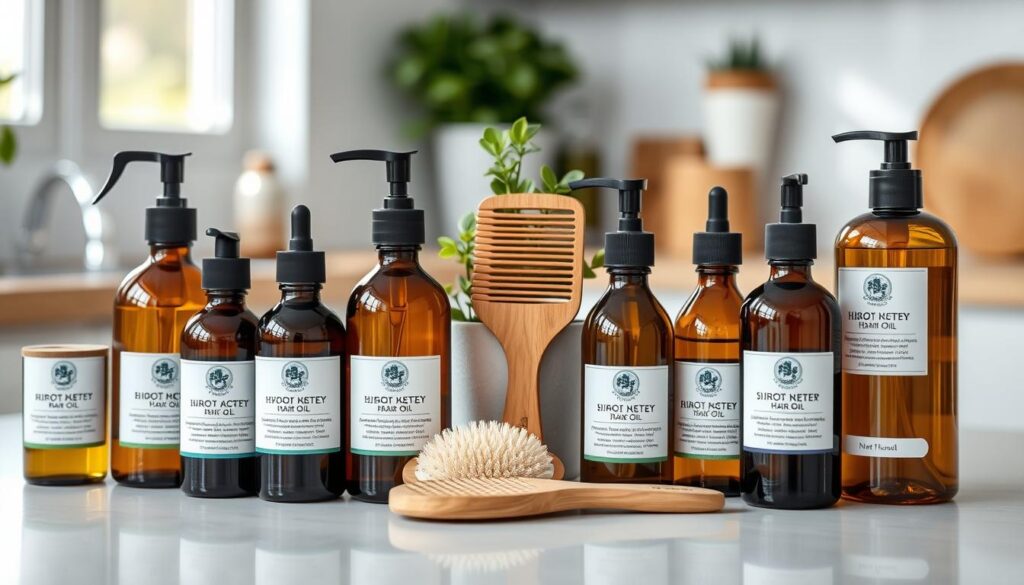
Many brands use vague terms like “natural,” “clean,” or “proprietary blend” to catch our attention. These words sound appealing, but they reveal little about the product’s chemical makeup. Look beyond the bottle’s front and read the complete ingredient list on the back.
When searching for hypoallergenic grooming products, prioritize items that list specific botanical extracts or oils instead of generic labels. If a company hides its full formula, it is often safer to choose another transparent brand.
Distinguish drying alcohols from fatty alcohols
The word “alcohol” on a label can cause alarm, but alcohols differ. Drying alcohols can strip skin moisture, while fatty alcohols soften the coat.
Drying alcohols like isopropyl or ethanol can cause irritation, especially in dogs with existing skin issues. In contrast, fatty alcohols such as cetyl or stearyl alcohol are generally safe and help maintain a healthy moisture barrier. Always check the specific alcohol type to support your dog’s skin health.
Check for complete ingredient disclosure
A reliable product lists all ingredients in descending order of concentration. Choose a fragrance-free formula to reduce the risk of allergic reactions. Before applying new oil to your dog’s coat, perform patch testing on a small hidden area and watch for reactions.
| Ingredient Category | What to Look For | What to Avoid |
|---|---|---|
| Alcohols | Cetyl, Stearyl, Cetearyl | Isopropyl, Ethanol, SD Alcohol |
| Fragrance | Essential oil-free, Unscented | Synthetic perfumes, “Parfum” |
| Labeling | Full disclosure, Clear list | “Proprietary blend,” Vague terms |
How we can patch-test a dog hair oil safely
We believe a small test today can save your dog from serious discomfort tomorrow. Before applying any new product to your dog’s entire coat, prioritize safety through patch testing. This simple process shows how your pet’s skin reacts without risking a full-body reaction.
Apply a tiny amount of oil to a small, hidden area, such as the inner thigh or tail base. Observe the spot for at least 24 hours. This wait helps identify whether your dog is prone to contact dermatitis, which may cause sudden inflammation or irritation.
During this time, watch closely for distress. Look for more scratching, redness, swelling, or small bumps. If you notice scaling or unusual distress, gently wash the area with a mild cleanser, even with a soothing colloidal oatmeal treatment.
“An ounce of prevention is worth a pound of cure, especially when it comes to the delicate skin of our beloved companions.”
If the skin stays clear and your dog shows no discomfort after 24 hours, you can likely proceed. However, if your dog has a history of contact dermatitis, introduce any new product very slowly. Regular patch testing remains the gold standard for keeping your pet happy, healthy, and itch-free.
When skin irritation calls for a veterinarian instead of oil
Sometimes, caring for your dog means knowing when home grooming is no longer enough. Many pet parents use oils to manage dry, flaky skin, but oils cannot cure every ailment. If your dog does not improve, stop applying topical products and seek professional help.
Persistent itching, worsening redness, or visible blisters mean your dog needs a medical evaluation. Watch for essential oil toxicity, which may cause lethargy, drooling, or trouble breathing. If you think your dog ingested a product or reacted badly, contact your clinic immediately.
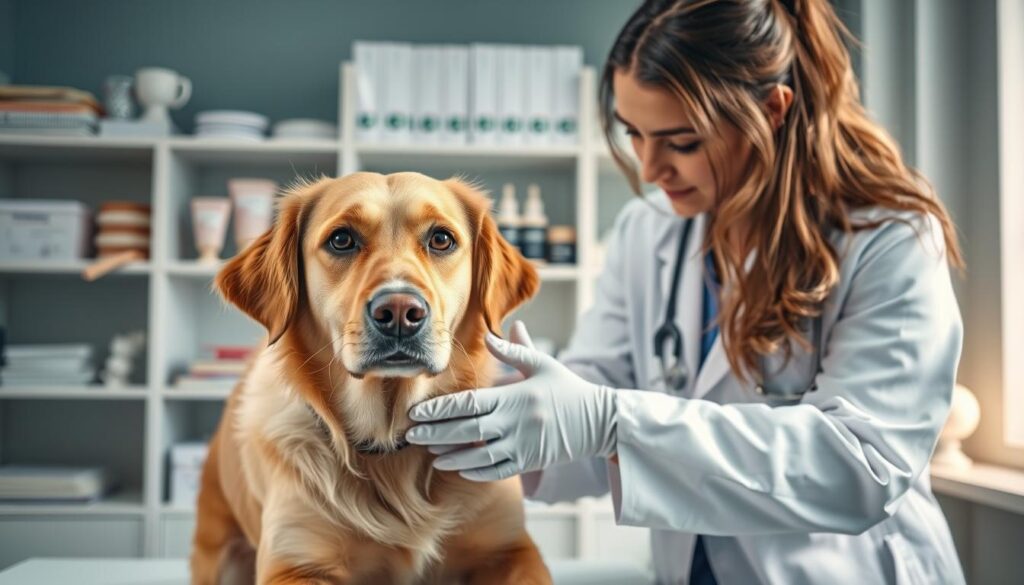
Contact dermatitis can look like simple dryness, but it needs different care. It develops when skin reacts to an irritant, causing inflammation and swelling. Applying more oil to skin affected by contact dermatitis can trap bacteria, worsen irritation, and make treatment harder.
For recurring or hard-to-diagnose skin problems, consult a veterinary dermatologist. These specialists can find complex allergies, parasites, or infections that grooming products cannot fix. Oils may hide symptoms and delay diagnosis of serious problems needing prescription medication.
| Symptom Observed | Potential Concern | Recommended Action |
|---|---|---|
| Mild, occasional flaking | Dryness | Monitor and use gentle products |
| Severe redness or swelling | Contact dermatitis | Schedule a vet visit |
| Lethargy or drooling | Essential oil toxicity | Emergency veterinary care |
| Chronic, recurring sores | Underlying infection | See a veterinary dermatologist |
Conclusion
Choosing the right canine coat conditioner means checking ingredients, not flashy marketing claims. Look beyond pleasant scents and natural labels for formulas that protect sensitive skin.
Avoid harsh essential oils, artificial fragrances, and drying alcohols to reduce unnecessary reactions. Choose simple, pet-specific products that clearly list every ingredient on the bottle.
Always perform a patch test before using any new product on your dog. This step can prevent widespread discomfort and show how specific ingredients affect the skin.
Persistent redness or itching means your dog may need professional advice. A veterinary dermatologist offers the best guidance when skin problems remain unclear or do not improve with basic care.
Our commitment to reading labels helps us support our dogs. We hope this guide helps you make informed choices for a healthy, comfortable coat.