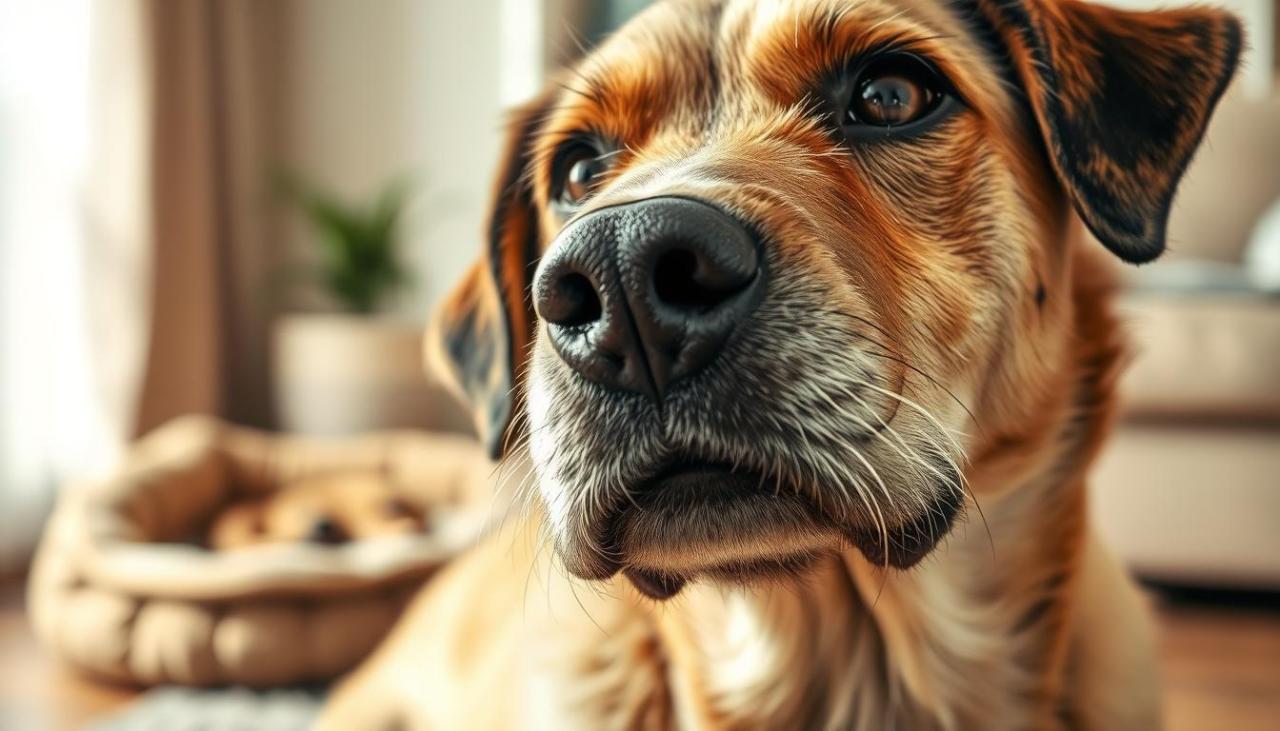
Did you know over 60% of pet owners seek natural pantry staples for their dogs’ coat health? Many pet owners want results without harsh chemicals.
Using olive oil for dog hair is a common home remedy, but proper use matters. Small amounts provide fatty acids that support hydrated skin and a healthy shine.
However, caution is important. Too much can cause weight gain or digestive problems. We encourage you to monitor your pet closely when adding supplements to their routine.
This guide explains how to apply olive oil safely. It also covers when to call a veterinarian, helping your dog stay happy and comfortable.
Key Takeaways
- Small doses support skin hydration and coat luster.
- Excessive consumption causes weight gain and stomach upset.
- Topical application requires careful monitoring to avoid mess.
- Always consult a veterinarian before changing a pet’s diet.
- Quality matters when selecting products for your companion.
Is Olive Oil Safe for a Dog’s Hair and Skin?
Before using household products on your pet, distinguish cooking oils from concentrated essential oils. Standard olive oil is generally safe for external use, but essential oil safety requires separate care. Many concentrated oils can harm pets, so never confuse them with food-grade oil in your pantry.
For canine coat health, remember that olive oil is not a cure-all. It moisturizes skin but does not treat medical conditions. If your dog has chronic irritation, consult a veterinarian instead of relying on home remedies.
We must also consider the risks of oral ingestion. Dogs often tolerate small amounts of olive oil, but too much can cause digestive upset or weight gain. Dogs with pancreatitis must avoid extra fats, because even a small amount can trigger a painful flare-up.
We must also consider how pets behave. If you apply oil to their skin, they will likely lick it off. This can cause gastrointestinal distress or remove the product before it works. The following table lists key safety points for household oils on dogs.
| Consideration | Culinary Olive Oil | Essential Oils |
|---|---|---|
| Safety Level | Generally Safe | Often Toxic |
| Primary Use | Moisturizing Coat | Aromatherapy |
| Ingestion Risk | Mild Digestive Upset | Severe Toxicity |
| Veterinary Need | Low | High |
Ultimately, maintaining your dog’s well-being requires caution. Watch for skin redness or allergic reactions after the first application. If you notice negative changes, stop using the oil and contact your local clinic.
What Olive Oil Can—and Cannot—Do for a Dog’s Coat
Set realistic expectations when using olive oil for dog hair. This natural oil mainly conditions the coat, rather than treating medical problems.
Olive oil contains helpful compounds, including vitamin E, polyphenols, and monounsaturated fats. These components can hold moisture and give fur a healthy sheen. Smoothing the hair shaft may also make the coat feel softer.
Cosmetic changes are different from internal health. Olive oil offers some nutritional support, but it does not contain high levels of omega fatty acids. For inflammatory skin conditions, fish oil supplements may work better because they provide concentrated omega-3s that olive oil lacks.
When using olive oil for canine coat health, patience matters. Do not expect overnight results; visible changes usually take about thirty days of consistent use. Scientific evidence for topical olive oil use also remains limited.
Olive oil may help minor dryness, but it cannot replace veterinary care for serious skin problems. Always prioritize high-quality fish oil supplements for systemic skin inflammation or deep-seated nutritional deficiencies. These limits can help you safely add natural oils to your grooming routine.
When It May Help Dry, Flaky Skin
Seasonal dryness and mild nutrition gaps can cause skin problems in dogs. With dry skin in dogs, your pet may scratch often and feel discomfort. Small amounts of olive oil may provide fatty acids that support a healthy skin barrier.
Not all skin irritation comes from simple dryness. Many pets have food allergies in dogs, causing lasting itching or red, inflamed patches. If you suspect an allergy, discuss diet changes with your veterinarian first.
Environmental triggers also cause many skin problems. Pollen, dust, flea saliva, cold winter weather, and dry indoor air can remove moisture from a dog’s coat. Olive oil may soothe mild cases, but it cannot cure hidden medical conditions.
This natural oil does not treat mange, bacterial infections, or parasitic infestations. Seek medical advice at once if you see hair loss, open sores, or a foul odor. Persistent dry skin in dogs needs a full exam to rule out serious health concerns.
| Condition | Common Symptom | Potential Cause |
|---|---|---|
| Seasonal Dryness | Flaky, dull coat | Low humidity |
| Food Sensitivity | Itchy paws/ears | Dietary proteins |
| Parasitic Issues | Severe scratching | Fleas or mites |
| Bacterial Infection | Inflamed skin | Open wounds |
Watch your dog closely after adding any new supplement. If symptoms worsen or do not improve, stop using the oil and call your clinic. For an effective long-term plan to manage your pet’s skin health, Your veterinarian is the best resource.
Choose the Right Olive Oil for Topical Use
If you decide to use olive oil topically, choose the right product for your dog’s safety. Not every grocery store bottle suits your pet’s sensitive skin. We recommend plain, cold-pressed extra virgin olive oil for the highest purity.
Avoid products with added garlic, onions, herbs, or artificial fragrances. These additives can cause irritation or toxicity, making strict essential oil safety a top priority. If dietary benefits interest you, learn more about whether you can feed your dog olive oil before regular use.
Proper storage matters as much as the initial purchase. Environmental factors can make olive oil rancid, which may harm your dog’s skin barrier. Follow these guidelines to keep your oil fresh:
- Store the bottle in a cool, dark cupboard away from direct sunlight.
- Ensure the cap is tightly sealed to prevent oxidation.
- Check the oil for any off-putting or sour odors before each use.
High-quality oil does not make routine coat saturation a good idea. Too much oil can clog pores and attract dirt, even when the source is pure. Prioritize essential oil safety by applying oil lightly and infrequently, only where extra moisture is needed.
How to Apply Olive Oil to Dog Hair
If your veterinarian approves, learn the proper technique before applying oil to your dog’s coat. Dietary intake often supports skin health, but some owners use small amounts of oil externally. Using olive oil for dog hair requires care to prevent a greasy mess or skin irritation.
Prepare your dog’s coat and skin
Before starting, make sure the area is clean and completely dry. Never apply oil to broken, inflamed, or infected skin because it can trap bacteria and worsen problems. For guidance, consult professional resources about could olive oil help your dogs dry flaky skin.
“The secret to effective grooming is consistency and using the right tools for your pet’s specific coat type.”
Apply a light layer without saturating the fur
Use only a small amount of oil to avoid weighing down the coat. Gently massage a few drops into your hands, then smooth them over the target area. Prevent your dog from licking the product because too much oil can cause digestive upset.
Remove excess oil after treatment
A proper grooming routine should remove residue, not leave fur matted or heavily coated. After a few minutes, blot the area well with a clean, dry towel. If the fur still feels greasy, use a mild, dog-safe shampoo to keep the coat healthy and clean.
How Much and How Often to Use It
Good veterinary nutrition balances fats, and olive oil may help when used correctly. Use a careful approach so your dog tolerates this supplement. Each dog has different needs based on age, activity level, and medical history.
A common guideline suggests one teaspoon of olive oil per twenty pounds of body weight daily. Begin with a much smaller amount and watch your dog’s response. Gradual introduction lets you watch appetite, energy, and stool changes.
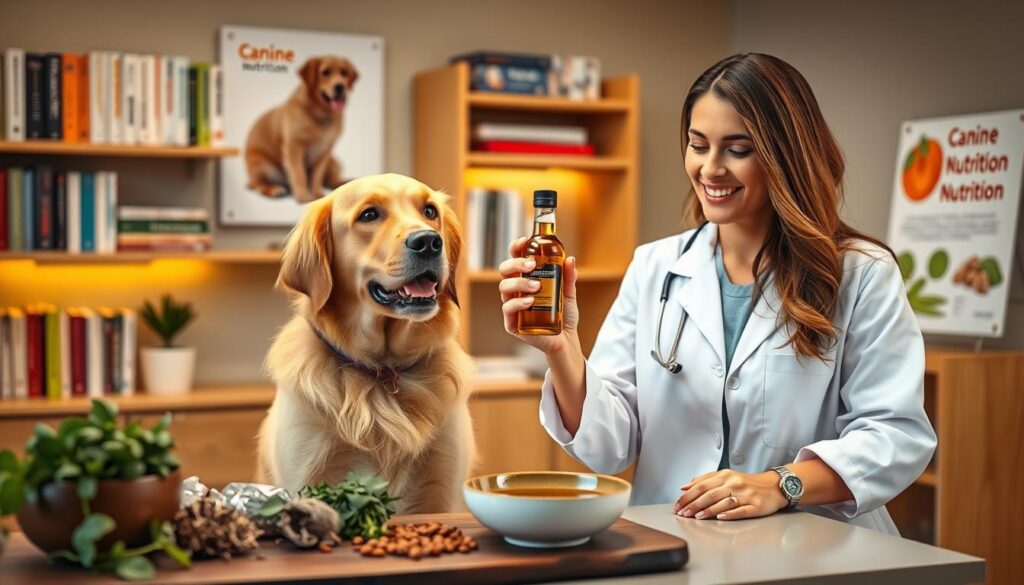
Remember the ten percent rule when adding extras to your dog’s bowl. Treats, oils, and supplements should provide no more than ten percent of daily calories. This helps prevent nutrient imbalances and supports a healthy weight.
Always mix the oil well into your dog’s wet or dry food. If you notice vomiting or diarrhea, stop use immediately and consult your professional about veterinary nutrition. The table below offers a general starting guide for daily supplementation.
| Dog Weight (lbs) | Starting Dose | Maximum Daily Dose |
|---|---|---|
| Up to 10 lbs | 1/8 teaspoon | 1/4 teaspoon |
| 11–20 lbs | 1/4 teaspoon | 1/2 teaspoon |
| 21–40 lbs | 1/2 teaspoon | 1 teaspoon |
| 41+ lbs | 3/4 teaspoon | 1.5 teaspoons |
Can Dogs Eat Olive Oil for a Healthier Coat?
Healthy fats can support a dog’s skin and fur. Many owners use topical products, but dietary nutrients often support skin health more consistently. For broader canine nutrition, explore 9 dog coat oils for all dog breeds, a comprehensive guide to canine nutrition.
Olive oil contains antioxidants and healthy fats that may support a dog’s well-being. However, it lacks the same balance of omega fatty acids found in fish oils, which often better reduce skin inflammation. It cannot replace a balanced, high-quality diet as a main source of essential nutrients.
When adding new fats to meals, follow veterinary nutrition guidelines. Each dog has unique dietary needs, and extra calories may cause weight gain or serious health issues. Consider these factors before adding oil to their bowl:
- Calorie Density: Olive oil is high in calories and can contribute to obesity if not accounted for in the daily intake.
- Pancreatitis Risk: High-fat foods can trigger painful inflammation in the pancreas for sensitive dogs.
- Individual Tolerance: Some dogs may experience digestive upset, such as diarrhea or vomiting, when introduced to new fats.
If your veterinarian approves, start with a very small amount mixed into regular food. Always monitor your dog closely for signs of digestive distress. If you notice changes in stool or appetite, stop using the oil immediately.
Proper veterinary nutrition gives your pet the right balance of omega fatty acids without harming long-term health.
Skin and Coat Problems Olive Oil Can Hide or Worsen
Simple dryness can sometimes signal a deeper medical condition. We often blame the environment for dry skin in dogs, but serious problems can cause it. Topical treatments may delay diagnosis when veterinary care is needed.
Oil can cover skin symptoms that a veterinarian needs to examine. Conditions such as mange, fungal infections, or parasitic infestations require specific medical treatments, not home remedies. Masking these signs may let the problem worsen without proper care.
dry skin in dogs may also signal systemic illness, hormonal imbalances, or severe nutritional deficiencies. The skin may reflect an internal problem rather than a surface issue. Look for these warning signs before starting any topical routine:
- Persistent scratching or biting at the skin
- Redness, swelling, or unusual odors
- Hair loss or thinning patches
- Lumps, bumps, or open sores
For inflammatory skin concerns, fish oil supplements may work better than topical oils. They provide essential fatty acids that support skin health from inside the body. Ask your vet about proper dosing because too much may cause digestive upset or pancreatitis.
Finally, consider the risks of over-application. If your dog licks oil from its fur, it may consume extra calories and gain weight.
Some dogs have sensitive stomachs and cannot tolerate extra fats. Always prioritize your pet’s internal health over the cosmetic appearance of their coat.
When a Veterinarian Should Check the Coat or Skin
Know when your pet’s skin or coat problems need more than home care. Natural oils may ease minor dryness, but they cannot treat complex medical conditions. If your dog’s skin does not improve within a few days, see a veterinarian.
Ongoing itching, redness, or hair loss may signal a deeper problem needing diagnosis. For instance, food allergies in dogs can cause lasting skin irritation that creams cannot fix. A veterinarian can test for triggers and offer focused relief.
- Inflammation or pain: Skin that looks raw, swollen, or feels hot to the touch.
- Unusual odor or discharge: These often signal a bacterial or yeast infection.
- Persistent scratching: Constant biting or licking may result from mites or severe flea exposure.
- Patchy hair loss: Bald spots may signal hormonal imbalances or parasitic infestations.
Watch for body-wide symptoms that suggest a serious health crisis. If you notice repeated vomiting, diarrhea, or extreme lethargy, seek help at once. Along with skin problems, these signs may mean food allergies in dogs or another illness harms your pet’s health.
Your veterinarian can create a safe, effective treatment plan. They can rule out ear disease, mange, or systemic infections that resemble dry skin. Quick action helps keep dogs comfortable and healthy for years.
Conclusion
Olive oil for dog hair offers a simple home remedy, but it is not a cure-all. Use topical treatments only as a small part of your dog’s overall wellness.
A consistent grooming routine builds the best foundation for a healthy coat. Regular brushing and parasite control also help more than oil treatments. A balanced diet from trusted brands, like Purina Pro Plan or Royal Canin, helps more than oil treatments.
Use plain olive oil sparingly to prevent greasy fur or clogged pores. Watch your dog for skin irritation or digestive upset after use. For persistent itching, flaking, or sudden coat changes, skip home remedies.
A professional veterinary assessment is safest for underlying health concerns. Your veterinarian can tell whether allergies, infections, or nutritional gaps cause skin problems. Expert guidance helps keep your pet comfortable and vibrant for years.