Nearly 40% of pets face seasonal itching or irritation at some point in life. We naturally want quick relief when our furry companions feel discomfort. A high-quality dog hair oil for dry skin can help maintain a healthy, hydrated coat.
Choosing the right natural remedy for dog dry skin starts with finding the cause of irritation. Environmental factors and nutritional gaps can affect your pet’s skin. Topical support often helps restore moisture balance.
Our guide covers key ingredients, safe application methods, and important precautions for your pet’s comfort.
Topical solutions offer helpful support, but they cannot cure every problem. If symptoms persist or worsen, professional veterinary evaluation is the safest choice.
Key Takeaways
- Topical treatments provide essential moisture to irritated coats.
- Identify underlying causes like allergies or environmental changes.
- Always prioritize natural, pet-safe ingredients during selection.
- Consistent application improves long-term comfort and shine.
- Consult a veterinarian if symptoms do not improve quickly.
Understanding Dry Skin in Dogs
Knowing why your dog has dry skin helps you provide proper care. Many owners choose a natural remedy for dog dry skin, but first identify your pet’s specific symptoms. Early recognition helps separate simple dryness from more serious medical problems.
Common Signs of Dry Skin
The most common sign of skin trouble is excessive scratching or biting at certain areas. You may also see white flakes, called dandruff, on your dog’s coat. Other signs include:
- Redness or inflammation of the skin surface.
- Patches of hair loss or thinning fur.
- A noticeable, unpleasant odor coming from the skin.
- Presence of scabs or crusty areas.
Causes of Dry Skin in Dogs
Environmental factors can strongly affect skin health. In winter, low humidity and indoor heating can remove moisture from your dog’s coat. Frequent baths with harsh shampoos or too much swimming in chlorinated water can also irritate skin.
A lack of essential fatty acids can cause poor skin quality. Some breeds also have inherited skin sensitivities. The table below shows how different factors affect your dog’s comfort.
| Factor | Impact Level | Primary Symptom |
|---|---|---|
| Seasonal Air | Moderate | Flaking |
| Poor Nutrition | High | Dull Coat |
| Frequent Bathing | Moderate | Itchiness |
| Parasites | Severe | Redness |
Health Implications of Untreated Dry Skin
Mild dryness is often manageable, but ongoing irritation can cause secondary infections. Constant scratching creates small breaks in the skin barrier. Bacteria or yeast can enter these openings and may require professional medical care.
A soothing oil for dog skin may give temporary relief, but it cannot replace a vet visit when symptoms continue. If you see infection signs, such as discharge or extreme swelling, contact your veterinarian immediately. Early diagnosis helps keep your pet comfortable and healthy throughout the year.
Benefits of Using Hair Oil for Dogs
Adding a specialized oil to your grooming routine can ease dry, flaky skin. The right products give your pet a protective layer against environmental stressors. A nourishing dog hair oil helps maintain your dog’s overall health.
Moisturizing Properties
Many effective treatments use natural ingredients, such as coconut oil, to restore hydration. This oil contains fatty acids that reach deep into the skin and provide long-lasting moisture. These oils may also fight bacteria and fungi while keeping the skin barrier strong.
“The health of a dog’s coat is a direct reflection of the care we provide to their skin, making proper hydration an essential part of their wellness.”
Nourishing Skin and Coat
We often choose formulas that do more than coat the surface. An oatmeal-based moisturizing dog hair serum works well because it contains avenanthramides and phenols. Together, these compounds deeply nourish hair follicles and support the skin’s natural moisture barrier.
Regular use softens rough patches and improves the coat’s overall texture. A high-quality nourishing dog hair oil helps keep dogs’ coats soft and shiny. This steady care helps prevent dullness caused by seasonal dryness.
Reducing Itchiness
Itching is a common complaint for pet owners whose dogs have dry skin. A soothing moisturizing dog hair serum can provide immediate relief by calming irritated areas and reducing the urge to scratch. Soothing the skin also helps prevent secondary infections caused by excessive biting or licking.
By locking in moisture, these products help the skin heal more efficiently. A calm, hydrated coat can make a pet happier and more comfortable. Consistent use supports long-term relief and skin health.
Key Ingredients to Look For
Learning what a nourishing dog hair oil contains helps you choose better care for your pet’s skin. Look past marketing claims and check ingredients that may bring real relief. Ask your veterinarian before using supplements or topical products for your dog’s age, weight, and health.
Natural Oils and Their Benefits
Many owners use natural oils to soothe dry, flaky skin. For instance, coconut oil contains lauric acid, which may support the skin barrier. However, some dogs may react differently to various plant-based oils.
Essential Fatty Acids
A high-quality hydrating treatment for dog coats often contains essential fatty acids, including Omega-3 and Omega-6. These nutrients help maintain skin elasticity and a shiny coat. Fish oil provides these acids, but the right dosage depends on your dog’s medical history and dietary needs.
Vitamins and Nutrients
Vitamins support skin repair and overall health. Vitamin E often appears in topical treatments because its antioxidant properties help protect skin from environmental stressors. Check labels for these nutrients to provide the best possible care.
| Ingredient | Primary Benefit | Best For |
|---|---|---|
| Coconut Oil | Moisturizing | Dry, flaky patches |
| Fish Oil | Anti-inflammatory | Itchy, irritated skin |
| Vitamin E | Skin Protection | Coat health and repair |
| Omega-3 | Barrier Support | Overall skin hydration |
Before starting a new regimen, consult your veterinarian about the safest choice for your companion. Each dog has different needs. Professional guidance helps ensure your chosen nourishing dog hair oil or hydrating treatment for dog coats is safe and effective.
How to Choose the Right Dog Hair Oil
Finding the best dog hair treatment takes more than grabbing a bottle from the shelf. Every dog has unique biology, so one solution may not suit another. Assess your dog’s needs before buying to get the best results for their skin and coat.
Consider Your Dog’s Breed and Coat Type
Your dog’s fur texture and length affect how well an oil absorbs. For example, double-coated breeds often need light, non-greasy formulas that reach skin without matting the undercoat. Dogs with long, silky hair may need richer oils that condition fur and prevent tangles and breakage.
Assess your dog’s dryness, too. Chronic flaking or extreme sensitivity may require a specialized dog hair oil for skin to provide deep hydration. Always test a small patch before applying any product to the entire body.
Look for Vet-Recommended Products
Persistent skin issues may signal allergies, infections, parasites, or other medical concerns. In these cases, it is essential to consult your veterinarian before trying new dog hair care products. A professional can tell whether dryness comes from the environment or needs prescription-strength intervention.
Vet-recommended options often meet higher safety standards and undergo clinical testing. Professional guidance helps you avoid products that may irritate a damaged skin barrier. Your vet can suggest ingredients that suit your dog’s health history.
Organic vs. Synthetic Options
When comparing dog hair care products, you will see many organic and synthetic formulas. Organic oils often use plant-based extracts and natural fatty acids, which may suit dogs with sensitive skin. These products usually list ingredients clearly, helping you avoid harsh chemicals or artificial fragrances.
Synthetic options may last longer on the shelf or offer specific textures, but additives can affect sensitive pets. Check the label for clear ingredients and evidence that the product is well tolerated. Ultimately, the best dog hair treatment avoids toxic fillers and offers steady, soothing relief for your companion.
Top Dog Hair Oils for Dry Skin
Many pet owners use topical products to ease their dogs’ dry, itchy skin. You may explore a dog hair oil for dry skin or another topical treatment, but choices vary widely. Ask your veterinarian which product best fits your pet’s health needs.
Review of Popular Brands
Many brands offer sprays, spritzes, and specialized serums for relief. Some use natural botanical extracts, while others use synthetic formulas for deep hydration. For a quality moisturizing dog hair serum, choose brands with clear ingredient lists.
Customer reviews are subjective and reflect personal experiences. A product that works well for one breed may not work for another. Choose products tested for safety and made for canine physiology.
Comparison of Ingredients
Effective skincare products often combine soothing agents with essential nutrients. Common ingredients include calming oatmeal, hydrating aloe vera, and vitamin E for skin health. Many formulas also contain essential fatty acids, which help maintain a healthy skin barrier.
When comparing a dog hair oil for dry skin with other treatments, consider how you apply it. Sprays cover large areas easily, while concentrated serums target specific dry patches. The best moisturizing dog hair serum depends on your dog’s coat density and skin dryness.
Price Range and Value
Canine skincare prices vary widely by brand reputation and ingredient quality. Premium, organic-based products usually cost more than standard mass-market options. High-quality ingredients may offer better long-term value by soothing irritation effectively.
| Product Type | Primary Benefit | Best For | Price Range |
|---|---|---|---|
| Hair Oil | Deep Conditioning | Long-haired breeds | $15 – $30 |
| Soothing Spray | Quick Relief | Itchy, sensitive skin | $10 – $20 |
| Spot-on Serum | Targeted Treatment | Dry, flaky patches | $12 – $25 |
| Conditioning Rinse | Overall Hydration | Frequent bathers | $8 – $18 |
How to Apply Hair Oil to Your Dog
Using hair oil well can turn grooming into a calming ritual. The best dog hair treatment gives your pet deep hydration and relief from dryness. Correct technique helps the product reach the skin where it works best.
Step-by-Step Application Process
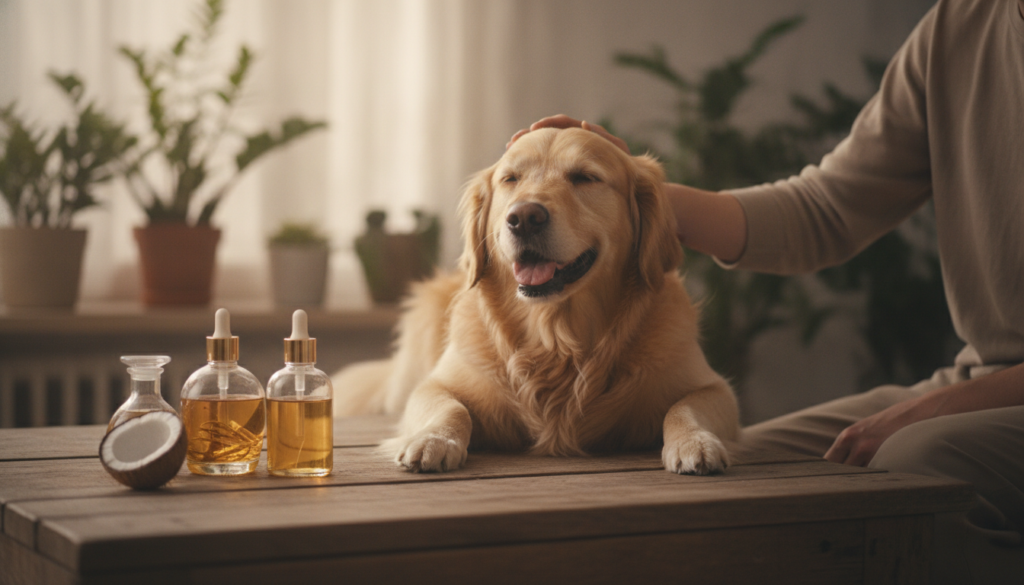
Brush your dog first to remove loose fur and debris. This helps the oil move through the coat more effectively. Put a small amount in your palms, rub them together, then Gently massage the oil into your dog’s skin, focusing on dry patches.
Offer a long-lasting treat or lick mat to stop your dog from licking the product. This distraction keeps your dog busy while the oil absorbs into the skin. Start with a small amount, since adding more is easy, but removing excess oil is difficult.
Recommended Frequency of Use
Dogs have different needs, so no single schedule works for every pet. Always check the product label for the manufacturer’s application instructions. Your dog’s coat type, skin condition, and veterinarian’s advice will guide use of the best dog hair treatment.
Watch your dog’s skin after the first few applications. If it looks greasy or shows irritation, reduce use at once. Consistency matters more than intensity when managing chronic dryness.
Tips for a Stress-Free Experience
Grooming should be a positive bonding experience for you and your pet. For medium- and long-haired dogs, brush daily to spread natural oils and prevent tangles. Short-haired breeds usually need brushing once a week for healthy skin.
Avoid bathing your dog too often, because frequent washing removes essential moisture and can worsen dry skin. Use the following table to guide your maintenance routine based on your dog’s needs.
| Coat Type | Brushing Frequency | Oil Application |
|---|---|---|
| Short Hair | Weekly | As needed for dry spots |
| Medium Hair | Daily | Bi-weekly or as directed |
| Long/Thick Hair | Daily | Weekly for deep hydration |
These simple steps help your best dog hair treatment soothe and nourish your companion’s skin. Patience and positive reinforcement can make each session something your dog looks forward to.
Safety Precautions When Using Hair Oil
Natural remedies may help, but use any soothing oil for dog skin carefully. Your pet’s well-being comes first, and small safety steps can prevent discomfort. Every dog may react differently to new substances.
Allergic Reactions and Sensitivities
Before applying a product to your dog’s entire body, perform a patch test on a small, hidden area. Apply a tiny amount of oil and monitor the skin for at least twenty-four hours. Watch closely for redness, swelling, or increased scratching.
If you notice irritation, gently wash the area with mild soap and water immediately. Discontinue use if your dog seems uncomfortable or the skin looks inflamed. Never assume a natural product is safe for every animal.
Avoiding Toxic Ingredients
Some substances are unsafe for pets, and common ingredients may harm them if swallowed or absorbed. You must be especially careful with essential oils for dog skin health, because many harm dogs even in small amounts. Check that each oil is non-toxic and safe for pets.
Never apply oil or a homemade mixture to open wounds, broken skin, or raw hot spots. These areas can get infected and need professional medical care, not home remedies. Applying oils to damaged skin can trap bacteria and worsen the underlying condition.
Consult Your Veterinarian
We strongly recommend speaking with your veterinarian before starting a new skincare regimen. This matters especially if your dog has allergies or sensitive skin. Professional guidance helps you find the cause of dryness instead of treating symptoms alone.
Seek veterinary care at once if symptoms persist, worsen, or occur with other concerning signs. Watch for indicators such as significant hair loss, foul odor, or continuous scratching that disrupt your dog’s daily life. A vet can diagnose the problem and suggest the safest, most effective treatment plan for your companion.
Homemade Dog Hair Oil Recipes
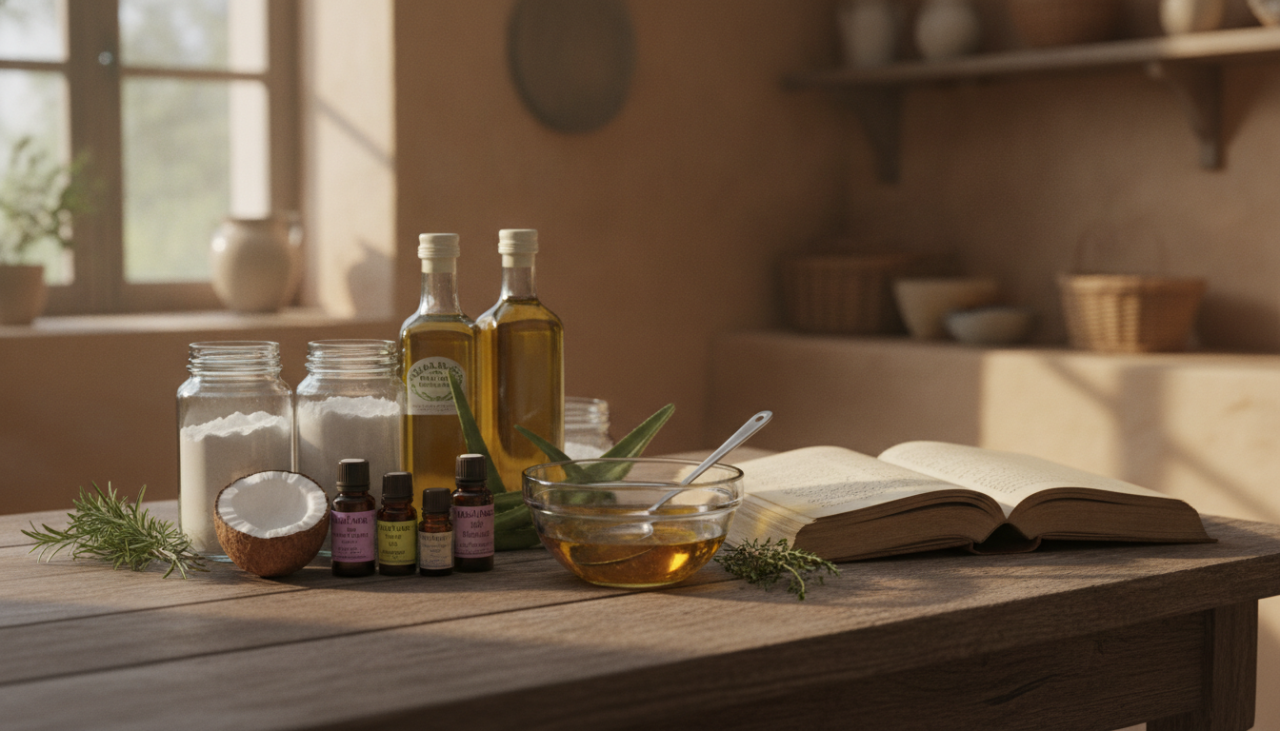
Simple pantry staples can serve as an effective natural remedy for dog dry skin. These mixtures may bring comfort, but they cannot replace a professional veterinary diagnosis for severe irritation or infection.
Simple Recipes to Try
You can make soothing treatments with items already in your kitchen. Coconut oil is popular because its fatty acids enter the hair shaft and lock in moisture.
Another option mixes a small amount of Vitamin E oil with a carrier base. For localized itching, apply finely ground oatmeal paste briefly before a bath for immediate relief.
Essential Oils to Consider
When discussing essential oils for dog skin health, use extreme caution. Many concentrated botanicals can poison pets or cause severe skin burns when applied undiluted.
Always choose an oil labeled specifically as safe for canine use. Never let your dog lick these mixtures, because swallowing them can cause internal health risks.
Storage and Shelf Life
Homemade mixtures lack commercial preservatives, so they can spoil quickly. Prepare only small batches that you can use within a few days.
Store your creations in a cool, dark place, and label each container with its preparation date. If the color, smell, or texture changes, discard the mixture immediately to prevent bacterial growth.
| Ingredient | Primary Benefit | Application Method |
|---|---|---|
| Coconut Oil | Deep Hydration | Massage into coat |
| Vitamin E Oil | Skin Repair | Spot treatment |
| Colloidal Oatmeal | Soothing Itch | Bath soak |
Additional Tips for Maintaining Healthy Skin and Coat
A healthy coat needs more than topical products. Internal wellness supports external beauty. Use dog hair care products alongside steady daily habits for best results.
Fueling Skin Health Through Nutrition
A balanced diet with essential fatty acids, proteins, and vitamins supports healthy skin from the inside out. Brands like Royal Canin or Purina Pro Plan offer formulas that help strengthen the skin barrier. Ask your veterinarian about omega-3 or vitamin E supplements for your pet’s specific needs.
The Role of Grooming and Environment
Regular brushing removes dead hair, spreads natural oils, keeps the coat clean, and helps prevent mats. A hydrating treatment for dog coats adds moisture, but dry winter air can strip natural oils. Consider a humidifier to help keep your pet comfortable.
Commitment to Ongoing Care
Fresh water supports cellular function, overall health, and skin elasticity. For persistent dryness or irritation, seek veterinary advice instead of relying only on home remedies. Your dedication to these habits helps your dog keep a soft, shiny, healthy coat for years.