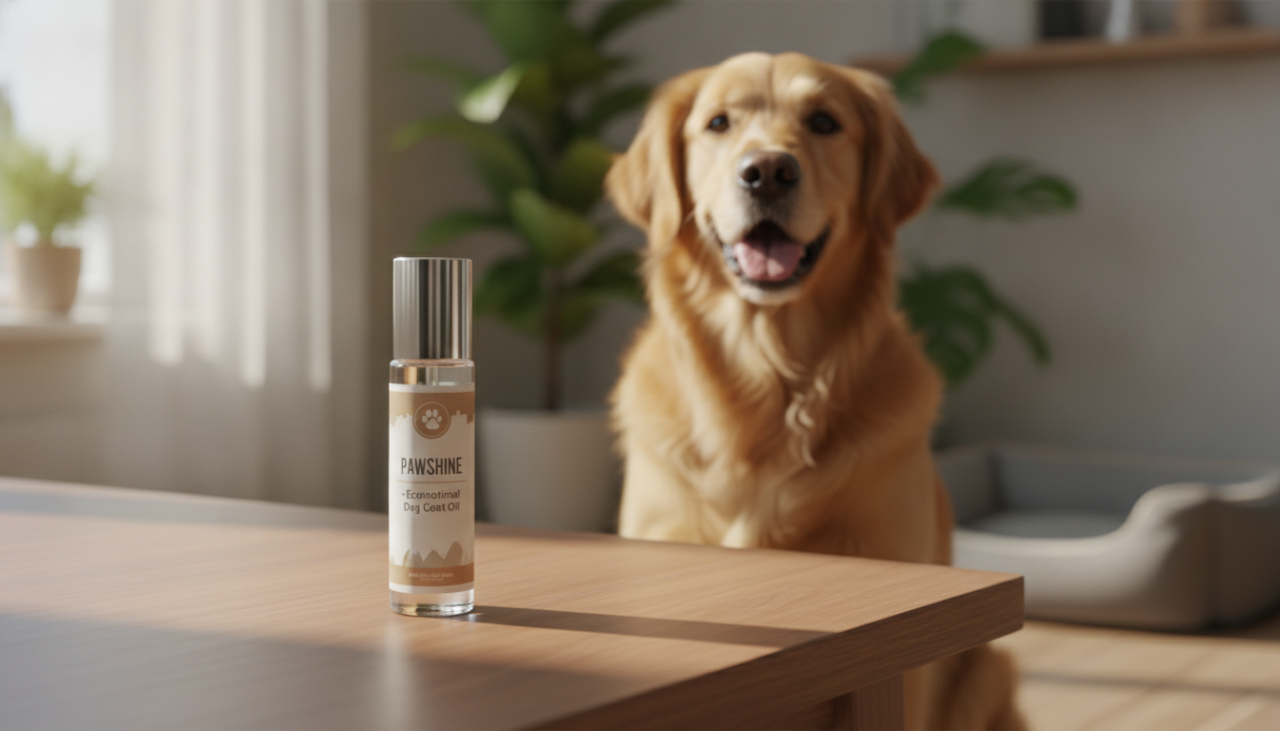
A pet’s skin is its largest organ and can reflect its internal health. Many owners see a dull coat and quickly seek an affordable dog fur oil. This oil may add shine, but it addresses only one part of overall health.
Healthy skin starts from within. Topical treatments cannot replace a balanced diet, regular brushing, or proper parasite prevention. If your companion shows sudden skin changes, always consult your veterinarian before trying new products.
Overall wellness helps keep the skin healthy beneath the surface.
This guide helps you compare products with confidence. We will show you how to compare ingredients, choose formulas for coat types, and apply an affordable dog fur oil safely. Avoiding excessive bathing, which removes natural sebum, helps keep your best friend’s coat soft and bright.
Key Takeaways
- Topical treatments complement, but do not replace, a healthy diet and veterinary care.
- Regular brushing is essential for distributing natural oils across the coat.
- Always check ingredient labels to avoid harsh chemicals or potential allergens.
- Over-bathing can strip away vital moisture, leading to dry and itchy skin.
- Select products based on your pet’s specific hair texture and skin sensitivity.
Understanding Dog Fur Oil and Its Benefits
A high-quality natural dog fur treatment can turn a dull, dry coat into a vibrant one. Many pet owners find topical conditioning missing from their grooming routine. The right products support both the skin surface and hair shaft.
What is Dog Fur Oil?
Dog fur oil is a topical product made to nourish the skin and hair. Unlike heavy shampoos, these treatments restore moisture and add a protective barrier. Consistency is key for long-term skin health.
How Does It Help Your Dog’s Coat?
These oils smooth the hair cuticle and reduces friction during brushing sessions. Smooth, hydrated hair reflects light better, creating a healthy, natural shine. A moisturized coat tangles and breaks less, making grooming easier for you and your pet.
Key Ingredients to Look For
When choosing a natural dog fur treatment, check the label for nourishing ingredients. Camellia oil provides deep hydration, while essential nutrients support the hair’s structural integrity. The table below shows key benefits of common fur oil ingredients.
| Ingredient | Primary Benefit | Effect on Coat |
|---|---|---|
| Camellia Oil | Deep Conditioning | Adds natural luster |
| Omega-3 Fatty Acids | Skin Barrier Support | Reduces dryness |
| Zinc & Copper | Structural Health | Strengthens hair shafts |
| Proteins | Repair | Prevents breakage |
These quality ingredients help provide your dog with excellent care. Choose products from natural sources to help avoid irritation. Healthy skin is the foundation for a beautiful, shiny coat in every season.
Why Choose Affordable Options?
Smart pet parents know premium results come from knowing ingredients, not expensive brands. By checking a bottle’s contents, you can get professional-grade results without a luxury price tag. Embracing budget-friendly pet grooming helps maintain your dog’s health while keeping your finances in check.
Benefits of Affordable Dog Fur Oil
The main benefit of cost-effective oils is choosing essential nutrients over flashy marketing. Many affordable brands use high-quality natural oils, such as coconut or argan, for deep hydration. Skip expensive packaging, and you often pay only for active ingredients your dog needs.
Also, low-cost canine coat care encourages more frequent use. Since the product is affordable, you are less likely to ration it, so your dog gets steady nourishment. Regular application helps keep the coat shiny and healthy.
Comparing Quality vs. Price
Evaluate products by their concentration and intended use. A lower price does not always mean lower quality; it may reflect a simpler supply chain or direct-to-consumer sales. Use the following table to assess your next purchase.
| Feature | Budget Option | Luxury Option |
|---|---|---|
| Ingredient Purity | High (Single-source) | High (Complex blends) |
| Packaging | Functional/Recyclable | Decorative/Premium |
| Concentration | High (Dilute as needed) | Pre-mixed/Ready-to-use |
| Value | Excellent | Moderate |
Eco-Friendly Affordable Choices
Modern budget-friendly pet grooming often supports sustainable practices. Many affordable brands offer concentrated formulas, which use less plastic packaging and create lower shipping emissions. These choices support low-cost canine coat care that is gentle on the planet.
Look for products that use reusable containers or refillable pouches. These choices reduce waste and lower manufacturer costs, and those savings reach you. Ultimately, conscious consumers help their dogs and the environment thrive.
Top Affordable Dog Fur Oils in the Market
Choosing the best oil for your dog means looking beyond marketing and checking the bottle. We believe affordable dog grooming products should protect your pet’s skin and coat. Check the ingredient list to find real value, not just brand popularity.
Brand 1: Features and Pricing
Our first recommendation is a budget-friendly staple with a simple, effective formula. It uses essential fatty acids to add noticeable shine without leaving a greasy residue. Its competitive price makes it a strong starting choice for owners new to affordable dog grooming products.
Brand 2: Unique Benefits
Our second pick is an affordable dog grooming product with botanical extracts that support skin health. Camellia oil gives deep conditioning and helps detangle stubborn knots. Green tea adds antioxidant support and helps protect the coat from environmental stressors throughout the day.
Brand 3: User Reviews
The final brand has earned a strong reputation among pet owners for its soothing properties. Many users say centella asiatica helps calm irritated skin, especially during dry winter months. Among affordable dog grooming products, this option earns high marks for professional-grade results at a fraction of the cost.
| Brand | Key Ingredient | Best For |
|---|---|---|
| Brand 1 | Fatty Acids | Daily Shine |
| Brand 2 | Camellia Oil | Detangling |
| Brand 3 | Centella Asiatica | Sensitive Skin |
How to Apply Dog Fur Oil Effectively
Using an economical fur conditioning oil should feel simple and stress-free for you and your pet. A healthy, bright shine does not require costly professional services when you follow the right steps. Proper technique keeps your dog comfortable and looking their best.
Step-by-Step Application Guide
Before you begin, always start by thoroughly brushing your dog to remove loose fur and tangles. This helps the product reach the skin and hair shafts evenly. Next, perform a patch test on a small, hidden area to ensure your dog has no sensitivity to the formula.
When ready, place a small amount of the inexpensive dog fur moisturizer into your palms. Rub your hands together to warm the oil and help it spread smoothly. Gently massage the oil into the coat, being careful to avoid the eyes, nose, mouth, and any irritated skin.
Best Practices for Different Coat Types
Each dog has unique needs based on hair texture and length. For dogs with long, silky hair, use a light touch to prevent a heavy or greasy coat. Focus mainly on the hair ends to help prevent split ends and breakage.
For a thick, double coat, work the product closer to the skin to nourish the undercoat. For shorter, coarser hair, a very small amount usually adds a healthy sheen. Adjust the amount for your dog’s natural oiliness to avoid attracting unwanted debris or dirt.
Frequency of Use
The ideal frequency depends on your dog’s coat condition and tolerance for grooming. Start with weekly use to see how the skin and fur respond. If the coat feels dry or brittle, increase use slightly.
Watch for discomfort or excess scratching after application. If your dog dislikes the process, make it positive with treats and praise. Consistency matters, but never over-apply, because a little goes a long way toward a beautiful, healthy coat.
Common Concerns Regarding Dog Fur Oil
Not every fur oil suits your dog’s unique skin needs. We may seek an inexpensive dog fur moisturizer, but each dog’s skin chemistry differs.
Is It Safe for All Dog Breeds?
A label for dogs does not guarantee safety for every breed. Some breeds have sensitive skin or special coat textures and may react badly to ingredients that work well for other dogs.
An affordable pet hair treatment cannot treat hidden medical problems. Parasites, hormonal imbalances, and chronic skin infections need medical care; topical oils cannot cure them. Always consult your veterinarian if skin problems persist, instead of relying on over-the-counter grooming products.
Potential Allergic Reactions
Before applying a new product to your dog’s body, perform a patch test. Apply a small amount of oil to a hidden area, such as the inner thigh. Wait twenty-four hours and watch the skin.
“The health of your pet’s skin is the foundation of their overall well-being, and caution is the best companion for any new grooming routine.”
If you notice redness, swelling, or itching, wash the area immediately with mild soap and water. Stop using the oil, because your dog may be sensitive to an ingredient.
Signs Your Dog Dislikes the Fur Oil
The problem may be behavioral rather than physical. Dogs often show discomfort through small changes in their daily habits.
- Excessive licking: If your dog constantly licks the area where you applied the oil, they may find the texture or scent irritating.
- Avoidance behavior: If your pet runs away or hides when they see the bottle, they likely associate the product with a negative experience.
- Restlessness: Signs of agitation or inability to settle down after grooming can indicate that the product is causing them physical distress.
Watch these cues to keep grooming positive for both of you. If your dog clearly dislikes the product, stop using it immediately.
DIY Dog Fur Oil Options
Many pet owners use their kitchens to make a natural dog fur treatment for furry friends. Simple, high-quality ingredients can support a healthy, glowing coat. Use these mixtures only on the skin, never instead of a balanced diet.
Simple Recipes for Homemade Fur Oil
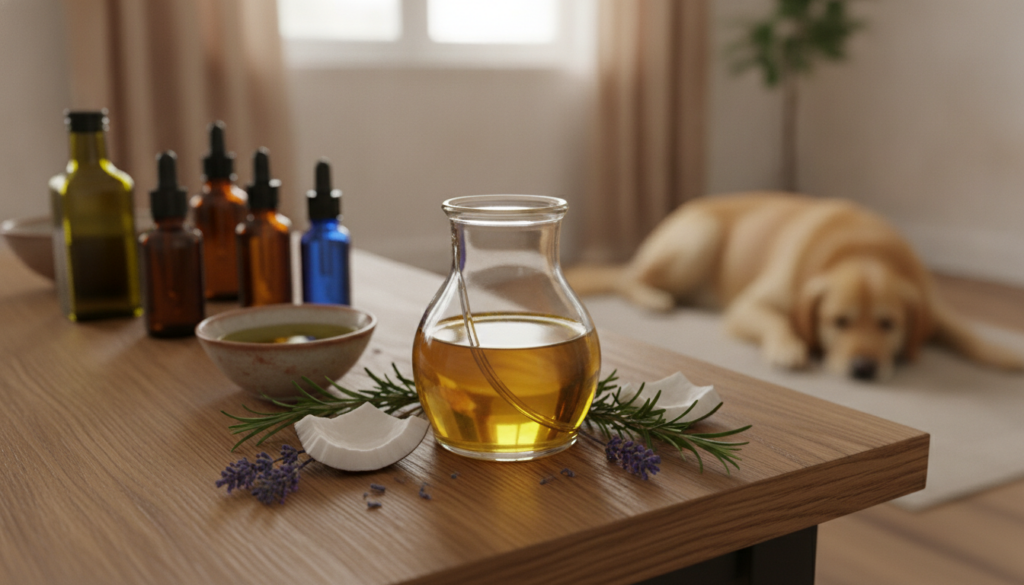
A soothing blend can start with fractionated coconut oil or sweet almond oil. These oils are generally safe for most dogs and hydrate dry skin well. To make a simple dog hair oil, mix two tablespoons of carrier oil with a little vitamin E oil.
Always perform a patch test on a small, hidden area of your dog’s skin. Wait twenty-four hours to check for redness or irritation. This step helps show whether the blend suits your pet.
Benefits of Making Your Own
Making your own supplies offers an affordable pet hair treatment and full ingredient control. Some commercial products contain hidden fragrances or preservatives that may bother sensitive dogs. Homemade formulas can avoid harsh chemicals and artificial additives.
You can also adjust the oil for your dog’s coat texture. A thick double coat and a fine, silky coat may need different consistencies. This control helps owners meet unique grooming needs.
Essential Oils You Can Use
Some botanical extracts may help, but use extreme caution with essential oils. Many concentrated plant compounds are toxic to dogs and may cause severe reactions. Always consult your veterinarian before adding essential oils to homemade mixtures.
If your vet approves, use only high-quality, therapeutic-grade oils diluted heavily in carrier oil. Never apply undiluted essential oils directly to your dog’s skin. Simple, fragrance-free mixtures are safest for your pet’s comfort and health.
The Importance of Regular Coat Care
The secret to a lustrous coat lies in daily habits you establish at home. High-quality products help, but they work best on a clean, well-maintained coat. Consistent care brings professional-looking results without a high price tag.
How Regular Grooming Affects Coat Health
Regular brushing spreads your dog’s natural oils, called sebum, from the skin to the hair tips. This removes dead skin and debris that can cause dullness or irritation. Weekly budget-friendly pet grooming stimulates blood flow to the hair follicles, supporting healthier growth.
Frequent brushing also reveals matting or skin redness before these issues become serious. Removing loose fur prevents painful tangles that may need costly professional care. This easy habit keeps your dog comfortable and saves money over time.
Complementing Fur Oil with Grooming Tools
The right gear helps you get more from conditioning products. A few cost-effective dog grooming essentials, such as a quality slicker brush or stainless steel comb, can improve your routine. These tools help fur oil reach the skin instead of resting on the hair’s surface.
“Grooming is not just about aesthetics; it is a vital component of your pet’s overall health and well-being.”
The right brush spreads oil evenly through the coat. It prevents greasy patches and gives each strand needed moisture. Choose tools that fit your dog’s hair length and texture to get the most from your oil.
Seasonal Coat Care Tips
Your dog’s coat needs change with the seasons. Winter heating can dry the skin, so increase moisturizing care. Summer swimming can remove natural oils, so rinse more often with fresh water.
- Spring and Fall: Focus on removing the heavy undercoat during shedding seasons to prevent matting.
- Winter: Use a humidifier in your home and apply extra oil to paws and dry patches.
- Summer: Rinse your dog with fresh water after every swim to remove chlorine or salt.
These seasonal changes help keep your dog’s coat strong throughout the year. Consistency remains your best tool for a shiny, healthy coat on a budget.
Customer Testimonials and Experiences
Other pet owners’ successes and mistakes can save you time and money. When seeking an affordable pet hair treatment, user feedback can reveal lasting results instead of temporary cosmetic fixes. The most helpful reviews explain long-term effects on a dog’s skin and fur health.
Positive Reviews That Stand Out
Many pet owners say a specific oil changed their dog’s dull coat into a vibrant, soft mane. These reviews often say regular use makes grooming much easier. Consistency is key, and many users see the best results after several weeks of application.
“After using this oil for a month, my golden retriever’s coat is noticeably softer and the tangles are much easier to manage during our daily brushing sessions.”
When reading these reviews, look for mentions of:
- Improved shine after consistent use.
- Reduced shedding or breakage.
- A pleasant, non-overpowering scent.
Common Issues Faced by Pet Owners
Not every affordable pet hair treatment works perfectly for every dog. Some owners say certain products leave greasy residue when applied too heavily. Others report mild skin irritation or say their dogs disliked the ingredient smell.
Pay close attention to these warnings. If several users report the same issue, the product may not suit certain coat types or sensitive skin. Check whether negative feedback concerns product quality or incorrect application.
How Feedback Can Influence Your Choice
Base your decision on professional advice and other owners’ experiences. When evaluating an affordable pet hair treatment, compare reviews with your dog’s breed and coat texture. An oil that suits a thick-coated breed may feel too heavy for fine, silky hair.
Look for reviews that mention these factors before making an informed purchase:
| Factor | What to Look For | Why It Matters |
|---|---|---|
| Application | Ease of use | Prevents mess |
| Results | Long-term health | Ensures value |
| Reaction | Skin sensitivity | Safety first |
Finally, remember that topical oils work best with a healthy diet. If a review mentions that the oil helped alongside omega-3 supplements, you likely found a high-quality, effective solution for your pet.
Understanding Your Dog’s Coat Type
Before you buy an economical fur conditioning oil, inspect your pet’s coat structure. Products do not work the same way for every breed. The wrong formula may cause greasy fur or poor results, so research helps your companion look their best.
Different Coat Types and Their Needs
Short-haired breeds often need light, spray-based formulas that absorb quickly without weighing down the hair. These dogs benefit from oils that add a soft sheen and help control dander. Consistency is key when applying these treatments for even coverage across the skin.
Longer or double-coated breeds often struggle with tangles and mats. These dogs need a more robust economical fur conditioning oil with extra slip for easier brushing. This added lubrication prevents painful pulling during grooming sessions.
Identifying Your Dog’s Specific Requirements
To choose the right product, inspect your dog’s skin and shedding patterns closely. For sensitive skin, choose natural, fragrance-free ingredients that will not cause irritation. Observing how your dog reacts to a small patch test is vital before full application.
Consider the fur’s density as well. A thick, dense coat may need deeper application to reach the skin. A thin coat needs only light misting, helping you choose an economical fur conditioning oil for your dog’s needs.
Product Recommendations by Coat Type
We created this guide to match your dog’s coat profile with the right conditioning product. The correct formula provides the best value for your money.
| Coat Type | Oil Consistency | Primary Benefit |
|---|---|---|
| Short/Smooth | Light Mist | Surface Shine |
| Long/Silky | Medium Serum | Detangling |
| Double/Thick | Rich Oil | Skin Hydration |
Always remember that the goal is to enhance your dog’s natural beauty. Whether you choose a spray or leave-in treatment, make sure it supports healthy hair follicles. With the right economical fur conditioning oil, you can maintain a salon-quality coat at home.
Tips for Maintaining a Healthy Coat
Oils can add quick shine, but healthy coats begin inside the body. External products alone rarely create lasting results. Lifestyle changes support low-cost canine coat care and help your pet stay healthy for years.
Nutrition’s Role in Coat Health
A balanced diet builds a shiny, strong coat. High-quality protein supports hair follicles, while biotin and zinc help repair skin. Omega-3 fatty acids reduce inflammation and keep skin hydrated from within.
You do not need expensive supplements for results. Choose high-quality, age-appropriate kibble with meat listed first for needed nutrients and low-cost canine coat care. Avoid sudden diet changes because steady meals help prevent dullness and shedding.
Hydration and Its Importance
Water is often overlooked in skin and coat care. Good hydration keeps your dog’s skin elastic and able to make natural oils. Dehydration dries skin, causing brittle fur and more dander.
Give your dog fresh, clean water all day. For a picky drinker, add a small amount of water to dry food. This simple habit supports organ function and creates a noticeably softer coat.
Regular Vet Check-Ups
A dull or thinning coat can signal an underlying medical condition. Parasites, including fleas or mites, cause lasting irritation that oils cannot fix. Endocrine diseases and undiagnosed allergies can also cause poor hair quality.
Routine veterinary visits are vital for low-cost canine coat care. Early detection can prevent costly treatment later. For lasting skin inflammation or sudden fur changes, consult your veterinarian to rule out systemic health concerns.
The Science Behind Coat Health and Shine
Achieving a radiant shine on your dog’s fur involves more than cosmetics; it is a biological process. Understanding skin and hair function helps us choose affordable dog grooming products that support our pets.
The Biology of Dog Hair
Each strand of your dog’s hair has a protective layer called the cuticle. When these cells lie flat, they reflect light and create the healthy, glossy appearance we love. A damaged or dry cuticle makes hair dull and likely to tangle.
The Role of Fatty Acids
True coat health starts with proper nutrition. Omega-3 fatty acids support the skin barrier and reduce inflammation. These nutrients help hair follicles stay strong and produce high-quality, resilient fur.
“The skin is the largest organ of the body, and its health is directly reflected in the quality and luster of the coat.”
How Oils Contribute to a Shiny Coat
Topical oils protect the hair shaft. They mimic natural sebum, lock in moisture, and smooth the cuticle layer. Using cost-effective dog grooming essentials maintains this lipid barrier without breaking the bank.
| Support Method | Primary Benefit | Key Focus |
|---|---|---|
| Internal Nutrition | Follicle Strength | Omega Fatty Acids |
| Topical Oils | Cuticle Smoothing | Moisture Retention |
| Regular Brushing | Sebum Distribution | Natural Shine |
Combining internal health with proper external care creates a balanced environment for our dogs. This approach keeps their coats soft, shiny, and healthy throughout the year.
Final Thoughts on Choosing the Best Fur Oil
A vibrant, healthy coat needs more than topical treatments. An affordable dog fur oil can provide essential fatty acids. True shine also depends on balanced nutrition, regular grooming, and a healthy skin barrier.
Key Factors for Informed Choices
Check labels for specific EPA and DHA content to choose a quality product. Always perform a patch test before full application to ensure your pet tolerates it well. Learn more about natural dog health and wellness to understand how these supplements fit your routine.
Taking Action for Long-Term Results
Watch your dog for changes in skin texture or shedding patterns over several weeks. If dullness continues with itching, bald patches, or lethargy, contact your veterinarian for a professional assessment. A consistent routine with your chosen affordable dog fur oil will bring the best results for your companion.