Nearly 60% of pet owners in the United States say skin health is their main concern during seasonal changes. Keeping a shiny coat takes more than baths; it also requires good nutrition, hydration, and regular grooming.
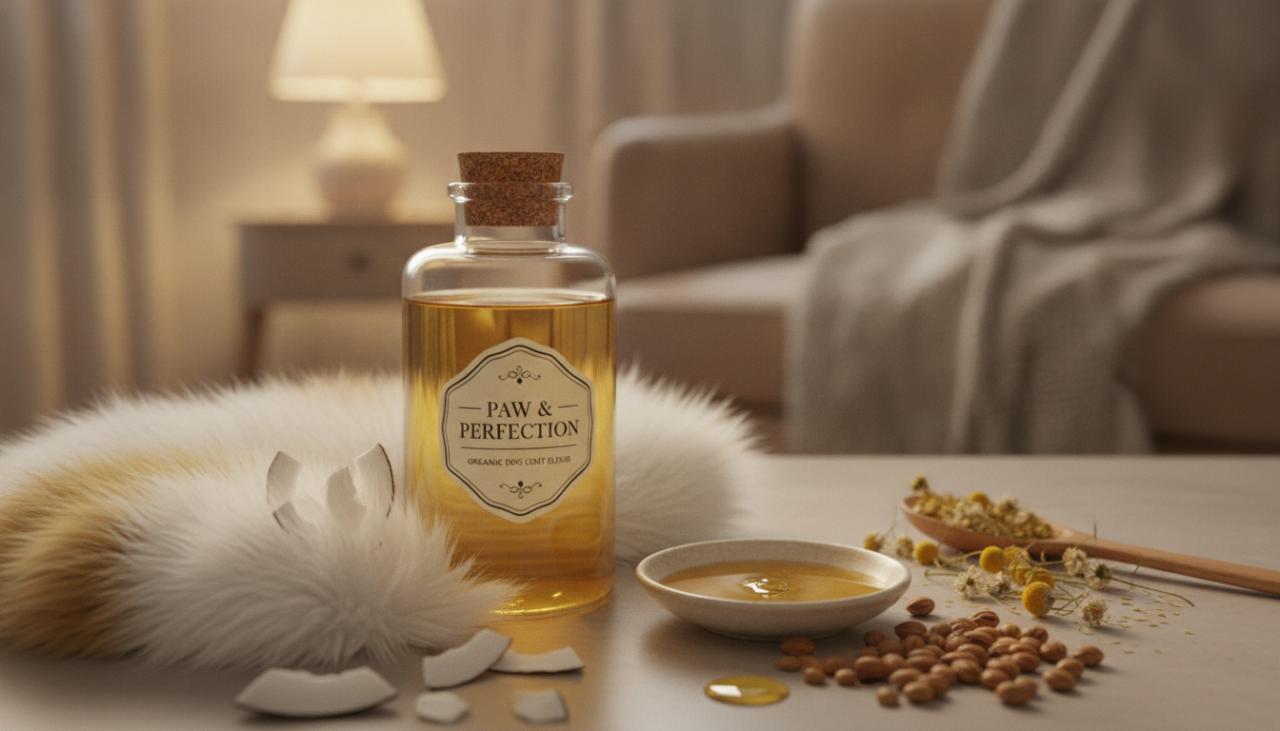
We believe natural dog massage oil can support your pet’s wellness routine. Used correctly, dog massage oil for fur can soothe dry skin and support a healthy shine. Explore our 9 dog coat oils for all dog breeds to find the right match for your companion.
Please remember that topical treatments cannot replace a balanced diet or veterinary care for underlying conditions. Our guide covers safe application methods and realistic expectations, helping your best friend stay comfortable and happy.
Key Takeaways
- Topical treatments are most effective when paired with high-quality nutrition and hydration.
- Always choose products specifically formulated for canine skin to avoid irritation.
- Consistent brushing helps distribute natural skin oils and improves overall coat texture.
- Consult your veterinarian before starting new topical routines, especially if skin issues exist.
- Focus on gentle application techniques to turn grooming into a positive bonding experience.
What is Dog Massage Oil for Fur?
Understanding the role of dog massage oil for fur can improve your pet’s grooming routine. These products are topical aids for the coat and skin. They condition the surface but cannot treat underlying health problems.
When we choose organic pet care products, we support our dog’s natural skin barrier. These oils add moisture, which may ease dryness and improve the coat’s appearance.
Benefits of Using Massage Oil
These oils can promote a healthy, shiny coat. By holding in moisture, they may prevent brittleness and reduce static during dry seasons.
Furthermore, these soothing oils for dog skin can make grooming more relaxing for your pet. A gentle massage spreads natural oils across the fur and creates a softer texture.
Ingredients to Look For
When choosing a product, focus on safety and quality. Look for simple ingredients, such as coconut oil or quality carrier oils, made for canine use.
Fragrance-free botanical options often suit sensitive pets best. Avoid concentrated essential oils because they can harm dogs if swallowed or used in high doses. Overapplication should also be avoided to prevent a greasy, uncomfortable coat.
Common Myths About Massage Oils
These oils cannot replace professional veterinary care. They support skin health but cannot treat infections or allergies.
Another myth says these products permanently change a dog’s natural coat texture. In reality, they provide only temporary conditioning.
A product labeled “natural” is not automatically safe for every dog. Always check ingredient purity before applying it to your pet.
How to Choose the Right Dog Massage Oil
Choosing a massage oil for your dog takes more than picking a bottle from a shelf. Check your pet’s coat type, skin sensitivity, and how easily you can wash away the formula. Research helps you create a safe experience for your furry companion.
Top Brands to Consider
When seeking the best oil for dog fur, choose makers that share clear product information. Trusted brands often provide batch details and clear directions for external use. Check whether the company makes pet products, which account for a dog’s unique pH balance.
Popular choices, such as Earthbath or TropiClean, often earn high marks for quality. Check that the product suits your species to avoid harmful additives. Consistency in quality helps show that a brand supports your pet’s wellness routine.
Natural vs. Synthetic Options
Many owners prefer a natural dog massage oil because it reduces harsh chemical exposure. These products often use plant-based carrier oils, including coconut, jojoba, or almond oil. Synthetic options may contain artificial fragrances or preservatives that irritate sensitive skin.
If you use essential oils for pet massage, take extreme care. Many concentrated oils can harm dogs when diluted incorrectly or when you choose the wrong oil for the species. Ask your veterinarian before adding potent botanical extracts to your massage routine.
Understanding Labels and Certifications
Do not trust marketing terms like “holistic” or “organic” when reading labels. Look for third-party certifications that verify ingredient purity. A transparent maker lists every component clearly on the bottle’s back.
Choose products that undergo careful testing for safety and efficacy. Focus on the ingredient list, not front-of-package claims, to find the best oil for dog fur for your pet’s health. Careful label reading is your best defense against potential skin irritation.
Benefits of Regular Dog Massage
Regular massage supports physical health and emotional well-being in your dog. Using holistic dog grooming supplies creates a supportive routine that complements brushing, exercise, and balanced nutrition. Massage does not treat medical conditions; it improves your pet’s daily quality of life.
Stress Relief for Your Pet
Gentle massage gives anxious dogs a calm, predictable interaction. Slow, rhythmic strokes show your pet they are safe and loved.
It is essential to observe your dog closely during these sessions. Stop immediately if your pet shows fear, pain, or overstimulation.
“The secret to a happy dog often lies in the quiet moments of connection we share with them every single day.”
Improved Circulation and Skin Health
Regular sessions help us learn our dog’s body and spot dryness, flakes, or unusual lumps. Using soothing oils for dog skin can help maintain a healthy coat and help you check for parasites or discomfort. This hands-on approach helps find minor skin issues before they become serious.
When considering aromatherapy for pets, exercise extreme caution. Use only canine products, and avoid strong fragrances if your dog has respiratory or skin sensitivities. Conservative application keeps your pet comfortable and relaxed.
Strengthening Bond with Your Dog
Massage builds trust and strengthens your emotional connection with your dog. This shared experience creates partnership beyond basic training or play. The table shows how massage differs from standard grooming tasks.
| Feature | Standard Grooming | Massage Therapy |
|---|---|---|
| Primary Goal | Hygiene and Cleanliness | Relaxation and Connection |
| Physical Focus | Removing Dirt and Mats | Muscle Tension and Skin Health |
| Emotional Impact | Functional | Deepens Trust and Security |
| Frequency | As Needed | Consistent Routine |
How to Apply Dog Massage Oil Effectively
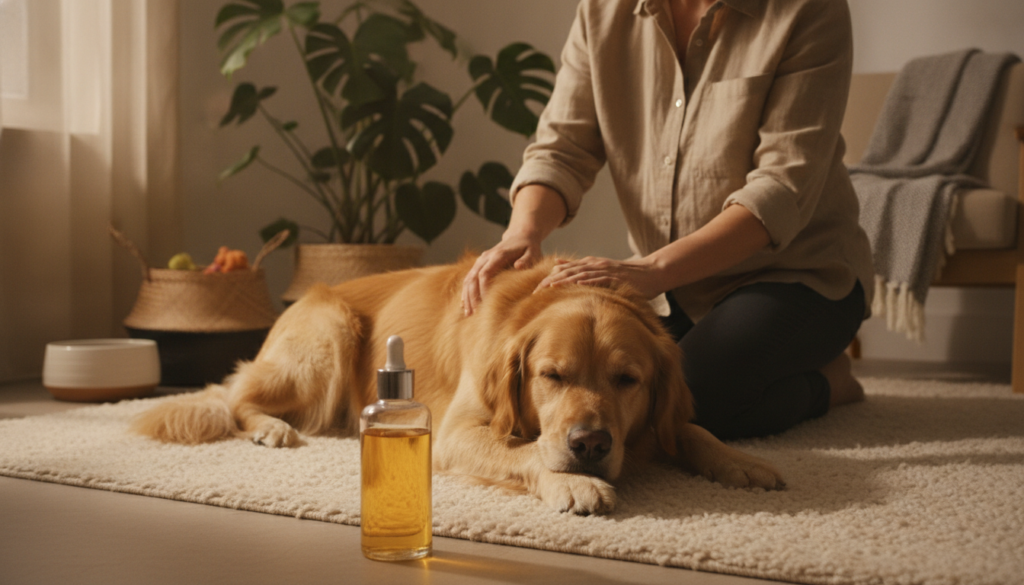
A soft, shiny coat starts with proper use of canine fur treatment oils. Follow a clear routine to help your pet stay calm and comfortable throughout the massage.
Preparation Before the Massage
Before you begin, always perform a patch test on a small area of your dog’s skin. This checks for adverse reactions. Inspect the coat for mats, tangles, or skin irritation that may need attention first.
Gently brush your dog to remove loose hair and debris. Keep your hands clean and work in a quiet, temperature-controlled space. This helps keep your pet calm.
Step-by-Step Application Guide
Start by warming a small amount of dog massage oil for fur between your palms. This helps the oil glide smoothly over the coat without startling your companion.
Apply the oil lightly, moving from the coat’s surface toward the ends. Avoid the eyes, mouth, nose, open wounds, and irritated skin.
Remember that less is often more with these products. A heavy coating can attract dirt or make your dog lick the area too much.
Aftercare Tips for Optimal Results
Observe your dog for a few minutes after the massage to ensure they feel comfortable. If you see excess oil, gently blot the coat with a clean towel.
Some owners bathe their pets after treatment, but this is often unnecessary with the right amount. Keep your expectations realistic. Consistent, gradual use of canine fur treatment oils brings the best results over time.
| Action Step | Safety Priority | Expected Outcome |
|---|---|---|
| Patch Testing | High | Allergy Prevention |
| Gentle Brushing | Medium | Even Distribution |
| Light Application | High | Non-Greasy Finish |
| Towel Blotting | Low | Clean Surface |
Following these steps lets you safely add dog massage oil for fur to your regular grooming routine. Your care can help create a healthier, shinier coat for your beloved pet.
Best Practices for Dog Massage
When using canine fur treatment oils, match your technique to your dog’s coat and temperament. A one-size-fits-all approach rarely works because each pet has unique physical needs. Adjust your pressure and strokes for a comfortable, effective experience.
Ideal Techniques for Different Breeds
Short-haired breeds benefit from light, surface-level strokes that spread oil across the skin. Use gentle, sweeping motions to avoid irritating sensitive skin. Consistency is key for keeping these dogs calm and relaxed.
For long-haired or double-coated breeds, avoid pulling on mats or tangles. Part the hair gently with your fingers so the oil reaches the skin without excess product. Proper application helps prevent a greasy or matted coat.
Frequency of Massage Sessions
Start with brief sessions once or twice weekly to see how your pet reacts. This helps your dog adjust to canine fur treatment oils being applied. Gradually increase the session length as your dog becomes more comfortable and relaxed.
Monitor your dog’s coat and skin between sessions. If the skin looks oily or your dog seems restless, reduce application frequency. Follow product directions and adjust the routine for your pet’s needs.
Signs Your Dog Enjoys the Massage
Recognize the positive signals your dog shows during a session. Look for a relaxed posture, soft eyes, and calm, steady breathing. Many dogs lean into your touch or drift off to sleep when they enjoy the experience.
Also watch for stress signals that mean your dog wants to stop. Look for lip licking, “whale eye,” freezing, or repeated attempts to move away. If you notice these behaviors, stop immediately and try again later with canine fur treatment oils and a lighter touch.
Home Remedies vs. Store-Bought Oil
Choosing skin care for your dog means comparing homemade blends with store-bought options. Some owners enjoy mixing ingredients, while others trust established brands. Knowing the differences helps you choose wisely for your pet’s health.
Pros and Cons of DIY Massage Oils
Making your own blends can save money, but it also brings serious duties. When you create your own natural dog massage oil, you control every ingredient. However, homemade oils may become contaminated and spoil sooner than professional formulas.
Commercial organic pet care products receive careful testing for safety and stability. Homemade mixtures may lack exact doses and preservatives that help stop bacterial growth. If you want simple options, explore 7 DIY home remedies for dry itchy skin to learn what works safely at home.
“The best care for our pets is rooted in transparency, ensuring that every ingredient applied to their skin is both safe and beneficial.”
Recommended Recipes for Home Use
If you make your own blends, keep recipes simple to reduce risks. Avoid complex culinary mixtures or undiluted botanicals because they can irritate sensitive skin. Choose a high-quality, fragrance-free carrier oil, such as coconut or almond oil.
Before applying any mixture, test it on a tiny area of your dog’s skin. Always monitor for redness or itching before giving a full massage. If you want clearer guidance, holistic dog grooming supplies may be safer because they include species-specific directions.
- Use only food-grade, organic carrier oils.
- Avoid adding essential oils unless guided by a veterinarian.
- Keep batches small to ensure freshness and prevent spoilage.
Whether you choose organic pet care products or homemade oil, your dog’s comfort comes first. High-quality holistic dog grooming supplies offer confidence through reliable quality control. Always put safety first when using natural dog massage oil on your furry friend.
Precautions When Using Massage Oils
Massage can help you bond with your pet, but safety must come first. Check your dog’s physical condition before applying any product.
Allergies and Skin Sensitivity
Before using a new product on your dog’s body, perform a small patch test in a hidden area. Apply a tiny amount of oil to the inner thigh or belly, then wait twenty-four hours. Look for redness, swelling, or itching.
If you see irritation, stop using the product at once. Also, prevent your dog from licking the treated area because swallowing oil can upset digestion. Choose products made for dogs to lower the risk of harmful reactions.
When to Avoid Massaging Your Dog
Massage can harm your dog in some situations. Avoid it when your dog has open wounds, fresh surgical sites, or active skin rashes. Do not press areas with suspected infections, painful joints, or unexplained lumps.
Skip massage if your dog has a fever, severe matting, or a suspected parasite infestation until recovery. Massage can increase discomfort or spread bacteria in these sensitive areas. Put your pet’s comfort before grooming.
Seeking Professional Help
Use extreme caution with essential oils for pet massage. Many products used in aromatherapy for pets are concentrated and may become toxic when inhaled or swallowed in large amounts. What is safe for humans may harm dogs because species differ.
For ongoing itching, hair loss, or sudden coat changes, consult your veterinarian before using soothing oils for dog skin. A professional exam can find medical conditions needing specific treatment instead of topical oils.
| Condition | Action Required | Safety Level |
|---|---|---|
| Open Wounds | Avoid Massage | High Risk |
| Mild Dry Skin | Patch Test | Low Risk |
| Suspected Parasites | Consult Vet | High Risk |
| Healthy Coat | Proceed Safely | Safe |
Customer Reviews on Popular Products
Pet parents often share which grooming products work well at home. Marketing claims may sound appealing, but home results offer better guidance. The best oil for dog fur depends on your pet’s coat type, skin sensitivity, and daily activity.
What Pet Owners Are Saying
Many users prefer products that combine fast absorption speed with a non-greasy finish. Owners also say quality oils should wash out during the next bath. The oil should not leave heavy residue on furniture or floors.
Separate products that soften fur from those claiming to treat parasites or allergies.
“True coat health comes from a combination of proper nutrition and high-quality topical care, but never mistake a grooming oil for a medical treatment for skin infections.”
Expert Recommendations
When comparing canine fur treatment oils, experts recommend a safety and effectiveness checklist. Choose products with complete ingredient lists and clear, species-specific instructions. Test a small skin patch before full application to watch for reactions.
Check whether the product received independent quality testing. Also, confirm that it fits your veterinarian’s advice, especially for dogs with endocrine disease or chronic skin irritation.
Comparing Effectiveness of Different Brands
This table compares product categories using user feedback and expert analysis. It can help you choose features that fit your grooming routine.
| Product Category | Absorption Rate | Scent Profile | Ease of Washing |
|---|---|---|---|
| Natural Plant Oils | Moderate | Mild/Earthy | High |
| Synthetic Blends | Fast | Fragrant | Moderate |
| Medicated Formulas | Slow | Clinical | Low |
| Organic Serums | High | Neutral | High |
Conclusion: Enhance Your Dog’s Wellness with Massage Oil
Adding dog massage oil for fur to your pet care routine can support a soft, shiny coat. We believe using these oils sparingly helps skin health with proper nutrition and hydration.
Quality organic pet care products play a vital role in a balanced lifestyle. Use these items with regular brushing, exercise, and routine veterinary checkups.
Always choose species-appropriate formulas for safety. Test new products on a small skin patch before full application. Avoid harsh fragrances or concentrated essential oils that may irritate your pet.
Stop the massage immediately if your dog shows discomfort or stress. Our goal is a calm, consistent routine that supports your dog’s comfort and long-term skin health.
Explore reputable holistic dog grooming supplies to find the best fit for your companion. Regularly observe your dog’s coat and skin to guide future choices. We hope this practice brings lasting relaxation and vitality to your furry friend.