Did you know a canine’s skin is nearly three times thinner than human skin? This makes dogs highly prone to environmental stressors, dryness, and irritation. Owners often see dull fur or heavy shedding and seek a reliable dog hair oil for growth to restore its vitality.
Topical treatments differ from ingestible supplements like CBD. Internal products support overall wellness, while topical applications provide quick relief on the skin’s surface. The right botanical extracts can support a healthy coat for dogs and soothe itchy patches.
Careful ingredient choices and veterinary advice make home grooming safer and more effective.
Key Takeaways
- Topical treatments offer targeted relief for surface-level skin and fur issues.
- Distinguishing between topical products and ingestible supplements is essential for safety.
- Common grooming concerns include dryness, itching, and excessive shedding.
- Ingredient quality plays a major role in achieving a shiny, resilient appearance.
- Always consult with a veterinarian before starting a new grooming regimen.
Understanding the Importance of Dog Hair Oil
We often seek simple ways to improve our dogs’ skin and coat health. Food supports overall wellness, while topical products can offer quick relief and improve appearance. Many owners use a high-quality hair growth oil for dogs to keep the coat shiny and easy to manage.
What Is Dog Hair Oil?
These products are made for external use only. Unlike dietary supplements, they work from the outside by giving skin or fur immediate hydration. Think of them as leave-in conditioner that seals hair cuticles and protects the skin barrier.
These products cannot replace veterinary care for skin conditions or infections. Instead, they act as a preventative grooming tool that keeps the coat in top condition. With regular use, they help preserve the natural oils produced by your dog’s skin.
Benefits of Using Hair Oil for Dogs
A nourishing dog hair oil can make daily grooming easier for you and your pet. By moisturizing dry strands, these oils can prevent breakage and reduce painful tangles. Brushing then becomes smoother and more comfortable for your dog.
These oils also boost the coat’s natural shine, giving your pet a healthy, vibrant appearance. They can soothe dry, itchy skin by locking in moisture, especially during harsh winters or dry climates. The table below summarizes how these products can improve your dog’s grooming routine.
| Benefit | Primary Effect | Grooming Impact |
|---|---|---|
| Moisture Retention | Hydrates skin | Reduces flaking |
| Improved Shine | Reflects light | Healthier look |
| Detangling | Softens hair | Easier brushing |
| Breakage Control | Strengthens strands | Less shedding |
These benefits matter, but oil is only one part of a balanced grooming strategy. Consistency is key when you add a nourishing dog hair oil to your weekly routine. Hydration and protection help provide your dog with a beautiful, resilient coat.
Key Ingredients to Look For in Dog Hair Oil
When evaluating products for dogs, we check ingredient sources and purity. A high-quality natural dog hair growth oil should meet clear processing and concentration standards. We favor unrefined options because they retain more natural nutrients than refined oils.
Natural Oils and Their Benefits
Different oils offer unique benefits for canine skin and fur. We compare common bases to find the best hydration and shine for each coat type.
- Coconut Oil: Excellent for deep conditioning and antibacterial properties.
- Flaxseed Oil: Rich in omega-3s, which help soothe dry, itchy skin.
- Salmon Oil: A powerhouse of essential fatty acids that support a lustrous coat.
- Argan Oil: Known for its ability to tame frizz and add a healthy sheen.
“Nature provides the most effective building blocks for a healthy coat, provided we choose the purest sources available.”
Essential Vitamins for Hair Growth
Specific vitamins can improve your dog’s skin moisture and overall coat condition. We seek formulas with Vitamin E, a strong antioxidant that protects hair follicles from damage. Essential fatty acids, especially EPA and DHA, help maintain the hair shaft’s structure.
When buying an organic dog hair oil, always check that its full ingredient list is pet-safe. Avoid hidden additives, synthetic fragrances, and preservatives that may irritate sensitive skin. Use the table below to understand how these components work:
| Ingredient | Primary Benefit | Best For |
|---|---|---|
| Vitamin E | Antioxidant Protection | Dry, brittle hair |
| EPA/DHA | Skin Barrier Support | Shedding control |
| Natural Extracts | Soothing Irritation | Sensitive skin |
Focusing on these essential nutrients helps your grooming routine provide real, lasting benefits. Prioritize clear labels to help keep your furry friend safe and healthy.
How Dog Hair Oil Promotes Coat Growth
We often seek ways to stimulate dog hair growth by improving the skin beneath the coat. Oils cannot create new follicles, but they can help existing hair grow in a healthier environment. By easing dryness and irritation, oils help protect the coat from damage.
Moisture Retention and Hydration
A dry, flaky scalp can harm a healthy coat. Dehydrated skin becomes itchy, so scratching may pull out healthy fur. High-quality oil can lock in moisture and indirectly help promote dog hair growth.
Proper hydration keeps the skin supple and elastic. Healthy skin helps prevent inflamed or clogged follicles, creating a strong base for thick coat growth.
Reducing Shedding and Breakage
An oil’s nutrients also help strengthen the coat. Many owners choose dog hair oil for growth for its fatty acids from natural ingredients. These nutrients work from the inside out to strengthen each strand.
Consider these key components that help maintain a resilient coat:
- Omega-3 Fatty Acids: Found in flaxseed and salmon oils, these help reduce inflammation and improve overall skin condition.
- EPA and DHA: These specific components in salmon oil are vital for maintaining the structural integrity of the hair shaft.
- Natural Barrier Support: Oils create a protective layer that shields the hair from environmental stressors like sun and wind.
By reducing breakage, the coat looks fuller and more vibrant. Less brittle hair loss lets the natural growth cycle show its best results. Consistency is key for keeping the coat soft, manageable, and healthy-looking.
Top Brands for Dog Hair Oil
We reviewed grooming options to help you find the right treatment for your dog’s needs. Finding the best dog hair growth oil can feel hard because many products compete for your attention.
Choose products made for external use or internal use. Clear labels and dog-specific formulas help you provide safe care.
Review of Popular Dog Hair Oils
Many owners choose virgin coconut oil because it moisturizes skin and adds shine to the coat. Coconut-and-jojoba serums offer a light option that absorbs fast without greasy residue.
Collagen-based leave-in oils may strengthen follicles and reduce breakage. These topical products work on the surface, while salmon oil mainly supports health as a dietary supplement.
An organic dog hair oil may suit owners who want to avoid synthetic pesticides and harsh chemicals. You can compare these choices in the best dog hair oil selections online.
Comparing Ingredients and Benefits
When choosing the best dog hair growth oil, match it to your dog’s coat type. A thick, double-coated breed may need a different texture than a short-haired dog with irritated skin.
This table shows key differences between common oil types, helping you choose wisely for your furry friend.
| Oil Type | Primary Benefit | Application Method |
|---|---|---|
| Virgin Coconut Oil | Deep Hydration | Topical/Massage |
| Jojoba Serum | Non-greasy Shine | Leave-in Spray |
| Collagen Oil | Follicle Strength | Leave-in Treatment |
| Salmon Oil | Omega-3 Support | Dietary Supplement |
An organic dog hair oil may offer cleaner ingredients, but the formula must fit canine skin. Choose products with clear ingredient lists, and avoid heavy fragrances or needless additives.
How to Apply Dog Hair Oil Effectively
Start with a simple method to get the most from your grooming products. When using hair growth oil for dogs, aim to hydrate the coat deeply without making it greasy or heavy. A steady routine helps keep your pet’s coat soft, easy to manage, and healthy.
Step-by-Step Application Guide
Begin with a very small amount of product. If you use a thick product, such as coconut oil, warm it between your palms until liquid. This step makes the oil easier to spread evenly through the fur.
Massage the oil gently into dry coat areas, especially brittle ends or spots. Wait a few minutes so the nutrients can absorb into the hair follicles. Then use a soft-bristle brush to spread the nourishing dog hair oil from roots to tips.
Tips for Best Results
Professional results at home require patience and care. Always perform a patch test on a small skin area first to check for an allergic reaction. If you notice redness or irritation, stop using the product immediately.
Use these best practices to protect your dog’s safety and comfort:
- Avoid the eye and mouth areas entirely during application.
- Prevent excessive licking by distracting your dog with a toy or treat while the oil absorbs.
- Start with only a few drops for concentrated products like argan oil.
- Monitor the coat after the first application to adjust the amount as needed.
| Coat Type | Application Frequency | Recommended Amount |
|---|---|---|
| Short/Smooth | Weekly | 1-2 drops |
| Medium/Wavy | Twice Weekly | 3-5 drops |
| Long/Thick | Every 3 days | 5-8 drops |
Frequency of Use for Optimal Results
Achieving a healthy coat for dogs takes more than quality products; it requires a steady routine. Consistency matters most when you want to promote dog hair growth effectively. Each pet has unique skin and fur, so no schedule fits every animal.
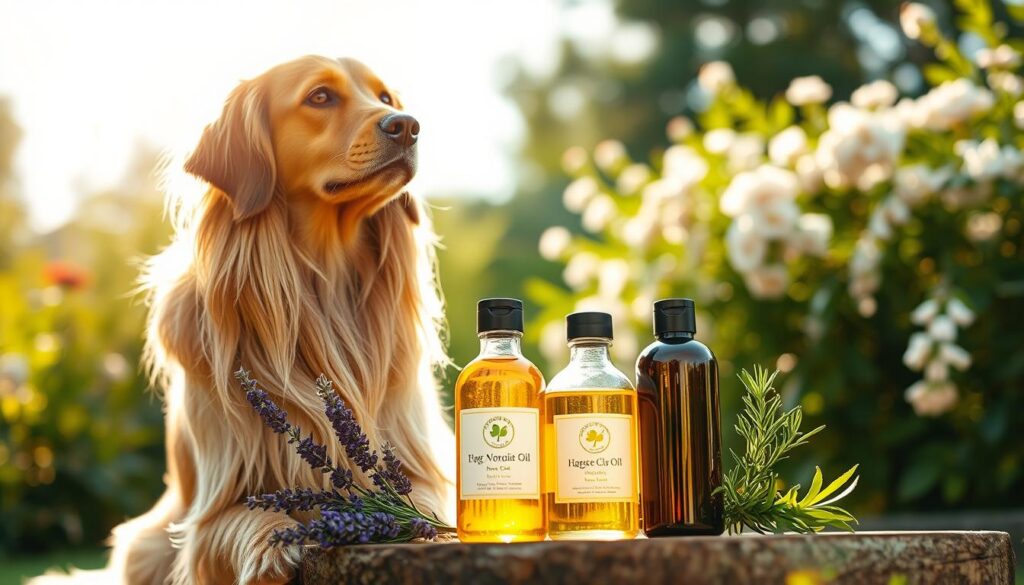
How Often Should You Apply Hair Oil?
As a starting point, apply oil once per week. This schedule lets you watch your dog’s skin without overwhelming hair follicles. If the coat is dry or brittle, increase use to twice weekly after the first month.
Check the manufacturer’s instructions, because some concentrated formulas need less frequent use. Adjust your approach for fur thickness and local climate. In winter, dry indoor air may require slightly more frequent hydration.
| Coat Type | Recommended Frequency | Application Focus |
|---|---|---|
| Short & Smooth | Every 10-14 days | Light massage on skin |
| Medium & Dense | Once per week | Even distribution through fur |
| Long & Silky | Twice per week | Focus on ends and tangles |
| Wire-Haired | Once every 2 weeks | Minimal root application |
Signs Your Dog Needs More Care
Monitor your pet to promote dog hair growth safely. Positive changes include softer fur, more shine, and less visible dandruff. These improvements suggest your current schedule works well.
Watch for signs that the product or schedule is not working. If you see a lasting odor, redness, or greasy buildup, stop and wash the coat thoroughly. Worsening itching or continued hair loss means you should consult a veterinarian to rule out underlying skin conditions.
Common Mistakes to Avoid When Using Hair Oil
Pet owners can accidentally harm their dog’s skin by misusing grooming oils. A natural dog hair growth oil can improve a dull coat, but wrong use brings frustration. Knowing these mistakes helps keep your pet safe and comfortable during grooming.
Over-application Risks
Using a large amount may seem helpful, but less is usually more. Too much oil leaves greasy residue that attracts dirt and debris to your dog’s fur. This buildup can clog pores and cause skin irritation over time.
If your dog licks extra oil, digestive upset may follow. Start with a very small amount of your natural dog hair growth oil and massage it into the skin. If the coat remains oily after a few minutes, you used too much.
Choosing the Wrong Type of Oil
Not all oils are safe for dogs, and the wrong product can be dangerous. Avoid essential oils like tea tree, peppermint, eucalyptus, cinnamon, clove, thyme, oregano, or wintergreen. These substances are often toxic to dogs and can cause severe reactions through skin contact or ingestion.
Avoid human grooming products with unknown fragrances, sweeteners, or chemical preservatives. These additives suit human skin chemistry and may cause pet allergies or dryness. Use a high-quality natural dog hair growth oil made for dogs to support their health and happiness.
Combining Dog Hair Oil with Other Grooming Products
A healthy coat for dogs needs more than one grooming product. A quality topical treatment helps, but other grooming staples support complete skin and hair care. Treat grooming as a system, with each product supporting your pet’s health.
Shampoos and Conditioners
Choose shampoos and conditioners that complement your nourishing dog hair oil. Products with silk proteins, aloe vera, or natural fats like avocado and coconut oil add hydration. They loosen knots and help the hair shaft absorb nutrients.
For guidance on combining these products, explore more details on dog hair oil for skin. Choose a shampoo that is pH-balanced for canine skin to avoid removing natural moisture.
“A consistent grooming routine is the foundation of a healthy pet. By combining the right topical treatments, you create a protective barrier that keeps the skin hydrated and the coat lustrous.”
Supplements for Hair Growth
Separate topical grooming products from internal supplements. Oils on the fur offer surface benefits, while salmon or fish oils support skin health and hair growth from within. Use both to give your dog a full range of omega fatty acids.
Add only one new product at a time to your dog’s routine. This lets you watch for skin irritation, digestive upset, or ingredient conflicts. A simple reaction log can help you build a routine for a healthy coat for dogs.
| Product Type | Primary Benefit | Application Method |
|---|---|---|
| Nourishing Oil | Surface Shine & Hydration | Topical (Massage) |
| Conditioner | Detangling & Softening | Rinse-off |
| Fish Oil Supplement | Internal Skin Support | Oral (With Food) |
| Leave-in Spray | Daily Maintenance | Mist & Brush |
Understanding Skin Conditions Related to Coat Growth
Before you try to stimulate dog hair growth, learn about your dog’s skin health. Oils can nourish the skin, but they cannot cure every skin problem. A healthy coat starts with healthy skin, and early signs need attention.
Identifying Common Skin Problems
Learn to tell a dry coat from a medical condition. Watch your dog for signs that extra moisture cannot fix. Persistent itching, unusual odors, and visible redness can signal a deeper problem.
Other signs may hinder efforts to stimulate dog hair growth include:
- Scaling or flaking of the skin surface.
- Development of hot spots or localized sores.
- Unexplained or patchy hair loss.
- Inflammation that does not subside with basic grooming.
When to Consult a Veterinarian
Natural oils may soothe minor irritation, but they cannot treat infections, parasites, or hormonal imbalances. Seek help if symptoms spread quickly or cause your dog clear discomfort. A veterinarian can decide whether medication is needed to stimulate dog hair growth.
We recommend scheduling an appointment if you observe any of the following red flags:
| Symptom | Potential Concern | Recommended Action |
|---|---|---|
| Persistent Odor | Bacterial or Yeast Infection | Veterinary Exam |
| Open Sores | Severe Dermatitis | Immediate Care |
| Rapid Hair Loss | Hormonal or Parasitic Issue | Professional Diagnosis |
| Extreme Itching | Allergic Reaction | Allergy Testing |
Put your dog’s comfort before cosmetic changes. Healthy skin free of infection makes it easier to stimulate dog hair growth effectively and safely.
Customer Testimonials and Success Stories
Learning from other dogs can inspire better ways to maintain a healthy coat for dogs. Scientific research matters, but pet owners offer useful grooming insights.
Real-Life Experiences with Dog Hair Oil
Testimonials are personal stories, not clinical evidence. Each dog has a unique biology, so results vary between pets.
One owner saw their dog’s hair visibly fill in after six weeks using a specialized hair-regrowth spray. Another pet parent saw major improvement around the ear tips after several months of regular use.
Before and After Comparisons
If you track progress, stay consistent for reliable results. Take photos with the same lighting and camera distance.
Keep grooming habits and photo intervals steady to prevent misleading results. Visual documentation helps track progress, but consider other health factors too.
A healthy coat for dogs depends on proper nutrition, genetics, and regular veterinary care. Oil is only one tool in your grooming kit.
| Observation Metric | Initial State | After 3 Months | Goal Status |
|---|---|---|---|
| Coat Texture | Brittle/Dry | Soft/Supple | Improved |
| Shedding Level | High | Moderate | Stable |
| Skin Hydration | Flaky | Balanced | Optimal |
Building a healthy coat for dogs means looking at the whole picture. Quality products, a balanced diet, and professional checkups support your furry friend.
Conclusion: Investing in Your Dog’s Coat Health
A vibrant, soft, resilient coat needs regular grooming and good nutrition. The right products in your daily routine can improve your pet’s comfort and appearance.
Summary of Key Advantages
A quality dog hair oil for growth moisturizes dry skin and adds natural shine to dull fur. It also protects delicate strands from breaking during brushing. Many owners choose unrefined coconut oil because its natural fats hydrate deeply, while antifungal properties help keep skin clean.
Final Thoughts on Routine Care
Explore our best dog hair growth oil recommendations to find a formula for your specific breed. Start with a small amount and watch how your pet reacts. Regular observation helps you provide the best care.
Maintaining a healthy coat for dogs requires long-term care beyond topical treatments. Contact your veterinarian if you notice unexplained hair loss or ongoing skin irritation. Proper nutrition and topical care help keep your companion happy and comfortable for years.