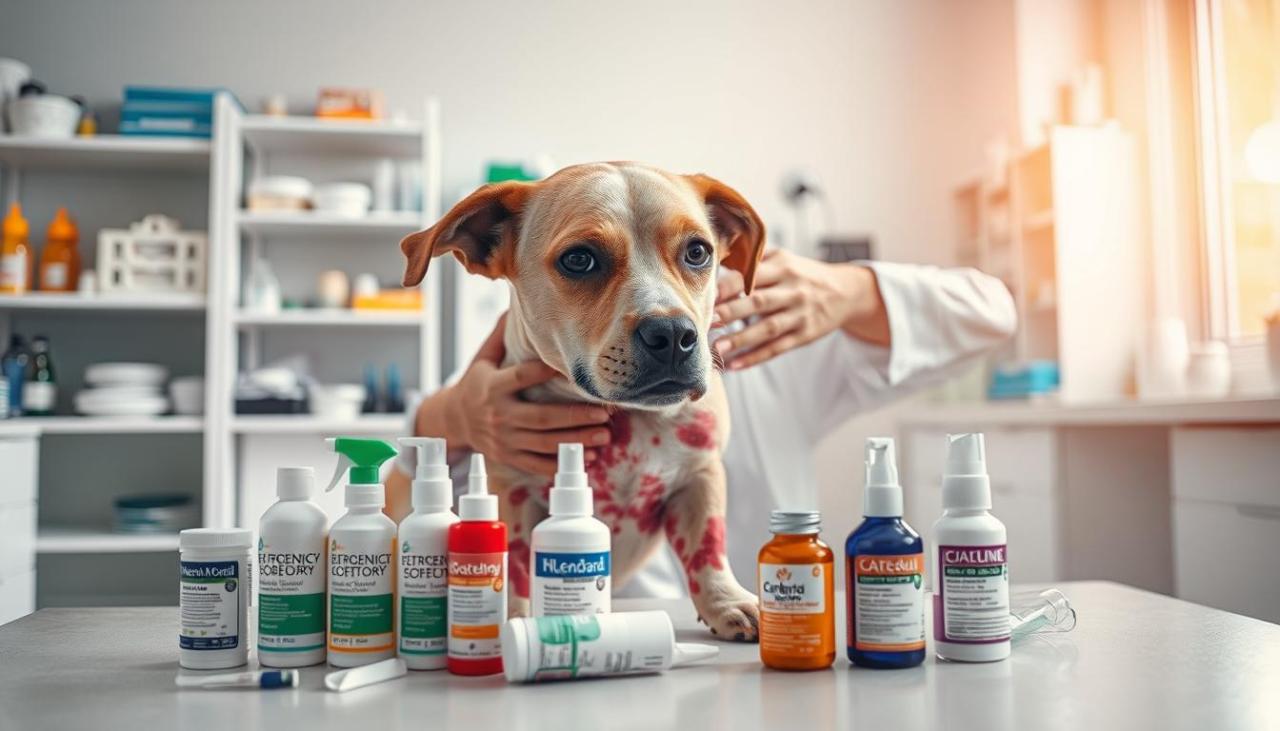
Did you know that pruritus, the medical term for persistent itching, accounts for nearly 20% of all veterinary visits in the United States? Watching your beloved companion suffer from constant irritation is heartbreaking for any owner. When pets scratch excessively, they often break the protective barrier of their coat, which can lead to painful secondary infections.
We understand how vital it is to find the right dog skin relief to restore your pet’s comfort. Our guide explores everything from natural home remedies to professional veterinary treatments. By identifying the root causes of irritation, we can help you provide the care your furry friend deserves.
Our goal is to offer actionable, expert-backed advice to improve your pet’s health. Finding effective dog skin relief is the first step toward ensuring a happy, itch-free life for your loyal companion.
Key Takeaways
- Pruritus is a common medical condition that requires prompt attention to prevent infections.
- Excessive scratching often indicates an underlying health issue that needs professional diagnosis.
- Natural remedies can provide soothing comfort for mild cases of dryness.
- Veterinary treatments are essential for managing chronic or severe allergic reactions.
- Restoring your pet’s health improves their overall quality of life and happiness.
Understanding Dog Skin Conditions
Finding out why your pet is uncomfortable is the first step to help them feel better. We need to look deeper than just the surface. This helps us figure out if the problem is from the environment, what they eat, or bugs.
Common Causes of Itchy Skin
Pruritus is the term for itchy skin, often a sign of a bigger health issue. Many dogs get itchy from things like pollen, dust mites, or mold in their world.
Food allergies can also make a dog itch, often on their paws and ears. And, fleas and mites are common bugs that need special canine dermatology solutions to get rid of.
Signs Your Dog Needs Skin Relief
Spotting early signs of skin trouble helps us act fast. Look for signs like your dog chewing their paws a lot, licking too much, or rubbing their face on things.
Other signs include red, sore skin, hair loss, or scabs and crusts. These are clear signs your dog is in pain and needs help.
When to See a Veterinarian
Some minor skin issues can be fixed at home, but others need a vet. If you see signs of infection like pus, bad smells, or swelling, get help right away.
Seeing a vet for effective treatments for dog skin conditions is key if the itching keeps your dog awake or stops them from playing. A vet can give the right treatment to avoid lasting harm.
| Condition Type | Primary Symptom | Common Trigger |
|---|---|---|
| Environmental Allergy | Red, itchy paws | Pollen or grass |
| Parasitic Infestation | Intense scratching | Fleas or mites |
| Food Sensitivity | Chronic ear infections | Specific protein sources |
| Bacterial Infection | Pustules or crusting | Broken skin barrier |
Natural Remedies for Dog Skin Relief
When your dog scratches a lot, holistic approaches to dog skin problems can help. These methods are gentle and don’t use harsh chemicals. They offer quick, natural relief for your dog’s skin at home.
Oatmeal Baths for Soothing Itchiness
Oatmeal is great for calming inflamed skin. Grind plain, unsweetened oatmeal into a fine powder. This makes a colloidal oatmeal that mixes well with warm bathwater.
Let your dog soak in the mixture for about ten minutes. This lets the oatmeal’s properties work on the coat. Always ensure the water is lukewarm to avoid drying out the skin.
Coconut Oil: A Moisturizer for Dog Skin
Coconut oil is a top choice for moisturizing dry, flaky patches. It has fatty acids that nourish the skin and reduce redness. Gently massage a small amount of organic, virgin coconut oil onto the affected areas.
Since dogs might lick off treatments, use a small amount. Distract your pet with a toy or treat afterward. This lets the oil fully absorb into the skin. Consistent application can make the coat softer and healthier over time.
Apple Cider Vinegar: A Safe Solution
A mix of apple cider vinegar and water can balance your dog’s skin pH. It’s good for stopping yeast overgrowth, which causes itching. Use a 50/50 dilution to keep it gentle.
Apply this mix with a spray bottle or a clean cloth for soothing relief for dog skin irritations. But be careful around open wounds or raw skin, as it’s acidic. Always prioritize your dog’s comfort by testing it on healthy skin first.
Over-the-Counter Products
When natural remedies for dog skin issues don’t work, we turn to store-bought solutions. Dog skin care products can help manage irritation. They are easy to find and help soothe your pet at home.
Topical Medications for Immediate Relief
Topical treatments are great for itching in one spot. They often have chamomile, calendula, or tea tree oil to calm the skin fast. Make sure to apply them carefully to avoid your dog eating them.
Always check the label to make sure it’s for dogs. Human products can irritate dog skin because of pH differences.
Antihistamines for Allergic Reactions
Antihistamines are highly effective for dog allergies. They block histamines that cause swelling. Talk to your vet to find the right dose for your dog.
- Reduces redness and swelling.
- Helps minimize excessive scratching.
- Provides relief from environmental allergens.
Moisturizing Sprays for Dry Skin
Dry skin needs extra moisture to heal. Moisturizing sprays are effective treatments for dog skin conditions. They keep your dog’s coat soft and healthy.
| Product Type | Primary Benefit | Best For |
|---|---|---|
| Topical Creams | Immediate soothing | Hot spots |
| Antihistamines | Allergy control | Itchy paws |
| Moisturizing Sprays | Hydration | Dry, flaky skin |
Watch your dog for any signs of sensitivity before using new products. If the problem gets worse, see a vet to check for infections.
Prescription Medications
Severe skin problems in dogs often need strong prescription treatments. Many start with natural remedies for dog skin issues. But, if the problem doesn’t go away, a vet’s help is key.
Vets might give special medicines, made by licensed pharmacists, for easier use. These custom solutions often work better than dog skin care products for tough health issues. They target the real cause of the problem, not just the symptoms.
Corticosteroids to Reduce Inflammation
Corticosteroids quickly stop intense itching and swelling. They calm the immune system’s reaction to allergens. Your vet will watch the dosage to keep your dog safe.
Antifungal Treatments for Yeast Infections
Antifungal meds are key for yeast infections. They get rid of the fungus and balance the skin. Using tchy skin dog oil with these meds can help soothe the skin while healing.
Allergy Shots as a Long-term Solution
Allergy shots are a good long-term fix for dogs with chronic allergies. They make your dog less sensitive to allergens. Some owners also use allergy medicine for dogs to handle pollen season.
The table below shows the main effective treatments for dog skin conditions a vet might suggest:
| Treatment Type | Primary Goal | Administration Method |
|---|---|---|
| Corticosteroids | Reduce Inflammation | Oral or Topical |
| Antifungals | Kill Yeast/Fungi | Shampoo, Cream, or Pill |
| Allergy Shots | Desensitization | Subcutaneous Injection |
| Compounded Meds | Customized Relief | Varies by Prescription |
Dietary Considerations
What you feed your dog affects their skin and coat health. Topical treatments help, but a good diet is key for long-term health. A balanced diet builds a strong skin barrier.
Omega-3 Fatty Acids for Healthy Skin
Omega-3 fatty acids are crucial for skin health. They help reduce internal inflammation and soothe skin. Adding them to your dog’s diet keeps the skin barrier strong.
Hypoallergenic Dog Foods
Hidden food sensitivities can cause itching. Hypoallergenic dog foods help find and avoid these triggers. They use unique proteins like duck or venison to prevent allergies.
Changing your dog’s diet should be slow. This lets their stomach adjust while you watch for skin improvements. Many dogs see less scratching in just a few weeks.
Supplements for Skin Health
Supplements can give your pet an extra health boost. Look for the best dog skin supplements to ensure they get all the vitamins and minerals they need. These products help repair cells and make the coat shiny.
When picking dog skin care products, choose ones with biotin, zinc, and vitamin E. These help keep the skin elastic and moist. Adding supplements can bring many benefits:
- Reduced shedding and better coat texture.
- Stronger immune response to allergens.
- Quicker healing of small skin injuries.
- More moisture in the skin layers.
Grooming Tips for Dog Skin Care
Regular grooming is key for your dog’s skin health. Spending time on their coat helps spot problems early. A routine keeps their skin strong against the outside world.

Regular Brushing to Remove Dirt
Brushing often is a top way to keep a healthy coat. It gets rid of allergens trapped in fur from playing outside. Removing these particles stops them from causing skin inflammation.
Brushing also stops painful matting. Mats trap moisture and dirt, perfect for bacteria. A tangle-free coat lets air reach the skin.
Bathing Frequency for Healthy Skin
It’s important to keep your dog clean but not too clean. Over-bathing takes away natural oils. Most dogs do well with a bath every few weeks, based on their activity and breed.
If your dog is outside a lot, rinse them with water more often. This removes dirt without harsh soap. Watch for dry or flaky skin after a bath.
Choosing the Right Shampoo
Picking the right shampoo is crucial for soothing relief for dog skin irritations. Many shampoos have harsh chemicals that upset the skin’s balance. Look for gentle, hypoallergenic ones that moisturize.
Combining grooming with best dog skin supplements gives your pet the best care. These supplements improve coat and skin health from the inside. Always check with your vet for the safest products for your dog.
Environmental Factors Affecting Skin Health
Environmental triggers often cause skin problems in dogs. By using holistic approaches to dog skin problems, we can protect our pets. This helps them avoid the daily irritants they face.
Seasonal Allergies and Your Dog
In spring and fall, pollen, mold, and dust are everywhere. These allergens can settle on your dog’s coat and skin. This leads to itching and discomfort.
We suggest wiping your dog’s paws and belly with a damp cloth after walks. This reduces allergens at home. Adding the best dog skin supplements helps keep their skin healthy all year.
Building a Dog-Friendly Outdoor Environment
Your backyard should be a safe space for your dog. Remove weeds or plants that can cause allergies. This makes your yard a haven for your pet.
Keeping your lawn short helps reduce pollen and mold. A clean, shaded area for your dog to rest keeps them away from damp soil and allergens.
Maintaining Indoor Humidity
Dry air can dry out your dog’s skin, causing flakiness and irritation. Keeping the indoor humidity right is key. It’s a vital holistic approach to dog skin problems.
Using a humidifier in winter prevents dry skin. This, along with the best dog skin supplements, keeps your pet comfortable all year.
Emergency Care for Severe Skin Issues
Severe skin problems can get worse fast. It’s key to know when to get help right away. Acting quickly helps avoid pain and gets your pet the right care.
Recognizing When to Consult a Vet
Watch your dog for signs that are more than just itching. If they vomit, seem tired, or have trouble breathing after a bug bite, get to the vet fast. These signs mean they might have a serious allergic reaction.
Look out for open sores or a bad smell from their skin too. If you see these, don’t wait. Your dog needs canine dermatology solutions from a vet to fix deep infections.
First Aid for Skin Infections
For small cuts or spots, clean them first. Use mild soap and warm water to get rid of dirt. Then, dry the area with a clean towel to stop bacteria from growing.
But, these steps are just a start. If the infection gets worse or hurts a lot, call your vet right away. Giving your dog soothing relief for dog skin irritations is good, but a vet’s check is crucial.
Importance of Following Vet Advice
After seeing a vet, follow their treatment plan closely. Vets give special meds or creams for your dog’s needs. Skipping doses or stopping early can make problems come back.
By sticking to your vet’s advice, you make sure your dog gets the best canine dermatology solutions. Regular care and vet checks help your dog stay happy and itch-free.
Preventive Measures for Healthy Skin
Proactive care is key to keeping your dog’s skin healthy. It stops future problems. Giving your pet consistent care is the best way to ensure their long-term health.
Routine Health Screenings
Regular vet visits are crucial. They help catch small issues before they get big. These check-ups are a chance to talk about the best skin care for your dog.
Protection and Maintenance
Good health can prevent mange and other skin problems. Make sure your dog gets all their shots and uses flea treatments. Brands like NexGard or Bravecto are good choices to keep their skin strong.
Building a Daily Regimen
Having a skincare routine is important. It helps keep your dog comfortable all year. Daily grooming lets you notice any skin changes right away. Share your experiences to help others care for their pets too.