Did you know a dog’s skin is its largest organ? It shows health before other signs appear. A shiny coat is more than beauty; it’s a clear sign of your companion’s overall wellbeing. Every owner wants their pet to be comfortable and look great.
To keep your pet vibrant, you need a mix of good food and regular grooming. Our guide shows you how to do an effective pet coat treatment. It focuses on quality ingredients and grooming habits. Follow these tips to keep your pet happy and healthy for years.
We make caring for your pet’s skin easy. A good pet coat treatment routine helps with shedding and skin issues.
Key Takeaways
- A shiny appearance serves as a primary indicator of internal health.
- Nutrition plays a vital role in maintaining skin and fur quality.
- Consistent grooming habits prevent common dermatological issues.
- Professional advice simplifies complex maintenance routines for owners.
- Proper care ensures your companion stays comfortable throughout their life.
Understanding Pet Coat Health
A shiny coat shows how well your pet is doing. Looking at your pet’s fur can tell you a lot about their health. Keeping their coat healthy is key to their happiness.
Importance of a Healthy Coat
The skin and fur protect pets from harm. They keep pets warm and safe. Good care helps keep this barrier strong.
A healthy coat means a happy. It shows their immune system is working well. Regular grooming keeps pets feeling good about themselves.
Common Coat Issues in Pets
Many pets face problems that make their fur dull. Stress from big changes can cause this. Pets can also get emotional and show it through their fur.
Physical problems like parasites or hormonal issues can also affect fur. These need a vet to figure out. Finding solutions early helps prevent more problems.
Watch for signs like irritation or bald spots. Quick action can fix these issues. Regular grooming is the best way to keep pets healthy.
Types of Pet Coat Treatments
Choosing the right pet fur treatment can be tough. Knowing what your pet needs is key to a shiny coat. Never use human products on pets, as they can upset their skin’s balance and cause irritation.
Natural Treatments vs. Chemical Treatments
When picking a pet coat treatment, you face natural vs. chemical options. Natural products use plant extracts and oils to calm the skin. They’re good for pets with mild allergies or who need regular grooming.
Chemical treatments tackle serious skin issues like fleas or fungal infections. They work well but must be used carefully to avoid harm. Always check the ingredients for allergens before applying.
Conditioners and Shampoos
A good shampoo is the base of any pet fur treatment plan. For pets with dry or itchy skin, oatmeal-based shampoos are best. Oatmeal soothes the skin and keeps it moist.
Using a conditioner next helps keep the hair smooth and shiny. It’s crucial for long-haired pets to prevent tangles. This simple step greatly improves their fur’s look and feel.
Specialized Treatments for Different Coat Types
Every pet has a unique coat that needs a special care. Whether your pet has a thick coat, silky fur, or wiry hair, there’s a pet coat treatment just for them. The wrong product can leave buildup or not hydrate enough.
| Coat Type | Recommended Treatment | Primary Benefit |
|---|---|---|
| Sensitive/Dry | Oatmeal-based Shampoo | Soothes inflammation |
| Long/Silky | Detangling Conditioner | Prevents matting |
| Wiry/Coarse | Texturizing Foam | Maintains structure |
| Double Coat | Deep Cleansing Wash | Removes trapped debris |
Key Ingredients to Look For
When you shop for the best pet coat products, the ingredient label is key. The quality of active components is crucial for any topical or dietary solution. By looking beyond marketing, you can find real nourishment, not just temporary fixes.
Beneficial Oils and Their Effects
Healthy skin and fur start from within, and fats are essential. Fish or fish oil, like cod liver oil, adds omega-3 fatty acids to your pet’s diet. These fats are vital for pet coat health, promoting natural oil production and sleekness.
“Nutritional balance is the cornerstone of a lustrous coat; without the right fatty acids, the skin barrier cannot function at its peak.”
Proteins and Vitamins for Fur Health
Hair is mostly protein, making it crucial for your pet’s look. High-quality proteins give the amino acids needed for strong hair follicles. Strong follicles mean less brittle or dull fur.
Vitamins, like Vitamin E and B-complex, also boost coat luster. They help repair damage and protect against environmental stress. A balanced diet with these nutrients is key for long-term health.
Natural Extracts and Their Benefits
Natural extracts can enhance your pet fur treatment routine. Ingredients like aloe vera, chamomile, and oatmeal soothe irritated skin. They work with the body to reduce itching and improve texture.
| Ingredient | Primary Benefit | Best For |
|---|---|---|
| Omega-3 Fatty Acids | Reduces inflammation | Dry, itchy skin |
| Biotin | Strengthens hair | Brittle, thin fur |
| Aloe Vera | Deep hydration | Sensitive skin |
| Vitamin E | Antioxidant support | Overall coat shine |
Choose products with natural, high-quality ingredients. This ensures your pet stays comfortable and looks great every day.
How to Choose the Right Treatment
Finding the best pet coat products is more than just picking a bottle. Every animal is different, with unique needs. It’s important to choose products that keep their skin healthy and fur vibrant.
Consider Your Pet’s Coat Type
The type and length of your pet’s fur matter. Long-haired pets need deep-conditioning to avoid tangles. Short-haired pets do well with light, moisturizing sprays.
- Double-coated breeds: Look for products that penetrate the thick undercoat.
- Wire-haired breeds: Focus on strengthening treatments that maintain texture.
- Sensitive skin types: Prioritize hypoallergenic and fragrance-free options.
Assessing Allergies and Sensitivities
Check for allergies before using new products. Many pets react to artificial dyes or harsh sulfates. Do a patch test on a small area first.
If your pet shows signs of irritation, stop using it. Choose best pet coat products that are safe. Always check the ingredients for any sensitivities.
Consulting Your Veterinarian
Your vet is the best person to ask about treatments. They can tell if your pet needs special care. They help find the real cause of coat problems.
Talk to your vet about what you’re using now. They can say if you need something stronger or if regular grooming is enough.
DIY Pet Coat Treatments
Many pet owners find the best pet coat products in their kitchen. Making your own grooming supplies keeps your pet safe from harsh chemicals. Simple, natural ingredients are often the safest way to a healthy coat.
Homemade Shampoo Recipes
A gentle pet fur treatment starts with a mild base. Mix one cup of mild, fragrance-free castile soap with two cups of warm water and a tablespoon of vegetable glycerin. This mixture cleanses without stripping away natural oils.
Always rinse your pet well to prevent residue buildup. For sensitive skin, add a small amount of soothing aloe vera gel during the bath.
Natural Oils to Boost Shine
Natural oils add shine to dull fur. Coconut oil is a good choice because it nourishes hair follicles. Warm a tiny amount between your palms and massage it into the fur tips.
Olive oil or almond oil are also great for dry skin. But, make sure the oil is safe for your pet before use. Consistency is key to avoid greasiness.
At-home Conditioning Masks
Conditioning masks detangle and improve coat texture. Mix plain, unsweetened yogurt with a teaspoon of honey. Apply to damp fur, let it sit for five minutes, and rinse well.
This leaves the fur silky and easy to brush. Here’s a quick guide to choose the right natural ingredients for your pet.
| Ingredient | Primary Benefit | Best For |
|---|---|---|
| Coconut Oil | Deep Hydration | Dry, Brittle Fur |
| Aloe Vera | Soothing Relief | Sensitive, Itchy Skin |
| Plain Yogurt | Softening Texture | Tangled, Rough Coats |
| Oatmeal | Calming Irritation | Allergic Skin Types |
Application Techniques for Best Results
Using the right techniques can turn simple grooming into a top-notch experience. It’s not just about the quality of the products. How you apply them is key to the success of your pet coat care. A careful approach ensures every hair gets the care it needs.
Preparing Your Pet for Treatment
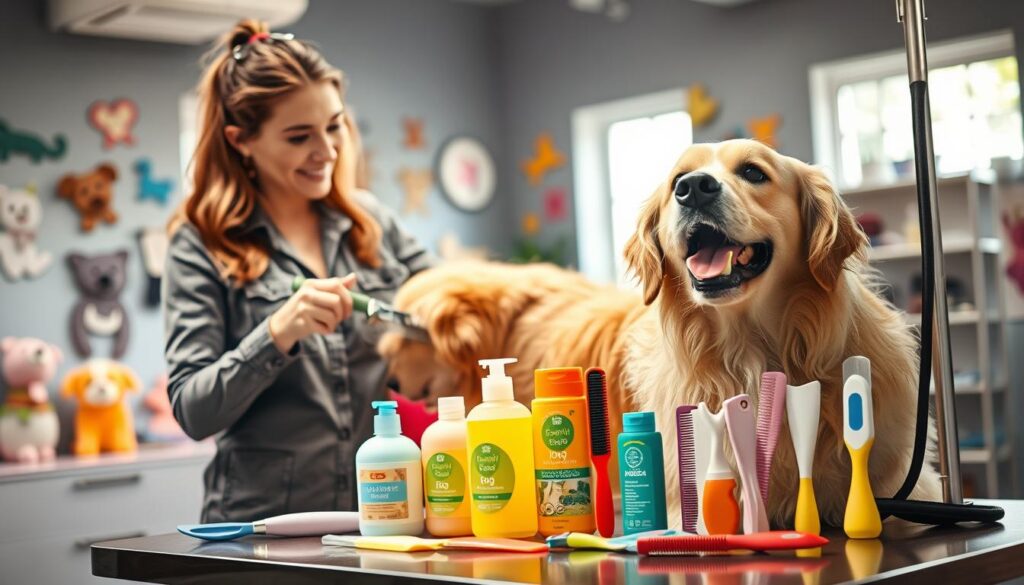
First, make sure your pet is in a calm and stress-free spot. It’s important to introduce grooming tools like clippers and dryers slowly. This keeps your pet calm and cooperative during the grooming.
Have all your grooming tools ready before starting. A relaxed pet is easier to handle. This makes grooming safer and more effective for both of you.
Proper Application Methods
When using shampoos or conditioners, gently massage them into your pet’s fur. This helps stimulate natural oils and improves blood flow to the skin.
Don’t wash your dog too often to avoid drying out their skin. These grooming techniques for pet coats help keep the fur clean while preserving natural moisture.
Setting the Right Routine
Consistency is crucial for a healthy, shiny coat. A regular grooming schedule helps your pet get used to it. This reduces anxiety during bath time.
Keep a log of your pet coat care sessions. This helps you find what works best for your pet. Over time, grooming becomes a special bonding moment that keeps your pet looking and feeling great.
Frequency of Treatment
Having a regular grooming schedule is key for pet coat maintenance. Every pet is different, but finding the right grooming schedule helps avoid skin issues and keeps fur healthy.
Recommendations for Different Pet Breeds
Different breeds need different grooming approaches. Long-haired pets often need more conditioning to avoid mats. Short-haired pets might only need occasional deep treatments.
Watch your pet’s hair type to figure out their grooming needs. Consistency is key, but don’t over-wash, as it can remove important oils.
“The secret to a healthy coat is not just the product you use, but the regularity with which you apply it to your companion’s fur.”
Seasonal Considerations for Treatment
Seasons affect how often you should groom your pet. Winter’s dry air can make fur dry and brittle, needing more moisturizing.
Summer’s humidity can cause skin irritation or fungal growth. Adjusting your grooming routine for these changes helps solve pet coat issues all year.
Signs Your Pet Needs More Care
Your pet might show you they need more grooming. Look for signs like excessive scratching, dull or greasy fur, or dandruff.
- Increased shedding beyond normal seasonal cycles.
- Persistent odor even after a recent bath.
- Patches of dry or flaky skin.
If you see these signs, it’s time to change your pet coat maintenance plan. A bit more frequent grooming can help your pet’s skin feel better.
Grooming Tips for Maintaining Coat Health
Keeping up with grooming is key to a pet’s coat health. It makes them feel good and look great. Good pet coat maintenance means daily care and watching for any issues.
Brushing Techniques to Enhance Shine
Brushing helps spread oils in the fur. Use a dog comb to gently untangle hair. This makes the coat look better and helps spot skin problems.
When brushing, always brush in the direction of hair growth. Start at the ends and move towards the skin. This keeps your pet relaxed and makes grooming a nice experience.
Bathing Dos and Don’ts
Bathing is crucial, but do it right to avoid dry skin. Use warm water and a shampoo made for your pet. Be careful not to get soap in the eyes or ears.
Rinse well after bathing to remove all soap. Soap left on can cause itching and scratching. Dry your pet gently with a towel to avoid tangles.
When to Schedule Professional Grooming
Home care is important, but sometimes you need a pro. If you can’t safely remove mats, it’s time for a groomer. They have the tools to handle tough knots safely.
Book a pro for special haircuts or if you’re unsure about sensitive areas. Regular visits keep your pet healthy all year. Here’s a guide to help you plan.
| Grooming Task | Recommended Frequency | Primary Tool |
|---|---|---|
| Daily Brushing | Every 1-2 days | Slicker brush or comb |
| Full Bath | Every 4-6 weeks | Pet-safe shampoo |
| Professional Grooming | Every 6-8 weeks | Professional clippers |
| Ear Cleaning | Weekly | Cotton pads |
Effect of Diet on Coat Health
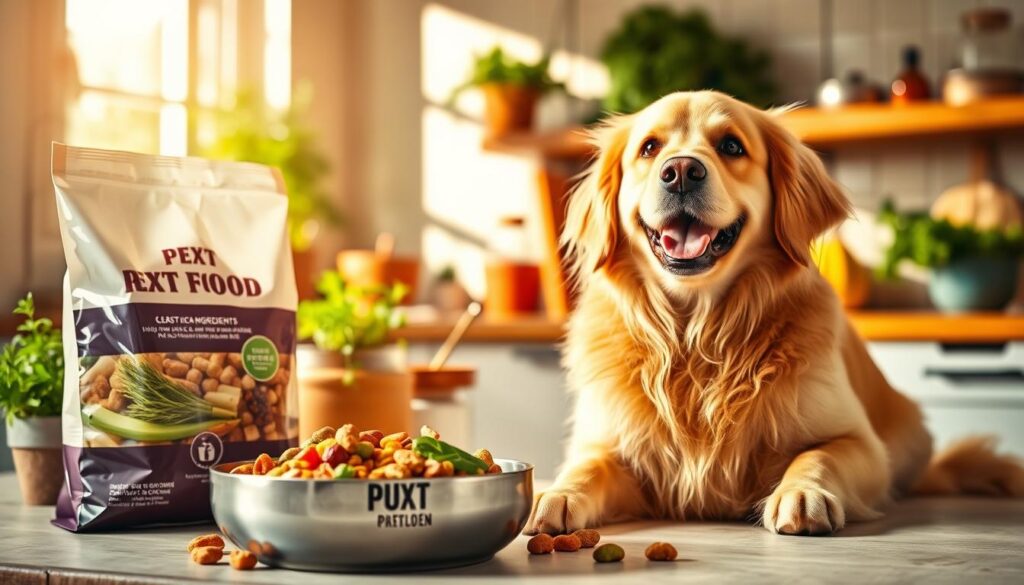
We often focus on topical treatments, but the real secret to a vibrant coat lies in the food bowl. True pet coat health begins from the inside out, making nutrition the foundation of any effective care plan. When we provide the right building blocks, we see a direct improvement in the luster and strength of our pets’ fur.
Nutritional Requirements for Shiny Fur
To achieve a glossy appearance, we must prioritize specific fats in our pets’ diets. Foods rich in omega-3 and omega-6 fatty acids are essential for maintaining the skin barrier and preventing dryness. These healthy fats help reduce inflammation and promote a soft, manageable texture that makes dog coat shine easier to achieve.
Supplements That Support Coat Quality
Sometimes, even a balanced diet needs a little extra help to reach peak performance. Adding targeted supplements can provide the necessary vitamins and minerals that might be missing from standard meals. Biotin, zinc, and vitamin E are effective at supporting pet coat maintenance and overall skin integrity.
Impact of Processed Foods on Coat Condition
We must be cautious about the quality of commercial pet foods we choose. Many highly processed options lack the bioavailable nutrients required to support a healthy, thick coat. When a diet is filled with fillers rather than whole-food proteins, the skin and fur are often the first areas to show signs of deficiency.
By focusing on high-quality, nutrient-dense ingredients, we can provide the internal support our pets need for a vibrant, healthy appearance. Consistent pet coat maintenance is much simpler when the body is already receiving the fuel it needs to thrive.
| Nutrient Type | Primary Benefit | Best Food Sources |
|---|---|---|
| Omega-3 Fatty Acids | Reduces skin inflammation | Fish oil, flaxseed |
| Omega-6 Fatty Acids | Promotes hair growth | Poultry fat, sunflower oil |
| Zinc | Prevents dry, flaky skin | Lean meats, eggs |
| Vitamin E | Enhances natural luster | Leafy greens, nuts |
Recognizing When to Seek Professional Help
Even with the best dog coat treatment, some conditions need a vet’s help. Many minor issues can be handled at home, but serious problems mean your pet needs medical care. Knowing when to seek help is crucial for pet owners.
Identifying Serious Coat Issues
Watch your pet for any sudden changes in their skin or fur. Serious warning signs that need quick action include:
- Persistent, intense itching or scratching that disrupts sleep.
- Unexplained hair loss or thinning patches across the body.
- Visible redness, swelling, or sores on the skin.
- A foul odor coming from the coat, even after a recent bath.
These symptoms often mean health issues like allergies, hormonal imbalances, or infections. Ignoring them can make your pet very uncomfortable.
When to Visit a Veterinarian
If you see these symptoms, it’s time to see your vet. They can run tests to find the cause of the problem. They might also suggest active parasite control to protect the skin.
For example, using a monthly spot-on treatment like Advocate can quickly fight fleas and parasites. This helps prevent long-term skin problems.
Finding a Recommended Groomer
Working with a skilled groomer can also help keep your pet’s coat healthy. A good groomer knows advanced techniques that go beyond basic grooming. They can spot problems like matting or skin irritation that you might miss.
Here are some tips for finding a good groomer:
- Ask your vet or local pet community for recommendations.
- Look for certifications or memberships in grooming associations.
- Watch how the groomer interacts with your pet during the first visit.
- Make sure they keep a clean, calm environment for pets.
Testimonials and Success Stories
Real-world stories show the benefits of a consistent pet coat treatment. Hearing about others’ challenges and wins can motivate us. Every pet is unique, and seeing how others tackle grooming issues is very helpful.
Real-life Experiences with Pet Coat Treatments
Many owners say the biggest changes come from focusing on long-term health, not quick fixes. Sarah from Ohio had a Golden Retriever with a dull coat for years. She changed to a high-quality pet coat treatment and brushed more often. Within three months, her dog’s coat became much softer and healthier.
Success often requires patience. It takes time for the skin and fur to adjust to new treatments. Those who stick with their pet coat treatment routine usually see a big improvement in their pet’s coat.
Before and After Photos
Photos can show the real difference in grooming results. We’ve seen many cases where a dull coat turns into a shiny, healthy one. These changes show the importance of proper hydration and the right products.
When looking at these photos, notice these key signs of success:
- Increased luster: A shiny coat that reflects light well.
- Reduced shedding: Less fur around the house means healthier follicles.
- Improved texture: The fur is softer and less tangled.
Community Recommendations and Tips
Our community shares practical tips to make grooming easier. Many suggest keeping a log of what works best for your breed. This helps you find the right products and avoid irritants.
“Consistency is the secret ingredient. Once I made grooming a relaxing bonding time rather than a chore, my dog’s coat health improved drastically.”
Other tips from the community include:
- Always introduce new products slowly to monitor for skin reactions.
- Use a high-quality slicker brush to distribute natural oils evenly.
- Focus on hydration from the inside out by ensuring your pet drinks plenty of fresh water.
Conclusion
Consistent care for your pet strengthens your bond. It’s built on trust and their physical health. Small daily efforts can greatly improve their fur’s texture and shine.
The Value of Consistent Maintenance
Regular pet coat care keeps your dog or cat comfortable all year. A healthy coat often means they’re eating well and feeling good inside. Watching your pet closely helps catch small issues before they get big.
Building Your Daily Routine
Start adding these easy pet grooming tips to your weekly routine today. A regular schedule makes grooming a calm experience for your pet. Your hard work will show in their shiny, healthy coat, showing how much you care.