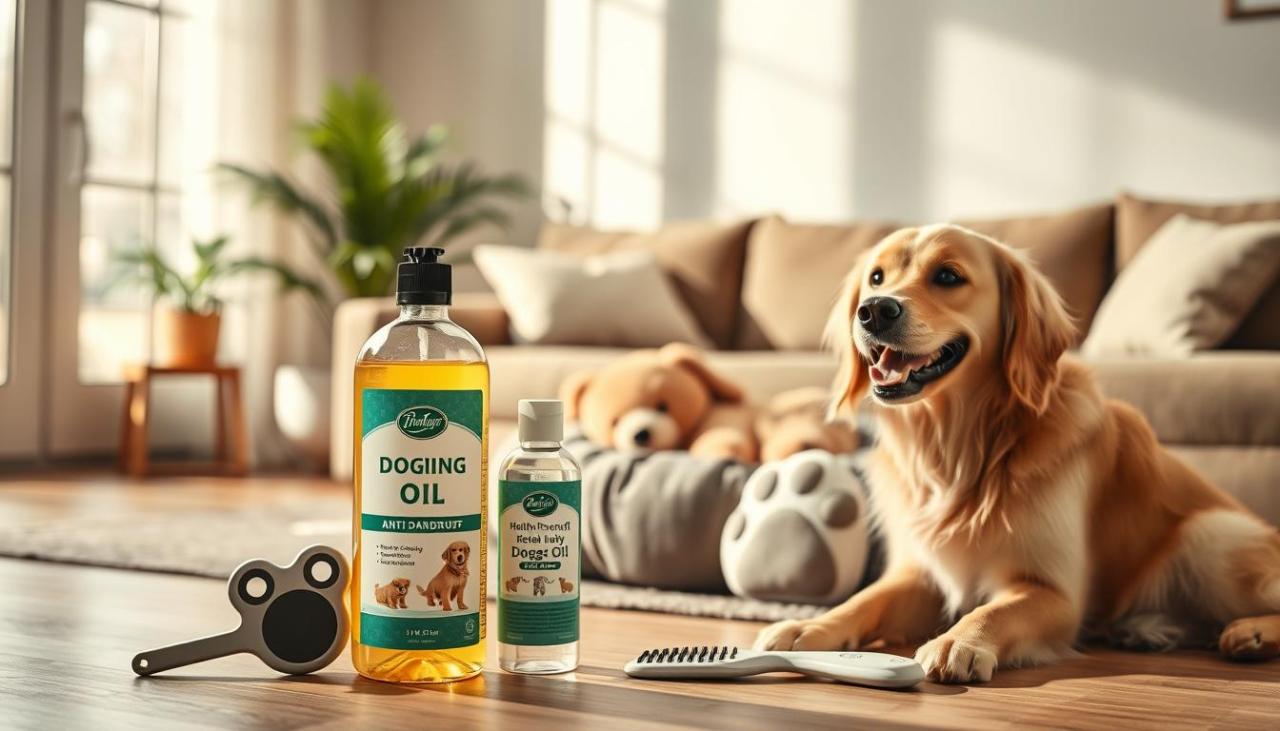
Did you know that nearly 40% of pet owners report their companions suffer from seasonal skin irritation? This common issue often leads to excessive scratching and discomfort for our furry friends. We understand how difficult it is to watch your pet struggle with dry, flaky patches.
Our guide explores the science behind canine skin health to help you find relief. By using a specialized anti dandruff dog oil, you can effectively soothe inflammation and restore natural moisture. We provide actionable advice on selecting the right products to improve your pet’s coat quality.
Following these evidence-based recommendations ensures your companion stays comfortable year-round. Let us help you navigate the best solutions for a healthier, happier pet.
Key Takeaways
- Skin irritation affects a large percentage of pets, requiring proactive care.
- Proper hydration is essential for maintaining a healthy canine coat.
- Selecting the right topical treatment can significantly reduce scratching.
- Evidence-based products offer the safest path to skin recovery.
- Consistent application leads to visible improvements in fur texture.
Understanding Dog Dandruff: Causes and Symptoms
Skin health shows how well your dog is doing inside and out. Changes in their coat can warn us of problems. It’s key to watch for these signs in our pets.
Common Causes of Dandruff in Dogs
Dandruff in dogs is not just about the skin. It can come from many things inside and outside the body. Things like allergies, fleas, and even diseases like hypothyroidism can cause it.
What your dog eats is also important. Without the right nutrients, their skin can get dry and flaky. Infections can make things worse, causing long-term discomfort.
“The skin is the largest organ of the body, and its condition is often the first indicator of systemic health issues in our pets.”
Recognizing Symptoms of Dandruff
White, flaky skin is a clear sign of dandruff. Dogs with dandruff often scratch a lot. Their skin might also look red, inflamed, or crusty.
Watch for changes in your dog’s behavior too. If they’re licking themselves a lot, it’s likely because of an itchy scalp. Catching these signs early helps your dog feel better faster.
| Condition | Primary Symptom | Common Cause |
|---|---|---|
| Allergic Dermatitis | Intense itching | Environmental allergens |
| Seborrhea | Greasy or dry flakes | Genetic or hormonal |
| Parasitic Infestation | Visible movement/bites | Fleas or mites |
| Nutritional Deficiency | Dull, brittle coat | Imbalanced diet |
Impact on Your Dog’s Overall Health
Ignoring skin problems can lead to bigger issues like infections and pain. When the skin is not healthy, it can let bacteria in. This can make a small problem very serious. It’s important to take care of your pet’s skin.
Seeing a vet is a good idea to figure out what’s going on. They can tell if it’s just dry skin or something more serious. Finding the cause helps your dog feel better and stay healthy.
Benefits of Using Anti Dandruff Dog Oil
We often forget how important topical care is for our dogs’ coats. Adding special oils to your grooming routine can greatly improve skin health and comfort for your pet.
Promotes Skin Hydration and Health
These oils are great because they keep the skin moist. Omega-3 fatty acids are key for keeping the skin’s natural barrier strong. This stops too much water from leaving the skin.
Keeping the skin hydrated makes it soft and strong against the environment. Consistent hydration is key for a healthy, flake-free coat.
Reduces Flakiness and Irritation
Dry skin often causes an itchy scalp and scratching. This can hurt the skin more. The right oil can calm these areas and give quick relief.
“Healthy skin is the mirror of a dog’s internal vitality, and proper topical care is the key to unlocking that glow.”
Fixing dryness stops flakiness in dogs. This targeted care calms the skin and breaks the cycle of irritation.
Enhances the Shine of Your Dog’s Coat
These oils are also crucial for coat maintenance. A healthy coat shows your dog’s overall health, giving it a natural shine.
Regular use keeps the fur soft, easy to manage, and shiny. By focusing on consistent care, your dog’s coat will stay beautiful and healthy.
Key Ingredients to Look for in Dog Oils
Knowing what’s in your pet’s natural remedies is key. Understanding the ingredients in their topical treatments helps support their skin health. The right ingredients ensure your pet gets the best care.
Natural Oils and Their Benefits
Plant-based oils are great for moisturizing a dog’s coat. For example, coconut oil deeply hydrates the hair shaft. Jojoba oil, on the other hand, is gentle and mimics a dog’s natural skin oils.
Essential Fatty Acids for Skin Health
Fish oils are better than plant-based oils because they have more DHA and EPA. These essential fatty acids help keep the skin strong and reduce inflammation. Dogs have trouble converting plant-based alpha-linoleic acid into what they need for skin health.
Soothing Agents for Sensitive Skin
For dogs with constant irritation, look for calming botanical extracts. Aloe vera and chamomile cool hot spots and reduce redness. These natural remedies work well with oils to soothe sensitive skin.
| Ingredient | Primary Benefit | Best For |
|---|---|---|
| Fish Oil | High DHA/EPA content | Deep skin repair |
| Coconut Oil | Deep hydration | Dry, brittle coats |
| Aloe Vera | Calming irritation | Sensitive, red skin |
| Jojoba Oil | Sebum balancing | General maintenance |
How to Choose the Right Anti Dandruff Dog Oil
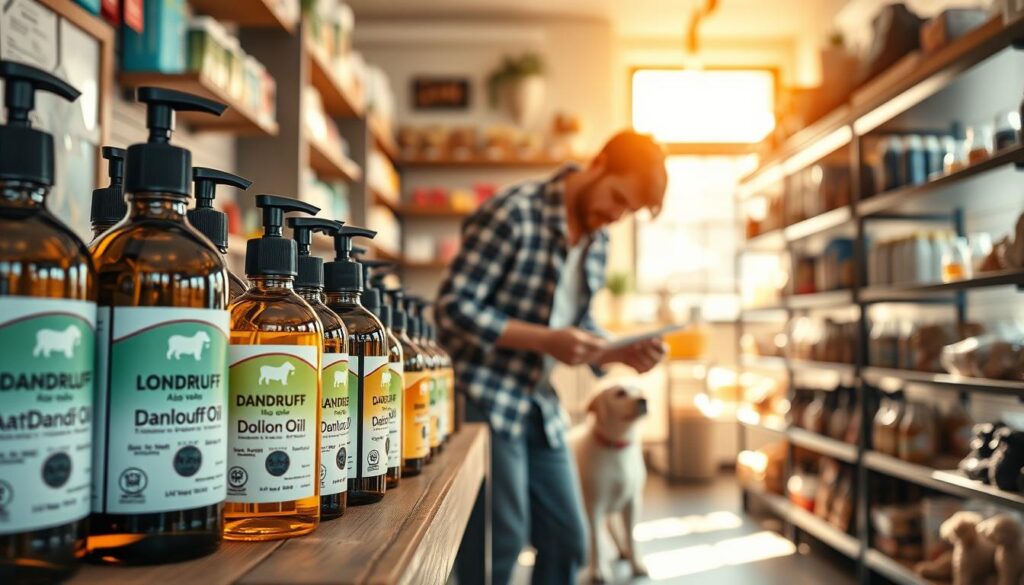
Finding the right treatment for your pet starts with knowing their coat. When you look for pet products, think about your dog’s breed and skin. Making smart choices helps avoid bad reactions and makes sure the treatment fits your pet.
Consider Your Dog’s Coat Type
Different breeds need different moisture levels for a healthy coat. For example, coconut oil is great for moisturizing and has natural antifungal properties. It’s important to pick an oil that works well with your dog’s coat type, whether it’s thick or short.
Choosing the right oil helps deal with dog dandruff effectively.
Look for Hypoallergenic Formulas
If your dog itches a lot or has red skin, choose hypoallergenic pet products. These products are made to avoid allergic reactions by not having harsh chemicals or artificial smells. Always check the ingredients to make sure they don’t have anything that could make your dog’s skin worse.
Healthy skin is the foundation of a happy dog; choosing the right topical care is not just about aesthetics, but about overall comfort and well-being.
Check for Cruelty-Free Certifications
Ethical standards are important when you’re buying for your dog’s health. Look for labels that say the product is cruelty-free. This means no animals were harmed during testing. Supporting brands that are ethical means you can trust the quality of the pet products you use.
| Oil Type | Best For | Key Benefit |
|---|---|---|
| Coconut Oil | Dry, Flaky Skin | Antifungal & Moisturizing |
| Jojoba Oil | Sensitive Skin | Non-Greasy Absorption |
| Argan Oil | Dull, Brittle Coats | Deep Conditioning |
Application Guidelines for Dog Oils
Learning how to apply oil is key to good coat maintenance. It makes sure the oil gets to the skin right and keeps your pet safe. Dogs often try to lick off treatments, so we must be careful.
“Grooming is not just about aesthetics; it is a vital health practice that builds a stronger bond between you and your canine companion.”
How Often Should You Apply the Oil?
How often you apply oil depends on how dry your dog’s skin is and the product’s instructions. Most dogs need it once or twice a week to fight flakiness. If your dog has really bad skin, start with more frequent use and then lessen it as the skin gets better.
Watch how your dog reacts to the oil. If their skin gets too oily or they show irritation, use it less. Being consistent is important for long-term dog grooming success.
Best Methods for Application
To stop your dog from licking the oil, apply it before a long walk or during meals. Distract them to keep them from licking while the oil soaks in. An e-collar for a bit after applying can also help prevent licking.
| Application Stage | Recommended Action | Safety Tip |
|---|---|---|
| Preparation | Brush the coat thoroughly | Remove loose fur first |
| Application | Apply small amounts | Avoid the face area |
| Post-Care | Distract with a toy | Use an e-collar if needed |
Tips for Massaging the Oil into the Coat
When applying oil, focus on the skin, not just the fur. Use your fingertips to gently massage it in circles. This boosts blood flow and helps the oil get into the hair follicles.
Begin at the neck and move down to the tail, skipping the eyes and ears. For thick coats, use a comb to part the hair so the oil gets to the skin. Taking your time makes it relaxing for your pet and effective for their skin.
Comparing Popular Anti Dandruff Dog Oil Brands
The quality of anti dandruff dog oil depends on the type of oil used. Natural triglyceride oil is the most natural and easy to absorb. But, it might have contaminants compared to distilled oil. Knowing these differences helps us choose better pet products.
Overview of Top-Rated Brands
Many companies now offer special oils for dogs’ skin health. We look for brands that focus on purity and transparency. You can learn more about our standards by visiting our about us page.
Top brands are tested to ensure they are safe. Consistency in manufacturing is key. Always check for third-party certifications to confirm the quality of ingredients.
Specialty Formulas for Different Breeds
Different breeds need special care for their skin. Dogs with thick coats might need lighter oils to avoid matting. Dogs with dry skin might need thicker, more moisturizing oils.
- Hypoallergenic blends for sensitive skin types.
- Lightweight sprays for easy application on long-haired breeds.
- Deep-conditioning treatments for dogs with chronic flakiness.
Price Point and Value Considerations
When comparing pet products, consider both cost and effectiveness. A cheaper oil might need more frequent use. We suggest looking at the cost per ounce to find the best value.
Choosing a high-quality oil can improve your dog’s skin health and reduce vet visits. Quality should always take precedence over price. Always check the ingredient list to ensure you’re getting active, beneficial ingredients, not fillers.
DIY Anti Dandruff Dog Oil Recipes
Looking into natural remedies for dog dandruff lets you pick what touches your dog’s skin. Making your own solutions means only the best, gentle ingredients are used when grooming.
Simple Recipes You Can Make at Home
Start with a good carrier oil like coconut or jojoba oil. Add a few drops of lavender or cedarwood essential oil to soothe the skin.
Remember, proper dilution is key. Use no more than one drop of essential oil per tablespoon of carrier oil. This keeps the mix gentle for your pet.
Benefits of Homemade Dog Oils
Making your own natural remedies gives you peace of mind. You know what’s in the bottle. Many store-bought products have hidden additives that can irritate your dog’s skin.
“The best way to care for your pet is to understand the purity of the ingredients you apply to their coat.”
Homemade oils are also cheaper than store brands. You can adjust the scent and texture to fit your dog’s coat and your preferences.
Safety Tips When Making Your Own Products
When working with plant extracts, safety comes first. Don’t buy essential oils from grocery or health food stores. These oils are not pure enough for pets.
Look for therapeutic-grade oils from trusted suppliers that focus on pet-safe products. If your dog shows redness or discomfort after use, wash the area and stop using the natural remedies.
Also, keep all concentrated oils away from pets. Proper storage prevents them from getting into undiluted essential oils, which can be harmful if ingested.
Customer Reviews: What Dog Owners Are Saying
Looking for the best pet care solutions? We find the most reliable advice from other dog owners. Their experiences help us choose the right pet products for our pets.
Positive Experiences from Happy Pet Owners
Many owners are happy with vet-approved, NASC-certified supplements. Brands like Pet Honesty are often praised. They use natural ingredients that boost pet health.
These supplements are known to improve skin health from the inside. Pet parents see a better coat texture in just a few weeks.
Addressing Common Concerns in Reviews
Trying new things for your dog can raise questions. Some worry about how fast a supplement or oil works.
Many suggest using both internal supplements and external care. For tough issues, a good shampoo and conditioner can help right away.
Personal Testimonials on Results
Community stories show patience is important. Results may not come right away, but the long-term benefits are worth it.
Owners share before and after photos of their dogs. These show a shinier, healthier coat. This proves a holistic approach to pet care works.
| Feedback Category | Common Sentiment | Impact Level |
|---|---|---|
| Ingredient Quality | Highly Positive | High |
| Ease of Use | Very Convenient | Medium |
| Visible Results | Gradual Improvement | High |
| Overall Satisfaction | Recommended | High |
Common Mistakes to Avoid When Using Dog Oil
Getting a healthy coat for your dog is more than just oil. It’s about avoiding common mistakes. Many owners accidentally make their dog’s scalp itchy or cause skin irritation. Knowing these mistakes helps your pet get the most from their skincare.
Overuse and Its Effects
It’s easy to think more oil means better results. But, too much oil can block pores and make your dog’s skin greasy. This attracts dirt and can lead to an itchy scalp and skin infections.
“Consistency is far more effective than intensity when it comes to maintaining the natural balance of your dog’s skin barrier.”
Neglecting a Balanced Diet
Topical treatments work best with good nutrition. Many owners focus on supplements but forget about their dog’s diet. For example, using fish oil with a grain-based diet can lead to vitamin E deficiency. This can harm your efforts to soothe dry skin. Always talk to a vet about your dog’s diet.
Skipping Regular Grooming Sessions
Good dog grooming is key to a healthy coat. Many owners think oil replaces brushing or baths. But, brushing helps spread natural oils and removes dead skin cells. Without regular grooming, even the best oils can’t reach the skin well.
- Watch your dog’s skin after each use.
- Make sure your dog’s diet has enough vitamin E if using fish oil.
- Keep a grooming schedule to avoid tangles.
Additional Tips for Maintaining Healthy Skin and Coat
We believe that true skin health starts from the inside out. Topical treatments help right away, but a lasting plan needs a whole-body approach for your pet.
Importance of a Balanced Diet
Nutrition is key for a shiny coat and strong skin. Dogs can’t make omega-3 fatty acids by themselves. They need these nutrients from their food.
Good proteins and fats reduce swelling. Proper internal nutrition gives your dog the right stuff for a strong skin barrier.
Regular Grooming Routines
Regular dog grooming is crucial. It removes dead hair and spreads natural oils. Brushing your pet often stops matting and lets you spot skin problems early.
Good coat maintenance also boosts blood flow to hair follicles. This simple act keeps the skin clean and helps catch issues before they get worse.
Environmental Factors to Consider
Your home’s environment affects your pet’s health. Dry air in winter can dry out your dog’s skin, making it flaky.
Using a humidifier can help if your home is very dry. Also, watch out for harsh cleaning products on floors. They can cause skin problems and harm skin health.
| Factor | Impact Level | Action Required |
|---|---|---|
| Dietary Omega-3s | High | Supplement or high-quality food |
| Brushing Frequency | Medium | Daily or weekly sessions |
| Indoor Humidity | Low | Use a humidifier in winter |
| Chemical Exposure | High | Use pet-safe cleaners |
Frequently Asked Questions about Anti Dandruff Dog Oil
We want to make sure you’re confident in caring for your pet’s skin at home. Many owners ask about the best ways to use natural remedies for dry, itchy skin.
How Long Does It Take to See Results?
Most dogs start to show improvement in two weeks with regular use. Keep a close eye on your pet during this time. Using a good anti dandruff dog oil helps keep their skin moist.
Can I Use Human Products on My Dog?
Human shampoos and oils can upset a dog’s skin balance. It’s best to avoid using them on your pet. Use products made just for dogs to prevent irritation or burns.
Is There a Risk of Allergic Reactions?
Dogs can react differently to new treatments. Always test a small area first. Don’t use essential oils from stores for pets, as they may not be safe.
Brands like Earthbath or Burt’s Bees for Pets are good choices. They focus on your dog’s health. Choosing the right anti dandruff dog oil shows you care about your pet’s well-being.