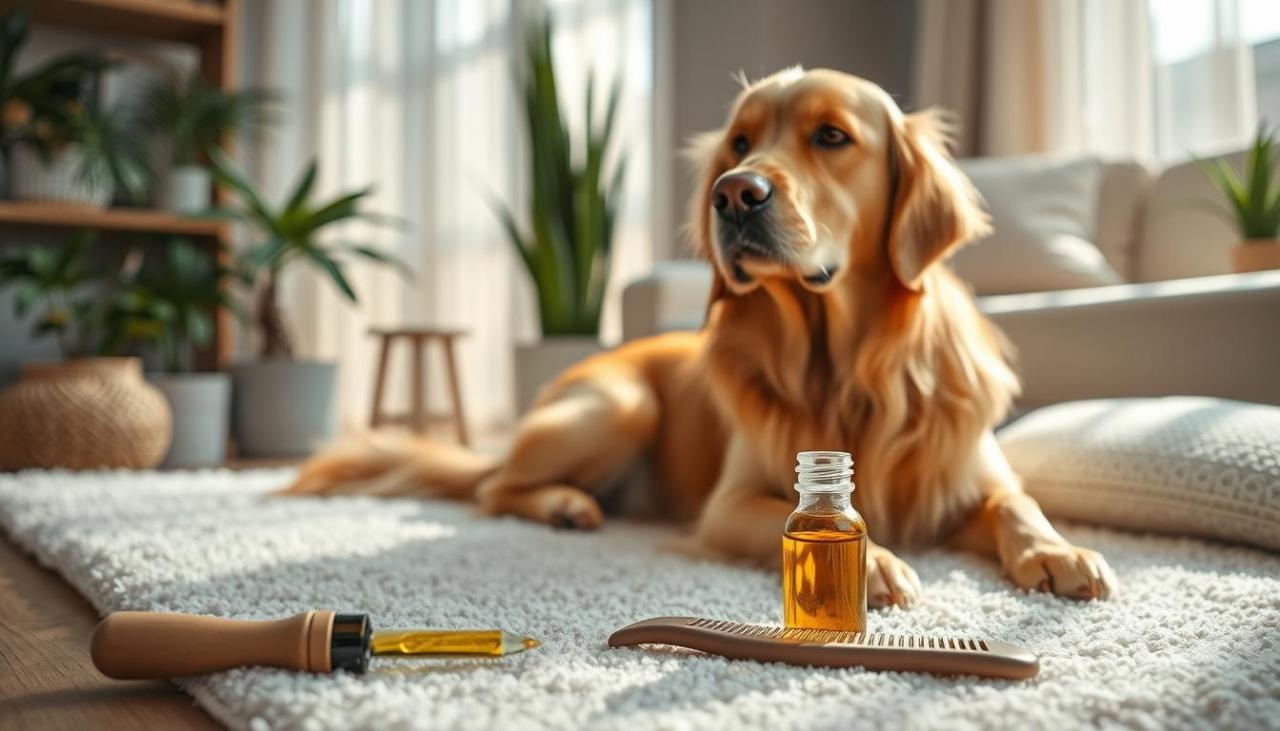
A dog’s skin is much thinner than human skin, so environmental dryness can affect it easily. Many pet parents use natural care to restore shine to dull fur. Argan oil for dog coat care can improve softness and ease brushing.
This golden oil comes from Moroccan kernels and contains essential fatty acids, tocopherols, and polyphenols. These nutrients help when used as a lightweight coat conditioning spray. It forms a protective barrier, locks in moisture, and gives fur a healthy shine.
However, keep your expectations realistic. This botanical extract helps with cosmetic grooming but cannot replace veterinary treatment for underlying skin diseases. Consult your vet if you see lasting irritation or sores.
Key Takeaways
- Natural extracts provide deep hydration for dry, brittle fur.
- Key nutrients include squalene and vitamin E to support skin health.
- Always perform a patch test before full application to ensure safety.
- Use sparingly to avoid a greasy residue on your pet’s fur.
- Prevent licking by distracting your pet during the grooming process.
How argan oil may improve a dog’s coat
Science shows why argan oil may improve a dog’s coat. Argan oil for dog coat care smooths hair cuticles, reduces friction, and helps control tangles. Topical oil helps, but it cannot replace a balanced diet rich in omega fatty acids.
Smoother, softer fur
The oil contains oleic and linoleic acids. These acids enter the hair shaft and provide deep hydration. This makes noticeably softer fur easier to brush and maintain.
Added shine without heavy residue
Many grooming products leave a sticky film that attracts dirt. Argan oil contains vitamin E compounds and squalene, which protect the hair surface and absorb quickly. It gives a polished, healthy shine without weighing down your dog’s coat or leaving heavy residue.
Support for dry skin and brittle hair
If your pet has dry flaky skin, topical argan oil may provide much-needed relief. It helps strengthen the canine skin barrier, lock in moisture, and prevent more irritation. Hydrated skin supports healthy hair growth and may help prevent brittle or damaged fur.
Which dogs may benefit from argan oil
Certain coat types respond better to natural oils than others. Many dogs have a healthy shine naturally, but some need extra help to keep their fur looking its best.
Dogs with dry or rough coats
If your pet has dry flaky skin, its coat may look dull or feel brittle. Argan oil may support the canine skin barrier by locking in moisture and protecting against environmental stressors.
This can help dogs that spend much time outdoors or live in dry climates. A small amount may restore a healthy luster to a coat that has lost its vitality.
Dogs with long, curly, or easily tangled fur
Long and curly coats often suffer friction, which can cause painful mats and breakage. Argan oil acts as a natural detangler, helping your brush glide through the hair.
“Proper grooming is not just about aesthetics; it is a vital part of maintaining your dog’s overall comfort and health.”
The oil also provides essential omega fatty acids that nourish the hair shaft from root to tip. This keeps long, silky coats smooth and prevents static in curly-haired breeds during winter.
Dogs that do not have active skin disease
Remember, cosmetic oils cannot replace medical treatment. If your dog has chronic irritation, sores, or unexplained hair loss, consult a veterinary dermatologist before any new topical regimen.
- Always check for open wounds or hot spots before application.
- Avoid using oils on skin that is currently inflamed or infected.
- Consult a professional if you notice persistent changes in skin texture.
Healthy dogs with minor dryness are the best candidates for this treatment. Dogs with naturally oily coats or very dense double coats may not need added moisture.
Is human argan oil safe for dogs?
Before using argan oil on your dog, ask whether human-grade products are safe. Pure, fragrance-free argan oil may be safe for limited topical use, but check every ingredient. Make sure the product has no hidden additives that could harm your pet.
Many cosmetic oils for human hair contain hidden dangers, including synthetic fragrances, solvents, or essential oils. These ingredients may poison dogs or cause severe skin irritation. Avoid products with alcohol or preservatives because they can dry a dog’s sensitive skin.
Know the difference between pure, cold-pressed argan oil and complex cosmetic blends. Some owners seek pet-safe carrier oils to soothe dry skin, but human beauty products may favor scent and texture over canine safety. If you are unsure about a product, avoid it.
Before applying any new substance to your dog’s coat, perform a patch test on a small, hidden skin area. Watch the spot for 24 hours for redness, swelling, or itching. This step helps prevent widespread reactions if your dog is sensitive.
If your dog has allergies, lipid-related disorders, or lasting skin problems, consult a veterinary dermatologist before any new topical treatment. Professional guidance helps you choose products for your dog’s specific health needs. Your dog’s safety is always the top priority when you introduce new grooming habits.
What to look for on an argan oil label
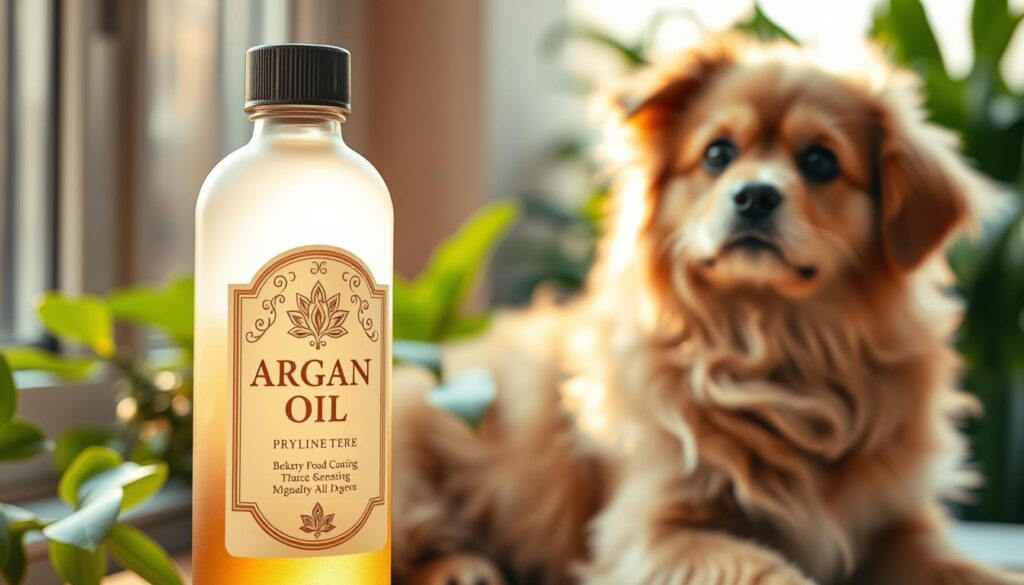
When you shop for grooming supplies, read the label to judge quality. Many products use clever marketing to seem natural, so check the contents yourself. Careful bottle review helps you choose Argan oil for dog coat maintenance.
A short, dog-safe ingredient list
Choose products with a short ingredient list. Look for Argania spinosa kernel oil as the primary or only ingredient. If the list has many unpronounceable chemicals, put the bottle back on the shelf.
Fragrance-free formulas
Avoid products with added perfumes or synthetic scents. These additives can cause skin irritation or breathing discomfort in sensitive pets. A pure, fragrance-free formula lets you apply only helpful nutrients to your dog’s skin.
Cold-pressed, pure argan oil
Processing methods matter when you choose high-quality oils. Cold-pressed, unrefined oil is often preferred because it keeps more natural tocopherols and polyphenols. Refined oils are not always harmful, but they often lack the full nutrient range found in raw oils.
After choosing a high-quality product, store it properly. Keep the bottle in a cool, dark place so light and heat do not damage the oil. These steps help you add pet-safe carrier oils to your regular grooming routine with confidence.
How to patch-test argan oil before full application
Before using any new pet product, perform a patch test. This step can reveal whether your dog has an individual sensitivity to argan oil. Testing a small area first helps protect the canine skin barrier from wider irritation.
Choose a small, healthy skin area, such as your dog’s inner thigh or belly. Apply one small drop of pure argan oil, then gently massage it into the fur and skin. Keep the area clean, and stop your dog from licking it during the trial period.
Monitor the test site closely for the next 24 hours. Watch for any signs of redness, bumps, swelling, or persistent itching. Excessive licking may also show that the product causes discomfort.
If you notice these reactions, stop using the product immediately. Do not repeat the test; contact your veterinarian for guidance about alternative grooming options. If the skin stays clear and healthy, you can feel more confident using the oil on other coat areas.
| Observation Period | What to Look For | Action Required |
|---|---|---|
| First 1-2 Hours | Immediate irritation or redness | Wash off and stop use |
| 12-24 Hours | Bumps, swelling, or itching | Consult your veterinarian |
| After 24 Hours | Healthy canine skin barrier | Safe for full application |
How to apply argan oil to a dog’s coat
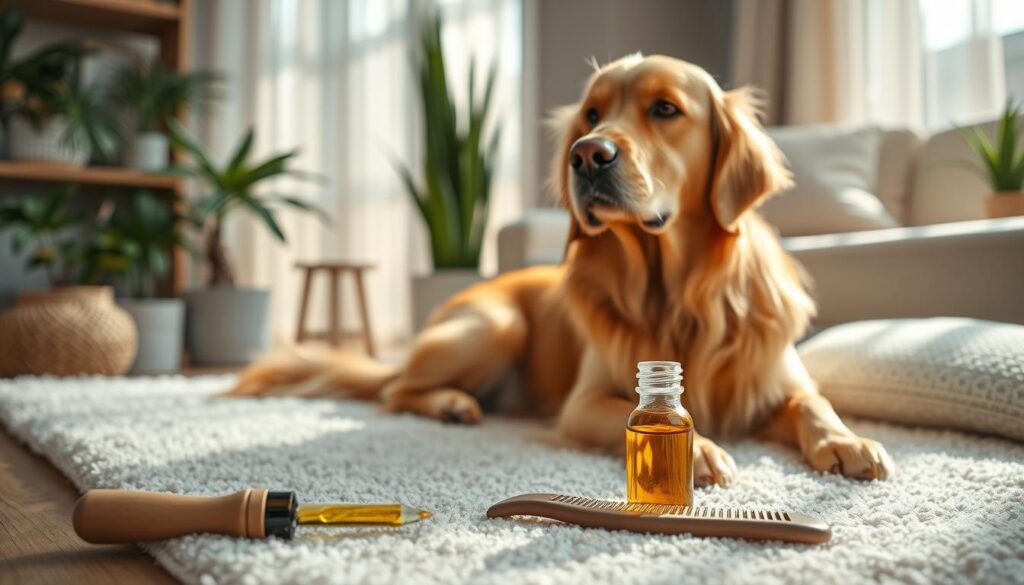
For best results, use a careful, measured method with argan oil for dog coat care. Proper application helps the oil reach the hair shaft without leaving a greasy residue. Use pure oil or a coat conditioning spray; technique matters most for a healthy shine.
Applying oil to clean, dry fur
Always begin after brushing your dog thoroughly to remove loose hair and debris. Use only two or three drops at first, and rub them between your palms to warm the oil. Clean, dry fur absorbs oil better and helps prevent a weighed-down coat.
Working through short coats
For short-haired dogs, spread a light, even layer across the coat. Gently stroke your palms over the back and sides without saturating one area. This light touch maintains natural shine while keeping the skin comfortable and protected.
Handling long or thick coats
Long or thick-haired breeds need a planned approach so oil reaches the right areas. Section the fur, then focus on dry ends, which often break more easily. A coat conditioning spray can help mist the fur more evenly than applying oil by hand.
Whatever the coat type, keep oil away from your dog’s eyes, mouth, and irritated skin. Some owners prefer rinse-off products, but a leave-on treatment usually provides longer contact time. That can create more noticeable conditioning benefits over time.
How much argan oil to use on a dog
Choosing the right amount of argan oil for dog coat care helps you get the best results. No single amount suits every dog. Consider your dog’s size, fur length and thickness, and how dry the coat feels.
Start with two or three drops. Pour the oil into your palms, then rub your hands together for even coverage. This helps you control the amount and avoid soaking one area.
If the fur still feels dry, add a tiny bit more. A healthy finish should leave the hair soft and conditioned, not wet, sticky, or visibly oily. The goal is to nourish the coat without weighing it down.
Avoid using too much argan oil for dog coat care. Excess oil can attract dirt and debris, making the fur look dull over time. It can also make the hair feel heavy and raise the risk of skin irritation if pores become clogged.
How often to apply argan oil to a dog’s coat
The right schedule for argan oil for dog coat care depends on your dog’s coat type and skin needs. Start with occasional use instead of applying it every day. This slow start lets you watch how your dog’s fur and skin respond.
For a long, dry coat, apply a light finishing treatment after grooming. Dogs with naturally oily or very short coats may need applications less often. Too much oil can build up, so let the fur’s condition guide your schedule.
The product type also affects how often you should use it. Rinse-off products stay on the coat for less time. A coat conditioning spray stays on the hair shaft and offers lasting cosmetic benefits.
If the coat feels heavy or looks dull, you may be using it too often.
You should adjust your routine immediately if you notice any of the following signs:
- The fur feels greasy or sticky to the touch.
- The coat begins to attract excessive dirt or debris from outside.
- Your dog develops increased itching or irritation after application.
The goal is to support healthy skin and hair without weighing down the coat. If oil does not absorb well, use it less often or apply less during each session. Consistency helps, but flexibility matters for a healthy, shiny coat.
How to prevent licking and stomach upset
Preventing your furry friend from licking their coat matters when you use natural oils. Even with high-quality products, make sure your dog does not ingest too much oil. Apply only a very thin layer to reduce the chance of your dog licking it off.
Avoid applying oil to the paws, muzzle, or other areas your dog can easily reach with its tongue. Choose pet-safe carrier oils so accidental ingestion stays as harmless as possible. If you are unsure about ingredients, learn about dog licking pure argan oil safety and care for your grooming routine.
Distract your dog during the brief drying period to stop self-grooming. Try these methods to keep your dog occupied:
- Engage in a calm activity like a gentle training session.
- Provide a long-lasting chew toy or a puzzle feeder.
- Offer a healthy, low-calorie reward to keep their focus elsewhere.
A small, accidental amount of food-grade oil usually is not a major concern. However, too much oil can still cause mild stomach upset. If your dog consumes a large quantity of oil or products blended with other pet-safe carrier oils, monitor them closely. Please contact your veterinarian immediately if you notice any of the following symptoms:
- Persistent vomiting or diarrhea.
- Signs of abdominal pain or discomfort.
- Lethargy or unusual behavior after ingestion.
When to stop using argan oil and call your vet
Even natural products can cause unexpected reactions in sensitive pets. We want better coat health, but our dog’s comfort comes first. If you notice a reaction, stop applying it and watch your pet closely.
Redness, bumps, or worsening itchiness
If your dog develops redness, hives, or small bumps after application, the product may irritate their canine skin barrier. Even after a successful patch test, sensitivities can develop over time. If itching increases instead of easing, discontinue use right away.
“The skin is the largest organ of the body, and it often acts as the first indicator of internal or external distress.”
Open wounds, hot spots, or infected skin
Never apply oil to broken, inflamed skin or skin showing infection. Oil on a hot spot or open wound can trap bacteria and moisture. Professional veterinary care is needed because these conditions often require medicated ointments or antibiotics, not natural oils.
Persistent shedding or coat changes
Sometimes, a dull coat or dry flaky skin signals more than a surface problem. If grooming changes do not improve coat quality, an underlying health concern may exist. Watch for these potential red flags:
- Inadequate levels of omega fatty acids in the diet.
- Signs of external parasites like fleas or mites.
- Underlying hormonal imbalances, such as thyroid disease.
- Persistent allergic reactions that require a veterinary dermatologist.
If these issues continue despite your efforts, schedule an appointment with your veterinarian. They can determine whether the cause is nutritional, environmental, or medical.
Conclusion
Using Argan oil for dog coat care can add shine and improve manageability. When applied carefully, this natural method helps many pets maintain a healthy-looking coat.
Choose pure, fragrance-free products for safety. A small amount can provide cosmetic benefits. Always perform a patch test before full application to check your pet’s reaction.
This oil can condition the coat and support the canine skin barrier. Use it as a grooming aid, not a medical treatment. It cannot replace professional care for skin conditions or infections.
Contact a veterinary dermatologist about persistent shedding, redness, or unexplained changes. These experts offer guidance for complex skin issues. You might also choose a high-quality coat conditioning spray for a ready-made solution.
We hope this guide helps your companion look and feel their best. Share your experiences with us or ask questions about your pet’s grooming needs.