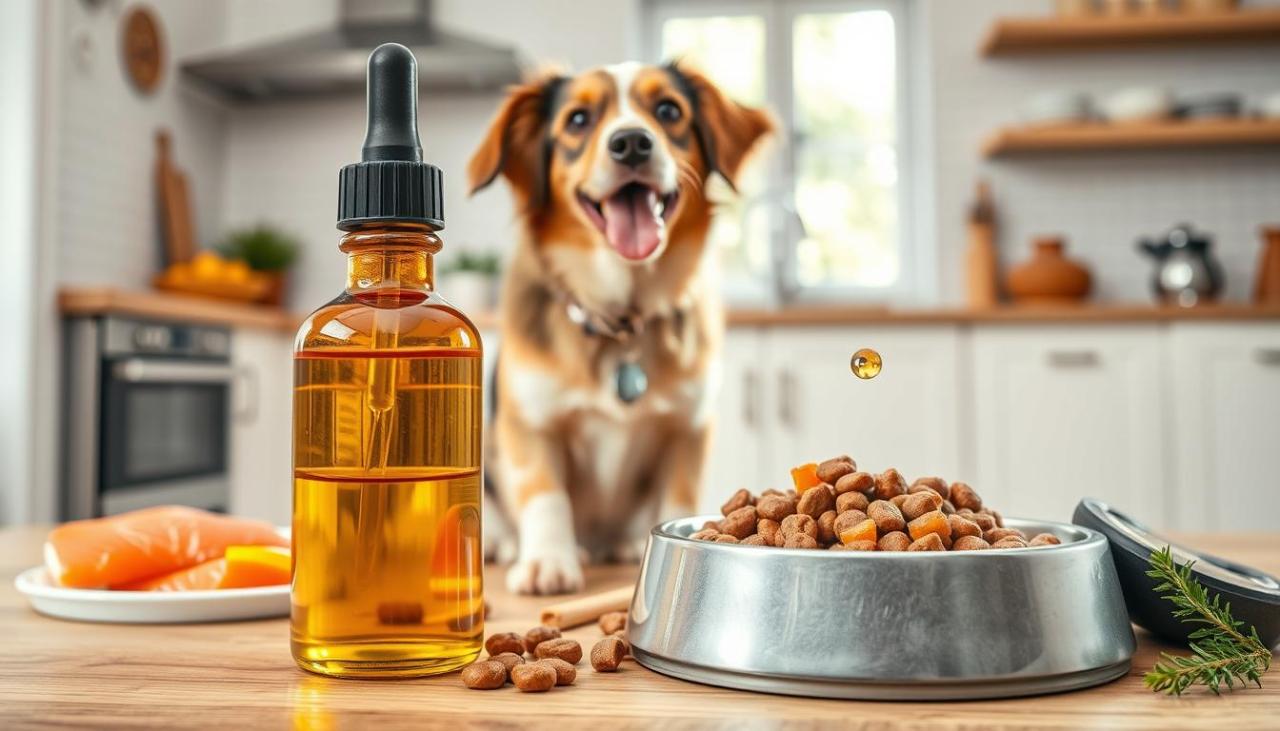
Did you know that nearly 40% of canine visits to the veterinarian involve skin and coat issues? Many owners struggle to keep their pets comfortable. Salmon oil for dog fur provides essential fatty acids that a canine body cannot produce alone.
We believe high-quality supplements provide EPA and DHA, which are vital for long-term wellness. Using salmon oil for dog fur nourishes skin from within and promotes a soft, shiny appearance. If you are exploring a dry dog coat oil, our guide explains the best options for your pet.
We cover dosage calculations, safe supplement introductions, and when professional medical advice is necessary.
Key Takeaways
- Essential omega-3 fatty acids like EPA and DHA are critical for skin health.
- Canines cannot synthesize enough of these nutrients naturally, making supplementation necessary.
- Proper dosing is essential to avoid digestive upset and ensure maximum absorption.
- Introducing new supplements should be done gradually to monitor for reactions.
- Always consult your veterinarian if you notice persistent skin irritation or hair loss.
How salmon oil works on a dog’s coat
At the cellular level, salmon oil supplies building blocks for a vibrant, healthy coat. When we provide omega-3 fatty acids for dogs, we fuel the skin’s natural ability to protect and nourish itself.
The primary powerhouses are EPA and DHA. These marine fats are highly bioavailable, so your dog’s body can use them quickly to support skin barriers and moisture retention.
Many people confuse these marine fats with plant-based options like flaxseed oil. However, dogs convert plant-based ALA into usable forms very poorly. Marine sources provide direct benefits from omega-3 fatty acids for dogs without this metabolic struggle.
“Healthy skin is the foundation of a beautiful coat, and nutritional support is the most effective way to maintain that integrity.”
When these nutrients enter the diet, they help regulate the body’s inflammatory response. This can improve your pet’s appearance in several visible ways:
- Reduced irritation: Calming the skin helps prevent excessive scratching.
- Moisture retention: A stronger skin barrier keeps the coat hydrated and soft.
- Enhanced shine: Proper lipid levels in the skin lead to a smoother, more reflective coat texture.
Prioritizing EPA and DHA in your dog’s daily routine does more than improve appearance. It also supports overall comfort and long-term skin health through superior nutrition.
Which coat changes salmon oil may support
A healthy, vibrant coat often starts with a strong canine skin barrier. When this layer gets proper nutrition, it holds moisture and guards against environmental stressors. Adding a high-quality salmon oil blend to your pet’s daily routine can supply essential fatty acids for this defense system.
Dry, dull fur
A coat that loses its natural shine may lack essential nutrients. Omega-3 fatty acids hydrate hair follicles from within, which can create a softer, shinier coat. Consistency is key when you want to restore your dog’s healthy glow.
Excessive shedding
Some shedding is normal during a dog’s life cycle, but excessive hair loss can frustrate owners. Supporting skin health may reduce brittle hair that breaks easily. A stronger canine skin barrier helps hold hair follicles firmly, which may make the coat easier to manage.
Itchy or flaky skin
Many dogs have dry itchy skin, which can cause constant scratching and discomfort. Salmon oil has anti-inflammatory properties that help soothe irritated areas and promote healing. Still, results depend on the irritation’s underlying cause.
If your dog continues to struggle, consider these factors that may require more than supplementation:
- External parasites like fleas or mites.
- Environmental or food-related allergies.
- The use of harsh, drying grooming products.
- Underlying systemic health conditions.
Monitor your dog closely after making dietary changes. If symptoms persist, visit your veterinarian for proper care.
Which dogs may benefit from salmon oil
Some dogs may benefit from salmon oil because of their life stage or health needs. A balanced diet supports many pets, but omega-3 fatty acids for dogs may support specific health goals. Supplementation is not a one-size-fits-all solution.
Puppies are among the main candidates for these supplements. During rapid growth, they need nutrients for healthy development. DHA, a type of omega-3, plays a critical role in forming a puppy’s brain and eyes.
Senior dogs may also gain important benefits from these oils. As dogs age, they often face joint mobility problems and cognitive decline. These healthy fats may help protect their quality of life during their golden years.
Many dogs with specific health concerns may also benefit from supplements. We often see positive changes in animals with the following conditions:
- Chronic skin irritation or persistent dryness.
- Reduced mobility caused by joint stiffness or discomfort.
- Dull, brittle coats without natural luster.
- Inflammatory responses that affect overall well-being.
Every dog is different. Diet, medical conditions, and medications can affect how supplements interact with your pet’s body. Seek veterinary nutrition advice before starting a new regimen, so the dosage and product are safe.
How to choose a quality salmon oil for dogs
Choosing a high-quality salmon oil supplement takes careful research to give your dog key nutrients. Look beyond flashy claims and focus on the product’s actual ingredients. Clear labels help you add a safe, effective product to your pet’s daily diet.
EPA and DHA content
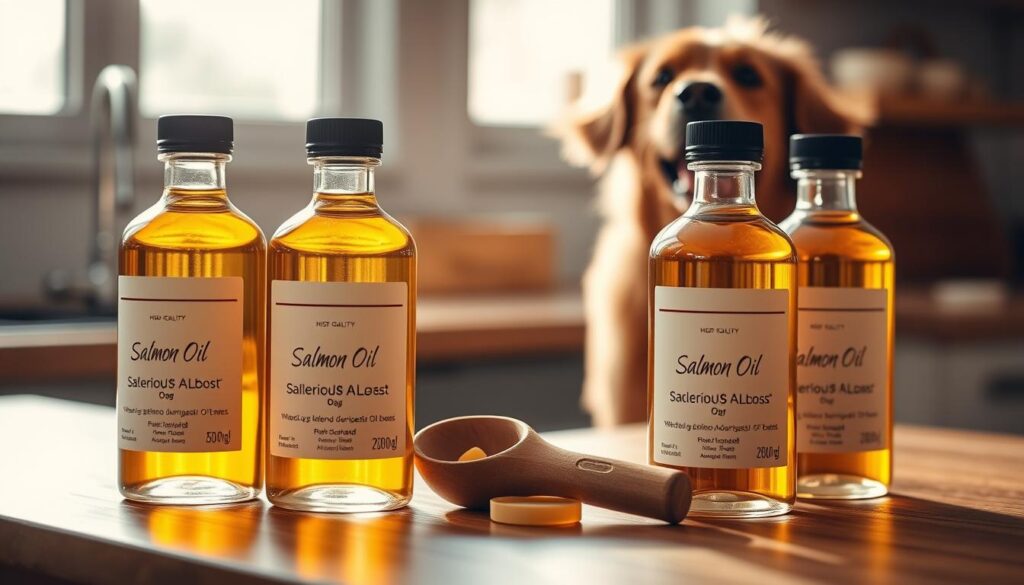
The key factor is the EPA and DHA concentration found in the oil. These omega-3 fatty acids drive many health benefits for your dog’s skin and coat. Check the label for each nutrient’s milligram amount, not just the oil’s total volume.
Many low-quality products use filler oils that dilute their active ingredients. Always prioritize brands that clearly list the exact potency of these essential fatty acids per serving.
Purity and freshness testing
Choose products that undergo strict third-party testing for purity. This testing helps ensure the oil is free from heavy metals, mercury, and environmental toxins. Fresh oil also matters because rancid oil may cause digestive problems and offer little nutrition.
Look for companies that use sustainable, wild-caught sourcing methods. Dark, opaque bottles protect the oil from light and heat, which can break down fats too soon.
Liquid oil versus capsules
Choosing between a liquid salmon oil supplement and capsules depends on your dog’s size and your convenience. Liquids are easier to dose for larger breeds, while capsules offer a measured, mess-free choice for smaller dogs. However, capsules may cost more and require multiple pills to reach the desired EPA and DHA concentration.
| Feature | Liquid Oil | Capsules |
|---|---|---|
| Ease of Dosing | High (Pump system) | Low (Requires counting) |
| Freshness | Risk of oxidation | High (Sealed protection) |
| Cost Efficiency | Better for large dogs | Better for small dogs |
| Palatability | Excellent | Variable |
How to calculate salmon oil dosage by dog weight
Calculating a daily salmon oil amount becomes simple when you understand the key steps. Focus on active ingredients, not only volume measurements such as milliliters. Use a reliable fish oil dosage for dogs tool to find the right amount for your pet.
Follow the product’s EPA and DHA guidance
For the best dose, check the EPA and DHA amounts listed on the bottle. These omega-3 fats support your dog’s coat and skin. A general target is 20–55 milligrams of combined EPA and DHA per pound of body weight daily.
Always check the manufacturer’s label first because each brand may have a different concentration. If it says 1 milliliter per 3 kilograms, follow those directions to prevent too much.
Start with a smaller amount
When adding any supplement, it is wise to start slow. Give half the recommended dose for the first few days. This helps your dog’s digestive system adjust to extra fat without discomfort.
If your dog handles this amount well, slowly raise it to the full recommended dose. Watch for loose stools or stomach upset during this change.
Adjust for your dog’s total diet
Your dog may already get omega-3s from regular kibble or canned food. Review the full diet to avoid giving too much fat. If your dog has medical conditions, ask your veterinarian to tailor the dosage.
| Dog Weight (lbs) | Target EPA/DHA (mg) | Typical Daily Dose |
|---|---|---|
| 10 lbs | 200–550 mg | Low (approx. 0.5 ml) |
| 30 lbs | 600–1650 mg | Medium (approx. 1.5 ml) |
| 60 lbs | 1200–3300 mg | High (approx. 3.0 ml) |
| 90+ lbs | 1800–4950 mg | Very High (4.5+ ml) |
How to add salmon oil to your dog’s food
Following proper salmon oil feeding instructions helps your dog receive the full benefits of omega-3 fatty acids. Mix the liquid oil into your dog’s regular kibble or wet food at mealtime. This masks the fish’s strong scent and helps your pet finish the full dose.
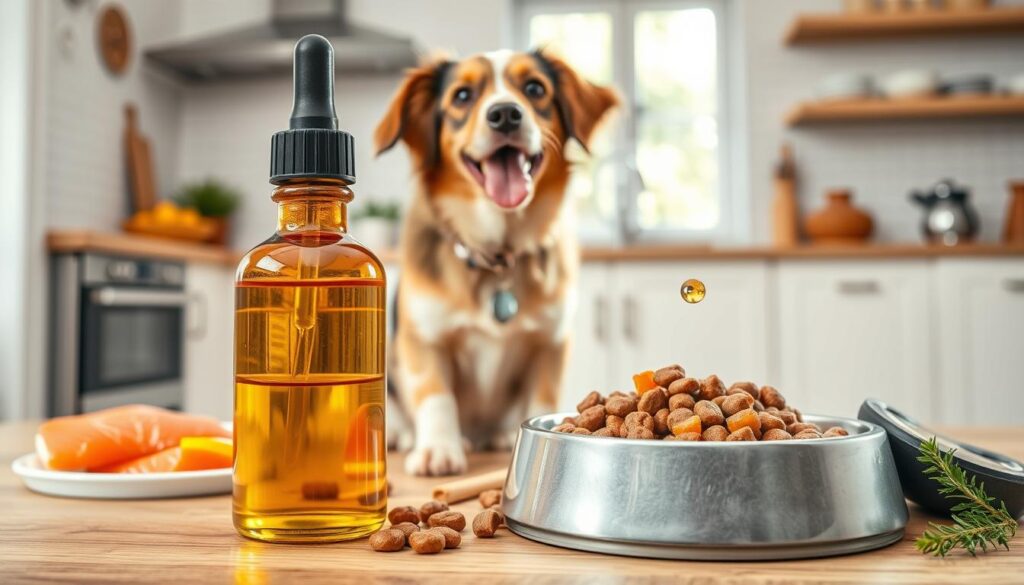
A gradual supplement introduction is important for dogs with sensitive stomachs. Add a small fraction of the recommended daily dose for the first few days. If your dog tolerates it, slowly increase the amount to the full serving suggested by your veterinarian or product label.
Choose products made for pets instead of human-grade capsules. Human supplements may contain additives or concentrations that do not suit canine physiology. Measure the liquid with a pump or dropper to control your dog’s exact daily amount.
| Feeding Step | Action Required | Why It Matters |
|---|---|---|
| Initial Phase | Start with 25% of dose | Prevents digestive upset |
| Monitoring | Observe stool quality | Ensures proper absorption |
| Full Dosage | Reach target amount | Maximizes health benefits |
| Consistency | Serve at same meal | Builds a healthy routine |
Remember, gradual supplement introduction helps your dog’s digestive system adjust to more fat. If you notice loose stools, reduce the amount for a few days, then try increasing it again. Careful, consistent feeding supports a shiny coat and overall wellness.
When to expect changes in your dog’s fur
Knowing when results may appear helps you set realistic goals for your dog’s skin and coat health. Many owners want quick changes, but salmon oil for dog fur works gradually inside the body. Biological changes need time to show on the surface.
Most pet parents notice a small increase in coat shine after three to four weeks of steady use. This early change may show that essential fatty acids nourish hair follicles from the inside out. Consistency is the key to gaining lasting benefits for your companion.
Deeper improvements, such as less skin irritation or reduced coat shedding, need more time. Expect six to eight weeks before seeing major changes in skin comfort or fewer dry, flaky patches. Because skin takes time to renew, patience matters during this process.
Keep a simple log to track your dog’s progress. Note changes in scratching, the amount of coat shedding around the house, and the fur’s texture. This record helps you notice gradual progress that may otherwise go unseen each day.
Do not increase the dosage just because you want faster results. Using salmon oil for dog fur in the recommended amounts is safer and more effective. Too much may cause digestive issues instead of a healthier coat.
| Improvement Area | Expected Timeline | What to Observe |
|---|---|---|
| Coat Shine | 3–4 Weeks | Increased luster and softness |
| Skin Comfort | 6–8 Weeks | Less scratching and fewer flakes |
| Shedding Control | 8–12 Weeks | Reduced hair volume on furniture |
Salmon oil side effects and safety precautions
Knowing fish oil side effects matters as much as knowing its benefits for your dog. Many owners use this supplement to soothe dry itchy skin, but use it with care.
Digestive upset and loose stools
A new supplement may cause mild stomach problems. Loose stools, vomiting, or more gas may mean the current fish oil dosage for dogs is too high.
Start with a very small amount, then increase it slowly over several days. This slow transition helps your dog’s digestive tract adjust to the added fats.
Pancreatitis, allergies, and medication concerns
High-dose fish oil may not suit every dog. Salmon oil contains much fat and may trigger pancreatitis, especially in dogs with a history of the condition.
“Always consult your veterinarian before adding supplements to your dog’s diet, particularly if they are currently taking medications or have underlying health issues.”
Use extra care if your dog has a bleeding disorder, diabetes, or upcoming surgery. Fish oil can thin blood, complicate recovery, or interact with treatments for dry itchy skin or other chronic conditions.
Proper storage and freshness
Oil quality matters as much as the amount you give. Store the bottle in a cool, dark place, away from sunlight and heat, to protect its nutrients.
- Always keep the cap tightly sealed to prevent oxidation.
- Check the expiration date regularly to ensure the product remains potent.
- Discard the oil immediately if it develops a strong, rancid, or unpleasant odor.
Proper storage helps keep your fish oil dosage for dogs safe and effective each day. These simple steps can reduce risks and support your pet’s long-term health.
When a coat problem needs veterinary care
Although salmon oil helps many dogs, it cannot replace medical care for serious skin conditions. Supplements have limits when underlying health problems cause skin issues. Relying on supplements alone can delay needed treatment when a dog is sick.
Persistent problems may show that the canine skin barrier suffered damage beyond a fatty acid shortage. Chronic itching, hair loss, or foul odors can signal deeper problems. Parasites, severe allergies, and bacterial infections often need specific medicines.
When these changes appear, a veterinary examination is the safest next step. A professional can find whether hormones, immune reactions, or environmental triggers caused the problem. Ignoring these signs can cause painful sores or secondary infections that become harder to manage.
“The skin is the largest organ of the body, and its condition often reflects the internal health of your pet.”
Seek immediate help if coat changes appear with signs affecting the whole body. Watch for vomiting, lethargy, or sudden appetite changes.
If your dog’s condition is rapidly worsening, do not wait for a supplement to work. Prompt care helps keep your companion healthy and comfortable.
Conclusion
Adding high-quality fats to your pet’s bowl can support overall wellness. Pure, tested products show clear salmon oil benefits through essential EPA and DHA fatty acids. These nutrients support skin health and coat luster from the inside out.
Check your current dog food labels before starting a new supplement. Many premium brands, like Purina Pro Plan or Royal Canin, already include fish oils. Professional veterinary nutrition advice can help you avoid over-supplementing your pet.
Start with small amounts and monitor how your dog reacts. Gradual introduction can prevent digestive issues while you observe the long-term impact on your dog’s fur. Contact your local veterinarian if persistent skin irritation or unusual changes in your pet’s behavior appear.
Your commitment to quality care makes a lasting difference in your dog’s comfort. Smart supplementation and regular health checkups provide the best foundation for a shiny coat and happy life.