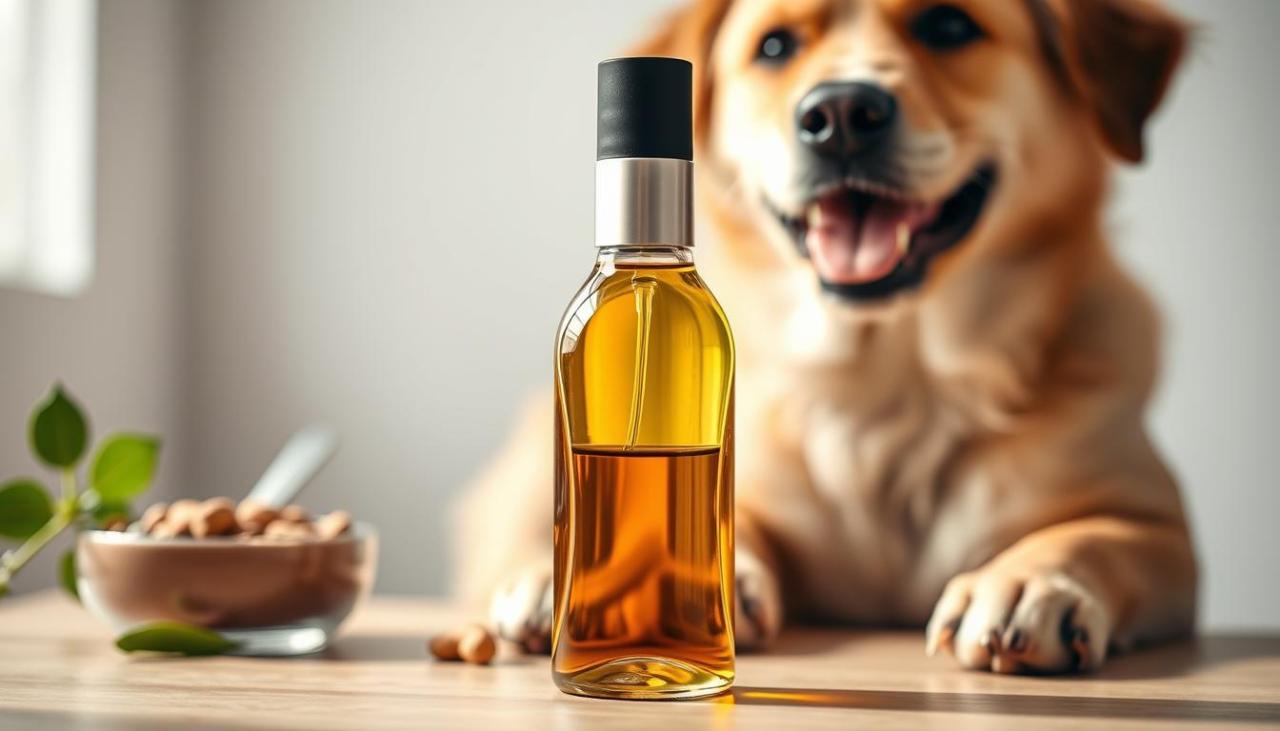
Did you know a pet’s fur protects them from harsh weather and irritants? Many owners focus on looks, but a strong coat is key for health. Dry dog coat oil helps, but knowing its role is crucial.
These products give a beautiful sheen, but they’re not like water-based treatments. It’s important to know the difference between surface care and deep moisture. Our guide will show you how to apply it safely, choose the right products, and know when to seek vet help.
By following these steps, you’ll keep your pet comfortable and safe all year.
Key Takeaways
- Understand that a healthy exterior provides essential protection against environmental elements.
- Learn the difference between surface-level conditioning and true hydration for hair health.
- Follow safe application techniques to maximize the benefits of your chosen product.
- Assess your pet’s specific needs before starting any new grooming regimen.
- Recognize when skin or fur changes require a visit to your local veterinarian.
What is Dry Dog Coat Oil?
Understanding dry dog coat oil is key to good dog fur care. These products are not heavy or greasy. They soak into the hair shaft quickly.
Think of these oils as a final step in grooming, not a fix for all health issues. Remember, they can’t replace a balanced diet, vet visits, or cleanliness.
The Ingredients That Make It Work
The quality of a nourishing coat oil for dogs matters a lot. Makers mix natural extracts for hydration and shine.
Look for these ingredients in good oils:
- Fish-derived oils: Full of omega fatty acids for strong hair.
- Flaxseed oil: Soothes dry skin and adds shine.
- Botanical extracts: Like lavender or chamomile for scent and calm.
Always check the label for purity. You want oils without harsh additives that can irritate skin.
| Ingredient Type | Primary Benefit | Best For |
|---|---|---|
| Fish Oil | Deep Conditioning | Brittle, dry fur |
| Flaxseed Oil | Natural Shine | Dull, lackluster coats |
| Botanical Oils | Soothing/Scent | Sensitive skin types |
Benefits for Your Dog’s Coat
Using a nourishing coat oil for dogs has many benefits. It makes fur look healthy and shiny right away.
These oils also make grooming easier. They smooth the hair, preventing tangles and mats.
Regular use keeps the hair moisturized. While they add shine, a healthy lifestyle and regular grooming are also important.
Why Your Dog Needs Coat Oil
Understanding why your dog needs coat oil starts with recognizing the signs of skin distress. Many owners look for the best oil for dry dog skin to improve their pet’s look. But, it’s important to see these products as conditioning aids, not medical cures. If your pet has persistent itching or sores, see a vet to check for health issues.
Common Coat Issues in Dogs
A healthy coat should feel soft and look vibrant. If your dog’s natural oils are low, you might see several signs. These signs mean your dog needs extra care. Spotting these issues early helps you pick the best oil for dry dog skin to help balance.
Look out for these common coat problems:
- Dullness: A lack of natural luster or shine.
- Fragility: Hair that breaks easily or feels brittle to the touch.
- Static: Excessive flyaways caused by low humidity or dry fur.
- Difficult Detangling: Mats and knots that form more frequently than usual.
The Importance of Hydration
Many think oils hydrate the skin, but water is the main source of moisture for dogs. Oils create a protective barrier on the hair shaft and skin.
This barrier helps lock in existing moisture and prevents water loss. The right treatment makes the coat feel smoother and easier to manage. Remember, while oils are great for conditioning, they work best with proper nutrition and enough water for overall skin health.
How to Choose the Right Dry Dog Coat Oil
Your dog’s coat type and skin sensitivity are key when picking a conditioning treatment. The wrong product can make their fur greasy or irritate their skin. It’s important to consider your pet’s needs before buying.
Understanding Your Dog’s Coat Type
Dogs need different amounts of moisture based on their coat. Dogs with thick coats need a light oil that goes deep without weighing them down. Dogs with long, silky hair do better with richer oils to prevent tangles and breakage.
Think about your dog’s skin sensitivity when looking for the best oil for dry dog skin. If your dog has allergies, even popular products can cause a reaction. Watch how their skin reacts to new grooming tools or treatments over time.
| Coat Type | Oil Consistency | Primary Benefit |
|---|---|---|
| Short/Smooth | Lightweight | Adds natural shine |
| Long/Silky | Medium/Rich | Prevents matting |
| Thick/Double | Very Light | Hydrates skin |
Choosing Natural vs. Synthetic Oils
Many prefer natural oils for dog coat care. But remember, natural doesn’t always mean safe. An organic dog coat treatment still needs a careful look at the ingredients. Some plants can irritate your dog’s skin just like synthetic chemicals.
“The skin is the largest organ of the body, and what we apply to it matters just as much as what we feed our pets.”
Be cautious with essential oils for dog coat health. Not all essential oils are safe for dogs. Some can be toxic if ingested or used in high amounts. Always check that the product is made for dogs, not humans.
If you’re unsure about an ingredient, talk to your vet. They can help based on your dog’s health history, like chronic skin disease. Finding the best oil for dry dog skin is a trial and error process. But, getting advice from a vet makes it safer.
When to Apply Dry Dog Coat Oil
Timing is key for your dog’s coat health. These products condition well, but knowing when to use them keeps your pet comfy and clean.
Start with a minimal amount to see how your dog’s fur reacts. It’s better to add more later than to deal with a greasy coat.
Best Times for Application
The best time to use dry dog coat oil is right after brushing. Brushing spreads natural oils, and a conditioning treatment locks in moisture.
Apply the product to a clean, mostly dry coat unless the bottle says different. Oil on a dirty coat can trap dirt and cause skin irritation. Make sure your dog is clean before applying.
Frequency of Use
Pet grooming oil is a supplement, not a daily need. Most dogs don’t need it every day. Too much can make fur heavy and attract dirt.
Use the oil when your dog’s coat feels dry or looks dull. This product is meant to complement your care, like good food, regular baths, and vet visits. Balanced use keeps your dog’s coat healthy and shiny without harming their skin.
Step-by-Step Guide to Application
Having a grooming routine makes things easier for both you and your pet. Using dry dog coat oil aims to make grooming a pleasant experience for your dog. A calm setting helps your pet relax while you groom their fur.
Preparing Your Dog for Application
First, do a thorough check-up on your dog. Run your hands over their body to find mats, tangles, or trapped debris. Also, look for any signs of redness, broken skin, or sensitivity.
If you see any skin issues, don’t apply the oil yet. Talk to your vet first. Using nourishing coat oil for dogs on healthy skin is best. Make sure your dog is calm and comfortable before grooming.
How to Apply the Oil Properly
Warm a small amount of conditioning oil for dog fur in your palms. This helps it spread evenly and feel natural on your dog’s skin. Use light, sweeping motions to work the oil through their coat.
“Grooming is not just about aesthetics; it is a vital bonding ritual that allows you to monitor your pet’s health and well-being closely.”
Be careful around your dog’s eyes and mouth. Also, stop them from licking the oil right after. You want their coat to feel soft and easy to manage, not greasy.
| Step | Action | Goal |
|---|---|---|
| 1 | Inspection | Identify mats or skin issues |
| 2 | Warming | Activate the oil |
| 3 | Application | Distribute evenly |
| 4 | Monitoring | Prevent licking |
If the coat feels too oily, you’ve used too much. Remember, a little dry dog coat oil goes a long way. With time, you’ll find the right amount to keep your dog looking great.
Tips for Maximizing Effectiveness
Getting a shiny coat is more than just using a product. It’s about using the right tools and following a good routine. This way, your pet gets the most out of every treatment.
Brushing Before and After Application
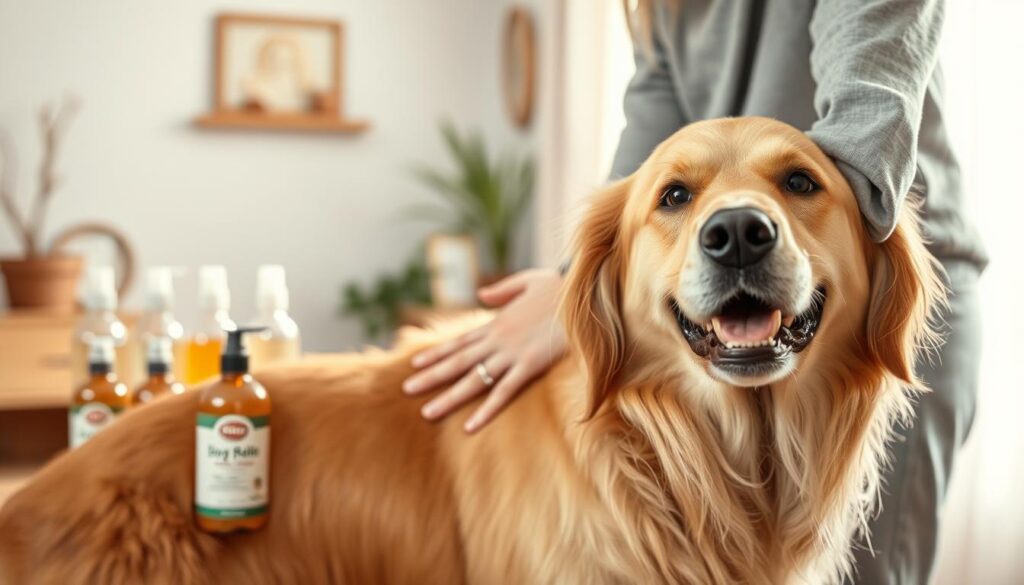
Brush your dog well before applying any product. This removes loose hair and lets the conditioning oil for dog fur work better. It also spreads your dog’s natural oils evenly.
Choose soft brushes that fit your dog’s coat type. Forceful brushing can make dryness worse or irritate sensitive skin. After applying oil, a gentle brush-through ensures even coverage and avoids greasiness.
Environmental Factors to Consider
Things outside can affect your pet’s coat health. Harsh sun, strong winds, and pollution can dry out their fur. In dry places, your pet might need more water to stay shiny.
Always remember, a good conditioning oil for dog fur should help your grooming, not hide problems. If mats or skin issues persist, see a pro. Quick fixes won’t give your dog the lasting care they need.
Watching for Allergic Reactions
Even natural products can cause unexpected reactions in dogs. When looking for the best oil for dry dog skin, remember that each dog is different. What works for one might not work for another.
Signs of an Allergic Reaction
Watch your dog closely after using a new treatment. Common warning signs include redness, swelling, or hives. You might also see your dog scratching a lot or biting at the treated area.
Severe reactions can cause more dryness or hair loss. Look out for vomiting, lethargy, or trouble breathing. These are serious signs that need quick vet attention.
What to Do in Case of a Reaction
If you think your dog is reacting, stop using the product right away. Clean the area with mild soap and lukewarm water. Make sure your dog doesn’t lick the area to avoid more irritation.
See your vet if symptoms don’t get better or get worse. While essential oils for dog coat health are popular, they’re not safe for all pets. A vet can tell if it’s just a skin issue or something more serious.
| Symptom Type | Mild Reaction | Severe Reaction |
|---|---|---|
| Skin Appearance | Slight redness | Hives or swelling |
| Behavior | Occasional itching | Constant scratching |
| Systemic Health | None | Vomiting or lethargy |
| Action Required | Monitor closely | Call vet immediately |
Additional Grooming Tips for a Healthy Coat
Topical products help, but your dog’s health starts from the inside. Good nutrition and gentle grooming are key. A shiny coat comes from balancing care from the outside with health from the inside.
Using just a nourishing coat oil for dogs isn’t enough for chronic skin problems. You need a complete care routine.
Bathing Best Practices
Bathing your dog too much can dry out their skin. Follow professional dog grooming tips to avoid harm. Use pH-balanced, dog-specific shampoos that clean without harming the skin.
For quick clean-ups, spot-clean or rinse with water. When you do bathe, make sure to rinse well. This keeps natural oils for dog coat healthy, helping any treatments you use later.
Nutrition for Healthy Skin
A shiny coat means your dog is well-fed. Adding certain nutrients to their diet can make their skin and hair stronger. Foods rich in omega-3 and omega-6 fatty acids are great for this.
Biotin and B vitamins are also important for a healthy coat. Adding cooked eggs or steamed sweet potatoes to their diet can help. While nourishing coat oil for dogs looks good, a poor diet can’t be fixed by it. Use natural oils for dog coat best when your pet eats well.
Recommended Brands of Dry Dog Coat Oil
Finding the right product for your dog needs careful thought. Many companies promise a lot with their pet grooming oil. But, it’s important to look at what the company says, not just what’s on the bottle.
When looking at an organic dog coat treatment, check the ingredients first. Good brands list everything clearly, without vague terms. Look for specific oils and avoid synthetic dyes or heavy perfumes that can harm your dog’s skin.
Overview of Popular Products
Some companies are known for their focus on quality and purity. Brands like Earthbath, TropiClean, and Isle of Dogs give detailed info on their products. They offer options for different coat types, from long and silky to short and coarse.
Make sure the product comes with clear instructions and contact info for the maker. A good brand will have a support team ready to help with questions. Also, check if the product is pH-balanced for dogs, as human products often aren’t safe for them.
User Reviews and Feedback
Customer reviews can be helpful, but remember they’re just one person’s experience. What works for one dog might not work for another. Always get professional advice before trying a new product.
When looking at reviews, look for patterns. If many people say the product caused skin problems or left a bad residue, it’s a warning sign. Use these criteria to judge online feedback:
- Ingredient Transparency: Are all components clearly listed?
- Consistency: Do multiple users report similar positive or negative outcomes?
- Manufacturer Support: Is the company responsive to customer inquiries?
- Suitability: Does the product align with your dog’s specific coat needs?
Your dog’s reaction is the most important thing. Even a well-reviewed organic dog coat treatment might not be right for your pet. Always test a small area of skin before using any pet grooming oil on your dog’s whole body.
How Dry Dog Coat Oil Fits into Overall Grooming
Adding special products to your pet’s grooming routine can greatly improve their skin health. Many owners just focus on baths, but a good dog fur care plan needs a full approach. By mixing daily routines with special treatments, your pet will stay happy and healthy.
Importance of Regular Grooming
Regular grooming is key for your dog’s health. Brushing often stops painful mats and prevents skin problems. Grooming your pet also lets you check for any unusual signs on their body.
Always check your pet during grooming. If you see redness or hair loss, tell your vet. Catching problems early can stop them from getting worse.
Incorporating Oil into Your Grooming Routine
Using a pet grooming oil can make your dog’s coat shine and stay moist. Remember, it’s a supplement, not a replacement for basic care like baths and brushing. Use the conditioning oil for dog fur after cleaning and brushing.
We’ve made a simple care plan for you. It ensures your dog gets all the care they need without overdoing it.
| Grooming Task | Frequency | Primary Benefit |
|---|---|---|
| Brushing | Daily | Removes debris and mats |
| Bathing | Monthly | Cleanses skin and coat |
| Pet grooming oil | Weekly | Adds moisture and shine |
| Health Inspection | Weekly | Early issue detection |
Using a top-notch conditioning oil for dog fur weekly adds extra protection against dryness. This balanced dog fur care keeps your pet looking great and supports their skin health.
Frequently Asked Questions
Understanding canine skincare can be tricky. We’ve gathered answers to your top questions. Many pet owners aim to give their pets the best care without causing irritation.
How Often Should I Use Coat Oil?
There’s no one-size-fits-all answer for dry dog coat oil use. Every pet is different. The right frequency depends on several factors you should watch closely.
Think about these when setting your routine:
- Coat Type: Dogs with thick coats might need more oil than those with short hair.
- Skin Condition: Dogs with dry skin might need oil more often.
- Bathing Habits: Frequent baths mean you’ll need to add oil more often.
- Product Formulation: Always follow the product’s instructions.
If your dog’s fur feels too oily, you’re likely using too much. Start with a small amount and adjust as needed.
Can I Use This Oil on Puppies?
Always talk to your vet before using new products on puppies. Their skin is more sensitive than adult dogs. They might absorb products differently.
Products with essential oils for dog coat health can be too strong for puppies. Just because it’s natural doesn’t mean it’s safe for all ages.
Check the packaging for age limits. If your puppy shows signs of irritation, wash the area and call your vet. Keeping your puppy safe is key to a positive grooming experience.
Conclusion: Achieving a Shiny, Healthy Coat
Using a small amount of coat oil can make your dog’s coat shiny and easier to manage. Start with a little to see how they react. It’s part of a good grooming plan.
Remember, oil doesn’t replace water for your dog’s skin. It won’t fix dryness, allergies, or other health issues. Watch your dog’s skin and coat closely after using it.
If your dog shows signs of irritation or discomfort, stop using the oil right away. If their coat problems don’t get better or get worse, see a vet. They can help with redness, itching, hair loss, or discomfort.
We want to hear about your grooming experiences. Your stories help others find the best way to keep their pets’ coats healthy and shiny.