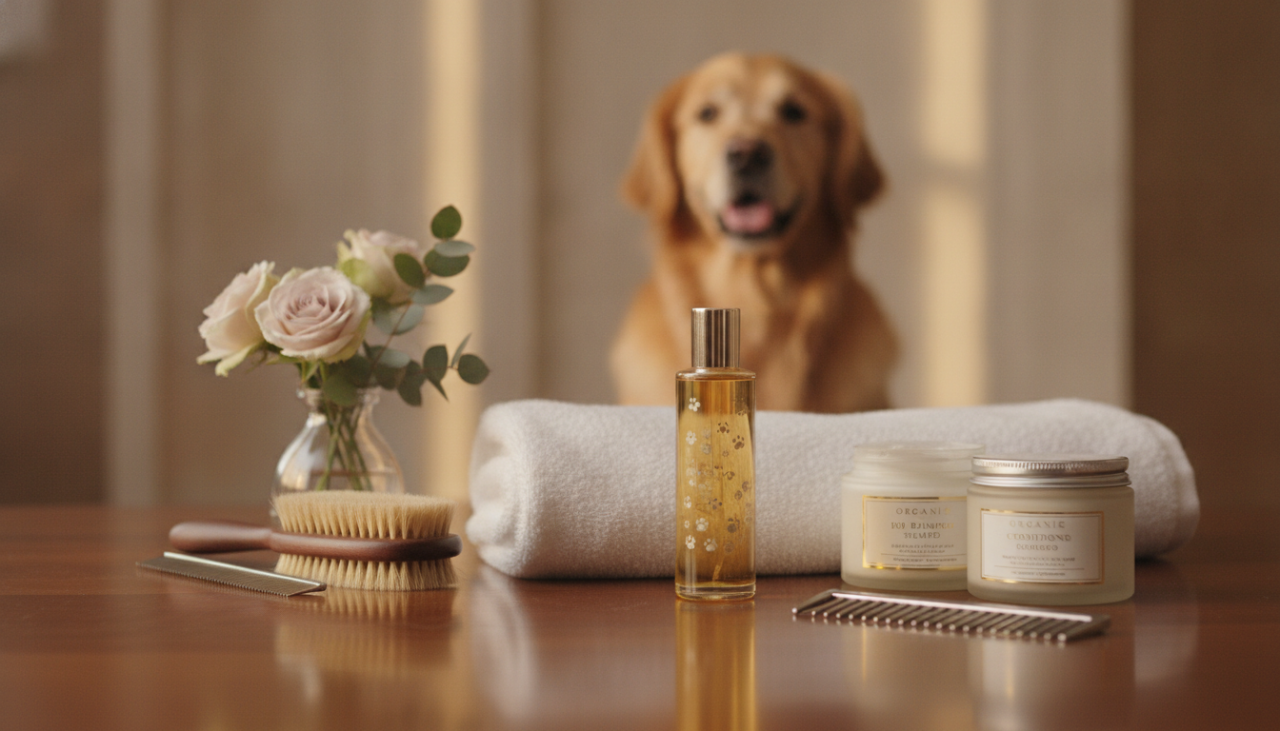
Did you know canine skin is the largest organ and makes up nearly 15% of total body weight? Many owners see fur as cosmetic, but it shields dogs from environmental hazards. Maintaining this barrier supports your pet’s comfort and happiness.
A healthy coat often reflects what happens inside the body. Good nutrition, regular grooming, and veterinary checkups build a strong wellness foundation. Adding a daily dog coat oil to this routine supplies nutrients that help keep skin hydrated and fur shiny.
Key Takeaways
- Skin acts as a primary defense system for your pet.
- Nutrition and grooming are the pillars of healthy fur.
- Supplements can bridge the gap in essential fatty acids.
- Healthy skin reduces the risk of irritation and dryness.
- Consistency is the secret to seeing visible improvements.
What is Daily Dog Coat Oil?
A pet grooming routine begins with natural dog coat oil. These products nourish the skin and fur through topical use.
Topical conditioners differ from ingestible dietary supplements. Both support coat health, but topical oils give quick moisture and protect the hair shaft and skin surface.
Ingredients Often Found in Dog Coat Oils
Manufacturers combine several ingredients to make effective formulas. Fish oil, flaxseed oil, and essential omega fatty acids help maintain a lustrous shine.
Many high-quality blends include biotin and B vitamins to support skin integrity. Formulas vary, so check the label for your dog’s specific needs.
| Ingredient | Primary Benefit | Source Type |
|---|---|---|
| Omega-3 Fatty Acids | Reduces inflammation | Fish/Plant |
| Biotin | Strengthens hair | Vitamin B |
| Flaxseed Oil | Deep hydration | Plant-based |
Benefits of Using Dog Coat Oil Daily
Using natural dog coat oil regularly can make the coat softer and easier to manage. It helps prevent tangles and protects fur from sun, wind, and other environmental stressors.
Always follow the manufacturer’s instructions for daily use. These products are excellent grooming aids, but they cannot replace a balanced diet or veterinary treatment for skin conditions.
Why Coat Health Matters for Your Dog
Your dog’s coat is more than a beautiful feature; it is a window into their internal health. We often focus on looks, but fur and skin offer vital clues about your dog’s physical health. High-quality organic pet grooming products protect the surface, but deeper signs can show what your pet needs.
Connection Between Coat Health and Overall Well-being
A dog’s skin is the largest organ in their body and needs strong nutritional support to stay healthy. Without essential fatty acids or vitamins, the coat may become dull, brittle, or thin. Proper nutrition supports a bright coat, while deficiencies often cause irritation or heavy shedding.
Diet is not the only factor; the environment and stress also affect coat quality. High stress can upset a dog’s hormones, causing hair loss or sensitive skin. Fleas and mites can cause quick damage, showing how coat health connects to a strong immune system.
How a Healthy Coat Reflects a Healthy Dog
Daily grooming lets us learn much by watching our dogs closely. A soft, shiny, odor-free coat usually shows good care and nutrition. Lasting changes in texture or skin health often mean your dog needs a veterinarian.
Although organic pet grooming products help with routine care, they cannot cure hidden medical conditions. Recurring dry patches, constant itching, or unusual hair loss may point to deeper problems. The table below lists common coat changes and what they may suggest about your dog’s health.
| Observation | Potential Concern | Recommended Action |
|---|---|---|
| Dull, brittle fur | Nutritional deficiency | Review diet quality |
| Excessive itching | Allergies or parasites | Consult a veterinarian |
| Bald patches | Hormonal imbalance | Professional diagnosis |
| Greasy texture | Skin infection | Medical examination |
Key Benefits of Daily Dog Coat Oil
Adding a high-quality dog coat conditioning oil to your pet’s routine can improve its fur. Consistent use manages texture and creates a healthy, vibrant look that reflects your dog’s vitality.
Enhanced Shine and Softness
The main benefit of using a dog coat conditioning oil is fur that feels better right away. These oils enter the hair shaft, lock in moisture, prevent brittleness, and create a silky, smooth texture.
- Increased luster: Reflects light better for a healthy glow.
- Improved manageability: Makes brushing sessions much easier.
- Softness: Reduces tangles and matting in long-haired breeds.
Reduced Shedding and Dander
No product can stop natural hair cycles, but a dog coat conditioning oil keeps loose hair until you brush it. These oils nourish the skin and reduce dryness, which often causes excess dander.
Regular grooming combined with these oils removes loose fur more effectively. This creates a cleaner home and helps your dog feel comfortable.
Protection Against Environmental Factors
Your dog’s coat acts as a natural shield, but harsh weather can dry or damage it. Applying a dog coat conditioning oil creates a lightweight barrier that guards against dirt, dust, and drying winds.
This layer helps maintain the skin’s natural moisture balance throughout the day. By supporting the coat’s integrity, it helps protect your dog during outdoor adventures and daily walks.
Choosing the Right Daily Dog Coat Oil
Finding the best dog coat oil can feel overwhelming without clear guidance. Choose an oil that gives your pet useful nutrients with every drop added to food. Consider your dog’s lifestyle and health to support long-term vitality.
Types of Oils Available
Several supplements are available, and each offers unique benefits for your canine companion. Fish oils, such as salmon or pollock, are popular because they contain Omega-3 fatty acids. These oils can reduce inflammation and support the skin barrier.
Plant-based options, such as flaxseed or coconut oil, offer different nutrients. However, they often lack the EPA and DHA levels found in marine sources. The best dog coat oil choice depends on your dog’s dietary sensitivities or preferences.
| Oil Type | Primary Benefit | Best For |
|---|---|---|
| Salmon Oil | High Omega-3 | Dry, itchy skin |
| Coconut Oil | Lauric Acid | Coat shine and luster |
| Flaxseed Oil | Alpha-linolenic acid | General skin health |
What to Look for on the Label
Choose products with transparent manufacturing details. A quality label should name ingredient sources and provide clear serving guidance based on your dog’s weight. Avoid vague terms like “animal fat” without a stated origin.
Seek third-party testing to confirm the product is free from heavy metals and contaminants. Strong quality control marks the best dog coat oil and confirms the bottle matches its label. Check the expiration date to ensure the oil stays fresh and potent.
Should You Consult Your Veterinarian?
We strongly recommend speaking with your veterinarian before adding any supplement to your dog’s routine. This matters most if your pet has chronic digestive issues, known allergies, or underlying health conditions. A professional can tell you whether an oil may interact with current medications.
If your dog’s coat changes without explanation, such as sudden thinning or lasting irritation, visit a vet. A vet can rule out medical concerns needing more than a topical or dietary supplement. Expert advice helps you choose the best dog coat oil for your dog’s unique medical history.
How to Apply Daily Dog Coat Oil
Add coat oil to your routine with care and a clear plan. Pair quality oils with other dog grooming essentials, such as soft-bristle brushes and gentle shampoos, for complete pet care.
Recommended Dosage for Different Breeds
Many owners think a dog’s size sets the exact oil amount, but that idea can mislead. Larger breeds may need more coverage, but coat density, skin sensitivity, and current health matter more.
Ask your veterinarian to set the right dose for your dog. This matters most for pets with health conditions or skin allergies. Professional guidance ensures that you provide exactly what your dog needs without overdoing it.
“The secret to a healthy coat is not just the product you choose, but the consistency and care with which you apply it to your companion.”
Step-by-Step Application Guide
Follow a clear process that keeps your dog comfortable. First, read the product label carefully because each formula has its own instructions.
- Measure accurately: Use the provided dropper or pump to ensure you do not exceed the recommended daily amount.
- Introduce gradually: Start with a smaller dose to observe how your dog’s skin and digestion react to the new supplement.
- Monitor closely: Watch for any changes in coat texture or signs of stomach upset during the first week of use.
Treat these dog grooming essentials as a daily ritual to help your pet feel their best. Remember, patience matters when you add any new product to your pet’s wellness routine.
Potential Side Effects to Watch For
Adding new products to your pet’s routine requires close attention to unexpected health changes. cruelty-free pet care means choosing ethical ingredients and watching your dog’s comfort after new treatments.
Allergic Reactions
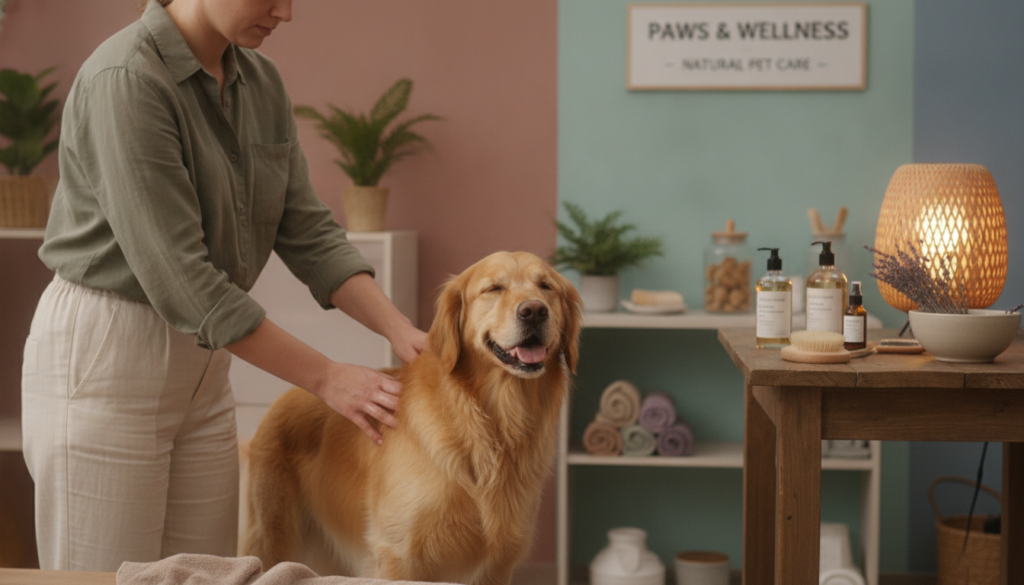
Even natural oils may cause sensitivity in some animals. Watch for an allergic reaction, such as redness, persistent itching, or localized swelling on the skin.
If your dog scratches excessively or develops hives after an application, stop using the product immediately. With cruelty-free pet care, your dog’s comfort comes first. If symptoms do not fade quickly, contact your veterinarian for professional guidance.
Signs of Overuse
More is not always better for coat care. Too much oil can make the coat greasy, trap dirt and bacteria, and irritate skin or worsen dandruff.
Swallowing excess oil during grooming can cause digestive upset, including vomiting or diarrhea. Watch for unusual hair loss, which may show that product buildup prevents the skin from breathing. Practicing cruelty-free pet care means watching these subtle signs and adjusting your routine to keep your dog happy and healthy.
Always observe your pet’s behavior after introducing any new grooming product. If you notice persistent discomfort, discontinue use and consult your veterinarian to rule out underlying sensitivities.
When to Start Using Dog Coat Oil
Good canine coat care starts with knowing how your dog’s needs change over time. Many owners wait for dry skin, but a proactive routine can prevent problems. Use life stages and environmental changes to keep the coat healthy and shiny.
Puppies vs. Adult Dogs
Puppies often have soft, delicate fur that needs little care. As they become adults, their skin chemistry changes, and targeted canine coat care may support their developing skin barrier. Remember: Consistency is key during these years.
Senior dogs face challenges such as less mobility and diet changes that affect oil production. For these older companions, canine coat care may include a supplement for extra moisture. Read this guide on how to use dry dog coat effectively for application tips.
Seasonal Considerations
Your dog’s skin health depends greatly on the environment. Winter heating can dry the air, causing itchy skin. Spring and fall shedding may need extra help with loose fur and dander.
Adjust your routine using these factors:
- Winter: Focus on deep hydration to combat dry air.
- Spring: Increase grooming frequency to manage heavy shedding.
- Summer: Monitor for environmental irritants like pollen.
| Life Stage/Season | Primary Focus | Recommended Action |
|---|---|---|
| Puppy | Gentle Maintenance | Light, natural oils |
| Adult | Shine & Health | Regular balanced application |
| Winter | Moisture Retention | Increased frequency |
| Shedding Season | Dander Control | Daily brushing with oil |
Expert Tips for Maximizing Coat Health
We believe a lustrous coat depends on both inner health and careful grooming. Using premium dog grooming products is an excellent step, but these tools work best with overall wellness. Good nutrition and regular care help keep your dog’s skin resilient and fur vibrant.
Combining Oil with Proper Nutrition
A healthy coat starts inside your dog. Your dog needs high-quality proteins, essential fatty acids, and specific vitamins for strong hair follicles. Fats help protect the skin’s natural moisture barrier.
Minerals like zinc and copper support skin repair and hair pigmentation. With enough calories and nutrients, your dog’s body can focus more energy on a shiny, thick coat. Proper nutrition acts as the fuel that makes topical treatments truly shine.
“Good nutrition is the silent partner to every grooming routine; without it, even the best products cannot reach their full potential.”
Regular Grooming Practices
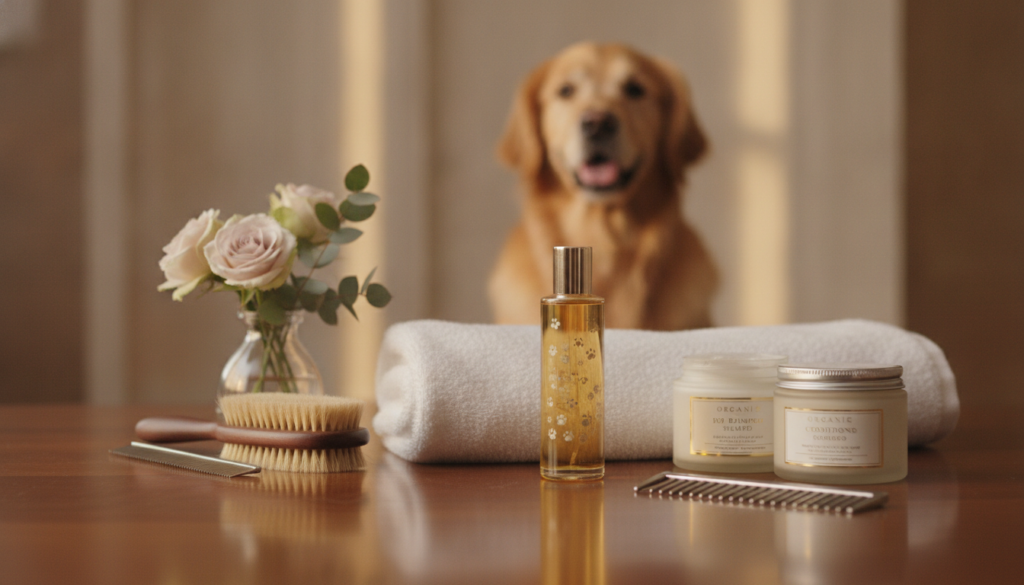
Choose a brush made for your dog’s coat length and density. It prevents mats and stimulates natural oil production. Pay extra attention to sensitive areas, such as behind the ears and in the armpits, where tangles often hide.
We recommend establishing a routine that fits your dog’s specific needs:
- Daily brushing for long-haired breeds to prevent knots.
- Weekly inspections of the skin to check for irritation or dryness.
- Strategic use of premium dog grooming products to lock in moisture after baths.
Matching grooming frequency to your dog’s coat type creates a protective environment for their skin. This proactive approach keeps your pet comfortable and looking their best year-round.
Common Myths About Dog Coat Oil
Dog skincare myths can confuse owners. Many assume applying nourishing pet oil in large quantities brings faster results, but it rarely does. Too much can make fur greasy, clog pores, and cause discomfort.
Myth vs. Reality
Many people think frequent baths keep a dog’s coat healthy. However, too much washing removes the skin’s natural protection. When you use a nourishing pet oil, it supports these defenses rather than replacing a balanced grooming schedule.
Some owners also use human grooming products. Human shampoo may seem safe, but dog skin has a different pH balance. These products can cause irritation and dryness, so nourishing pet oil may work less effectively.
Clarifying Misconceptions
Topical products have clear limits. These oils can add moisture and shine, but they cannot fix hidden health problems. Parasites, hormonal imbalances, and severe allergies need more than topical treatment.
Use these products as a supportive tool, not a medical solution. If skin issues continue, it is best to consult a veterinarian. Good nutrition and professional care support your dog’s overall health and coat vitality.
Customer Reviews and Testimonials
When adding a product to our dog’s routine, we often read dog coat oil reviews. These reviews offer useful ideas, but every dog is unique. One breed may respond differently because of its skin type and diet.
Real-Life Experiences with Daily Dog Coat Oil
Many pet owners share stories online about noticeable improvements in their dogs’ appearance. They often mention softer fur, brighter shine, and less dry, flaky skin. These visible changes may be the first signs that a product works effectively.
Look for specific details in testimonials instead of general praise. A review about easier brushing or less dander on furniture offers more value than a star rating. Consistency is key, and many users report the best results after several weeks of regular application.
Expert Endorsements
Personal stories can encourage us, but they cannot replace professional medical advice. For persistent issues, including foul odors, intense itching, or excessive hair loss, use veterinarian recommended dog coat care, not anecdotes. A professional can determine whether an underlying health condition needs more than topical oil.
“Always consult with your veterinarian before introducing new supplements or topical treatments to your pet’s regimen, especially if they have a history of skin sensitivities.”
We organized the following table to help compare user reviews with professional guidance.
| Feature | User Reviews | Veterinary Guidance |
|---|---|---|
| Focus Area | Cosmetic shine and softness | Skin health and medical safety |
| Primary Goal | Aesthetic improvement | Treating underlying conditions |
| Best For | General maintenance | Itching, odor, or hair loss |
| Reliability | Subjective experiences | Evidence-based care |
By balancing dog coat oil reviews with veterinarian recommended dog coat care, we can make wise choices for our dogs. Watch your dog closely, and contact your vet about concerning changes in skin or behavior.
Conclusion: Making the Right Choice for Your Dog’s Coat
A radiant coat needs more than one product. A consistent dog coat health routine supports your pet’s comfort and appearance. High-quality oils add moisture and shine, keeping fur soft to touch.
The Value of a Holistic Approach
Your pet thrives when topical treatments, balanced nutrition, and regular veterinary checkups work together. Make daily canine grooming a bonding time that helps you watch your dog’s skin closely. Proper brushing and parasite prevention remain key parts of this wellness journey.
Taking the Next Step
Introduce new products slowly, and watch how your dog responds. Look for better texture and skin hydration over the coming weeks. If issues persist or reactions occur, contact your veterinarian; these habits keep your companion happy, healthy, and comfortable for years.