Nearly 40% of veterinary visits involve skin irritation or dull coats. A vibrant, glossy appearance is more than beauty; it is a vital indicator of internal wellness. Dry patches, frequent scratching, or unusual shedding may show that your companion needs extra support.
We examine the current dog hair oil price to help you navigate the market. Balancing quality and cost helps your furry friend get excellent care without straining your budget. Choosing a natural dog hair oil provides essential moisture for softness and lasting shine.
Our goal is to explain how these topical solutions improve skin comfort. We believe informed choices can lead to happier, healthier lives for beloved pets.
Key Takeaways
- A shiny coat serves as a primary indicator of your pet’s overall health and nutritional status.
- Common issues like scratching and dull fur often require targeted topical moisture treatments.
- We evaluate market costs to ensure you find high-quality products that fit your financial plan.
- Selecting organic or plant-based formulas helps avoid harsh chemicals on sensitive skin.
- Consistent application of these treatments can significantly improve texture and reduce shedding.
Understanding Dog Hair Oil: What It Is and How It Works
Pet grooming products come in topical and internal forms. Topical conditioners go on fur, while internal supplements go into meals. Some modern formulas combine both methods for complete pet care.
Choosing the best dog hair oil means considering your pet’s specific needs. These products can improve a coat’s look, but they cannot replace veterinary care. If your dog has chronic skin issues, consult a specialist first.
What Ingredients Are Commonly Found?
Manufacturers use many natural fats in grooming products. Fish oil contains omega-3 fatty acids, while coconut oil helps moisturize skin. Blends may also include flaxseed, olive, or castor oil.
Each oil has a unique fatty-acid profile for different skin types. When you choose an organic dog hair treatment oil, you often choose purity without harsh synthetic additives. Understanding these ingredients helps us choose the best product for our dog’s coat texture.
How Does Hair Oil Benefit Your Dog’s Coat?
These oils mainly moisturize the skin and hair follicles. They strengthen the skin barrier, which helps prevent dryness and irritation that can cause dull fur. Regular use can make the coat softer and more resilient.
High-quality oils also provide nutritional fatty acids that support overall health from the inside out. With the right nutrients, the fur can keep its natural shine. This consistent care helps maintain a healthy, vibrant appearance for our beloved pets.
Reasons to Use Dog Hair Oil
We use simple grooming habits to improve our pets’ looks and comfort. A balanced diet supports health, while topical care can quickly help skin and fur.
Enhancing Shine and Softness
Applying a natural dog hair oil can improve your pet’s coat texture, softness, and shine. The oil coats each hair, helps hold moisture, and smooths the cuticle.
Cosmetic conditioning differs from support provided by food or supplements. For instance, fish oil often helps reduce systemic inflammation. Topical coconut oil moisturizes dry or irritated skin patches.
Choosing a top rated dog hair oil can make your dog’s coat feel softer. Regular use helps prevent brittleness, breakage, and dullness.
Reducing Shedding and Matting
Even with quality products, grooming still takes several steps. Oils help manage the coat, but they cannot replace regular brushing.
Brushing matters for several important reasons:
- It removes loose hair before it ends up on your furniture.
- It helps distribute natural oils from the skin throughout the fur.
- It prevents small tangles from turning into painful, tight mats.
A high-quality oil can make brushing easier by giving hair more “slip.” Your brush can glide through the coat without pulling. This keeps your dog comfortable and makes grooming a positive experience for you both.
Factors Affecting Dog Hair Oil Prices
Understanding the dog hair oil price helps you make a smart choice for your furry friend. The starting cost matters, but several factors shape the product’s true value.
The price often reflects care during manufacturing. Look beyond the label to find quality ingredients that support your pet’s skin and coat health.
Brand Reputation and Quality
The dog grooming oil cost often reflects the brand’s reputation. Established companies may invest in research, development, and strict safety testing for effective, gentle formulas.
Premium brands often choose high-grade, natural ingredients instead of synthetic fillers. They also share sourcing details and quality-control standards.
Bottle Size and Quantity
Consider oil concentration when checking the dog hair oil price. A smaller bottle may seem costly, but concentrated formulas need less oil per use.
Larger bottles with lower concentrations may need frequent, heavy applications. This can raise costs over time, so compare these factors to protect your budget:
- Ingredient Purity: Higher quality oils often require less product to achieve visible results.
- Concentration Levels: A small, potent bottle often provides better long-term value than a diluted, budget-friendly alternative.
- Manufacturing Standards: Brands that conduct third-party testing may have a higher dog grooming oil cost, but they offer greater peace of mind.
Choose the right product by balancing your budget with your dog’s long-term health. Focus on quality and concentration to make a smart investment in your pet’s comfort and appearance.
Average Price Range for Dog Hair Oils in the U.S.
To judge a bottle of dog hair oil, look beyond its sticker price. Compare the price per serving to find its true value. Fatty acid content, bottle size, and careful quality testing affect the final retail price.
Compare each product’s essential nutrient levels. A cheaper bottle may seem like a bargain, but a larger dose can cost more over time. Choose clear labels that list every ingredient and its source.
Budget-Friendly Options
Many pet owners want an affordable dog hair oil for basic hydration at a fair price. These oils often use simple ingredients, such as sunflower oil or basic fish oils. They work well for daily coat care and routine maintenance.
To find a safe product at a lower price, keep these tips in mind:
- Check for third-party testing certifications on the label.
- Look for simple ingredient lists to avoid unnecessary fillers.
- Read recent customer feedback to verify consistent quality.
Premium Choices Worth the Investment
When you choose a top rated dog hair oil, you often pay for stronger quality controls and better sourcing. Premium formulas often contain cold-pressed oils, more Omega-3 fatty acids, and added vitamins for inside-out skin health.
Investing in premium care may bring faster results and a brighter coat for your pet. These brands often share detailed manufacturing reports, giving you peace of mind about product safety.
| Feature | Budget Options | Premium Options |
|---|---|---|
| Ingredient Purity | Standard | High/Organic |
| Concentration | Moderate | High |
| Testing Standards | Basic | Rigorous |
The best choice depends on your dog’s needs and your budget. Whether you choose a standard solution or premium blend, prioritizing transparency and quality will best serve your pet.
Where to Buy Dog Hair Oil
Choosing canine hair care products takes care and attention to safety. Whether you are new to pet care or experienced, knowing where to buy supplies helps you get good results for your furry friend.
Online Retailers
Today, you can easily buy dog hair oil online from home. Specialized retailers often provide product details and customer reviews for informed choices. For example, explore high-quality options like this fur body dry oil for dogs to compare formulas for different coat types.
“Quality grooming products are the foundation of a healthy, happy pet, and choosing the right source is the first step toward excellence.”
Local Pet Stores
If you want immediate access, local pet boutiques let you see products in person. You can often ask knowledgeable staff for personalized advice based on your dog’s breed and skin sensitivities. This personal help is useful when you are unsure about a new brand or ingredient list.
Wherever you shop, we recommend using this essential checklist to protect your pet:
- Canine-specific formulation: Always verify the product is designed for dogs, not humans.
- Ingredient transparency: Look for clear labels that list all active and inactive components.
- Safety testing: Check if the manufacturer conducts contaminant testing to ensure purity.
- Expiration dates: Never purchase products that lack a clear shelf-life date.
An affordable dog hair oil can still meet high safety and quality standards. Compare prices across several platforms, but focus on ingredient integrity instead of the lowest price. Choose products with transparent labeling and reliable seller reviews to support coat health without overspending.
Customer Reviews: What Pet Owners Are Saying
Pet owners often use other families’ experiences when choosing grooming products. Reading dog hair oil reviews shows how formulas work beyond bottle marketing claims.
Positive Experiences
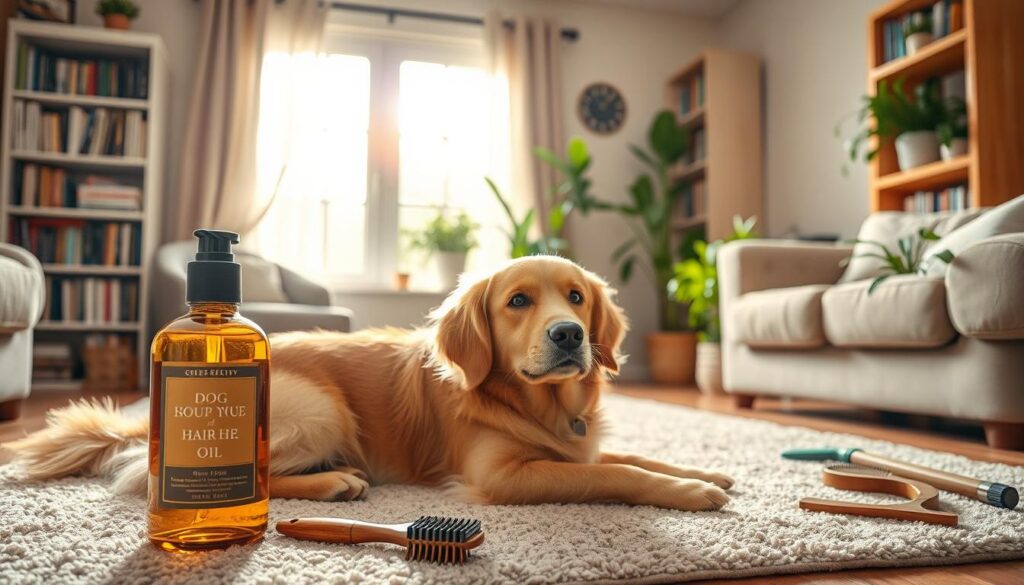
Many owners report clear improvements after adding these products to their pets’ care routines. They often praise a noticeable increase in coat shine and a softer coat.
Some users say their dogs scratch less and have less skin flaking. With a top rated dog hair oil, these changes often appear within a few weeks of steady use.
Common Concerns
Many results are positive, but owners should still consider possible drawbacks. Some say certain oils leave a greasy residue on furniture or carpets when applied too heavily.
Other concerns involve internal supplements, including mild digestive upset and lasting fishy breath. Check the ingredient list to ensure the product fits your dog’s specific dietary needs.
Results vary with your dog’s breed, diet, and overall health. Before choosing a top rated dog hair oil, check the dosage guidance and consult your veterinarian. This helps ensure the product is safe for your furry friend.
Tips for Choosing the Right Dog Hair Oil
Many oils are available, so choosing one for your dog can feel difficult. To find the best dog hair oil, look beyond marketing labels and consider your pet’s biological needs. Your dog’s age, diet, and overall health affect how well the product works on its fur.
Considering Your Dog’s Coat Type
Every breed has a unique coat texture that reacts differently to topical treatments. For instance, double-coated breeds often need light formulas that will not weigh down the undercoat or cause clumps. Long-haired dogs may need richer oils that hydrate the coat and help prevent tangles and breakage during daily brushing.
If your companion has sensitive skin, choose hypoallergenic formulas that soothe irritation instead of hiding it. Short-coated dogs usually need less product because their natural oils may be enough. Still, a light conditioning treatment can add a healthy, vibrant sheen; check hair density before buying.
Evaluating Ingredients for Safety
When shopping for an organic dog hair treatment oil, make ingredient transparency your main goal. Check the label for active nutrients, such as vitamin E, omega fatty acids, or natural botanical extracts. Avoid unnecessary additives, artificial fragrances, and harsh chemicals that could cause an allergic reaction.
It is essential to check whether the product has undergone rigorous testing or earned positive veterinary reviews. If your dog has skin allergies or medical conditions, consult your veterinarian before using a new topical treatment. This informed choice provides safer care for your pet’s coat and skin.
Application Techniques for Best Results
When you decide to buy dog hair oil online, learn how to use it correctly. Proper use helps your pet receive the formula’s full nutritional benefit. Read the manufacturer’s label first because instructions can vary between brands.
How to Properly Apply Hair Oil
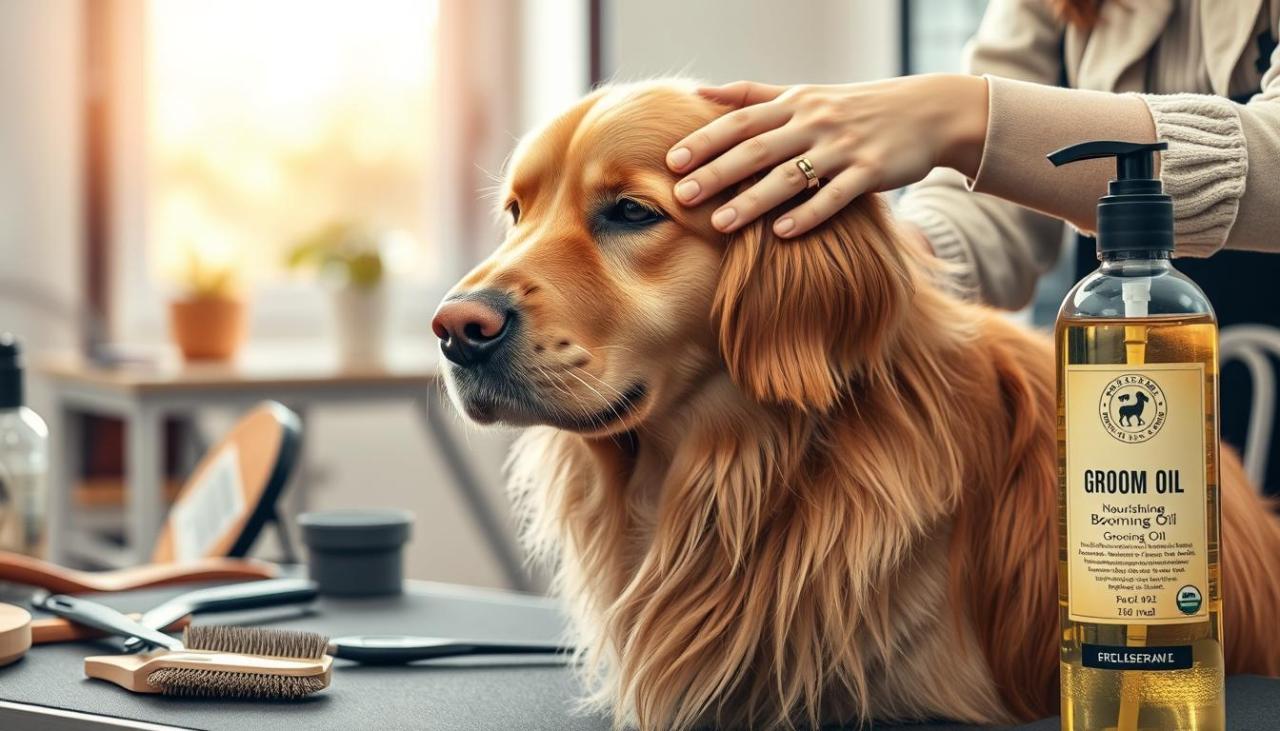
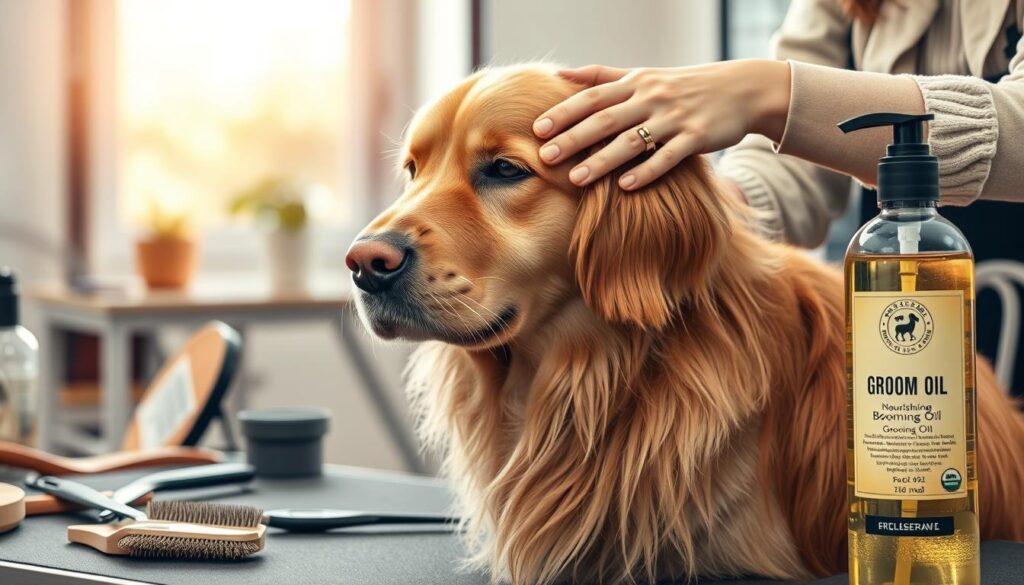
For topical treatments, apply the oil to the skin instead of only coating the fur. Gently part the hair, then massage the product into the skin to support absorption and soothe dryness. If you use an internal supplement, add it to your dog’s diet gradually to avoid digestive upset.
Mix the recommended dosage into your dog’s regular wet or dry food. Follow veterinary guidance on the amount suited to your pet’s weight and breed. Consistent use helps maintain healthy moisture across the entire coat.
Frequency of Use
How often you apply the oil affects the overall dog grooming oil cost over time. Too much product can make the coat greasy and create waste, lowering your purchase’s value. Start with a careful schedule, then adjust it to your dog’s skin and fur.
Measured, regular use keeps the product fresh and effective throughout its shelf life. Tracking how fast you finish a bottle helps manage your budget and get more from each item. Proper maintenance helps keep the coat shiny and healthy without overspending on grooming supplies.
Final Thoughts on Dog Hair Oil Prices and Benefits
Choosing the right supplement means balancing your budget with your pet’s specific needs. The best results often come from matching high-quality formulas to your dog’s unique skin needs.
Ensuring Healthy Fur and Skin
Coat texture often improves during weeks three to four of consistent use. Fuller results usually appear between weeks eight and twelve. Explore fish oil for dogs to provide essential omega-3 fatty acids that support skin health.
Always monitor your pet for digestive changes, as high doses may cause mild stomach upset.
Making a Wise Investment for Your Pet
Your research on dog hair oil price should include safety testing and ingredient purity. Read different dog hair oil reviews to learn how owners succeeded with specific brands.
Consult your veterinarian before starting a new regimen, especially if your dog has a history of pancreatitis or clotting disorders. Combining these supplements with a balanced diet and regular grooming supports a vibrant, healthy coat.