Nearly 60% of pet owners report that their companions develop dry, dull fur at some point. A healthy dog coat reflects more than appearance; it can show your pet’s internal wellness.
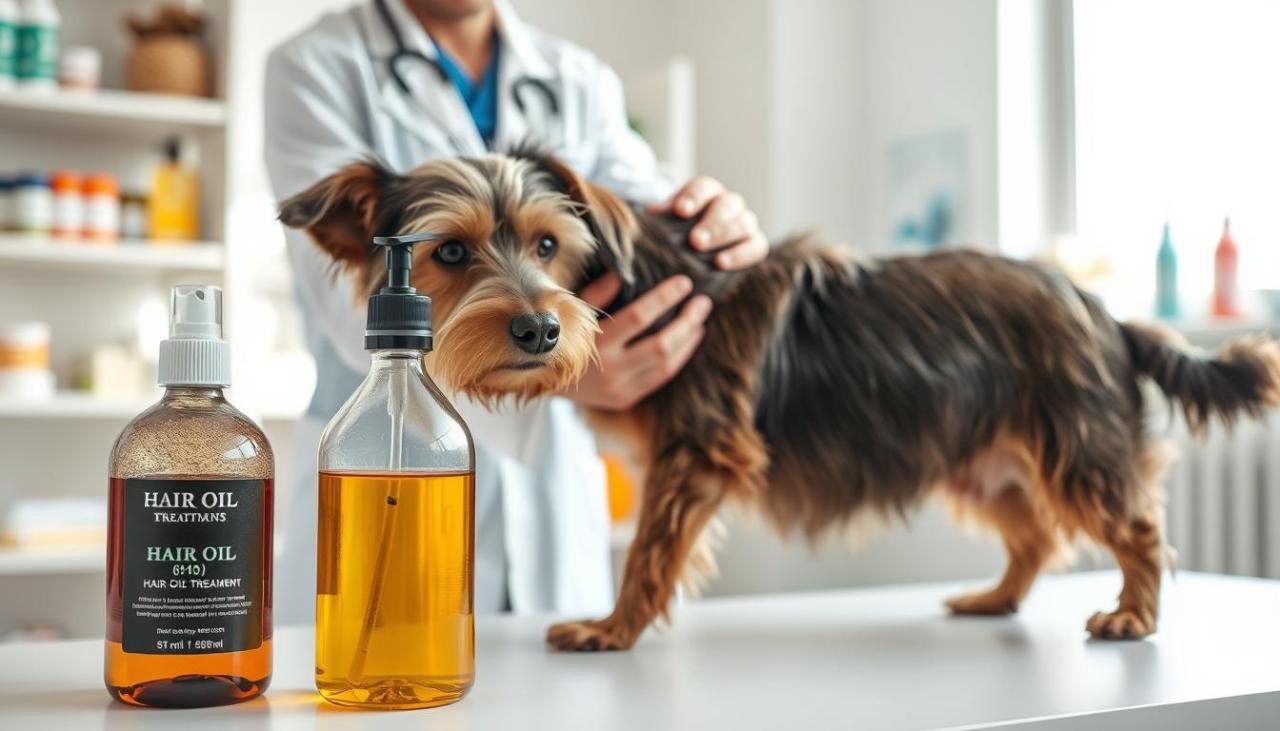
A proper dog hair oil treatment can provide essential moisture and softness. When used correctly, these products help create a shiny dog coat that feels smooth.
Topical solutions are only one part of the process. Complete dog skin and coat care requires regular brushing, balanced nutrition, and parasite prevention. Consult a veterinarian about persistent itching or bald patches, which may signal health problems.
Key Takeaways
- Topical applications provide immediate moisture and improve texture.
- A balanced diet is the foundation of a vibrant appearance.
- Regular brushing distributes natural nutrients across the skin.
- Parasite prevention is vital for maintaining overall wellness.
- Always consult a professional if you notice sudden changes in skin health.
What is a Dog Hair Oil Treatment?
We define a dog hair oil treatment as a topical application that conditions fur and supports skin comfort. It supports beauty and wellness, but it is not a medical cure. These treatments may improve texture, but never hide redness, infections, parasites, or lasting itching.
If you notice illness or severe skin irritation, consult your veterinarian before applying products. A natural dog hair treatment improves your pet’s existing skin and fur health, but does not hide health issues needing professional care.
Benefits of Using Oil on Dog Hair
The right oils can turn a dull, brittle coat into a soft, shiny one. They lock in moisture and create a barrier against environmental stress. These are the main benefits of adding oil to your grooming routine:
- Improved Hydration: Oils penetrate the hair shaft to prevent dryness and breakage.
- Enhanced Shine: Regular use creates a natural, healthy glow that reflects light.
- Skin Comfort: Many oils soothe minor irritation and reduce flakiness caused by dry air.
- Easier Detangling: A well-conditioned coat is much simpler to brush and manage.
Common Types of Hair Oils for Dogs
Choosing the right dog coat oil depends on your pet’s needs and skin sensitivity. Many owners choose single-ingredient products, while others prefer professionally formulated blends. The comparison below shows popular choices used by pet parents today.
| Oil Type | Primary Benefit | Best For |
|---|---|---|
| Coconut oil for dogs | Deep moisturizing | Dry, flaky skin |
| Fish Oil | Omega-3 fatty acids | Coat luster and health |
| Formulated Blends | Balanced nutrients | General maintenance |
Choose high-quality, food-grade ingredients whenever possible. Start with a small patch test to check for an adverse reaction. Your veterinarian can recommend safe options for your dog’s unique coat type.
Signs Your Dog Needs a Hair Oil Treatment
Your dog’s coat can reflect internal health and show trouble before other symptoms appear. Some fur texture changes are normal, but lasting changes need support. Spotting them early can ease discomfort before it becomes serious.
Dryness and Dullness in Coat
A healthy coat feels soft and looks bright. Brittle or dull fur may need a dry dog coat treatment. Dull fur can mean depleted skin oils, leaving hair shafts unprotected and easy to break.
Small white flakes may appear on your dog’s back or near the tail base. They often signal dehydrated skin. A quality dog hair growth oil may restore moisture and the coat’s healthy shine.
Excessive Shedding and Skin Irritation
Shedding is natural, but a sudden increase in hair loss can signal a problem. If you vacuum more often, a dog shedding treatment may soothe follicles and support hair health. Always check for parasites or nutritional deficiencies first.
Itchy dog skin often occurs with a poor coat. Constant scratching, biting, or rubbing against furniture can mean serious discomfort. Topical oils may help, but allergies and skin infections need professional medical attention.
| Symptom | Potential Cause | Recommended Action |
|---|---|---|
| Brittle, dull fur | Lack of natural oils | Apply dry dog coat treatment |
| Constant scratching | Itchy dog skin | Consult vet; use soothing oil |
| Excessive hair loss | Seasonal or nutritional | Use dog shedding treatment |
| Visible skin flakes | Dryness or allergies | Use dog hair growth oil |
Choosing the Right Hair Oil for Your Dog
Finding the best dog hair oil means looking past flashy marketing. Choose products that suit canine skin, not human beauty needs. This keeps grooming safe and effective.
Natural Oils vs. Commercial Products
When exploring organic dog hair care, you will find two main choices: pure oils and commercial formulas. Pure oils like coconut or argan are simple and often effective. However, they lack the stabilizers found in professional products. Commercial options balance pH levels and offer controlled doses for different coat types.
Consider these factors when choosing between the two options:
- Purity: Natural oils have fewer additives but need careful storage to prevent rancidity.
- Convenience: Commercial products often contain emulsifiers that make rinsing easier during baths.
- Targeted Results: Special formulas may treat severe matting or dryness better than single-ingredient oils.
How to Read Labels and Ingredients
Learning to read labels is vital for every pet owner. Scan for dog-safe oil ingredients and avoid harsh chemicals that may cause irritation. To find quality choices, explore organic dog hair oil and see clean labels in practice.
Be cautious when a bottle lists essential oils for dog hair. Some help, but others can harm pets at high concentrations or with impure sources. Look for these warning signs on the package:
- Artificial fragrances or synthetic dyes.
- Unclear “proprietary blends” that hide the oils’ true sources.
- Ingredients known to harm dogs, such as tea tree or wintergreen.
Internal health also supports the coat from within. Nutrients like fish oil, zinc, and biotin support healthy skin. However, consult your veterinarian before adding supplements to your dog’s daily routine. This helps confirm the right dose for your dog’s size and health history.
How Often Should You Apply Hair Oil?
Finding the right dog hair oil treatment frequency starts with watching your pet’s needs. Use a flexible routine based on your dog’s lifestyle and coat condition. Start with small amounts, then watch how the skin and fur respond.
Factors That Affect Frequency
Several factors affect how often you should use dog grooming oil on your dog. Daily surroundings and physical traits can change each dog’s needs.
Consider these main factors when building your routine:
- Coat Length and Texture: Longer, thicker coats may require more frequent conditioning to prevent tangles and breakage.
- Bathing Habits: If you bathe your dog frequently, you might need to replenish natural oils more often to prevent dryness.
- Activity Level: Dogs that spend significant time outdoors or in dusty environments may need more frequent grooming to remove debris and maintain coat health.
- Skin Sensitivity: Dogs with known allergies or sensitive skin require a more cautious, less frequent application schedule.
Watch for over-application signs, such as greasiness, heavy odor, or skin irritation. If they appear, apply oil less often or choose a lighter product.
Seasonal Considerations
Good seasonal dog coat care helps your dog’s coat keep a healthy shine all year. Environmental changes affect moisture in the skin and fur, so adjust grooming as needed.
In winter, indoor heating often creates dry air that removes moisture from your dog’s coat. More oil may help reduce static and brittleness during this time. In humid summer months, use less oil to avoid a heavy coat and trapped dirt.
Consistency is key, but flexibility helps you give the best care. Watch these changes to keep your dog comfortable and looking good in every season.
Step-by-Step Guide for Applying Hair Oil
Start at-home dog grooming calmly and stay organized when applying coat treatments. Keep the room quiet during a dog hair oil treatment so your pet stays relaxed.
Preparing Your Dog for Treatment
Before starting, make sure your dog is clean and fully dry. Thoroughly brushing the coat removes tangles and loose fur, helping oil spread evenly.
We recommend a patch test on a small, hidden area of your dog’s skin. Wait twenty-four hours for redness or irritation before treating the rest of the body.
Application Techniques for Best Results
When ready, pour a very small amount of dog grooming oil into your palms. Rub your hands together to warm it and spread it through the fur.
Gently massage the dog coat oil into the fur with your fingertips. avoid the eyes, nose, mouth, and any areas of broken or irritated skin to keep your pet comfortable.
After applying it, use a wide-toothed comb to move the product from roots to tips. Then, Observe your dog closely for the next hour. If the coat looks too greasy, you may need to wipe away excess oil with a clean, dry towel.
Homemade Oil Treatments for Dogs
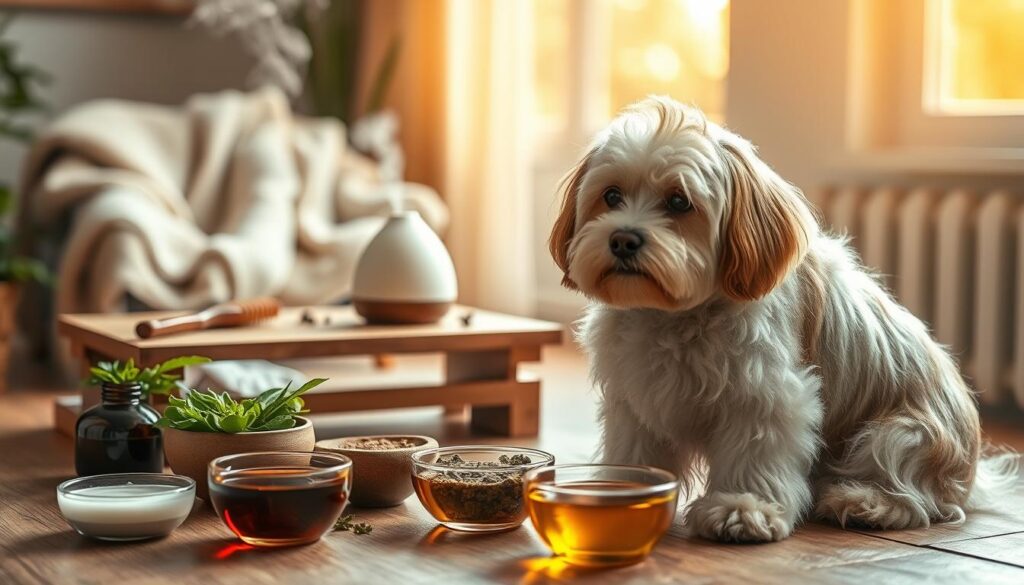
A homemade dog coat treatment needs only a few basic, high-quality kitchen ingredients. You may want to try many botanicals, but safety must come first. natural does not always mean safe for your pet.
Safe Ingredients for DIY Treatment
Choose simple, food-grade items for your pet. Coconut oil for dogs is popular because small, topical amounts are generally safe. It helps hold moisture and gives fur a healthy shine.
A diluted oatmeal rinse is another good choice. It can soothe dogs with sensitive or itchy skin. Never use essential oils; many are toxic to pets and can cause severe reactions.
Simple Recipes You Can Try
For a natural dog hair treatment, try these simple methods. Ask your veterinarian before applying any herbal dog hair treatment with horsetail or spirulina. Dietary supplements and complex formulas need professional guidance for your dog’s specific health needs.
- Coconut Oil Rub: Warm a teaspoon of organic, unrefined coconut oil between your palms and gently massage it into your dog’s coat.
- Oatmeal Soothing Rinse: Mix finely ground colloidal oatmeal with warm water to create a thin paste, apply it to the skin, and rinse thoroughly after five minutes.
- Hydration Mist: Combine a small amount of aloe vera juice with distilled water in a spray bottle for a light, refreshing coat refresher.
| Ingredient | Primary Benefit | Best For | Safety Level |
|---|---|---|---|
| Coconut Oil | Deep Conditioning | Dry Coats | High |
| Colloidal Oatmeal | Soothing Irritation | Sensitive Skin | High |
| Aloe Vera | Hydration | Dull Fur | Moderate |
| Herbal Extracts | Nutrient Boost | General Health | Consult Vet |
Professional Dog Groomers’ Recommendations
Combining home care with expert help often gives pets the best results. Many owners use an herbal dog hair treatment at home, but specialists are sometimes needed. Regular professional dog grooming gives your pet complete care beyond simple topical products.
When to Consult a Professional
Pause your home routine if you see ongoing itching, unexplained hair loss, or redness. These signs may point to health problems that need veterinary coat advice, not cosmetic fixes. A veterinarian can tell whether a skin condition affects the whole body or comes from an allergy.
A groomer is the best resource for improving your dog’s coat. They can manage mats and tangles that keep oils from reaching the skin. Professional eyes can find early trouble we might miss during casual home brushing.
Grooming Techniques to Enhance Oil Treatment
Proper preparation helps conditioning products work their best. Groomers use deep-cleansing baths and thorough drying, so hair follicles can absorb nutrients. This process improves dog coat health by removing dead hair and debris.
Effective de-shedding and professional-grade brushing spread natural or added oils across the coat. A tangle-free coat lets oil penetrate better, creating a smoother, shinier finish. Ask your groomer about specific tools, then use them at home between visits to maintain results.
Incorporating Oil Treatment into Grooming Routine
Consistent care is the secret to a radiant coat. This habit gives your pet the full benefits of organic dog hair care without making grooming overwhelming.
Best Time for Oil Treatment
For a healthy coat, apply your chosen dog hair oil treatment immediately after thorough brushing. Brushing removes loose fur and debris, so dirt cannot become trapped against the skin.
If you bathe your dog, apply oil when the coat is slightly damp or fully dry. A clean, tangle-free coat helps nutrients penetrate deeply into the hair follicles. Consistency here is key for a soft, manageable texture.
“A healthy coat is a direct reflection of a dog’s internal well-being and the external care they receive. Integrating topical treatments with a balanced lifestyle creates a foundation for lifelong skin health.”
Complementary Grooming Products
To maximize the benefits of the best dog hair oil, consider your pet’s overall health. A high-quality diet rich in omega fatty acids supports the coat from within. The right shampoo cleanses without stripping natural oils.
Regular exercise and stress reduction keep your dog’s skin resilient. Always follow a strict schedule for veterinarian-recommended parasite prevention to prevent skin irritation. Together, these steps make your dog grooming routine a powerful wellness tool.
| Grooming Task | Frequency | Goal |
|---|---|---|
| Brushing | Daily/Weekly | Remove debris |
| Oil Application | Weekly | Hydrate skin |
| Bathing | Monthly | Deep clean |
| Parasite Check | Ongoing | Prevent irritation |
Potential Side Effects of Hair Oil Treatments
Oil treatments can improve a coat, but they may also cause risks. safe dog hair care begins with knowing each animal has unique skin chemistry. Even natural ingredients can affect sensitive pets.
Allergic Reactions to Ingredients
Some dogs may react to certain botanical extracts or carrier oils. Common signs include redness, persistent scratching, or localized swelling where you applied the product.
essential oils for dog hair are not always safe and should never be used in concentrated forms. Dilute these strong substances properly to prevent chemical burns or serious skin irritation. If your dog licks the area often, wash the product off and watch its behavior.
Signs of Over-Application
Using too much product can cause discomfort. Greasy fur or a bad odor may show that the skin cannot absorb more oil.
Wrong use can worsen skin problems, including worsening flakes or clogged pores. With dog hair growth oil, remember that more is not always better. If lethargy, breathing changes, or systemic irritation occur, stop treatment and contact your veterinarian about dog oil treatment side effects.
FAQ About Dog Hair Oil Treatment
Dog grooming raises many questions. This dog skin care FAQ explains how to care for your pet’s appearance safely. New and experienced owners can learn how to use dog hair oil for skin effectively.
How Long Does It Take to See Results?
Many owners ask how long dog hair oil treatment results take. You may notice softer, shinier fur after the first application, but deeper skin benefits need more time.
Consistency helps produce the best results. You can generally expect these changes over time:
- Immediate: A softer, more manageable coat texture.
- 1-2 Weeks: Reduced flakiness and improved hydration.
- 4+ Weeks: A noticeably healthier, more resilient coat and skin barrier.
Can Hair Oil Help with Fleas and Ticks?
It is a common myth that dog coat oil shields dogs from parasites. Some essential oils may repel pests slightly, but they are not a substitute for professional flea and tick prevention.
Do not rely on oils to treat or prevent infestations. If you see parasite signs, take these important steps:
- Consult your veterinarian for approved, effective parasite control.
- Do not use oils to mask or treat skin infections or yeast issues.
- Always monitor your dog for persistent scratching or redness, as these may indicate underlying medical conditions.
Using the right product for each purpose helps keep your dog comfortable and healthy. Follow veterinary guidance for parasites or skin irritation.
Success Stories: Transformations with Hair Oil
A dull, brittle coat can become a soft, shiny masterpiece, rewarding any owner. Every dog is unique, but many pet parents see improvement with steady grooming care. A shiny dog coat transformation takes patience while skin and fur absorb nutrients and recover from stress.
Before and After Examples
When we review dog hair oil treatment results, we look for measurable changes beyond appearance. Owners often report fewer dry, white flakes on the skin. Fur may also feel softer, with less breakage during regular brushing.
These changes rarely come from one application. The dog’s diet, veterinary health, and breed coat type can affect results. Seasonal shedding and lighting can also shape a natural dog hair treatment success story.
Testimonials from Dog Owners
Many owners say their pets seem more comfortable after regular treatments. One Golden Retriever owner said constant scratching stopped after three weeks using a light coconut oil blend. Another Poodle mix owner found the coat easier to manage, with fewer tangles and a healthy, natural glow.
“After just a month of adding a high-quality oil to our grooming routine, the difference in my dog’s coat texture was undeniable. It wasn’t just about the shine; he seemed much more relaxed during his weekly brush-outs.”
These experiences show that dog hair oil treatment results improve when oil supports a broader, healthy lifestyle. Proper nutrition combined with a natural dog hair treatment success strategy can produce clear results. Below is a summary of common improvements reported by pet owners.
| Condition | Before Treatment | After Treatment |
|---|---|---|
| Skin Health | Visible flaking | Hydrated and clear |
| Coat Texture | Rough and brittle | Soft and manageable |
| Shedding | Excessive breakage | Reduced hair loss |
| Overall Shine | Dull appearance | Healthy, vibrant luster |
Conclusion: Achieving a Shiny Coat with Oil Treatment
A vibrant look for your companion starts with balanced wellness care. A quality dog hair oil treatment can support your routine, but it is only one part of the plan.
Integrating Holistic Wellness
A healthy shiny dog coat depends on proper nutrition, regular brushing, and routine veterinary checkups. Use these oils to support your safe dog grooming practices, not replace essential health habits.
Prioritizing Safety and Observation
Always watch your pet closely when introducing new products for dog skin and coat health. Use small amounts to prevent greasiness, and stop if redness or irritation appears. Ongoing itching or dullness may signal issues requiring professional veterinary attention, so stay observant and patient.