Did you know a dog’s coat shows their health? Dull fur often means they’re missing nutrients or have health issues.
We think a shiny coat is more than looks. It protects against skin problems and parasites. Proper dog hair nourishment is key.
Dog grooming for healthy hair stops too much shedding. It keeps your pet comfy all year. Simple habits keep them happy and looking great. Time spent on their care today means a healthy future.
Key Takeaways
- A shiny coat shows your pet’s health.
- Regular grooming spots skin issues early.
- Good food stops shedding and dryness.
- Steady care cuts down parasite risks.
- Healthy habits make your pet’s life better.
Understanding Dog Hair and Skin Health
When we focus on dog hair nourishment, we help our pets’ overall health. A dog’s coat shows their internal health and mood. Changes in texture or shine can hint at health issues early on.
The Importance of a Healthy Coat
A dog’s coat is a protective barrier against dirt and harm. A shiny coat means they’re getting the right care and food. Healthy skin keeps the body safe and regulated.
Common Coat Problems in Dogs
Not grooming regularly can cause big problems. Matting can be painful and lead to infections. Dryness or too much shedding means it’s time to promote dog hair health better.
How Diet Affects Your Dog’s Coat
What your dog eats affects their fur’s strength and shine. Giving them quality food is key to promote dog hair health.
A balanced diet is crucial for skin repair and hair growth. Regular dog hair nourishment through good food keeps their coat strong and beautiful.
Nutritional Essentials for Dog Hair Nourishment
We believe that true dog hair nourishment starts with the right nutrients. A diet rich in quality proteins and fats leads to a soft, shiny coat. It’s key to know that balanced dog food is essential for skin repair and hair growth.
Key Vitamins and Minerals for Glossy Fur
Some vitamins and minerals are crucial for promoting dog hair health. Zinc keeps the skin strong and prevents too much shedding. Vitamin A helps keep fur shiny by producing natural oil.
B-vitamins, like biotin, are important for hair follicle strength. Without them, a dog’s coat can become weak or dull. Always check your pet food label to make sure these nutrients are there.
Role of Omega Fatty Acids in Coat Health
Omega-3 and Omega-6 fatty acids are key for a healthy skin barrier. They reduce inflammation, which helps with itchy skin and scratching. Omega-3 also helps with arthritis pain and improves mood.
“A diet rich in essential fatty acids and quality proteins is best for a healthy, strong coat.”
Before changing your dog’s diet, talk to your vet. They can advise on the best diet for your pet’s needs.
| Nutrient | Primary Benefit | Source |
|---|---|---|
| Zinc | Skin repair | Meat and grains |
| Vitamin A | Sebum production | Liver and carrots |
| Omega-3 | Anti-inflammatory | Fish oil |
| Biotin | Follicle strength | Eggs and yeast |
Best Foods for Nourishing Your Dog’s Coat
A healthy coat starts with the right food. The best way to nourishing dog’s coat is through good nutrition. Choose foods with quality ingredients for a soft, shiny coat.
Top Dog Food Brands for Healthy Hair
Many dog food brands now focus on promote dog hair health. They add zinc, biotin, and fatty acids for better skin. Look for Royal Canin, Hill’s Science Diet, and Purina Pro Plan for these benefits.
Choose a brand with high-quality protein first. These foods also have antioxidants for overall health. Choosing a reputable brand means your pet gets the right vitamins for their needs.
Natural Food Options for Coat Improvement
Whole foods can also improve your pet’s coat. Adding a teaspoon of vegetable oil can make their coat shine. This adds healthy fats for skin and fur.
Try these natural additions:
- Omega-rich fish oil to reduce inflammation and dryness.
- Cooked eggs, which provide high-quality protein and biotin.
- Fresh blueberries for antioxidants that support skin cell health.
Start with small amounts of new foods to avoid upset stomachs. Monitoring your dog’s reaction is key when changing their diet. Mixing quality commercial food with natural boosters can greatly improve your dog’s coat.
Grooming Techniques that Enhance Coat Health
Learning the right grooming techniques helps your dog’s skin and fur. Regular grooming spreads natural oils across the skin. This is key for nourishing dog’s coat from root to tip.
Regular care stops painful matting and tangles. These can trap dirt and moisture. Keeping the fur clean and detangled lets the skin breathe and work right.
Brushing Tips for Different Coat Types
Every breed needs a special grooming approach. For short-haired breeds, use a brush with hard bristles to remove loose hair and debris.
Always brush in the direction of fur growth for comfort. This motion stimulates the follicles and brings out a natural shine.
Longer or double-coated breeds need slicker brushes or metal combs for the undercoat. Gentle, daily sessions are better than infrequent, harsh brushing that stresses your pet.
Bathing Best Practices
Bathing is key for dog grooming for healthy hair, but it must be done carefully. Always use dog-specific shampoos, not human products.
Human soaps are too acidic for dog skin. The wrong product can dry out and irritate the skin.
Make sure to rinse well to remove all residue. Proper rinsing is as important as the wash to avoid itching and skin problems.
Supplements to Support Healthy Dog Hair
Even the healthiest dogs might need a little extra help to keep their coat looking great. A good diet is the base, but some nutrients can fill in the gaps. Using nourishing dog’s coat supplements can make a big difference in how shiny and soft their fur is.
Popular Hair Nourishment Supplements
Looking for the best supplements for dog’s coat? Look for ingredients that help the skin. Omega-3 fatty acids in fish oil reduce inflammation and make fur soft and shiny. Biotin and zinc are also key, as they strengthen hair follicles and prevent breakage.
Before adding any supplements, always check with your vet. They can make sure the right amount is safe for your dog. They can also spot any special needs your dog might have. Here’s a quick list of supplements that are good for skin and hair.
| Supplement | Primary Benefit | Best For |
|---|---|---|
| Fish Oil | Reduces inflammation | Dry, itchy skin |
| Biotin | Strengthens hair | Brittle, dull fur |
| Zinc | Promotes healing | Skin irritation |
| Vitamin E | Skin hydration | Overall coat health |
Natural Alternatives for Dogs
There are also natural remedies for dog hair nourishment you can use at home. Oatmeal is great for dogs with skin problems. It soothes itchy skin and stops them from scratching, which helps keep their coat healthy.
Coconut oil is another favorite for adding moisture to skin and fur. Applied topically or mixed into food, it keeps the coat shiny. Consistency is key for these natural methods to work best.
The Role of Hydration in Coat Health
Proper water intake is key to a healthy coat for dogs. Many owners focus on grooming products. But, it’s your pet’s internal state that really matters.
Water keeps the skin elastic and prevents a dry, brittle coat. This makes the fur shiny and healthy.
Why Water Intake Matters for Fur
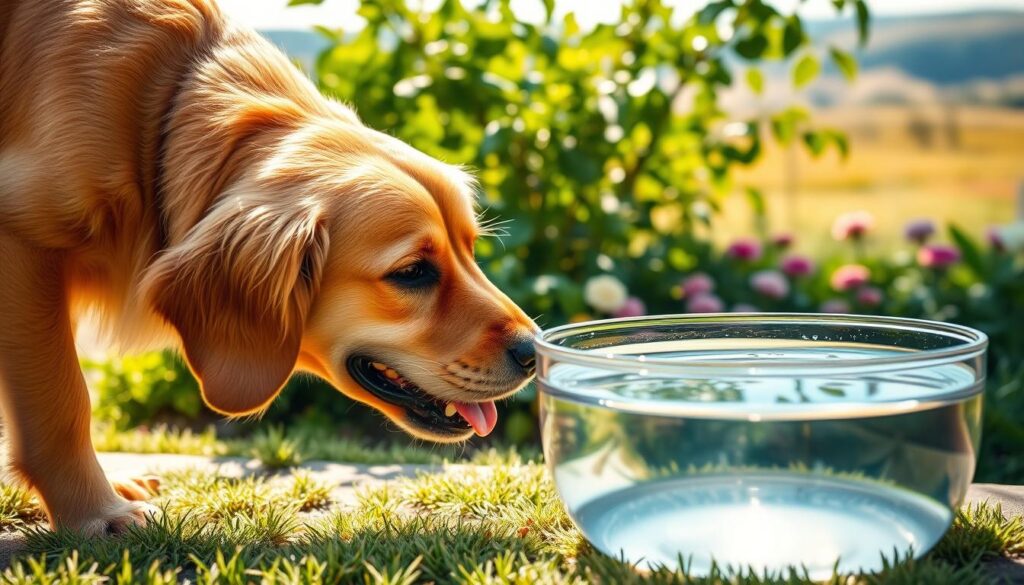
Hydration helps the skin make natural oils for a shiny coat. When a dog drinks enough water, their skin stays soft. This lets hair follicles grow strong and healthy.
Learn more about nutrition and hydration’s role in your pet’s skin and coat. Visit this guide on the importance of your pet’s skin and.
Without enough water, the skin gets dehydrated. This can cause flaking, itching, and a dull coat. A healthy coat for dogs needs fresh, clean water all day.
Signs of Dehydration in Dogs
It’s important to spot dehydration early. A simple test is to gently lift the skin over their shoulders. If it doesn’t snap back fast, your dog might be dehydrated. Always monitor your pet closely for these signs:
- Dry or sticky gums
- Loss of appetite
- Sunken eyes
- Excessive panting or lethargy
If you see these signs, make sure your dog has water right away. If the problem doesn’t go away, talk to your vet. Keeping your dog hydrated is crucial for a healthy coat for dogs and a happy life.
Seasonal Coat Changes and Their Impact
Seasonal changes can affect your pet’s hair density and texture. As the weather changes, your dog’s body adjusts to stay warm or cool. Keeping your dog’s coat healthy is key during these times.
How Weather Affects Your Dog’s Coat
Temperature changes impact your dog’s skin and hair. Breeds with thick coats can still get cold. It’s important to protect them when it’s very cold.
“A dog’s coat is its first line of defense against the elements, but even the thickest fur needs extra support during extreme winter weather.”
Use protective jackets for dogs in winter to prevent dry skin. In summer, keep them cool and hydrated. Regular care is essential for a healthy coat for dogs in any weather.
Managing Shedding in Different Seasons
Shedding gets worse in spring and autumn. Dogs shed to adapt to new weather. To manage this, adjust your grooming schedule with the seasons.
- Spring: Increase brushing to remove winter undercoat.
- Summer: Do light brushing to keep skin cool.
- Autumn: Remove dead hair for new growth.
- Winter: Regular grooming to avoid matting from heavy gear.
Consistent grooming supports hair growth. This effort keeps your dog’s coat healthy all year. A well-groomed pet is happier and more comfortable.
Common Myths About Dog Hair Care
It’s key to know the truth about healthy coat for dogs. Many owners follow old advice that can harm their pet’s skin. We think focusing on what’s best for your dog’s health is more important than looks.
Debunking Popular Misconceptions
Many believe dogs need daily baths to stay clean. But, too much washing can dry out their skin and make their coat brittle. Over-grooming can also mess with their natural skin balance.
Another myth is ignoring how stress affects a dog’s coat. Stress from life changes, like moving or new family members, can make a dog’s coat dull. When stressed, dogs might not use nutrients for their skin and hair, making it look bad.
Evidence-Based Hair Care Practices
We suggest focusing on your dog’s health inside out. A good diet is key for a shiny coat. Look for natural remedies for dog hair nourishment that include quality proteins and fats, not harsh chemicals.
Being consistent and paying attention to your dog’s reactions is crucial. Instead of following every trend, watch how your dog reacts to grooming and changes. By choosing evidence-based care, you help your dog keep a healthy, shiny coat all their life.
Environmental Factors Affecting Coat Health
Creating a safe haven for your pet is key to nourish dog’s fur well. Diet and grooming are important, but where your dog lives matters a lot. External factors can harm their coat’s natural oils and structure.
Living Conditions and Coat Quality
A clean, stress-free home is crucial for a healthy coat. Dogs in messy or dirty places are more likely to get parasites like fleas and ticks. These pests make their skin itch, leading to scratching and hair loss.
To nourish dog’s fur right, keep their bedding and living areas clean. Also, reduce stress at home. A calm place helps your dog stay healthy, with a shiny coat.
The Impact of Pollution on Dog Hair
Smoke, dust, and chemicals can harm your dog’s coat. They dry out the fur, making it brittle and dull. Regular baths help remove these harmful particles and nourish dog’s fur.
In polluted cities, clean your dog with a damp cloth after walks. This stops pollutants from getting into their skin and causing problems. Keeping your dog away from harsh elements helps their coat stay vibrant and healthy all year.
Maintaining a Regular Grooming Schedule
Keeping your dog’s coat in top shape is more than occasional care. It needs a steady routine. By sticking to dog grooming for healthy hair, you protect your dog from dirt and damage. This routine also helps catch skin problems early.
How Often Should You Groom Your Dog?
The right grooming schedule depends on your dog’s breed, coat, and lifestyle. Most dogs need a bath every month to stay clean. But, too much bathing can dry out their skin. Finding the right balance is key.
“Consistency is the bridge between goals and accomplishment.”
If your dog loves the outdoors, they might need more brushing. Brushing nourishes dog’s fur by spreading oils. For more tips, check out healthy dog fur resources.
Creating a Grooming Routine
Creating a routine makes grooming easier for both you and your dog. Divide tasks into daily, weekly, and monthly chores. This keeps things simple and ensures your dog gets the care they need.
- Daily: Quick brush to prevent tangles and remove loose hair.
- Weekly: Check ears, teeth, and paws for any signs of debris or infection.
- Monthly: A thorough bath and nail trim to maintain overall hygiene.
Every dog is different, so adjust the routine as needed. By focusing on dog grooming for healthy hair, you’re investing in your dog’s health and happiness. A clean coat shows a dog is loved and well-cared for.
Seeking Professional Help for Hair Issues
Knowing when your pet needs a vet is key to being a good pet owner. You can try to improve your dog’s fur with food and grooming. But, some problems need a doctor’s help.
Issues like constant itching, bald spots, or red skin are signs of bigger health issues.
When to Consult a Veterinarian
Hormonal problems can make your dog’s fur look bad. If your dog’s hair changes suddenly or falls out, see a vet. Early treatment can help your pet feel better and live longer.
Signs Your Dog May Need Professional Grooming
Professional groomers do more than just cut your dog’s hair. They’re good for pets with painful mats or special skin needs. They can spot problems like parasites or infections early.
Using the best supplements for dog’s coat with professional grooming keeps your pet healthy. Regular care makes your pet look and feel great for many years.