Did you know a dog’s skin is up to three times thinner than ours? This fact shows why pets are so sensitive to their environment and grooming. Keeping their coat healthy is key to their overall well-being.
Every dog owner should know the basics of canine fur treatment. This knowledge helps keep your pet comfortable. It also prevents painful matting, too much shedding, and skin problems that can bother them.
This guide will show you how to keep your dog looking great all year. By following a regular canine fur treatment routine, you help your pet stay healthy. Let’s discover how to achieve a soft, shiny, and healthy coat that you and your pet will love.
Key Takeaways
- Regular grooming sessions prevent painful matting and skin irritation.
- Healthy skin and coats start with a balanced diet and proper hydration.
- Consistent brushing helps distribute natural oils across the entire body.
- Early detection of skin issues saves your pet from unnecessary discomfort.
- Professional tools make home maintenance easier and more effective for owners.
Understanding Canine Fur and Skin Health
Learning about your pet’s coat is key to good canine fur treatment. We often see a dog’s look as just for show. But their skin and hair are complex, showing their health inside.
The Importance of a Healthy Coat
A dog’s coat is a protective barrier against dirt and harsh things. It also helps control their body temperature all year.
A healthy coat keeps dogs cool in summer and warm in winter. Keeping their fur health for dogs right means their natural defenses work well.
“The coat is the mirror of the dog’s health; a vibrant shine is the outward sign of an inward balance.”
Common Canine Skin Issues
Many owners face skin problems that bother their pets. These problems show up in different ways:
- Excessive shedding or thinning patches.
- Persistent itching or localized redness.
- Dull, brittle hair that lacks natural oils.
- Flaky skin or dandruff-like buildup.
Spotting these signs early helps avoid long-term discomfort. If your dog is scratching a lot, it’s time to check your grooming.
Factors Affecting Your Dog’s Fur
Many things affect your dog’s coat quality. Nutrition is important, but emotional health is often ignored.
Stress from big changes or new family members can harm their coat. An anxious dog might not take care of its skin, leading to dull or patchy fur.
Environmental pollutants and allergens also affect fur health for dogs. By watching these, we can help our pets stay happy and healthy.
Choosing the Right Fur Treatment Products
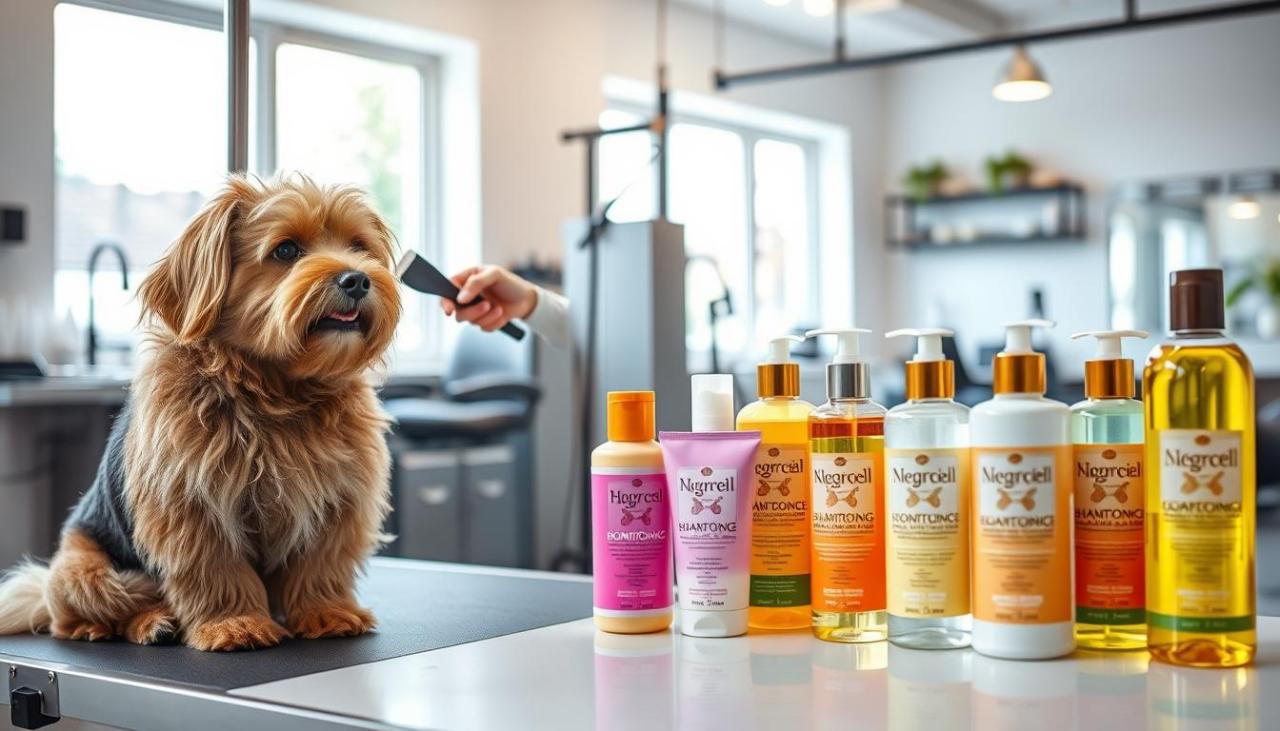
Starting your dog’s fur care journey means knowing about their shampoo. Many people use human shampoo on their pets, which can irritate their skin. Human skin and dog skin have different pH levels, making human soap too harsh.
Using the wrong soap can remove the natural oils that protect your dog’s coat and skin. By picking the best products for dog fur, you keep your pet comfortable and clean. This way, you don’t harm their natural defenses.
Natural vs. Commercial Products
When looking for grooming supplies, you’ll find many natural and commercial options. Natural products use plant-based cleansers that are gentle. Commercial shampoos might have synthetic fragrances or dyes that can cause allergies in dogs.
It’s best to choose products with gentle, non-toxic ingredients. Always check the label to make sure it’s made for dogs, not for cleaning the house.
Ingredients to Look For
Effective treatments have ingredients that soothe the skin and clean the hair. If your dog has dry skin or itches, look for these ingredients:
- Oatmeal: Great for calming irritated skin and keeping it moist.
- Aloe Vera: It cools the skin and helps heal small cuts.
- Coconut or Jojoba Oil: These oils make the coat shiny and soft.
Recommended Brands for Canine Fur Treatment
Finding the right brand can be tough, but some stand out for their quality and safety. These brands focus on making the best products for dog fur without harsh chemicals or sulfates.
Here are some trusted brands for your dog’s grooming:
- Earthbath: They offer all-natural, biodegradable shampoos safe for all ages.
- Burt’s Bees for Dogs: They have pH-balanced shampoos with honey and beeswax for extra moisture.
- TropiClean: They have special treatments for shedding and improving coat texture.
Essential Grooming Tips for Healthy Fur
Regular care is key to a dog’s soft, shiny coat. A consistent routine helps manage shedding and keeps your pet comfy all year. By following professional grooming tips, your dog will stay happy and clean.
Regular Brushing Techniques
Brushing is crucial for dog fur care. Short-haired dogs need brushing once a week to remove loose hair and spread oils. Long-haired dogs need more, brushing two or three times a week.
For long-haired breeds, brush from the bottom up. This gentle approach avoids pulling and reaches the undercoat. The right brush makes grooming easier.
Bathing Guidelines
Keeping your dog clean is vital, but don’t overdo it. Over-bathing can dry out their skin and coat. Bathe only when they’re dirty or smell strongly.
Use pet shampoo to keep their skin balanced. Rinse well to avoid irritation. Dry them properly to prevent skin problems.
Dealing with Matting and Tangles
Mats can be painful if not treated. Check daily for tangles in areas like ears, legs, and tail. Use detangling spray and a wide-tooth comb for small tangles.
Don’t cut out tight mats with scissors. It can hurt your dog. If it’s too tight, see a professional groomer. Regular grooming prevents these problems.
| Coat Type | Brushing Frequency | Recommended Tool |
|---|---|---|
| Short/Smooth | Weekly | Rubber Curry Brush |
| Medium/Double | Twice Weekly | Undercoat Rake |
| Long/Silky | Daily | Slicker Brush/Comb |
| Curly/Wire | 3-4 Times Weekly | Pin Brush |
Nutrition and Its Impact on Fur Quality
Your dog’s health shows in their coat. While grooming is key, a good diet is essential. It helps grow strong hair and healthy skin.
Key Nutrients for a Shiny Coat
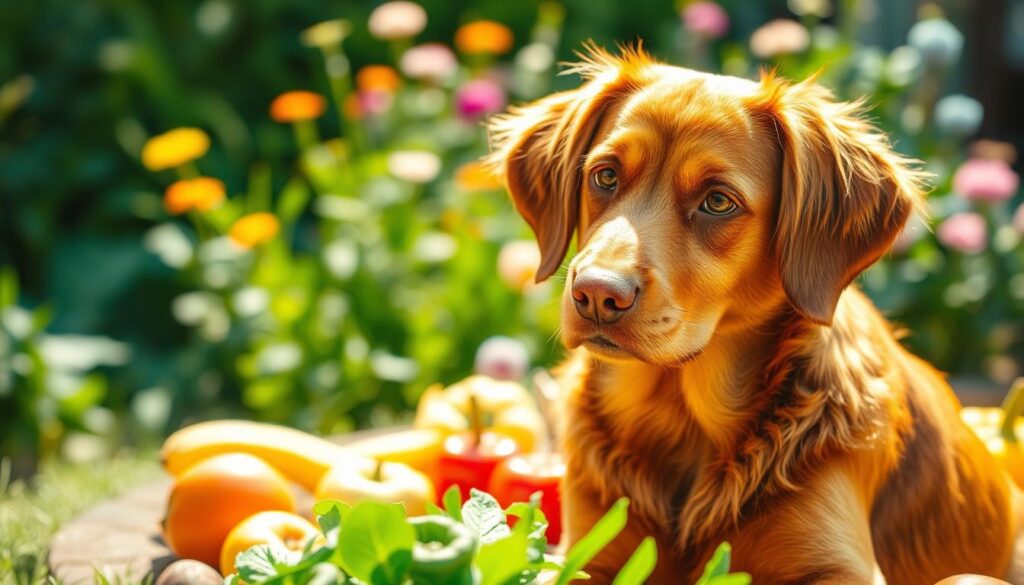
Your dog needs proteins, fats, and vitamins for a shiny coat. Omega-3 fatty acids are crucial. They fight inflammation and keep skin moist.
Zinc and Vitamin E are also important. Zinc controls oil, and Vitamin E protects skin cells. These nutrients are vital for a healthy coat.
Best Dog Food for Fur Health
Good food makes a big difference. 71% of Freshpet pet parents saw shinier coats and healthier skin. Whole-food ingredients fuel a glossy coat.
Look for food with high-quality proteins first. Avoid fillers and additives to prevent dull fur.
Supplements to Consider
Even great food might need extra help. A shiny coat oil for dogs can fill gaps. It’s great for dogs with dry skin or stress.
| Nutrient | Primary Benefit | Food Source |
|---|---|---|
| Omega-3s | Reduces inflammation | Salmon and Fish Oil |
| Zinc | Supports skin repair | Beef and Poultry |
| Vitamin E | Protects skin cells | Vegetable Oils |
| Protein | Builds hair structure | Chicken and Lamb |
Identifying Fur Problems Early
Your dog’s coat is like a mirror for their health and feelings. By watching for small changes, you can keep your dog happy and healthy all year.
Signs of Fur Health Issues
Physical signs often show when something is wrong. Look for signs like too much scratching, constant dandruff, or red spots that won’t go away.
Changes in your dog’s life, like moving or getting a new family member, can affect their coat. Stress can make their skin sensitive or irritated.
“The health of a dog’s skin is a direct reflection of their overall well-being and internal balance.”
Regular Check-Ups with Your Vet
While grooming is key, it’s not a substitute for a vet’s advice. Regular vet visits are crucial to catch problems early.
At these visits, your vet can check your dog’s skin thoroughly. This early check-up helps catch and treat issues quickly.
FAQs About Canine Skin Conditions
Many owners wonder about the best grooming practices. Here are answers to common questions to help keep your dog healthy:
- How often should I check my dog’s skin? Check their skin during every brushing session.
- Can diet cause skin issues? Yes, not getting enough nutrients can lead to dry or brittle fur.
- When is a vet visit necessary? Go to the vet if you see open sores, bad smells, or hair loss that lasts more than a few days.
Seasonal Care for Your Dog’s Fur
Seasons change and so do the challenges for your dog’s coat. Keeping up with fur maintenance for dogs is key to your pet’s comfort. Adjusting your grooming to the weather can stop many coat and skin problems early.
Caring for Fur in Winter
Cold weather makes hair dry and brittle. Even dogs with thick coats need extra protection from wet and cold. Proper layering keeps them warm and prevents dry skin.
Always check your dog’s paws and fur after snowy walks. Salt and ice-melting chemicals can harm their skin. Regular cleaning is crucial in winter.
Managing Shedding in Spring
When it gets warmer, dogs shed their thick winter coats. Brushing more often helps remove loose hair and prevents mats. Fur maintenance for dogs in spring keeps your home clean and your dog’s skin healthy.
Using a good de-shedding tool makes grooming easier. Regular grooming sessions also help spot skin issues hidden under the winter coat.
Protecting Skin During Summer
Summer increases the risk of sunburn for dogs with light fur or thin coats. Limit sun exposure and use pet-safe sunscreen on sensitive areas. Protecting the skin from UV rays is as important as keeping the coat clean.
Heat and humidity can cause hot spots and bacterial growth if fur stays damp. Always dry your dog well after swimming or baths to keep their skin healthy and free from irritation in the warmer months.
Home Remedies for Common Fur Issues
Minor skin irritation in dogs can be treated with simple home remedies. We think that fur maintenance for dogs is about knowing what they need. Washing your dog too much can remove important oils. This can cause dry skin and painful mats.
DIY Treatments for Dry Skin
Coconut oil is great for dogs with dry skin. A little bit rubbed into the skin can hydrate and soothe. It’s a top natural fur treatment for canines because it’s safe if they lick it.
Another good option is oatmeal paste. Make it by grinding oats and mixing with warm water. Apply it to dry spots for ten minutes before rinsing.
Soothing Baths for Irritated Fur
A soothing bath can help with skin redness. Add a bit of baking soda to lukewarm water to balance the skin’s pH. This can calm inflammation and stop scratching.
For bacterial or yeast irritation, try a diluted apple cider vinegar rinse. Make sure it’s very diluted to avoid stinging. If the skin is broken or very inflamed, don’t bathe and see a vet.
Herbal Remedies for Itchy Skin
Herbal teas like chamomile or green tea can soothe itchy skin. Cool the tea, then use a cloth to apply it to your dog’s skin. These natural fur treatments for canines offer a cooling relief.
Using these remedies regularly is important. But if they don’t work in a few days, you should get professional help. Persistent itching could mean an allergy or infection that needs a vet’s care.
| Remedy | Primary Benefit | Best For |
|---|---|---|
| Coconut Oil | Deep Hydration | Dry, Flaky Skin |
| Oatmeal Paste | Calming Barrier | Itchy, Red Patches |
| Chamomile Tea | Cooling Relief | Inflamed Skin |
| Baking Soda | pH Balancing | General Irritation |
Professional Services for Fur Treatment
Knowing when to switch from DIY grooming to professional help is crucial. While we can do many things at home, some tasks need a pro’s touch. Professional intervention keeps your dog comfy and healthy all their life.
Choosing a Groomer
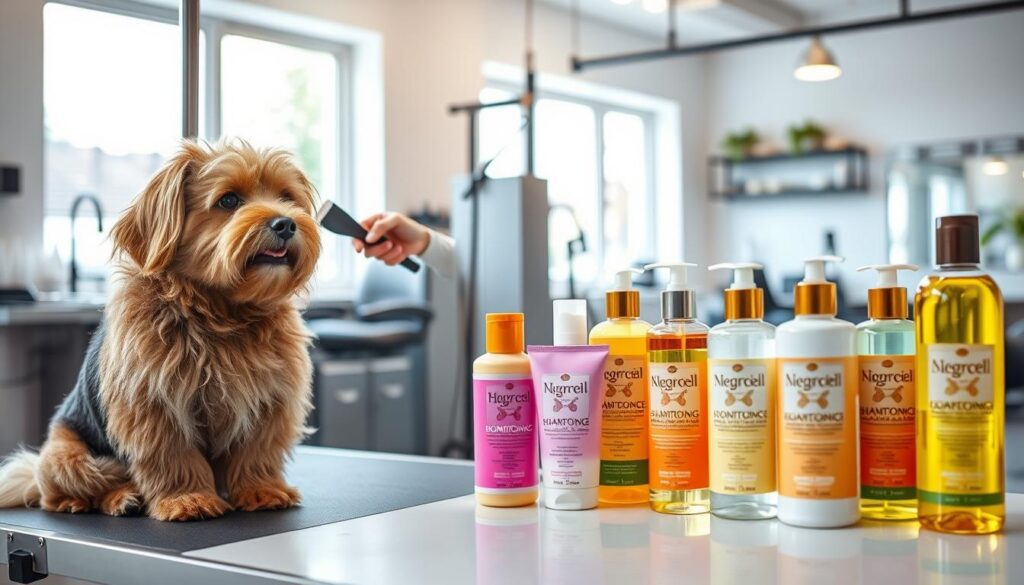
Finding the right groomer is more than just looking for a nearby shop. Look for someone with experience in your dog’s breed and coat type. A good groomer knows the special needs of different breeds.
Make sure they are certified and follow safety rules. Building a relationship with a groomer helps them notice changes in your dog’s health. This is key for catching problems early.
What to Expect from Professional Treatments
Professional groomers have tools and skills you might not have at home. They can handle tough matting that’s hard to deal with yourself. They use the best products for dog fur to clean and condition the coat, making it shine.
At a session, they’ll check your dog’s skin health. They use special dryers and brushes to remove undercoat. Using the best products for dog fur, they keep the skin moist and irritation-free.
When to Seek Vet Assistance
It’s key to know when grooming is just routine and when it’s a health issue. If you see redness, bad smells, or hair loss, see a vet. These signs often mean there’s a bigger health problem.
Professional groomers can spot these signs during grooming. If they say you need a vet, listen. Your vet can figure out what’s wrong and fix it.
Conclusion: Caring for Your Dog’s Coat
To get a shiny and healthy coat, you need to commit to daily care. Consistency is key for long-term grooming success. By mixing good nutrition with a regular routine, you give your pet the best care.
Key Elements of a Consistent Routine
Good grooming is more than just brushing sometimes. It’s about feeding your dog high-quality proteins and omega-3s for skin health. Using natural fur treatments for canines keeps their coat moist and protects from the environment. Tools like the Welltayl Coat Wash + Conditioner make grooming easy for all breeds.
Proactive Care for Lasting Vitality
Watching your dog for changes helps catch problems early. Look for signs of shedding or skin issues during grooming. Using natural fur treatments keeps your dog comfy all year. A soft coat shows the love and care you give your pet every day.