Did you know that nearly 70% of skin-related vet visits come from bad grooming? Your dog’s fur is a key to their health. By focusing on dog coat maintenance, we do more than just make them look good.
Regular grooming is like a vital shield against painful mats and hidden infections. Spending a few minutes each week on these tasks keeps your pet comfy and lively. We think making your pet happy should be easy and stress-free for all.
Our guide offers easy steps to make dog coat maintenance simpler. We aim to help you become a pro at keeping your pet in top shape every day.
Key Takeaways
- Regular grooming is a key sign of your pet’s health.
- Consistent care stops painful mats and lowers skin infection risks.
- Simple, routine habits are easy for busy owners to follow.
- Good fur care boosts your pet’s daily comfort.
- We give you clear steps to make grooming easier.
Understanding Your Dog’s Coat Type
Knowing your dog’s coat type is key to good grooming. Each dog has its own special traits that tell us how to care for their skin and fur. By learning these basics, you can use dog grooming tips to keep your pet happy and healthy all year.
Different Types of Dog Coats
Dogs come in many breeds, each with its own coat. Knowing these types helps you pick the best way to care for your dog’s hair and skin.
- Silky Coats: These are long, fine, and get tangled easily, needing daily care.
- Curly Coats: Found in poodles, these coats catch dirt and need regular clipping.
- Double Coats: Have a soft undercoat and a coarser outer layer, keeping warm.
- Wire Coats: These have a rough texture that needs hand-stripping to stay healthy.
Recognizing Coat Needs
After figuring out the coat type, you need to choose the right tools. The wrong brush can hurt or irritate a delicate coat. Check your dog’s fur density and length before grooming.
Consistency is key in meeting these needs. Watch how your dog reacts to different brushes to improve your grooming. Proper identification ensures you’re not just cleaning the surface but also promoting healthy skin circulation.
Seasonal Considerations
Your grooming routine should change with the seasons. In warmer months, double-coated breeds shed a lot, needing more brushing to avoid mats. In winter, they need extra protection to keep their skin from drying out.
Adjusting your dog grooming tips for the season helps avoid problems like hot spots or dry skin. Always watch how your dog’s coat reacts to changes in weather. Being proactive helps solve issues before they get out of hand.
Importance of Regular Brushing
We think regular grooming is key to a happy, healthy dog. It keeps them comfortable and their fur looking great.
Benefits of Brushing
Brushing is the heart of coat care. It spreads natural oils, giving a healthy shine and preventing dryness.
It also removes dirt and loose fur before they cause trouble. These moments are great for bonding with our dogs. We can also check for any health issues.
“Grooming is not just about appearance; it is a vital health check that strengthens the bond between a human and their canine companion.”
Choosing the Right Brush
Picking the right dog grooming tools is crucial. Each coat type needs a specific brush for safe and effective grooming.
A slicker brush is great for long hair, while a soft bristle brush suits short, sleek coats. The wrong brush can hurt or damage your dog’s skin. Always research what your breed needs.
| Brush Type | Best For | Primary Function |
|---|---|---|
| Slicker Brush | Long or curly hair | Removing mats and tangles |
| Bristle Brush | Short, smooth coats | Distributing oils and shine |
| Undercoat Rake | Double-coated breeds | Removing loose undercoat |
How Often to Brush
Setting a regular coat brushing frequency prevents painful knots. Short, frequent brushes are better than long, rare ones.
Most dogs need a quick brush three times a week. But dogs with thick or long coats might need daily brushing to keep their fur healthy and easy to manage.
Bathing Your Dog: A Necessity
Bathing is more than just a chore; it’s key to keeping your dog clean. Regular grooming not only removes dirt but also helps spot skin problems. Learn more about the benefits of bathing your dog to give them the best care.
When to Bathe Your Dog
How often to bathe your dog depends on their breed, how active they are, and their lifestyle. Most dogs don’t need a bath every day. Over-bathing can remove natural oils that keep their skin healthy. Dogs that spend a lot of time outside might need baths more often than those that stay indoors.
Look for signs that your dog needs a bath, like a strong smell or visible dirt. Consistency is key, but don’t bathe them so much that their skin gets dry or irritated.
Selecting the Right Shampoo
Choosing the right shampoo is crucial for your dog’s skin health. Human shampoos are too acidic for dogs, so use pet-specific formulas. Coat conditioner products help detangle fur and add moisture after a bath.
If your dog has sensitive skin, choose hypoallergenic shampoos that avoid harsh chemicals. The right coat conditioner products keep your dog’s fur soft and easy to manage between baths.
Proper Bathing Techniques
Begin by wetting your dog’s coat with lukewarm water, making sure to get the skin. Apply shampoo gently, working it into a lather but avoiding the eyes and ears. For breeds with facial folds, like Pugs, use a damp cloth to clean these areas carefully to avoid moisture buildup.
Rinsing is crucial. You must remove all soap to prevent skin irritation. Leftover soap can cause itching. After rinsing, dry your dog thoroughly to keep them warm and comfortable.
Drying Techniques for Dog Coats
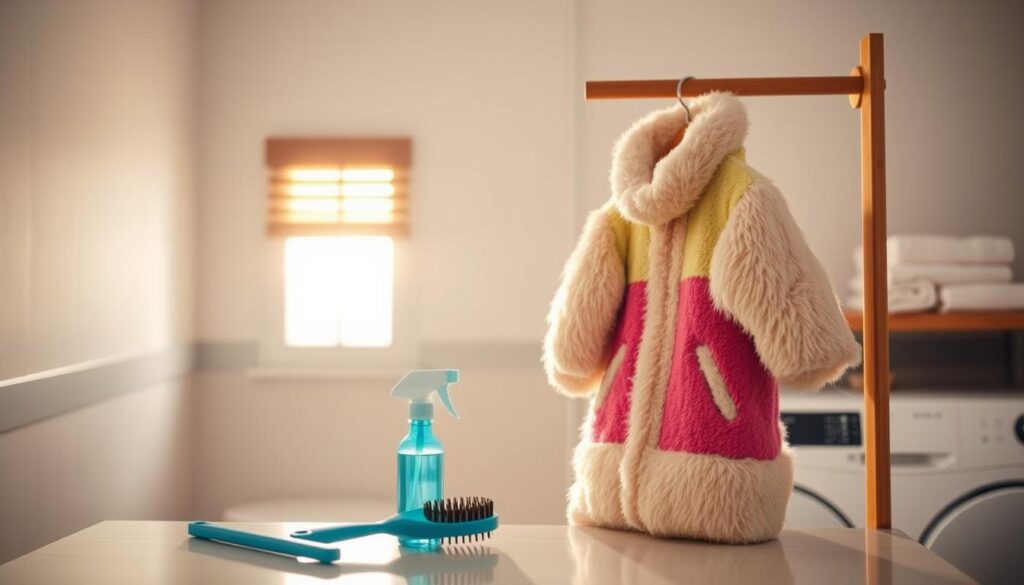
Proper drying is key to avoid damp odors and skin infections. Many owners focus on shampoo but forget the drying steps. Ensuring your dog is thoroughly dry is crucial for skin health.
Air Drying vs. Towel Drying
Air drying is simple but not always best for all breeds. It can leave thick coats damp, causing irritation. Towel drying quickly removes water.
Use microfiber towels to absorb moisture. Gently pat the coat to avoid tangling. This is great for short-haired breeds.
Using a Blow Dryer Safely
Using a blow dryer requires caution. Always use a pet dryer, as human dryers can burn your dog’s skin. Keep the dryer on a low or cool setting always.
Keep the dryer six to eight inches away from your dog’s skin. Move the nozzle to avoid overheating. Focus on skin folds and toes where moisture hides.
Keeping Your Dog Comfortable
Drying can stress some pets due to noise and air. Introduce the dryer slowly to build confidence. Offering treats and praise makes grooming positive.
If your dog seems anxious, take a break. A calm environment makes grooming easier. Consistency helps your pet feel secure.
| Method | Best For | Effort Level | Safety Rating |
|---|---|---|---|
| Air Drying | Short-haired breeds | Low | High |
| Towel Drying | All breeds | Medium | High |
| Blow Drying | Thick/Double coats | High | Moderate |
Dealing with Shedding
Knowing how to manage shedding season is key. Shedding is normal, but it can make our homes messy. The right dog shedding solutions help keep our homes clean and support our pet’s coat.
Understanding Shedding Cycles
Dogs shed all year, but more in certain seasons. Changes in daylight and temperature make them shed old hair for new. Indoor living can make shedding happen all the time, not just in seasons.
Things like breed, diet, and health affect how much hair your dog sheds. Consistent grooming helps track these cycles. Sudden hair loss might mean a health problem, not just a season change.
Tools for Managing Shedding
Choosing the right tools is crucial for pet hair removal techniques. Not all brushes work for every dog. Having different tools helps remove fur before it settles on furniture.
- Deshedding tools: These tools get to the undercoat and remove loose hair before it sheds.
- Slicker brushes: Great for detangling and removing debris from long or curly coats.
- Grooming gloves: A gentle option for dogs that are sensitive to traditional brushes.
Cleaning Up After Shedding
Even with good grooming, some hair will still fall on floors and furniture. Using pet hair removal techniques saves time, mainly in peak seasons. Focus on areas where your dog spends a lot of time.
Here are some dog shedding solutions to keep your home clean:
- Use rubber-bristled brooms to pull hair out of carpets and rugs.
- Apply washable furniture covers to protect your sofa and chairs.
- Run a high-quality air purifier to capture airborne dander and loose fur.
Regular cleaning stops hair from building up in corners and vents. Being proactive keeps our homes comfortable for us and our pets.
Grooming Basics: Trimming and Shaping
Learning to trim and shape your pet’s fur is a big step. Brushing gets rid of loose fur, but trimming keeps sensitive spots clean. Regular grooming stops painful mats and keeps your pet moving freely.
When to Trim Your Dog’s Coat
It’s important to know when to use the scissors. Trim your dog when their eye fur blocks their view or when paw hair mats. Regular checks prevent fur from trapping dirt and causing infections.
If your dog slips on smooth floors, their paw fur needs trimming. Keep a regular schedule to avoid unmanageable fur. If you’re unsure, a professional groomer can help avoid accidents.
Tools You Need for Trimming
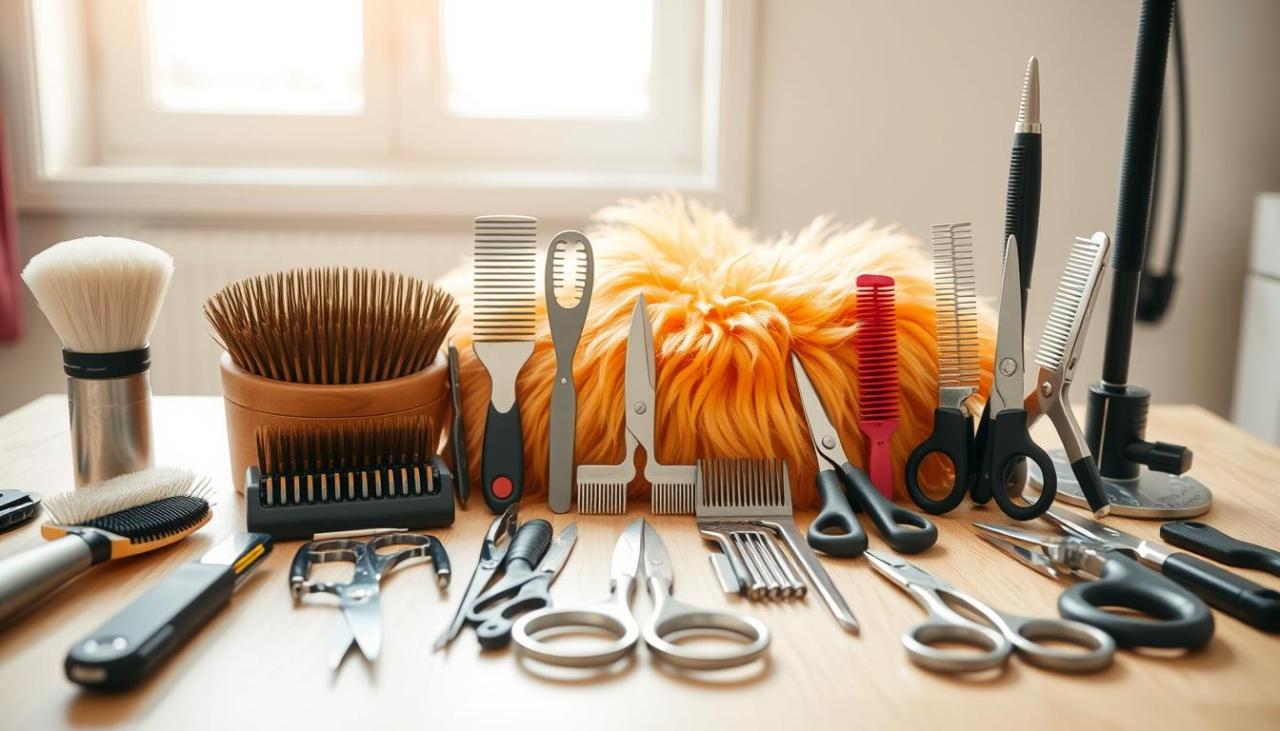
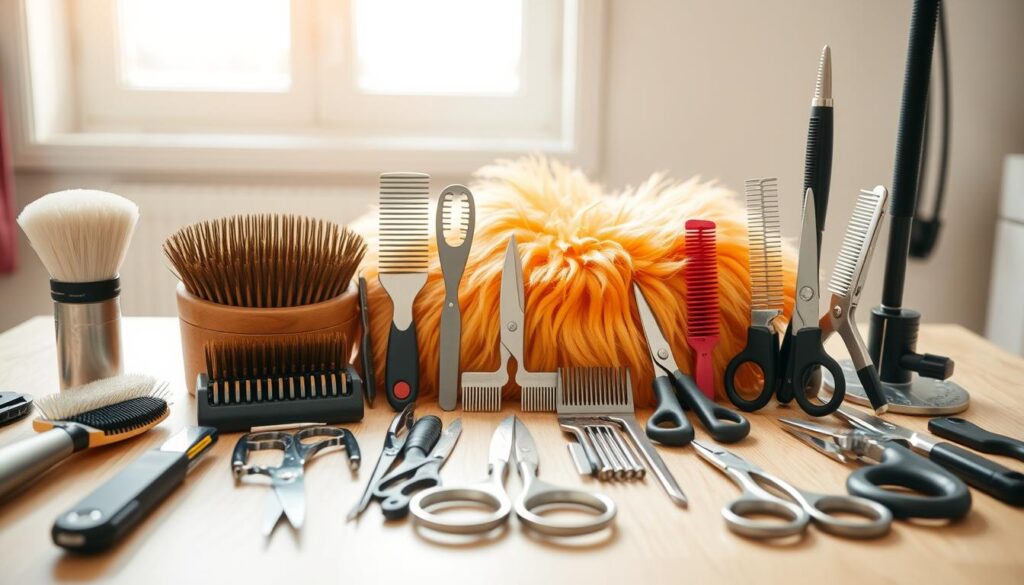
Having the right dog grooming tools is crucial. You’ll need blunt-nosed safety shears for the face and electric clippers for the body. A metal comb helps lift hair before cutting.
Quality tools prevent pulling and ensure a smooth cut. Investing in good gear is a key dog grooming tip for success.
Tips for a Successful Grooming Session
Keep your dog calm for a stress-free grooming session. Introduce them to the clippers while they’re relaxed, with treats as rewards. Patience is key when grooming.
Work in short bursts to avoid overwhelming your dog. If they get restless, take a break. These dog grooming tips will help you and your dog stay happy.
Protecting Your Dog’s Coat
Keeping your dog’s coat healthy and shiny means watching out for hidden dangers. Grooming is key, but we also need to think about how the environment affects their skin and fur. Proactive care helps keep your dog comfortable and safe all year.
Natural Elements to Avoid
Nature is wonderful, but some things can harm your dog’s coat. Too much sun can dry out their skin and make their fur brittle. Try to keep them inside during the hottest part of the day to avoid heat damage.
Also, watch out for things like burrs, foxtails, and sticky sap. These can get stuck in their fur and cause pain if not taken out right away. Always check your dog’s fur after they’ve been outside to keep them free from these natural irritants.
Choosing Appropriate Dog Attire
Sweaters and harnesses are great, but they can sometimes cause problems. Clothes that are too tight can rub against their fur and cause mats. Choose soft, breathable fabrics and make sure everything fits right without being too tight.
“The secret to a healthy coat is not just what you put on it, but how you manage the gear that touches it every single day.”
If your dog wears a harness, take it off when they’re inside. This lets their skin breathe and prevents mats from forming. Always check the areas covered by clothes or gear to keep their coat healthy.
Regular Checks for External Parasites
Parasites like fleas and ticks are more than a nuisance. They can make your dog’s skin very irritated and damage their coat. Always check them after they’ve been outside to catch these pests early. Look around their ears, between their toes, and under their collar where parasites like to hide.
| Hazard Type | Potential Impact | Prevention Strategy |
|---|---|---|
| Ticks | Skin infection | Daily physical inspection |
| Fleas | Excessive scratching | Veterinary-approved preventatives |
| Harsh Chemicals | Dry, brittle fur | Rinse after park visits |
By keeping a close eye on your dog, we can catch problems early. This way, they can keep their vibrant and healthy coat for many years.
Grooming Products for Optimal Care
Getting the right grooming gear can make home care feel like a pro session. The market offers many options, which can be overwhelming. Choosing quality supplies keeps your dog comfy and healthy.
Recommended Shampoos and Conditioners
Choosing the right shampoo is key for your dog’s skin health. Look for pH-balanced formulas without harsh chemicals or artificial scents. For dry or brittle coats, use coat conditioner products to add moisture and shine.
Always check the ingredients before buying. Natural items like oatmeal, aloe vera, and coconut oil are great for sensitive skin. They clean gently and keep fur soft and easy to manage.
Effective Anti-Flea Products
Keeping your pet flea-free is crucial. Talk to your vet to find the best flea treatment for your dog’s size and health. Topical and oral treatments are usually better than shampoos for lasting protection.
If you see fleas, act fast to stop them from spreading. Use professional treatments and wash your dog regularly. Always follow the product’s instructions to keep your pet safe.
Brush and Grooming Tool Recommendations
The right dog grooming tools make grooming easier. Build a kit that fits your dog’s breed, whether they have long, curly, or short hair. Use the right pet hair removal techniques with brushes and combs for your dog’s coat.
For a complete grooming kit, add these essentials:
- Slicker brushes for removing tangles and loose fur.
- Metal combs to reach deep into the undercoat.
- Rubber curry brushes for short-haired breeds to massage the skin.
- De-shedding tools to manage heavy seasonal shedding effectively.
Regular use of these dog grooming tools prevents matting and keeps your dog looking great. Start with a few quality tools and add more as you get better at grooming.
Monitoring Your Dog’s Skin Health
We often focus on the coat, but the skin underneath tells a much deeper story about your dog’s internal health. Keeping your dog’s skin healthy is key. It helps you catch health problems early.
Signs of Skin Issues
Regularly check your dog for early signs of trouble. Look for redness, bumps, or dry, flaky skin. An unusual smell from their coat can mean a bacterial or yeast infection.
Watch your dog’s behavior too. Excessive scratching, licking, or biting can mean they’re uncomfortable. Sudden hair loss or thinning patches are also warning signs.
When to Consult a Veterinarian
Minor dryness might get better with simple changes. But, some symptoms need veterinary care. Open sores, bleeding, or discharge mean deep infections.
If your dog is tired, not eating, or has a fever with skin issues, get help fast. Persistent itching that keeps them awake or stops them from playing also needs a vet’s check.
Home Remedies vs. Professional Care
Many wonder when to treat at home versus when to see a vet. Mild skin irritation from allergies or dry air might get better with oatmeal baths or moisturizers. But, only for minor, non-infected issues.
Don’t try to fix deep wounds or suspect parasites at home. They need veterinary care to avoid serious problems. The right medication, like antibiotics or antifungals, is crucial. Getting advice from a vet helps keep your dog healthy long-term.
Seasonal Coat Maintenance Tips
Seasonal changes mean it’s time to update your dog’s grooming routine. By sticking to dog grooming tips, your pet will stay comfortable all year. Adjusting your grooming schedule helps avoid problems caused by extreme weather.
Preparing for Winter
Winter air can dry out your dog’s skin, causing irritation. Use a moisturizing shampoo in cold months to keep their skin healthy. Also, check their paw pads often for cracks from ice or salt.
Brushing is crucial when dogs spend more time inside. Regular grooming spreads natural oils, keeping their coat shiny. Consistent care also stops matting when they wear sweaters or coats.
Summer Coat Care Strategies
In warmer months, focus on preventing parasites and managing heat. Use dog shedding solutions to remove the thick undercoat that traps heat. A clean, brushed coat allows for better air flow.
Always check for ticks and fleas after outdoor trips. Early detection is key to protecting your pet from parasites. Make sure they have plenty of fresh water and shade.
Rainy Season Precautions
Keeping your dog dry is crucial in wet weather to avoid skin infections and bad smells. Effective shedding season management means drying them well after walks. Keep a microfiber towel by the door for quick drying.
If your dog gets wet, dry the coat base near the skin. Trapped moisture can cause hot spots or fungal infections. Regular maintenance during rainy weather keeps your home clean and your dog happy.
| Season | Primary Focus | Key Action |
|---|---|---|
| Winter | Skin Hydration | Use moisturizing shampoo |
| Summer | Parasite Control | Daily tick checks |
| Rainy | Moisture Removal | Thorough towel drying |
Creating a Routine for Coat Maintenance
Consistency is key for a healthy pet. A regular grooming schedule turns grooming into a special time for you and your dog.
Mastering Your Weekly Schedule
Set aside specific days for grooming to keep it simple. A calendar reminder helps you remember to brush your dog’s coat. This keeps your pet comfortable all year.
Engaging Your Pet with Positivity
Use treats like Zuke’s Mini Naturals to reward calm behavior. Being patient helps your dog see grooming as a positive thing. Keep grooming sessions short to keep your pet interested.
Distributing Tasks Among Family Members
Sharing grooming duties makes it easier for everyone. Assign tasks like brushing, bathing, or checking for skin issues to different family members. This way, your dog gets consistent care and everyone bonds with your pet.