Did you know nearly 30% of vet visits are about skin problems? A shiny coat shows your pet is healthy inside and out.
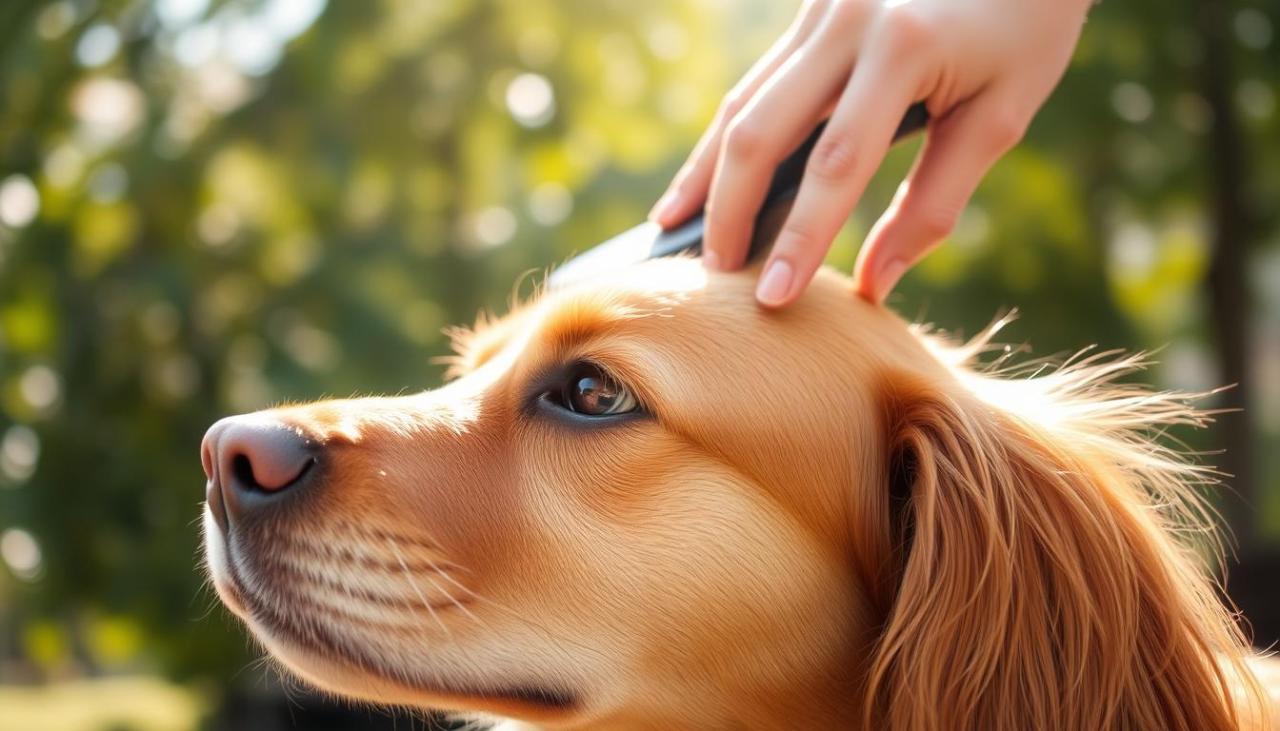
We think regular grooming is key to keeping your pet healthy. Good food and care make them feel and look great.
Our guide offers top tips to keep your dog‘s coat shiny. These steps help keep their fur and health top-notch for years.
Key Takeaways
- A shiny coat is a direct reflection of your pet’s internal wellness.
- Consistent grooming routines prevent common skin issues before they start.
- Proper nutrition plays a vital role in maintaining a lustrous appearance.
- Regular check-ups help identify underlying problems early.
- Expert care strategies ensure your companion stays comfortable and vibrant.
Importance of Dog Fur Health for Overall Well-Being
We often overlook the fact that a dog’s fur is a key indicator of their health. When we focus on dog fur health, we’re not just looking at their looks. We’re checking on the internal systems that keep them healthy.
The skin reflects a dog’s emotional state, so stress can show in their coat. Big changes, like moving or new family members, can make their coat look dull. Noticing these changes is the first step to caring for them.
How a Healthy Coat Reflects Your Dog’s Health
A shiny coat usually means your dog is eating well and drinking enough water. When they get the right nutrients, they can focus on keeping their skin and hair healthy.
“The state of a dog’s coat is a mirror reflecting the quality of their nutrition and their internal harmony.”
A healthy coat also shows that your dog is not stressed. Dogs with stable routines and low stress levels tend to have better dog fur health than those who are always anxious.
Signs of Poor Fur Health to Watch For
It’s important to watch for physical signs that your pet might be sick. If you see changes in their fur, it’s time to check things out.
Look out for these signs of poor coat health:
- Dandruff or flaking: Often a sign of dry skin or nutritional deficiencies.
- Redness or inflammation: These patches may indicate allergies or skin infections.
- Excessive dullness: A loss of natural shine can point to poor diet or systemic illness.
- Bald spots: These areas often suggest parasites or hormonal imbalances.
By watching for these signs, we can help our pets feel better. Keeping dog fur health in check is a journey that rewards us with a happy, lively pet.
Factors Influencing Dog Fur Health
Your dog’s fur shows what’s happening inside and outside their world. Many owners just focus on grooming, but real health comes from within and from their surroundings. Knowing these factors is key for good pet hair care.
Nutrition’s Role in Fur Quality
A shiny coat starts with what your dog eats. Bad dog food can make their fur dull and matted. Nutrient deficiencies stop the body from making the oils for a healthy shine.
“A dog’s skin and coat are the largest organs of the body, and they require high-quality fuel to function at their peak.”
Genetic Predispositions in Different Breeds
Every dog breed has its own hair needs. Some have thick coats that keep warm and catch dirt, while others have thin coats that need less coat maintenance. Knowing your dog’s breed helps you groom them right.
Environmental Factors Affecting Coat Condition
Things like dirt, pollen, and weather changes affect your dog’s fur. Regularly getting dirty means you need to groom them often. Knowing this helps you keep up with grooming.
| Factor | Impact on Fur | Management Strategy |
|---|---|---|
| Nutrition | Texture and Shine | High-quality diet |
| Genetics | Growth and Density | Breed-specific grooming |
| Environment | Cleanliness and Health | Regular brushing |
| Hydration | Skin Elasticity | Fresh water access |
Keeping these factors in balance makes your dog happy and healthy. A good pet hair care plan stops problems before they start. Taking care of your dog’s coat maintenance now means they’ll look great later.
Essential Nutrients for a Shiny Coat
A vibrant coat starts with the right nutrients in your dog’s meals. A healthy coat diet improves fur texture and shine. Knowing the importance of your pet’s skin and coat is key to their health.
Importance of Omega Fatty Acids
Omega-3 and Omega-6 fatty acids are essential for strong skin. They reduce inflammation and make your dog’s fur shine. But, be careful with fur health supplements.
Too much can cause nausea or upset stomach. Always talk to a vet before adding oils. A balanced diet is best for your pet’s health.
The Role of Vitamins and Minerals
Vitamins and minerals like Zinc, Vitamin A, and Vitamin E are crucial. They help repair skin and support hair follicles. A healthy coat diet with these nutrients keeps hair shiny and strong.
Choose high-quality foods with these nutrients. If needed, your vet can suggest fur health supplements. Regular intake keeps skin and coat healthy.
Hydration and Its Impact on Fur
Water is vital for skin care. It keeps skin elastic and prevents dryness. When your dog drinks enough water, their skin stays healthy, making their coat shine.
Make sure your dog always has clean water. Dehydration can make their coat dull or coarse, even with good nutrition. Keeping them hydrated is a simple way to support their skin health.
Grooming Practices for Healthy Fur
Having a regular grooming routine is key to a dog’s beautiful coat. Spending time on your pet’s care stops painful tangles and keeps their skin happy. These grooming tips for dogs help you create a lasting habit that’s good for both you and your pet.

Brushing Techniques for Different Coat Types
Dogs with long hair need daily brushing to avoid mats. Use a slicker brush or metal comb to remove loose hair.
Short-haired dogs also need regular grooming. Brushing them helps spread natural oils, keeping their coat shiny and healthy all year.
Bathing – How Often and What Products to Use
Many wonder how often to bathe their dogs. Usually, once or twice a month is enough to keep them clean. Washing too much can remove the oils that protect their skin and fur.
Always pick a good dog shampoo. Human shampoo can irritate or dry out a dog’s skin. Consistency in your grooming products keeps your dog comfortable.
The Importance of Regular Check-Ups
Grooming is a great time to check your dog’s health. Look for any unusual lumps or redness while brushing or bathing. Early detection is key to a good canine skin care routine.
If your dog scratches a lot or loses hair, get professional help. Your grooming efforts help protect your dog’s health. Regular observation is the best way to keep your pet happy and healthy.
Common Skin and Coat Issues
Dogs can face skin and coat problems, even with good care. Spotting these issues early is essential. It helps prevent damage to your dog’s skin and keeps their coat healthy.
Allergies and Their Impact on Fur Health
Allergies often cause poor coat condition. Environmental or food allergies make a dog’s skin inflamed and itchy.
This itchiness leads to a lot of scratching, licking, and biting. These actions can cause hair loss, thin fur, and even skin infections that need vet care.
“The skin is the largest organ of the body, and its health is a direct reflection of your pet’s internal well-being.”
Parasites That Affect Dog Fur
Fleas and ticks are more than a nuisance; they harm your dog’s fur. They cause intense irritation, making your dog scratch and bite a lot.
This scratching can break hair shafts and cause raw, irritated skin. Protecting your pet from these pests is key to a smooth, undamaged coat.
Seasonal Shedding and How to Manage It
As the weather changes, you’ll see more loose hair at home. This is the shedding season, where dogs shed their old coat for new growth.
You can’t stop shedding, but you can manage it. Regular brushing during peak shedding helps remove dead hair. This prevents mats and messes on your furniture.
Sticking to a routine is key in managing heavy shedding. It keeps your dog comfortable and reduces mess in your home.
Recommended Grooming Products
Creating a top-notch grooming kit is key to keeping your dog’s coat in great shape. The right tools make sure your pet feels good and looks amazing. Follow these grooming tips for dogs to pick the best pet care items.
Shampoos and Conditioners for Optimal Coat Health
It’s crucial to pick a shampoo that’s good for your dog’s skin. Look for pH-balanced shampoos made for dogs to avoid skin problems. Adding coconut oil to your shampoo can make your dog’s coat shine.

Brushes, Combs, and Other Grooming Tools
The right brush depends on your dog’s fur type. Dogs that shed a lot need special tools to get rid of undercoat hair. The right tool keeps your dog’s fur from matting and promotes healthy skin.
- Slicker brushes are great for getting rid of tangles and dirt.
- Metal combs help find knots close to the skin.
- Rubber curry brushes are perfect for short-haired dogs during baths.
Supplements to Enhance Fur Quality
For a shiny coat, sometimes you need more than just grooming. Adding fur health supplements to your dog’s diet can help. These supplements often have fatty acids that make the skin healthy from the inside.
Before adding new supplements, talk to your vet. They can make sure the supplements are right for your dog. A mix of grooming and supplements is the best way to keep your dog’s coat looking great.
Training Your Dog to Enjoy Grooming
Grooming should be a calm time for you and your dog. By changing how you see it, you can make it a meaningful bonding experience. Using the right grooming tips for dogs keeps your pet calm and willing to cooperate.
Creating a Positive Grooming Experience
The key is positive reinforcement. Give your dog treats or praise when they stay still during brushing. This makes grooming a positive thing for them.
Begin with short grooming sessions to not overwhelm your dog. As they get used to it, you can make the sessions longer. Patience is key when teaching your dog to enjoy grooming.
Tips for Reducing Stress During Grooming
Having a quiet spot for your dog to relax helps reduce stress. Choose a place without loud noises or distractions. This grooming tip for dogs shows how important a calm place is.
Being consistent helps keep grooming stress-free. Groom your dog at the same time every day. If they seem anxious, take a break and try again when they’re completely relaxed.
| Technique | Primary Benefit | Frequency |
|---|---|---|
| Positive Reinforcement | Builds Trust | Every Session |
| Short Intervals | Reduces Anxiety | Daily |
| Quiet Environment | Increases Focus | As Needed |
When to Consult a Veterinarian
Your dog’s fur can show how they’re feeling inside. Some coat problems need a vet’s help. Knowing when to ask for help is key for your dog’s health.
Signs That Indicate a Need for Professional Help
Watch your pet for signs that go beyond just dryness or shedding. Hormonal issues like thyroid problems can make their coat dull and brittle. These problems can also make your pet tired and sluggish.
If your dog loses a lot of hair, has bald spots, or has inflamed skin, it’s time to see a vet. Changes in how their coat looks or feels can be signs of illness. Getting help early can make a big difference for your pet.
Understanding Skin Conditions and Treatments
Only a vet can make sure your dog gets the right treatment. They can do tests to find out what’s wrong. This is important for finding the cause of serious problems like skin infections or metabolic disorders.
After finding out what’s wrong, your vet might give your dog special medicine, shampoos, or food. It’s important to follow their treatment plan to help your dog feel better. If you think something’s off, don’t hesitate to take your pet to the vet. It’s the best way to make sure they’re okay.
Seasonal Coat Care Tips
As the weather changes, your dog’s coat needs special care to stay healthy. We think that regular coat maintenance all year is key to avoiding skin problems. By changing your grooming to fit the weather, your pet will stay comfy no matter the temperature.
Preparing Your Dog’s Coat for Winter
Winter’s cold, dry air can dry out your dog’s skin and fur. We suggest using more hydrating conditioners to stop flaking and irritation. Keeping the skin hydrated is crucial, as indoor heat can dry the air even more.
Don’t forget about your dog’s paws and belly. These areas get exposed to salt and ice. Wipe them down after walks to remove harmful chemicals. A well-moisturized coat protects your dog from the cold.
Summer Coat Maintenance Strategies
In the summer, your dog sheds more, needing extra care to manage loose hair and prevent matting. Daily brushing helps with fur shedding prevention and keeps your dog cool. It also lets air flow through their coat.
Never shave double-coated breeds, as their fur keeps them cool. Instead, remove the undercoat to keep them comfy. Grooming in warm months keeps your dog happy and prevents fur buildup.
| Season | Primary Focus | Grooming Frequency | Key Product |
|---|---|---|---|
| Winter | Hydration | Weekly | Moisturizing Balm |
| Spring | De-shedding | Daily | Undercoat Rake |
| Summer | Cooling | Bi-weekly | Light Conditioner |
| Autumn | Preparation | Weekly | Detangling Spray |
DIY Remedies for Common Coat Issues
Keeping your dog’s coat healthy doesn’t need to cost a lot. Simple, natural ingredients can help soothe minor skin issues. These home remedies can give your dog quick relief and keep their coat looking great.
Natural Treatments for Dry Skin
Oatmeal baths are great for itchy or dry skin. Oatmeal has anti-inflammatory properties that calm and moisturize the skin. Just grind plain oats into a powder and mix it into warm water.
Let your dog soak for ten minutes to soak in the benefits. This is perfect for dogs with allergies or minor skin issues. Adding these baths to a dog coat strengthening guide can make your pet much more comfortable.
“Nature often provides the most gentle solutions for our pets, specially when it comes to their skin.”
Homemade Shampoos and Conditioners
Making your own grooming products means you know what’s on your dog’s skin. Homemade shampoos are better than commercial ones because they don’t strip natural oils. A mix of mild soap, water, and aloe vera is a good cleanser for most dogs.
Remember, a healthy coat diet is key, but topical care is important too. Use diluted apple cider vinegar as a rinse to balance the skin’s pH. Always rinse well to avoid irritation.
| Ingredient | Primary Benefit | Best For |
|---|---|---|
| Oatmeal | Soothing/Anti-itch | Dry, irritated skin |
| Aloe Vera | Hydration/Cooling | Sunburn or hot spots |
| Coconut Oil | Deep Conditioning | Dull, brittle fur |
| Apple Cider Vinegar | pH Balancing | Odor and bacteria |
Using these natural remedies in your canine skin care routine can solve small problems before they get big. Always watch how your dog reacts to new things, as they can be sensitive. With these DIY methods and a balanced healthy coat diet, your dog will stay happy and healthy all year.
Final Thoughts on Dog Fur Health
Your dedication to grooming strengthens your bond with your dog. Regular care turns daily tasks into special moments that boost their health. We think being proactive is key to keeping your pet lively and comfortable for years.
The Lifelong Benefits of Coat Care
Time spent on dog fur health leads to a softer, stronger coat. This coat protects your pet from harsh weather. A well-groomed dog often shows signs of good health and nutrition.
Using quality grooming products, like Burt’s Bees for Dogs or TropiClean, helps keep natural oils and skin healthy.
Building a Routine for Ongoing Success
Creating a routine keeps your pet looking great and prevents problems. Set aside time each week for brushing and skin checks. This helps you stay on top of dog fur health.
If you see sudden changes in your dog’s coat or shedding, contact your vet. Your care ensures your dog lives a happy, healthy life with you.