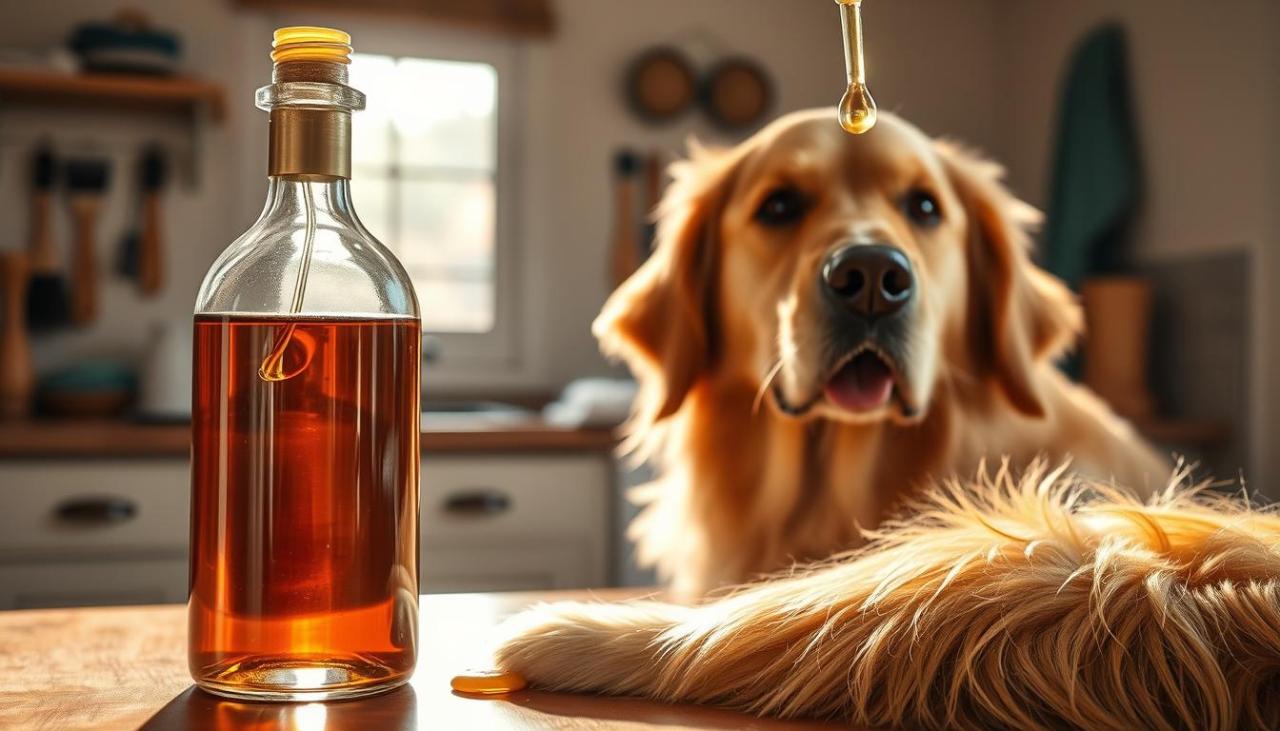
Did you know that nearly 40% of pet owners struggle with their furry companion’s dull fur or persistent itching? Many seek a quick fix. But, achieving a radiant appearance needs a holistic approach. A high-quality dog skin and coat oil is a powerful tool to enhance your pet’s natural beauty.
Topical solutions are just one part of the puzzle. True vitality comes from a balanced diet, regular exercise, and consistent grooming. We must see how internal nutrition supports external health for lasting results.
In this guide, we’ll explore how to pick the right supplement for your needs. We offer practical advice on safe application methods to keep your pet comfortable. Let’s help you find the best options to keep your best friend looking their absolute best.
Key Takeaways
- Visible fur health relies on a combination of proper nutrition and grooming.
- Topical treatments work best when paired with a balanced lifestyle.
- Always prioritize pet-safe ingredients when choosing a supplement.
- Regular brushing helps distribute natural moisture across the body.
- Consulting a veterinarian ensures the product meets specific health requirements.
Importance of Dog Skin and Coat Health
A vibrant, soft coat comes from within your dog, not just from grooming. The skin is the largest organ of your pet. It protects against the environment, showing your dog’s health.
Understanding Skin and Coat Issues
Many owners see skin problems as just looks. But, they can mean deeper issues. Things like allergies, parasites, and hormonal problems can show up on your dog’s skin. Learning 5 dog skin care tips can help you spot when your dog needs a vet.
Common Symptoms of Poor Coat Condition
When your dog’s health is off, their coat often shows it. Look for dullness, too much shedding, or constant itching. Other signs include:
- Visible dandruff or flaky skin patches.
- Unusual hair loss or thinning areas.
- Redness, inflammation, or hot spots.
- A greasy or unpleasant odor from the skin.
How Diet Affects Skin and Coat Health
Nutrition is key for a healthy coat. Since protein makes up most of a dog’s coat, a diet rich in quality protein is vital. Without it, even the best treatments won’t work.
Check your dog’s diet before adding supplements. A balanced diet gives them the amino acids for a strong coat. Good natural dog skin care starts with what they eat every day.
| Condition | Potential Cause | Recommended Action |
|---|---|---|
| Dull Fur | Nutritional Deficiency | Improve Protein Quality |
| Excessive Itching | Environmental Allergens | Consult Veterinarian |
| Flaky Skin | Dehydration/Dry Air | Increase Omega Intake |
| Hair Loss | Hormonal Imbalance | Professional Diagnosis |
Key Ingredients to Look for in Dog Skin and Coat Oil
When you shop for the best dog coat supplements, understanding the label is key. We think it’s important to be open about what’s in the product. Knowing what makes a product good helps you choose the best for your pet.
Omega Fatty Acids
Omega-3 and Omega-6 fatty acids are top for skin health. They keep the skin’s barrier strong and promote a lustrous shine. Look for formulas with fish oil for EPA and DHA, which are easily absorbed.
Vitamins and Antioxidants
Vitamins are key in fighting off environmental stress. Vitamin E is often used because it’s a strong antioxidant. It helps fix skin cells. Make sure the supplements you choose have these vitamins for a strong immune system.
Natural Oils and Extracts
Many good formulas use plant-based oils for a full nutritional profile. Oils like flaxseed or borage offer special benefits. Always check where these oils come from to avoid harmful additives.
Before buying, always check the serving size on the packaging. Every dog is different, and the right amount is important. By looking at these key ingredients, you can pick the best supplements for your pet.
Benefits of Using Skin and Coat Oil for Dogs
Using an organic dog skin treatment can make your pet look great and keep their skin moist. These products help your dog feel comfortable and look good. But, it’s key to know the difference between just looking better and health problems that need a vet.
If your dog has severe redness, keeps scratching, or loses hair, it might be a sign of a bigger issue. Always get advice from a vet for these problems. Yet, natural oils are great for everyday care.
Promoting Shiny Fur
A dull coat means it’s not getting enough moisture. Using a good oil can make the hair shiny and smooth. Coconut oil is great because it goes deep into the hair.
Just put a little oil on your hands and rub it into your dog’s fur. This simple ritual makes the coat look better and keeps it strong against damage.
Reducing Shedding and Dandruff
Dry skin leads to a lot of shedding and dandruff. An organic dog skin treatment keeps the skin moist, which means less dander. Oatmeal-based products are best for dry skin.
Keeping the skin moist stops flakes and scratching. Healthy skin means less hair and mess at home.
Soothing Skin Irritations
Many dogs get a little itchy from the weather or allergens. Natural oils can calm irritated skin, making your dog feel better. Always test a small area first to make sure your dog likes it.
Stick to the amount suggested by the maker to avoid greasiness or clogged pores. With proper use, these treatments protect your dog from minor irritants, keeping them happy all year.
How to Choose the Right Dog Skin and Coat Oil
Choosing the right oil for your dog’s skin and coat is more than just picking a bottle. It’s about finding the best support for your pet’s needs. Whether you’re looking for a dietary supplement or a topical solution, knowing about omega-3 for dogs is key.
Consider Your Dog’s Coat Type
Dogs have different needs based on their fur. Dogs with thick coats need oils that keep them hydrated to prevent dryness. Short-haired dogs might need oils that absorb quickly without being greasy.
Watch how your dog sheds before picking a product. If your dog’s coat changes with the seasons, you might need to adjust the omega-3 for dogs dosage.
Check for Allergens and Sensitivities
Before trying a new supplement, check for potential allergens. Many dogs react to certain fish or plant additives. Start with a small amount to see how your pet reacts.
Remember, skin issues can be caused by fleas, allergies, or infections. While omega-3 for dogs can help, it’s not a cure for serious skin problems or parasites.
Reading Labels: What to Avoid
When looking at ingredients, choose products that are pure and transparent. Avoid oils with fillers, artificial colors, or preservatives. A good oil will list its fatty acid sources and give clear serving instructions based on your dog’s weight.
Always choose products that have been tested for heavy metals and contaminants. This way, you ensure your dog gets the best omega-3 for dogs for their health and vitality.
How to Apply Dog Skin and Coat Oil
We believe a healthy coat comes from using quality oils carefully. Using holistic pet grooming products helps nourish the skin. It’s important to avoid leaving a greasy residue that attracts dirt.
Best Practices for Application
Always do a small patch test on your dog’s skin before using any new oil. This ensures there’s no bad reaction. Warm a small amount of oil in your palms to make it easier to spread.
Massage the oil into the skin with your fingertips, focusing on dry spots. Avoid the eyes and any irritated skin. For more on using natural oils for dogs, check out professional grooming tips.
Frequency of Use
Be consistent but not too much. Start with a light application once or twice a week. If your dog’s fur looks dull or feels sticky, use less or less often.
“The most effective grooming routines are those that prioritize the individual needs of the animal over a rigid schedule.”
Tips for Stubborn Dogs
Use high-value treats to make grooming positive for your dog. Keep grooming sessions short and calm. Brushing after application helps distribute the oil and keeps your dog comfortable.
| Application Step | Action Required | Frequency |
|---|---|---|
| Patch Test | Apply to small area | Once before first use |
| Initial Treatment | Light massage | Once per week |
| Maintenance | Brush through coat | As needed |
By following these steps, your holistic pet grooming products will work best. Always watch your dog to keep them relaxed and happy.
Our Top Picks for Dog Skin and Coat Oils
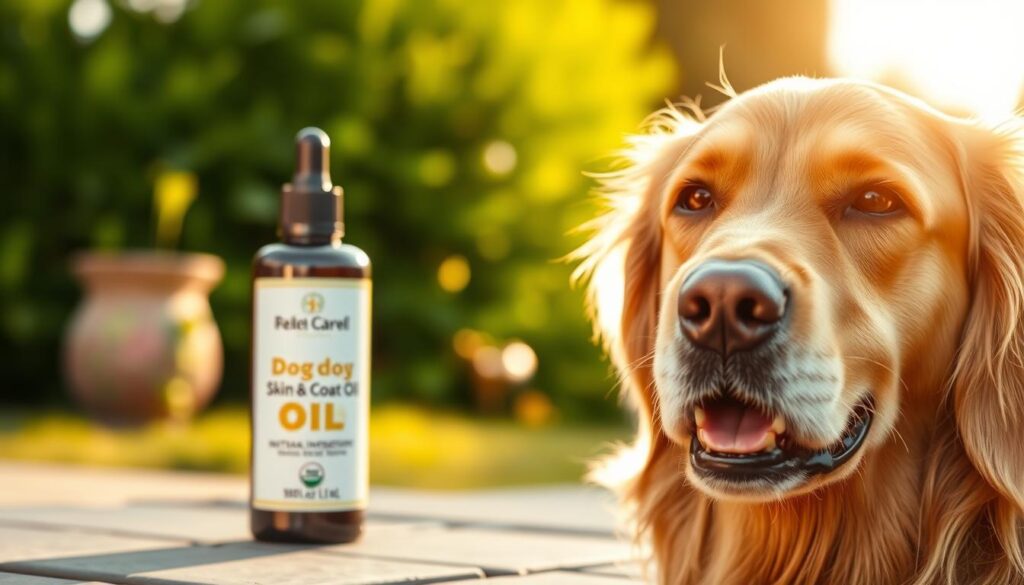
Choosing the right supplement is key to your pet’s health. We’ve picked the best products to help your dog’s fur stay healthy. They use top ingredients and have the right balance of omega fatty acids.
Product Reviews and Recommendations
We look for supplements with pure, sustainable ingredients. Wild Alaskan Salmon Oil is a top choice. It’s packed with EPA and DHA, great for shiny fur.
“The quality of the oil you provide your dog is directly reflected in the vibrancy of their skin and the softness of their fur.”
Cold-Pressed Hemp Seed Oil is also a great pick. It’s good for dogs with sensitive skin. It has a balanced mix of omega fatty acids without common allergens found in fish oils.
Comparison of Key Features
We’ve compared popular options to help you choose. We looked at their main benefits and how to use them. These are important for keeping your dog’s fur healthy over time.
| Product Type | Primary Benefit | Application |
|---|---|---|
| Salmon Oil | Deep Shine | Pump/Liquid |
| Hemp Oil | Skin Soothing | Dropper |
| Coconut Oil | Hydration | Topical/Oral |
Pricing and Availability
Prices for these supplements can change. This is due to supply and demand. Check pet stores or your vet for the latest prices and availability.
Make sure the product fits your needs. Whether it’s for inside use or on the skin. Spending on quality products helps your dog stay healthy for a long time.
DIY Dog Skin and Coat Oil Recipes
Trying homemade remedies for your dog’s coat can be rewarding. Many owners use premium dog skin supplements for sure results. But some like making their own natural treatments at home.
Simple Ingredients You Can Use at Home
Many common items in your pantry can help a healthy coat. Coconut oil is great for moisturizing. Flaxseed oil adds essential fatty acids for a natural shine.
Olive oil and oatmeal are also good for dry patches. But remember, they should not replace a balanced diet or high-quality dog skin oil.
Benefits of Homemade Solutions
Making your own mixtures lets you control the ingredients. It’s often cheaper and avoids synthetic additives in some products.
“Nature provides a wealth of resources to support our pets, but wisdom lies in knowing how to apply them safely and effectively.”
Safety Precautions
Always talk to your vet before starting. This ensures the mixtures are safe for your dog. Dogs with allergies or sensitivities might react to new oils.
Follow these essential safety rules:
- Start with small portions to watch for reactions.
- Introduce new ingredients slowly over days.
- Make sure all surfaces and containers are clean.
- Don’t try DIY if your dog has a skin condition.
While homemade options are flexible, remember premium dog skin supplements are made by experts. Always put your pet’s safety first, even if it’s a quick home remedy.
Customer Reviews and Testimonials
Finding the best nourishing dog coat oil online can be tricky. We see many opinions, making it hard to choose. It’s key to learn how to read these reviews to pick the best for our pets.
Real Experiences with Skin and Coat Oils
Pet owners often share how a nourishing dog coat oil changed their pet’s look. They say their pet’s fur looks better and feels softer after a few weeks. Some even say their dogs like the taste, making it easier to apply during meals.
Common Feedback and Concerns
Even with many positive reviews, there are common worries. Some users feel let down if they don’t see changes right away. It’s important to remember that results can differ based on the dog’s breed, diet, and health.
- Reports of improved shine and softness.
- Feedback regarding ease of administration.
- Concerns about potential digestive sensitivity.
- Observations on the time required to see visible changes.
How to Interpret Reviews
To get the most from reviews, look for specific details. Check if the reviewer talks about how long they used it, the dosage, and their dog’s breed. A nourishing dog coat oil might work great for one breed but not another.
| Review Type | Key Indicators | Reliability |
|---|---|---|
| Detailed | Includes dosage and duration | High |
| Vague | Lacks context or specifics | Low |
| Balanced | Mentions pros and cons | Medium |
Focus on reviews that talk about long-term effects rather than just quick changes. By looking for consistent patterns, we can find the right product for our pets.
Consult Your Veterinarian
Keeping your pet healthy means taking care of them every day. While good oils can make their fur better, they can’t replace a vet’s advice when things get serious.
When to Seek Professional Advice
See a vet if your pet keeps scratching, loses hair, or shows signs of infection. These signs might mean they have parasites or allergies. A vet can give the right treatment for these problems.
Understanding Individual Needs
Every dog is different. Things like their age, breed, and medicines affect how they react to new things. Talk to your vet before changing your pet’s care routine. This way, you can pick safe supplements for them.
Tailoring Oil Usage to Specific Conditions
Your vet can tell you if a special oil or supplement is best for your dog’s skin. They consider your pet’s diet and health history. This way, you can make a plan that keeps your dog happy and healthy for a long time.