Did you know that nearly 70% of a dog’s skin health is linked to their diet’s moisture? Many owners miss this important connection. The secret to a shiny coat starts from within.
A healthy coat shows your pet’s overall health. When we focus on pet coat hydration, we give them the basics for a soft, shiny coat. Good nutrition is key for this change.
Natural care keeps the skin’s moisture balance right. Understanding fur hydration helps us care for our pets better. Our guide has tips to help your pet’s skin and hair stay healthy.
Key Takeaways
- Internal moisture levels are the primary driver of external skin health.
- A shiny appearance serves as a visual indicator of your animal’s inner wellness.
- Balanced nutrition is the most effective way to support natural moisture retention.
- Consistent care routines prevent dryness and promote a soft, manageable texture.
- Small dietary adjustments can lead to significant improvements in overall vitality.
Understanding the Importance of Pet Coat Hydration
The skin and coat of your pet are more than just an outer layer. They are the largest organ in dogs and cats, making up 10% to 15% of their body weight. Taking care of pet skin care is key because it protects them from the outside world and helps control their body’s functions.
Why Hydration Matters for Your Pet’s Coat
Dogs and cats don’t sweat like humans do. Their skin plays a big role in keeping them cool and moist. When we focus on pet coat hydration, we help keep this important barrier strong.
Having the right amount of moisture keeps the skin soft and strong against irritants. Without enough water, the skin can get weak, causing discomfort and health problems. Keeping the skin moist is a big part of being a responsible pet owner.
“The skin is a window into the internal health of an animal; when the barrier is compromised, the entire system suffers.”
Signs of Dehydration in Pets
It’s important to know the signs of dehydration in pets. If your pet’s fur looks dull or feels brittle, they might need more water. Also, if their skin doesn’t snap back quickly when pulled, it’s a sign of dehydration.
Other signs include dry, flaky skin or a lot of scratching. Watching for these changes helps keep your pet healthy and happy.
| Condition | Skin Texture | Coat Appearance |
|---|---|---|
| Healthy | Supple and Elastic | Lustrous and Soft |
| Dehydrated | Tight and Dry | Brittle and Dull |
| Severe | Tenting/Slow Return | Coarse and Patchy |
Benefits of a Healthy Coat
A shiny, healthy coat shows that your pet is doing well. When you take care of pet coat hydration, your pet looks and feels great. A healthy coat means your pet is getting the nutrients they need.
Regular pet skin care routines mean fewer vet visits for skin problems. This keeps your pet happy and healthy for a long time. A vibrant coat is a sign of a happy, well-cared-for pet.
Best Ways to Keep Your Pet Hydrated
We often overlook how simple adjustments to our pet’s environment can significantly boost their daily water intake. By focusing on consistent access and appealing delivery methods, we can ensure our companions remain healthy from the inside out. Improving pet coat hydration starts with understanding the unique preferences of our animals.
Fresh Water: The Foundation of Hydration
Providing clean, fresh water is the most basic yet essential step in any care routine. You should learn how to keep your dog hydrated by ensuring their bowl is washed daily. This prevents bacterial buildup. Stagnant water often discourages pets from drinking, which can lead to dull fur and skin issues.
We recommend placing multiple water stations throughout your home to encourage frequent sipping. This is helpful for older pets who may have trouble moving between rooms. Consistency is key when establishing these healthy habits.
Adding Moisture to Their Diet
Dietary choices play a massive role in maintaining your pet’s internal moisture levels. Incorporating wet food into their daily meals is an excellent way to increase fluid intake without much effort. This approach is beneficial for cat hydration, as many felines are naturally low-volume drinkers.
- Mix a small amount of warm water into dry kibble.
- Choose high-quality canned foods with high moisture content.
- Monitor your pet’s interest in food to ensure they are consuming the added liquid.
Hydration Products: Do They Work?
Many owners wonder if specialized tools actually improve cat hydration or dog health. Most cats prefer running water, so switching to a water fountain can be an effective way to encourage better habits. These devices keep water oxygenated and moving, which appeals to a pet’s natural instincts.
When selecting products, consider the material and ease of cleaning. Stainless steel or ceramic options are generally safer than plastic, as they harbor fewer bacteria. The following table compares common methods to help you decide which strategy fits your lifestyle.
| Method | Primary Benefit | Ease of Use |
|---|---|---|
| Water Fountain | Encourages interest | Moderate |
| Wet Food Diet | High moisture intake | High |
| Multiple Bowls | Accessibility | Very High |
Natural Sources of Hydration for Pets
Keeping your pet hydrated can be more than just using a water bowl. Adding moisture-rich foods can help keep their fur hydrated all day. These foods not only hydrate but also support their skin and overall health.
Fruits and Vegetables That Hydrate
Many fruits and vegetables are full of water, making them great snacks for pets. Cucumbers, watermelon, and celery are top picks because they’re mostly water. They’re not just hydrating; they also add important vitamins for better dog coat care.
Make sure to remove seeds and rinds before giving these treats to your pets. It’s important to remember they should be a supplement, not a replacement for their regular diet. Most pets love the crunchy texture of these healthy snacks.
Homemade Broths for Added Flavor
Some pets don’t drink enough water, which is a problem in warm weather. Making homemade, salt-free broths can help. By simmering lean meats or veggies in water, you create a tasty drink that encourages pets to drink more.
Be careful not to add onions, garlic, or too much salt, as they’re bad for pets. Once the broth cools, you can mix it with their dry food or serve it as a treat. This simple trick is a great way to keep your pet’s fur hydration up.
Ice Cubes as Treats: Fun and Hydrating
Ice cubes can be a fun and hydrating treat for pets. Many pets enjoy the crunch and cool feeling of ice cubes on a hot day. It’s a playful way to make drinking water a fun game that supports dog coat care.
You can even add small pieces of fruit or low-sodium broth to the ice cubes for extra flavor. This keeps your pet engaged and ensures they get the moisture they need. Always watch your pet to avoid any choking hazards.
| Source | Hydration Level | Primary Benefit |
|---|---|---|
| Cucumber Slices | Very High | Low calorie, refreshing |
| Homemade Broth | High | Encourages drinking |
| Watermelon | High | Rich in antioxidants |
| Ice Cubes | Moderate | Mental stimulation |
The Role of Diet in Coat Hydration
Many of us forget that the right food can be a natural coat conditioner for our pets. While grooming products focus on the surface, true fur hydration starts with what your pet eats every day. A diet rich in nutrients is key to keeping the skin barrier strong from the inside.
Essential Nutrients for Healthy Fur
Your pet needs a mix of vitamins and minerals for shiny fur. Protein builds hair, and zinc helps repair and keep skin moist. Without these, the skin can dry out and look dull.
“Let food be thy medicine and medicine be thy food.”
Types of Food for Optimal Hydration
The moisture in your pet’s food affects their hydration. Wet food is better for fur hydration because it has more water than dry kibble. Eating more moist foods helps keep the skin flexible and the coat soft.
When choosing dog coat care, pick foods with natural oils. These oils help keep moisture in, preventing dryness in the coat. Always introduce new foods slowly to keep your pet’s stomach happy.
Supplements to Consider
Even a balanced diet might need a boost sometimes. Omega-3 fatty acids, found in fish oil or flaxseed, are great for a shiny coat. These fats condition the coat from the inside, soothing dry skin.
Before adding supplements, talk to your vet. They can guide you on the right amount to avoid nutritional problems. With the right dog coat care advice, your pet will stay healthy and bright for a long time.
Grooming Tips for a Hydrated Coat
We think that regular grooming is key to a shiny coat. Pet grooming is more than looks; it keeps the skin moist. A good routine keeps pets comfy and healthy all year.
Regular Brushing Benefits
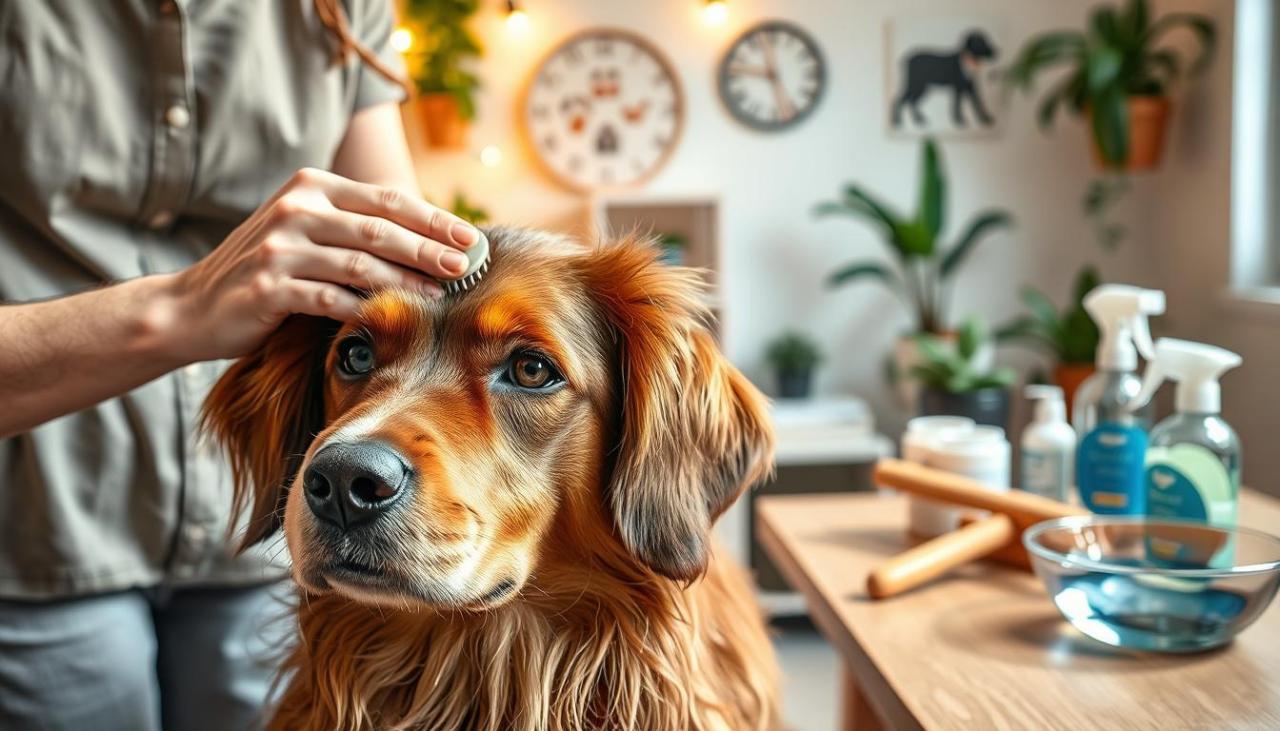
Brushing helps spread oils across the hair shaft. This stops mats and keeps fur soft. It also boosts blood flow to the hair follicles, helping hair grow healthy.
Set a brushing schedule based on your pet’s breed and fur length. This habit is crucial for pet coat maintenance. It lets us catch dry skin or irritation early.
Bathing: How Often is Too Often?
Bathing too much can dry out your pet’s skin. Try to limit baths to once a month, unless they get really dirty.
Be careful with water temperature and bath time. Quick baths help keep the skin healthy. This is key for pet skin care.
Choosing the Right Shampoo
Picking the right shampoo is crucial. Choose gentle, pH-balanced shampoos made for pets. Human soaps can harm a pet’s skin, causing dryness and discomfort.
For dry coats, use a good coat conditioner after shampooing. This adds moisture and protects against the environment. Make sure to rinse well to avoid skin irritation.
| Grooming Task | Recommended Frequency | Key Benefit |
|---|---|---|
| Brushing | Daily or Weekly | Oil distribution |
| Bathing | Monthly | Deep cleaning |
| Conditioning | After every bath | Moisture retention |
Environmental Factors Impacting Hydration
Your pet’s skin and fur react to their surroundings. Things like temperature and air quality affect how well they keep moisture. By watching these factors, we can help keep our pets comfortable all year.
Seasonal Changes and Their Effects
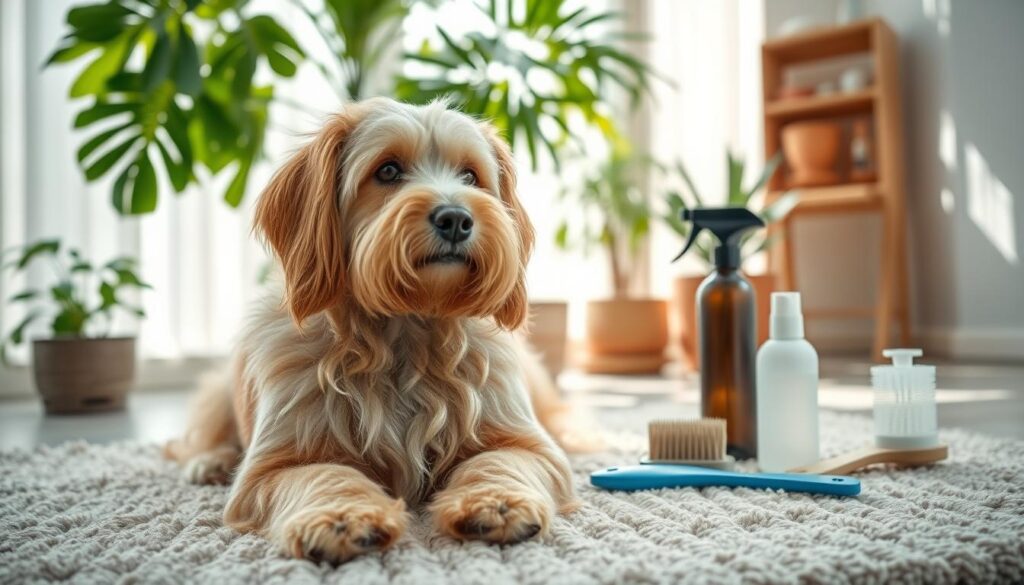
When seasons change, your pet’s coat responds. Shedding changes with the weather and light. Outdoor pets follow natural cycles, but indoor pets may shed all year due to constant light and climate control.
During these times, proactive grooming is key. It helps remove loose hair and boosts oil production. Adjusting your brushing can help your pet’s skin breathe during heavy shedding. This is a basic part of pet skin care.
Indoor vs. Outdoor Hydration Needs
Indoor pets face different challenges than outdoor ones. Forced-air systems can dry out their skin. Make sure they always have fresh water to make up for it.
Outdoor pets face dehydration from sun and wind. Give them shaded spots and extra water stations. Watch if they drink more on hot days.
Humidity Levels and Pet Comfort
Humidity is key for your pet’s skin health. Dry air can cause itching or flakiness. Keeping the air balanced helps protect your pet from stress.
In dry climates, a humidifier can help. It keeps the air quality good for you and your pet. This table shows how to handle these issues.
| Environmental Factor | Impact on Pet | Recommended Action |
|---|---|---|
| Low Humidity | Dry, itchy skin | Use a humidifier |
| High Heat | Increased water loss | Provide extra water |
| Seasonal Shedding | Coat thinning | Increase brushing |
| Cold Air | Reduced skin oils | Apply pet-safe balm |
Hydration Myths Debunked
Understanding pet wellness means knowing the truth about water intake. Many think a full bowl means their pet is hydrated. But, just looking at the bowl can miss health problems.
Common Misconceptions About Pet Hydration
One myth is that pets only drink when thirsty. But, pets, like cats, need extra water, even if they eat dry food. This is because they get most of their water from food.
Another myth is that all water is the same. Some pets don’t like the taste of tap water. Filtered water might make them drink more.
“Proper hydration is the cornerstone of metabolic health in domestic animals, yet it is frequently overlooked until clinical signs of illness appear.”
Understanding Water Intake Differences Among Breeds
Every pet needs different amounts of water, based on size and breed. Active pets lose more water through breathing and moving. But, even calm pets need fresh water.
Water needs change with temperature and diet. When looking at cat hydration or dog water needs, think about your pet’s life. The table below shows how different things affect water needs.
| Factor | High Need | Low Need |
|---|---|---|
| Activity Level | Active/Working Breeds | Sedentary/Senior Pets |
| Diet Type | Dry Kibble Diet | Wet/Raw Food Diet |
| Environment | Hot/Humid Climate | Cool/Climate-Controlled |
| Metabolism | Fast/Young Animals | Slow/Mature Animals |
By clearing up these myths, we can better care for our pets. Always talk to your vet if your pet’s drinking habits change. Proactive monitoring keeps your pet healthy and happy for a long time.
Signs of a Healthy Hydrated Coat
A shiny, healthy coat shows your pet’s health inside out. When they’re hydrated, their fur looks vibrant and soft. But dull or brittle hair can mean there’s a problem.
Characteristics of Good Coat Hydration
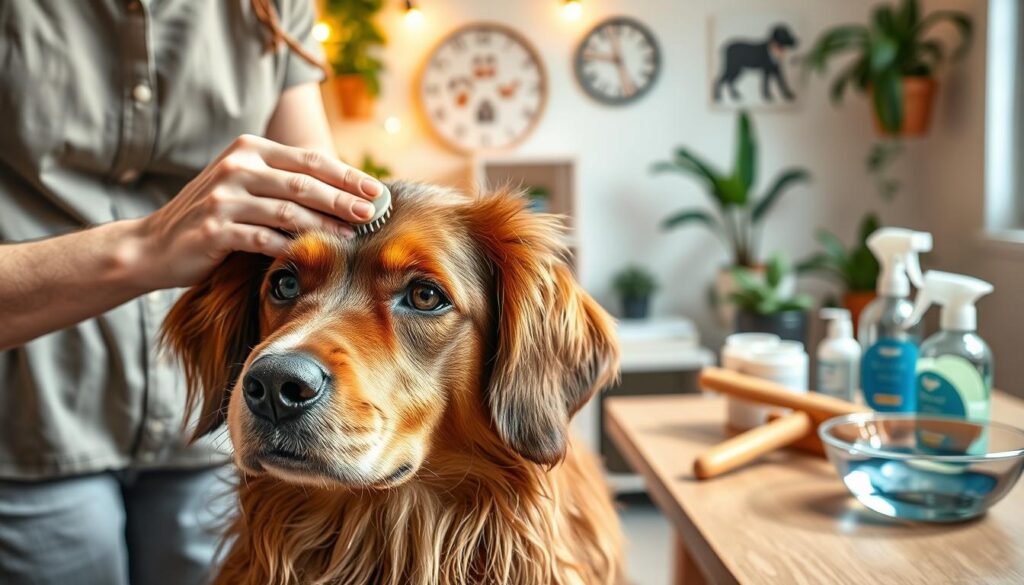
A hydrated coat is flexible and shiny. When you touch it, it feels smooth, not coarse. It should also not shed too much or have dandruff.
Supple skin under the fur is a good sign. It means your pet is hydrated. Dry skin can make them uncomfortable.
How to Monitor Your Pet’s Fur Health
Check your pet’s fur weekly to keep them healthy. Look closely at sensitive spots like the belly and ears. If the fur looks thin or dull, it’s time to change their diet or use a good coat conditioner.
Watching your pet regularly helps you notice changes. Spotting issues early can prevent bigger problems.
When to Consult a Veterinarian
See a vet if your pet’s fur is always dry or if they have bald spots. Also, if they itch a lot or have red, inflamed skin, get help fast. These signs can mean serious health issues.
If your pet seems uncomfortable or their behavior changes, see a vet. They can help keep your pet healthy and happy. Your vet is key to your pet’s well-being.
Fun Hydration Activities for Pets
We can make drinking water fun for our pets. By adding play to their routine, they stay healthy and happy all year.
Engaging Playtime with Water
Pets love moving water. Use safe water activities for pets to keep them interested. Try a pet-safe fountain or a gentle sprinkler in the yard.
For cat hydration, use a shallow dish with a floating toy. This trick makes them want to drink more during play.
DIY Hydration Stations
Make multiple hydration stations at home. Place bowls in different rooms so water is always nearby. Add a bit of low-sodium broth to make it tastier.
Proper hydration is vital for pets. It affects their organs and the shine of their coat.
Benefits of Water Play for Pets
Water play is more than just drinking. It keeps pets cool and mentally sharp. It also helps with pet grooming by keeping skin and fur healthy.
| Activity Type | Primary Benefit | Best For |
|---|---|---|
| Water Fountains | Encourages frequent drinking | Cats and Small Dogs |
| Sprinkler Play | Cooling and Exercise | Active Dogs |
| Floating Toys | Mental Stimulation | All Pets |
Consistency is key in building these habits. Make water fun and accessible for your pet’s health and comfort. Always watch them to keep them safe and happy.
Conclusion: Keeping Your Pet’s Coat Healthy
Your dedication to a healthy coat is key to a long, happy life for your pet. We think making small changes in your daily routine can make a big difference.
Essential Steps for Daily Care
Regular grooming spreads natural oils over your pet’s skin. Giving them fresh water and foods rich in moisture keeps them hydrated inside. These steps help prevent dryness and irritation.
The Impact of Consistent Wellness
Good nutrition and hydration lead to a shiny, strong coat. Your pet will feel more energetic and comfortable. This approach also stops skin problems early on.
Building a Future of Comfort
Keeping up with pet coat care makes your pet feel great every day. It’s smart to stay in touch with your vet to see how they’re doing. Your hard work will help your pet stay healthy for many years.