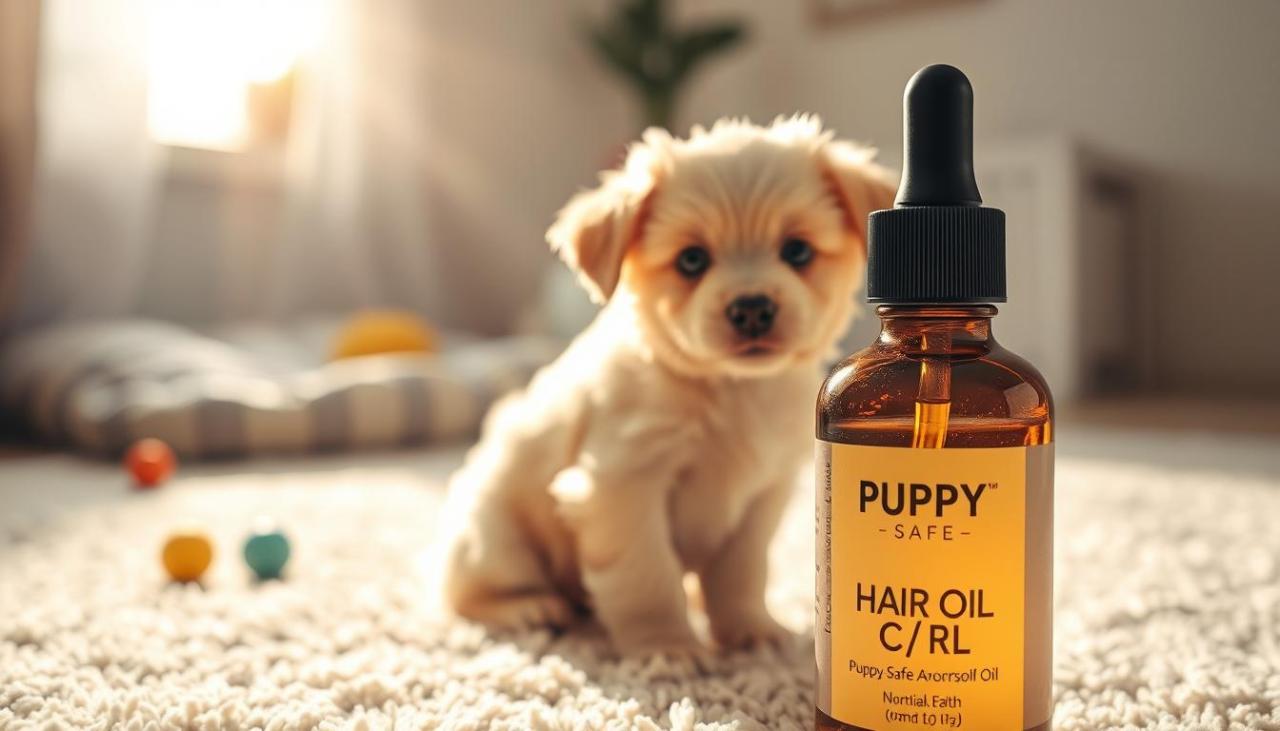
Did you know a dog’s coat shows their health? A dull coat means your pet might need extra care. Keeping their coat shiny is key to pet grooming.
Using a puppy safe hair oil can make their fur shine and healthy. Remember, these oils are different from things pets eat, like CBD. We use natural ingredients to care for their skin and fur.
We’ll show you how to pick the best oils and use them right. We’ll also talk about how regular care and good food make their coat glow. Follow these vet-approved tips to keep your pet happy and looking great.
Key Takeaways
- Coat condition shows your pet’s health and wellness.
- Topical treatments are different from things pets eat and need special care.
- Choosing natural ingredients in products keeps your pet’s skin safe and their fur vibrant.
- Regular grooming keeps fur soft and healthy for a long time.
- Always check with your vet before adding new products to your pet’s routine.
Why Use Puppy Safe Hair Oil?
We often look for ways to improve our puppy’s comfort and appearance. Simple, natural grooming habits are key. A balanced diet and regular brushing are the foundations of health. Adding a high-quality topical oil can provide that extra layer of protection your pet needs.
These products offer targeted support for the skin and fur. They help maintain a healthy barrier against environmental stressors.
Benefits for Your Puppy’s Coat
Applying the right oil locks in moisture to prevent dryness and flaking. This is vital for coat conditioning. It helps detangle stubborn knots and keeps the fur feeling soft.
Regular application boosts shine and nourishment. This makes your puppy look and feel their best.
Here are the main benefits of using oil in your grooming routine:
- Enhanced moisture retention to prevent brittle hair.
- Improved texture that makes brushing much easier.
- Deep shine and nourishment for a healthy, vibrant appearance.
- Effective coat conditioning that supports long-term fur health.
Importance of Natural Ingredients
Choosing the right product is crucial, even more so for sensitive skin. We focus on natural ingredients because they are less likely to cause irritation. Experts in organic dog care suggest unrefined coconut oil, essential fatty acids, and oatmeal-based formulas.
These ingredients work well with your puppy’s biology. They soothe irritation and promote healing. By picking products without harsh chemicals, you keep grooming safe and gentle. Remember, these oils are beneficial but should not replace a nutritious diet and proper hydration.
“The health of a puppy’s coat is a direct reflection of the care they receive, starting with the purity of the products we choose for their delicate skin.”
How to Choose the Right Hair Oil
Choosing the right hair oil is key for your puppy’s grooming. Their skin is delicate, so safety and quality are top priorities. A puppy safe hair oil should nourish without causing irritation.
Key Ingredients to Look For
Look for natural ingredients when checking labels. Unrefined oils are best because they keep more good stuff than refined ones.
Here are some top picks for your puppy:
- Coconut Oil: Great for keeping hair hydrated and shiny.
- Sweet Almond Oil: Soft on sensitive skin.
- Jojoba Oil: Closely matches a dog’s natural skin oils.
If your pet has allergies, choose a hypoallergenic product. Opt for a veterinarian approved one to ensure it’s safe.
Avoiding Harmful Chemicals
Not all products are safe for your pet. Human hair care products can harm a dog’s skin. Always check for a non-toxic formula without hidden dangers.
Stay away from these harmful substances:
- Xylitol: A sweetener that’s toxic to dogs.
- Artificial Fragrances: Can cause breathing problems or skin rashes.
- Essential Oils: Some, like tea tree or peppermint, are dangerous if used too much.
Choose natural ingredients and avoid harsh additives. This makes grooming a positive experience. Researching your purchase keeps your puppy healthy and happy.
Top Puppy Safe Hair Oil Brands
Choosing a good puppy safe hair oil means checking the ingredients and safety. Look for a non-toxic formula to keep your pet healthy during grooming. Make sure the product is hypoallergenic and veterinarian approved for your puppy’s skin.
Brand A: Features and Benefits
Brand A is known for organic dog care with plant-based ingredients. Their oil soothes dry skin and adds shine. It’s free from synthetic fragrances and harsh preservatives, a big plus for many owners.
“The purity of ingredients in this brand makes it a top choice for puppies with sensitive skin profiles.”
Brand B: Customer Reviews
Brand B is praised for its effectiveness on tangles. People say it’s hypoallergenic and reduces scratching after baths. While results vary, most see a big improvement in coat softness after a few weeks.
- Consistent shine improvement.
- Gentle on sensitive puppy skin.
- Easy to wash out during the next bath.
Brand C: Pricing and Availability
Brand C is a budget-friendly option for organic dog care. It’s easy to find in pet stores and online. The packaging is designed for easy use, so you don’t waste product.
| Brand | Key Benefit | Price Range |
|---|---|---|
| Brand A | Deep Hydration | $$ |
| Brand B | Detangling | $ |
| Brand C | Value/Bulk | $ |
Always check the label for a non-toxic formula before buying. Opt for a veterinarian approved product for the best care. This ensures your puppy safe hair oil choice supports your puppy’s skin health long-term.
DIY Puppy Safe Hair Oil Recipes
Making homemade solutions for your dog needs care and knowledge to keep them safe. Puppies have extremely delicate skin. So, we must use gentle, high-quality ingredients. Never use untested items on your pet.
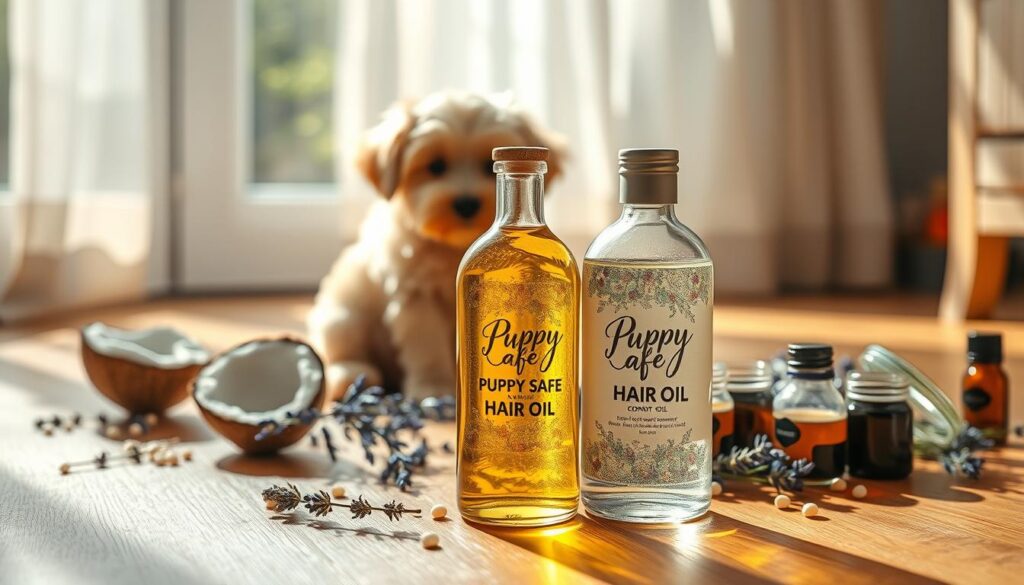
Before starting, make sure your workspace is clean. Also, check that your supplies are pure. Using natural ingredients is good for organic dog care. But, use them in small amounts. Never use strong essential oils on young puppies.
Simple Coconut Oil Blend
For dry patches, a bit of organic coconut oil can help. Start with a pea-sized amount. Warm it in your palms until it melts.
Then, gently rub it into the dry fur. Make sure not to soak the coat. This method conditions the coat lightly without a heavy residue.
If your puppy licks the area, watch them closely. This can upset their stomach. Use it only on healthy skin, avoiding red or broken areas.
Olive Oil and Aloe Vera Mix
An olive oil and aloe vera mix can soothe. But, make sure the aloe vera is 100% pure. It must not have alcohol or fragrances, which harm dogs. Always talk to your vet before using any puppy safe hair oil.
To make this mix, add a small drop of olive oil to a teaspoon of pure aloe gel. Apply it sparingly to the coat, focusing on the ends. If irritation happens, wash the area with a mild, vet-approved shampoo right away.
How to Apply Hair Oil to Your Puppy
Using puppy safe hair oil makes grooming a special time for you and your pet. It’s important to be gentle to keep your puppy calm and happy. This helps their fur stay soft and easy to manage.
Step-by-Step Application Guide
Always do a patch test first to make sure the oil is safe. Warm a small amount of oil in your hands to match your puppy’s skin temperature. This makes the oil feel more natural.
Massage the oil into your puppy’s dry fur, being careful around their eyes and mouth. Then, use a soft brush to spread the oil evenly. This pet grooming method also helps prevent tangles and hydrates the skin.
Tips for a Positive Experience
Start with short sessions to keep your puppy from getting bored. Use positive reinforcement like praise or treats to make them feel safe. Being consistent helps make grooming a stress-free routine.
If your puppy seems stressed, stop and try again when they’re calm. Remember, grooming should be a relaxing experience for your pet. With patience, they’ll look forward to it.
When to Use Hair Oil on Your Puppy
Knowing when to use oil on your puppy’s coat is key to a healthy look. Many owners rush into grooming without thinking about timing. The right time is crucial for the best shine and nourishment for your pet. Watch your puppy’s daily routine to find the best time for these treatments.
Using a top-notch puppy safe hair oil can make a dull coat shine. But, applying it at the wrong time can cause problems. Choose the right moment to ensure the oil absorbs well without attracting dirt.
Best Times for Application
The best time to apply oil is right after a bath when the fur is clean and damp or dry. This way, the nutrients can reach the hair shaft without dirt blocking them. Consistency is key, but avoid applying oil before your puppy goes outside to play.
Another good time is after a thorough brushing session. Brushing spreads natural oils and removes loose fur, making it ready for treatment. If your puppy’s coat feels dry or brittle, a light application can add the necessary hydration to make it shine.
Frequency of Use
While weekly application is a good start for most breeds, it’s not one-size-fits-all. Your puppy’s coat type, skin condition, and the product you use will determine how often to apply. Always follow a veterinarian approved schedule to meet your puppy’s needs.
If you’re unsure about how often, start with once a week and see how it goes. If the coat gets too greasy, you might need to use less or apply it less often. Always get professional advice to keep your puppy happy and healthy.
| Scenario | Recommended Action | Benefit |
|---|---|---|
| Post-Bath | Apply on damp fur | Locks in moisture |
| After Brushing | Light application | Adds shine and nourishment |
| Before Outdoor Play | Avoid application | Prevents dirt buildup |
| Dry Skin Issues | Consult your vet | Targeted relief |
Common Concerns About Hair Oil
It’s important to know if your pet’s grooming stuff is safe. Even puppy safe hair oil can affect dogs differently. Always test a small area first to avoid any bad reactions.
Allergic Reactions and Sensitivities
Many people look for non-toxic formula to keep their pets safe. But, even natural things can cause problems. Dogs with sensitive skin might get skin issues from certain ingredients.
Even if a product says hypoallergenic, watch your puppy closely. If they start scratching a lot or seem uncomfortable, clean the area with mild soap right away. Keep a list of ingredients that cause issues to help with future choices.
“The skin is the largest organ of the body, and it acts as a gateway to your pet’s overall health. Always prioritize gentle, tested products over unverified trends.”
Signs You Should Stop Using
It’s crucial to know when a product is harming your pet. Look out for redness, swelling, or constant scratching. If you see these signs, stop using the puppy safe hair oil at once.
Be aware of bad essential oils for dogs and emergencies that need vet help fast.
Watch for signs like feeling tired, vomiting, diarrhea, or trouble breathing. These could mean an allergic reaction or they ate something bad. Get medical help right away.
| Symptom Type | Normal Observation | Action Required |
|---|---|---|
| Skin Condition | Soft, shiny fur | Redness or hives |
| Behavior | Relaxed and calm | Restless or scratching |
| Digestion | Normal appetite | Vomiting or diarrhea |
| Breathing | Steady rhythm | Wheezing or panting |
By sticking to a non-toxic formula and watching for sensitive skin signs, you keep your pet happy. Always pick hypoallergenic products when unsure. And don’t hesitate to talk to your vet about any product worries.
Grooming Tools for Puppy Fur Care
Creating a good pet grooming kit is key to a happy, healthy puppy. The right tools help spread natural oils and keep the coat clean. Using the right tools makes grooming a fun time for both the owner and the puppy.
Essential Brushes and Combs
Different coats need different tools to stay healthy and shiny. Puppies with long or curly hair need a slicker brush to prevent mats and spread oils. For short coats, a soft bristle brush smooths the hair and boosts oil production.
It’s important to choose tools that are gentle on sensitive skin. Use deshedding tools carefully to avoid hurting your puppy. Make sure brush tips are rounded or coated to prevent scratches.
Bathing Supplies
Choosing the right bath products is crucial for organic dog care. Opt for a mild, dog-specific shampoo that cleans well without drying out the coat. A good conditioner after the bath helps keep the coat moist, which is great for dry skin.
Having a good towel is essential for drying your puppy well. Make sure to rinse off all soap to prevent itching and discomfort. Keeping these supplies ready makes bath time easier and less stressful.
Maintaining Your Puppy’s Coat
We believe that true coat conditioning starts from the inside out. Topical oils help right away, but lasting health comes from good habits and quality food. These steps keep your puppy happy and full of life.
Regular Grooming Habits
Regular pet grooming is key to a healthy coat. Brushing your puppy often spreads natural oils across their hair. This stops mats, cuts down on shedding, and makes their fur shiny.
How often you brush depends on your puppy’s fur. Long-haired dogs need daily brushing to avoid tangles. Short-haired dogs might only need a weekly brush. If your puppy has sensitive skin, use a soft-bristled brush to avoid hurting them.
| Coat Type | Brushing Frequency | Primary Benefit |
|---|---|---|
| Short/Smooth | Weekly | Removes loose hair |
| Medium/Double | 3-4 times weekly | Prevents undercoat matting |
| Long/Silky | Daily | Prevents painful tangles |
| Curly/Wire | Daily | Maintains texture and volume |
Nutrition’s Role in Coat Health
What you feed your puppy affects their fur quality. A diet rich in organic dog care helps their coat grow strong. Look for foods with high-quality proteins as the first ingredient.
Omega-3 and Omega-6 fatty acids keep fur moist and shiny. Vitamins A and E, along with zinc, help the skin stay healthy. Drinking enough water also keeps the skin and coat soft.
By mixing good nutrition with regular pet grooming, you get a complete plan. This plan helps your puppy have healthy skin and a beautiful coat for a long time.
Puppy Hair Oil Myths Debunked
Many think that any natural oil will make a puppy’s fur better. But, this isn’t always true. Owners often believe that natural ingredients mean a product is safe for all puppies. Yet, the truth about coat conditioning is more complex than just using what you have at home.
Misconceptions About Oils
Some believe all oils are good for a puppy’s fur. But, the wrong oil can be too heavy and cause problems. It’s important to choose a puppy safe hair oil made just for them, not something for humans or cooking.
Also, people often mix up oils for skin and those for eating. While some oils are good in food, they might not be safe on a puppy’s skin. Always check that the oil you pick is for use on the skin to avoid allergic reactions.
The Truth About Greasiness
Many think more oil means better fur. But, too much oil can make fur look greasy and attract dirt. This can make your puppy uncomfortable and might even cause them to lick too much, leading to stomach problems.
Healthy fur needs more than just oil. Too much oil can hide skin problems that need a vet’s help. Here’s a table to show the difference between myths and the real deal about coat care.
| Common Myth | The Reality | Impact on Puppy |
|---|---|---|
| All natural oils are safe | Some oils cause irritation | Potential skin sensitivity |
| More oil adds more shine | Excess oil creates residue | Attracts dirt and debris |
| Oils replace grooming | Grooming is essential | Poor coat health |
| Kitchen oils are ideal | Use specialized products | Better safety and results |
FAQs About Puppy Safe Hair Oil
Dealing with dog skincare needs patience and careful watching. We get many questions about keeping a dog’s coat healthy and shiny. It’s important to make sure your furry friend is comfortable too.
Practical Insights for Pet Owners
Many owners ask if human products are good for dogs. We say no to using human oils because they can irritate a dog’s skin. Always pick a hypoallergenic product made for pets to avoid problems.
You might see your dog’s coat get softer or less dry after using it. But, if your dog itches a lot, smells strange, or loses hair, stop using it right away. These signs mean there’s a bigger issue that needs a vet’s help.
Expert Recommendations for Success
Start with a little bit of the new product to see how your puppy reacts. A vet-approved, non-toxic formula is the safest way to get a shiny coat.
Experts say good pet grooming starts with the right tools. Choose natural, safe ingredients over fake ones. Following these tips helps create a calming routine that keeps your puppy healthy and happy.