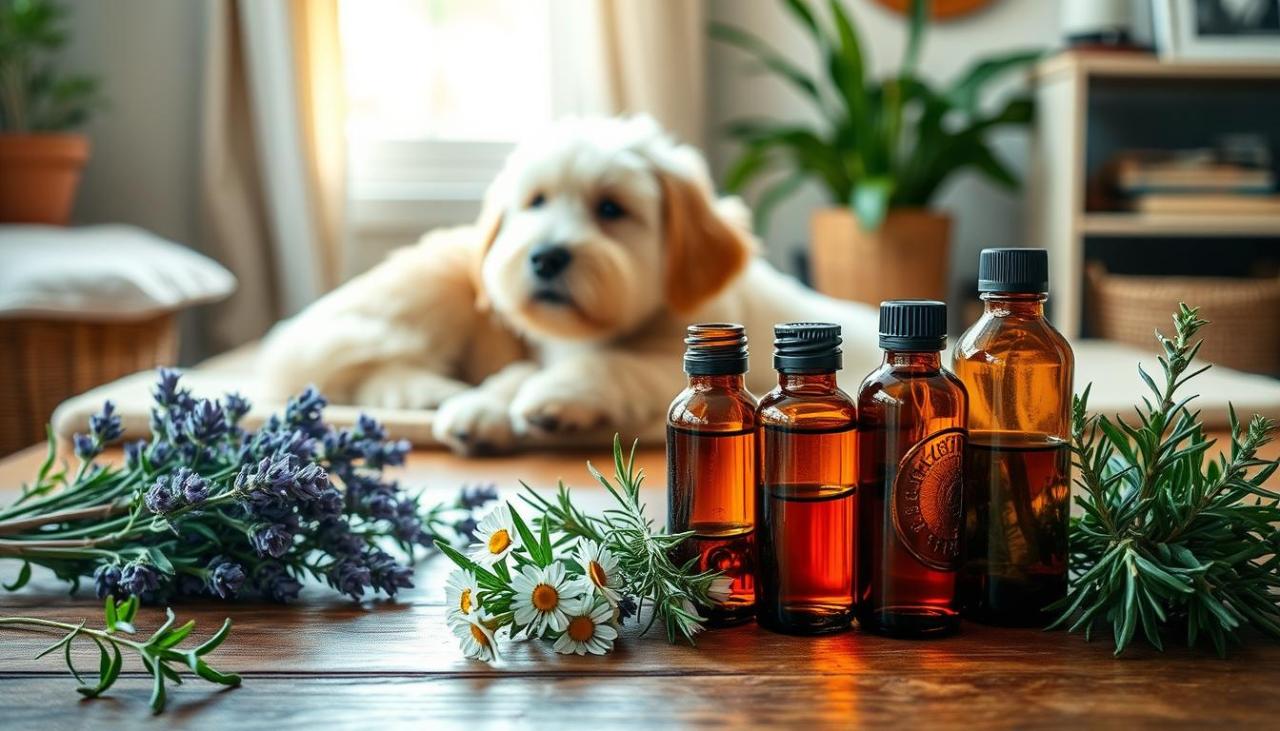
A canine’s skin pH is more alkaline than a human’s, so common grooming additives may cause irritation. Many owners choose natural care for dog fur to improve coat health and manage odors. These botanical solutions may help, but they are not risk-free.
Exposure can happen through inhalation, ingestion, or skin absorption. Improper use may cause adverse reactions. We recommend a safety-first approach that starts with veterinary advice and careful product selection.
Before using any new substance, learn about essential oils for pet care products to keep your companion comfortable. Monitor your pet closely and choose high-quality ingredients for an essential oil for dog hair grooming routine.
Key Takeaways
- Natural ingredients require the same level of caution as synthetic grooming products.
- Always consult your veterinarian before applying new botanical treatments to your pet.
- Canine skin pH differs from humans, necessitating specific dilution standards.
- Monitor your pet for signs of discomfort, such as redness or excessive scratching.
- Prioritize products that provide clear documentation and safety data sheets.
What Are Essential Oils and Why Use Them for Dogs?
Before using plant-based products, learn what these potent oils are. Essential oils are concentrated extracts from flowers, leaves, bark, and roots of various plants. Their potency requires great care around pets.
Understanding Essential Oils
What is safe for humans may not be safe for our four-legged friends. A dog grooming essential oil needs careful handling because dogs process scents and products differently. Always consider a dog’s age, health, and personal sensitivity before applying any product.
“Nature provides us with powerful tools, but the key to safety lies in our knowledge and respect for the unique biology of our pets.”
These key features explain how essential oils work for people and dogs.
| Feature | Human Use | Canine Use |
|---|---|---|
| Concentration | High | Very Low (Diluted) |
| Application | Direct/Diffused | Highly Controlled |
| Sensitivity | Moderate | High (Species-Specific) |
Benefits of Essential Oils for Pets
When used correctly, canine essential oil benefits may support your pet’s daily life. Many owners say these extracts make grooming more pleasant by calming an anxious dog. They may also support a healthy-looking coat with a natural shine.
These oils are not medical treatments for health conditions. Instead, they support general wellness and hygiene. Focusing on canine essential oil benefits may strengthen your bond with your pet and maintain a safe, fragrant home.
Common Essential Oils Safe for Dogs
Finding the best essential oils for pet hair means looking beyond trends and understanding each dog’s needs. Evaluate products by concentration, application type, and your dog’s reaction. Every animal differs, so one dog’s solution may not suit another.
Lavender Oil
Many pet owners choose lavender oil for dogs because it is gentle and calming. Used correctly, it may soothe irritated skin and support a healthy, shiny coat. Always ensure you are using high-quality, therapeutic-grade oils to avoid synthetic additives that could harm your dog.
Chamomile Oil
Chamomile can calm sensitive skin. If your dog has occasional dryness or itching, this oil may provide relief. Use it in very low concentrations for a safer grooming routine.
Frankincense Oil
Frankincense may support overall skin health and vitality. It can help maintain a lustrous coat and address minor skin imperfections. Because it is potent, consult your veterinarian before adding it to your dog’s regimen.
Cedarwood Oil
Cedarwood can help keep a coat clean and fresh-smelling. Its natural properties support skin hygiene and coat texture. When applied correctly, it can support regular grooming sessions.
| Essential Oil | Primary Benefit | Grooming Role | Safety Note |
|---|---|---|---|
| Lavender | Calming | Coat conditioning | Use sparingly |
| Chamomile | Soothing | Skin relief | Dilute heavily |
| Frankincense | Skin health | Coat vitality | Vet approval |
| Cedarwood | Cleansing | Freshness | Monitor reaction |
Ultimately, the best essential oils for pet hair are used with caution and professional guidance. Start with small amounts, and watch your dog closely for sensitivity. Your veterinarian can tailor these natural options to your pet’s specific health profile.
How to Effectively Use Essential Oils on Dog Hair
Careful dog grooming with essential oils requires safety and precision. We recommend professionally formulated products instead of home mixtures. Concentrated oils can harm sensitive dog skin and must never touch it directly.
Dilution Methods
Proper dilution is the key rule for using botanical extracts. Mix essential oils with a quality carrier oil, such as coconut or almond oil, for safety. Never apply undiluted oils to the coat; they can cause severe irritation or chemical burns.
Professional brands often sell pre-diluted sprays or shampoos. These products remove guesswork from the process. Check the label, and use the recommended percentage; most dogs typically need 0.5% to 1%.
Application Techniques
Apply these products away from the face, eyes, and mouth. Use a light mist, or place the mixture on your hands before massaging it into the fur. Keep the room well ventilated so your dog does not inhale too much scent.
Stop at once if you see redness, itching, or excessive sneezing. Monitoring your dog’s reaction is the most important step. Following these guidelines lets you enjoy natural grooming benefits while keeping your pet safe and comfortable.
| Practice | Recommended Action | Safety Level |
|---|---|---|
| Dilution | Use carrier oils | High |
| Application | Avoid face and eyes | High |
| Monitoring | Watch for skin redness | Essential |
| Formulation | Use professional products | Highest |
Benefits of Using Essential Oils for Dog Grooming
When we consider canine essential oil benefits, these natural extracts may support a healthy appearance. They do not replace professional veterinary care, but they can add value to regular grooming.
Persistent skin irritation, unexplained hair loss, or chronic itching requires a visit to your veterinarian. Keep your dog safe by choosing products that suit its specific needs.
Reducing Shedding
Many owners hope essential oils will stop shedding completely. Yet shedding is natural and depends on genetics, nutrition, and seasonal changes.
The most effective way to manage loose fur is still consistent brushing. Some oils may soothe skin, but they cannot replace removing dead hair with a high-quality brush.
Improving Coat Condition
Adding natural oils to grooming may support a cleaner-feeling, more vibrant coat. High-quality, diluted products can help maintain your dog’s fur moisture balance.
These canine essential oil benefits are most noticeable with a balanced diet and proper hydration. A healthy coat often reflects your pet’s overall wellness. These grooming additions offer extra care.
DIY Dog Shampoo with Essential Oils
We believe a thoughtful, veterinarian-approved approach safely adds holistic dog grooming essential oils to your pet’s routine. Instead of applying oils directly to skin, use a rinse-off shampoo to control their scents and benefits. Choose products made for canine skin pH levels.
Simple Recipe
Start with a high-quality, fragrance-free, veterinarian-approved dog shampoo base. Never use human shampoos because they can damage your dog’s natural skin barrier. When adding holistic dog grooming essential oils, keep the concentration very low for safety.
Mix one or two drops of a dog-safe oil into a small amount of shampoo before bath time. Check Ingredient identity and proper labeling before using pure, therapeutic-grade oils from reputable sources. Do not store pre-mixed shampoo long, because oils may degrade or lose effectiveness.
Instructions for Use
Before using a new product, perform a patch test on a small, hidden skin area. Do this only after your veterinarian approves, then watch for redness or irritation for 24 hours. If your dog shows discomfort, discontinue use immediately.
During the bath, apply the mixture gently, avoiding the eyes, nose, and mouth. Thorough rinsing matters most when using holistic dog grooming essential oils. Wash away all shampoo to stop your dog ingesting residue while grooming later.
If you notice unusual behavior or skin reactions, consult your veterinarian right away.
Essential Oils for Specific Dog Hair Types
Every dog has a unique coat. Good natural care for dog fur starts with knowing these physical differences. A one-size-fits-all strategy rarely works across diverse canine breeds.
Choosing the best essential oils for pet hair means considering how textures respond to topical products. Long, curly coats can trap moisture and residue. Short coats leave skin more exposed to direct contact.
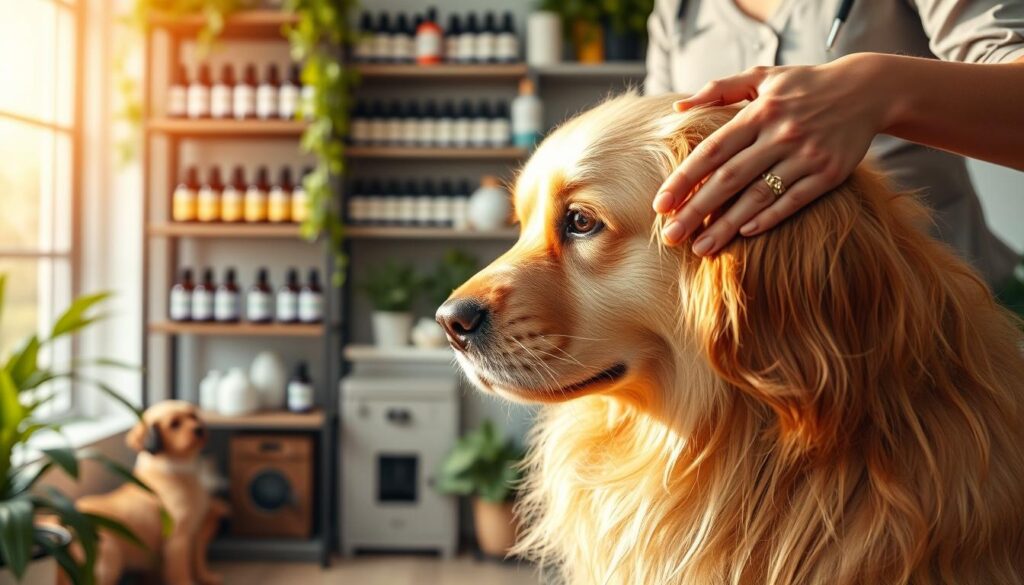
For Long Hair
Long-haired breeds need a careful balance to prevent heavy buildup. Use light, diluted oils that add shine without weighing down the hair.
- Always brush thoroughly before application to remove tangles.
- Focus on the ends of the hair rather than the roots.
- Use a light misting technique to ensure even distribution.
For Short Hair
Short coats offer less protection, so the skin faces more exposure to the environment. The goal is to soothe skin while keeping a healthy, natural sheen.
Use a very light touch on short-haired dogs. Dilution is critical because oils reach the skin faster through short coats.
For Curly Hair
Curly coats often become dry and matted, making them good candidates for moisturizing essential oils. These oils can help detangle hair and add a protective barrier against the elements.
| Coat Type | Primary Need | Application Tip |
|---|---|---|
| Long | Detangling | Mist lightly |
| Short | Skin Health | Minimal dilution |
| Curly | Moisture | Deep conditioning |
Choosing the best essential oils for pet hair for these needs supports safer use. Steady natural care for dog fur and proper brushing help your companion look and feel their absolute best.
Precautions When Using Essential Oils on Dogs
Natural remedies are popular, but strict dog essential oil safety protects your companion. Even high-quality, therapeutic-grade products can harm dogs when used incorrectly or at unsafe strengths. Before adding a scent or treatment to grooming, understand the risks of these powerful plant extracts.
Allergic Reactions
Dogs can react with skin irritation, redness, or heavy scratching. After exposure, stop using the product if your dog seems restless, sneezes, or has trouble breathing. Always monitor your dog closely during the first applications to check for a reaction.
If a reaction occurs, wash the affected area with mild soap and water. Keep the original package or take a clear photo of its label. This helps your veterinarian identify ingredients and choose emergency treatment.
Toxic Essential Oils to Avoid
Not every plant-based oil is safe for dogs. Some can cause severe poisoning or organ damage after ingestion or skin absorption. Learn about these toxic essential oils for dogs to help keep your home safe.
Avoid using the following oils, as they are known to be harmful to canine health:
- Tea Tree (Melaleuca)
- Peppermint
- Pine
- Cinnamon
- Wintergreen
- Ylang Ylang
- Clove
Learning about these toxic essential oils for dogs can help prevent accidental poisoning. When unsure, ask your veterinarian before applying a new substance to your dog’s coat. Careful choices support a safe, healthy grooming experience.
Incorporating Essential Oils into Your Dog’s Routine
A safe schedule for essential oils helps maintain your dog’s coat health. These natural extracts should not replace veterinary checkups, parasite prevention, or professional nail care. Use them as support within a broader wellness strategy.
Regular Grooming
When you add a dog grooming essential oil to daily brushing, you create bonding time and support a healthy coat. Always ensure your dog is calm before starting. Use a light mist or diluted wipe to spread the oils through the fur, focusing on areas needing more hydration or shine.
“Consistency in your grooming habits allows you to spot potential skin issues early, ensuring your pet stays comfortable and happy.”
Inspect your dog’s coat carefully during every session. Look for ticks, fleas, or unusual skin irritation that may need medical attention. Store grooming supplies in a secure, cool place away from direct sunlight to preserve their potency and safety.
Bath Time Routine
Safe dog grooming with essential oils requires care during bath time. Dilute oils properly in a high-quality shampoo base before applying them to your dog’s wet coat. Complete rinsing prevents residue from causing skin sensitivity or irritation.
After bathing, let your dog dry in a well-ventilated area. Keep your pet away from treated household surfaces and furniture until the fur feels completely dry. These steps support a safe, fragrant, and healthy environment for your furry companion.
- Always perform a patch test before full application.
- Ensure proper ventilation in the room during grooming.
- Store all essential oil products out of reach of pets and children.
- Consult your veterinarian if you notice any signs of discomfort.
Essential Oil Blends for Dogs
When we design essential oil blends for dog coat maintenance, we put safety first. More ingredients do not always make a product better. Each added oil makes the blend more complex and may increase skin irritation risk.
We recommend high-quality carrier oils to dilute your chosen essential oils properly. Before applying any new mixture, we suggest consulting your veterinarian to confirm the ingredients suit your specific pet. Stability and conservative concentration remain the cornerstones of responsible blending.
Soothing Blends
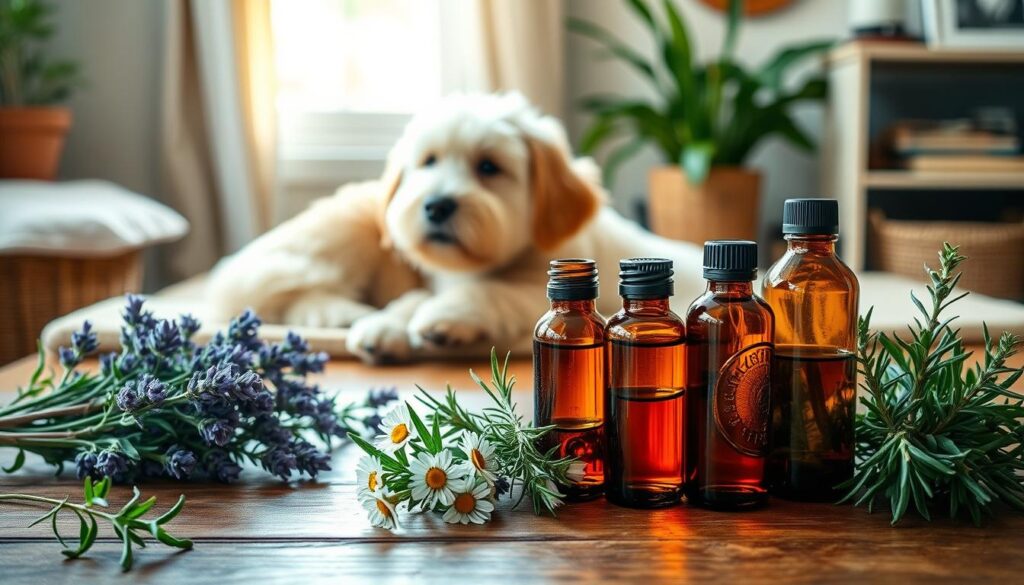
Soothing mixtures calm sensitive skin and support a relaxing grooming experience. These essential oil blends for dog coat health often use gentle botanicals with mild properties. We find that lavender with a small amount of chamomile creates a peaceful setting for anxious dogs during bath time.
When preparing these blends, keep the dilution ratio very low to protect your dog’s sensitive olfactory system. A soothing blend should never feel overpowering. Its goal is a subtle, calming effect that supports skin comfort without causing distress.
Energizing Blends
For active dogs that enjoy outdoor adventures, energizing essential oil blends for dog coat care can refresh their scent and spirit. These mixtures often use bright, uplifting oils like cedarwood or sweet orange. Use them only in well-ventilated areas so your dog remains comfortable.
Always monitor your pet closely after the first application of any new blend. If you notice discomfort, such as sneezing or excessive scratching, discontinue use immediately. The following table outlines common approaches to creating these specialized mixtures.
| Blend Type | Primary Oils | Intended Benefit | Carrier Oil Base |
|---|---|---|---|
| Soothing | Lavender, Chamomile | Calming & Skin Relief | Fractionated Coconut Oil |
| Energizing | Cedarwood, Sweet Orange | Refreshing & Deodorizing | Sweet Almond Oil |
| Maintenance | Frankincense, Helichrysum | Coat Shine & Health | Jojoba Oil |
The Role of Essential Oils in Flea and Tick Prevention
Protecting your dog from fleas and ticks requires both science and natural care. Many pet owners explore holistic dog grooming essential oils to support their pet’s comfort during outdoor adventures. Still, grooming products differ from regulated pest-control treatments.
Natural Repellents
Many people favor plant-based ingredients to deter pests. Some scents may discourage insects, but natural options often lack testing for medical-grade protection. It is a common misconception that a pleasant scent provides a strong shield against parasites.
When you add holistic dog grooming essential oils to your routine, you focus mainly on coat health and hygiene. These products should not replace effective, veterinarian-recommended parasite prevention. Using only essential oils can leave your dog open to serious tick-borne illnesses or flea infestations.
Using Essential Oils Safely
In the U.S., the Environmental Protection Agency (EPA) regulates pest-control claims under the Federal Insecticide, Fungicide, and Rodenticide Act (FIFRA). Some products may qualify for a Section 25(b) exemption, but strict ingredient, labeling, and production standards apply. Always verify the safety and registration status of any product you apply to your pet.
Never assume a product labeled as “natural” is risk-free or proven effective. We strongly advise you to consult with your veterinarian before using any new substance on your dog’s skin. Your pet’s health is the top priority, and professional guidance helps you choose reliable methods for long-term protection.
Customer Testimonials: Essential Oils for Dog Hair
Real-life stories show how pet owners manage their animals’ coats with natural alternatives. These accounts matter, but personal experiences are not scientific proof. View these dog hair care testimonials as personal reports, not clinical validation.
Positive Experiences from Pet Owners
Many owners report clear changes after adding certain oils to their grooming routines. We review the product, dilution method, and each dog’s coat type. Transparency is key, especially when owners say they consulted their veterinarian before starting a new regimen.
These reports often say that steady use creates a softer, easier-to-manage coat. By sharing their process, owners show the possible essential oil dog coat results. Always put your pet’s comfort and safety first when trying new methods.
Before and After Comparisons
Photos can persuade us, but we should study these comparisons carefully. A dog’s look may change from more than topical treatments, including regular brushing, a balanced diet, or seasonal shedding. Proper grooming techniques strongly affect how a coat looks in a photo.
Consider the full story behind any transformation. Was the dog bathed recently? Did its nutritional intake change, or did it receive treatment for an underlying health condition? These details help set realistic expectations for the essential oil dog coat results your furry friend may show.
Conclusion: Embracing Essential Oils for Dog Hair Care
Using an essential oil for dog hair in grooming requires care and a plan suited to your pet. Your dog’s health should remain the top priority during every bath or brushing session.
Never use essential oil blends for dog coat care without direct guidance from your veterinarian. A veterinarian can help prevent toxic exposure, which may cause breathing difficulty, drooling, vomiting, tremors, weakness, or skin burns.
Choose only transparent, properly labeled products from reputable brands, such as Young Living or Doterra. Watch your pet closely for signs of distress after introducing a new grooming product.
If you suspect your dog had a negative reaction, seek immediate veterinary help. Responsible pet ownership means staying informed and acting quickly to protect your furry companion from harm.