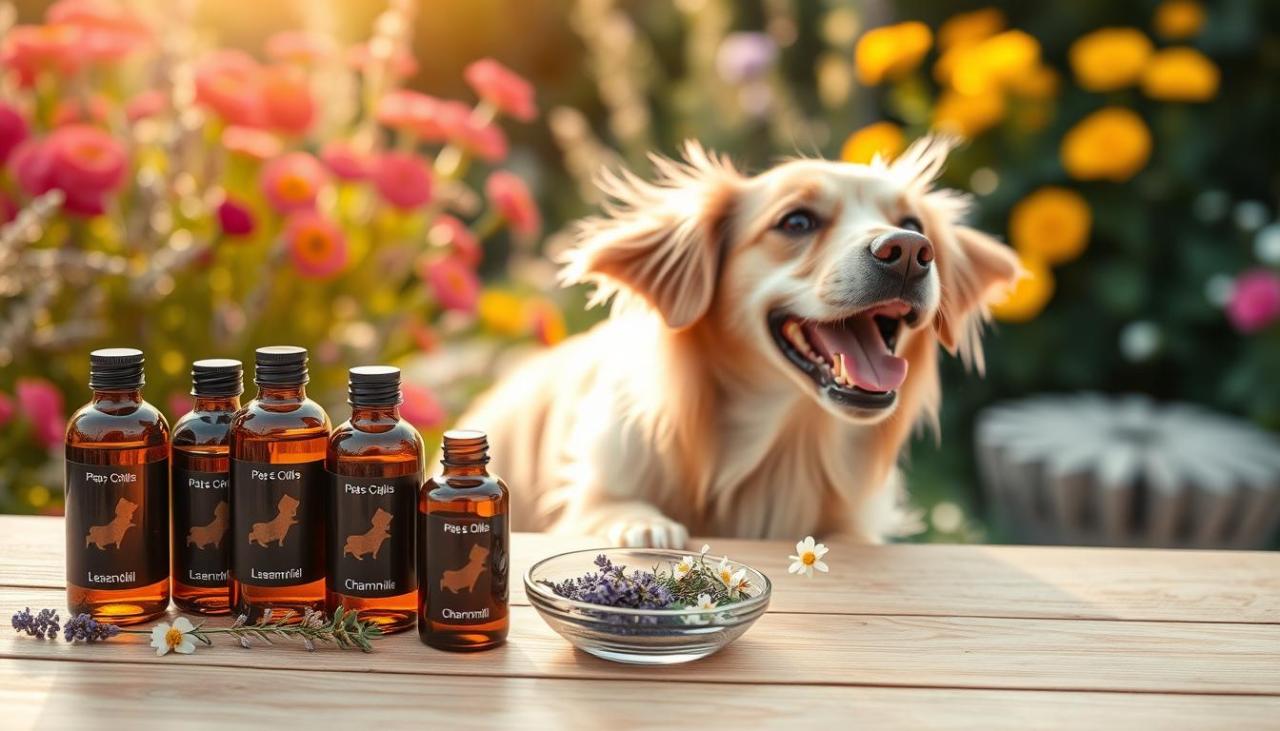
Did you know over 60% of American pet owners now look for holistic wellness for their pets? They want to improve their pets’ lives with gentle, plant-based methods. Knowing your pet’s body is key to helping them.
Before using natural oil for dog care, think about how it affects dogs. Many things in our homes can be too much for pets. Our guide offers safe ways to choose the right natural oils for your dog.
By choosing informed care, we keep our pets happy and healthy. Starting a natural oil for dog routine needs patience and watching your pet closely. We’re here to guide you in using these natural methods with confidence.
Key Takeaways
- Understand canine physiology before starting any new wellness routine.
- Always prioritize safety when introducing topical or aromatic substances.
- Observe your pet closely for any signs of sensitivity or discomfort.
- Consult with a veterinarian to ensure holistic methods align with existing health needs.
- Consistency and moderation are essential for achieving long-term wellness benefits.
Understanding the Benefits of Natural Oils for Dogs
When we think about making our pets healthier, we need to know what we’re using. Many pet owners look for natural ways to help their pets. But, we must understand these substances well before using them.
What Are Natural Oils?
Natural oils are strong plant extracts. They capture the smell and chemical parts of plants. These oils come from flowers, leaves, or bark, and are made through distillation or cold pressing.
These oils have special compounds that can affect our pets in different ways. Some people call these oils canine aromatherapy oil. But, it’s key to know the difference between real oils and fake scents. Pure oils are safer and work better.
Key Benefits for Canine Health
The main reason for using dog essential oil is its gentle, plant-based support. Owners use these oils to help their pets relax, soothe skin issues, or keep their coats healthy. When used right, these oils can be a great part of a pet’s wellness plan.
Some oils can make a nervous pet feel calmer. Using a good canine aromatherapy oil can help without harsh chemicals. Consistency and quality are key to using them well.
Potential Risks to Consider
Dogs can smell things up to 100,000 times stronger than humans. This means they can be very sensitive to smells. What smells mild to us might be too much for them.
Using dog essential oil without the right care can irritate their breathing or skin. Some oils are even toxic to dogs. So, it’s crucial to check every natural oil for dog before using it. Always put your pet’s comfort and safety first.
Choosing the Right Natural Oils for Our Dogs
Choosing the best natural oil for dogs is more than just picking a bottle. We need to focus on safety and effectiveness. This ensures our pets get the best from holistic care. Knowing what to look for helps us make good choices for our dog’s health.
Popular Natural Oils and Their Uses
Many pet owners use specific oils for their dogs. These oils can help with dry skin or anxiety. There are many options to choose from.
- Coconut Oil: It’s great for moisturizing and making a dog’s coat shiny.
- Lavender Oil: It’s used in aromatherapy to calm nervous dogs.
- Chamomile Oil: It’s gentle and soothes sensitive skin.
Quality and Sourcing Considerations
When looking for an organic dog oil, check for certifications. Look for NOP or USDA labels. These ensure the oil is 100% pure and free from harmful additives.
Also, check where the oil comes from and how it’s made. Good oils are made through cold pressing or steam distillation. Stay away from products with unknown fillers or artificial fragrances.
Consultation with Veterinarians
Before adding any pure oil for dogs to their routine, talk to a vet. A vet can tell us if an oil is right for our dog’s health history.
“Professional guidance is the cornerstone of safe holistic care. Always discuss new supplements or topical treatments with your vet to prevent adverse reactions.”
We can’t assume a natural product is safe for all dogs. Working with our vet helps us create a safe and effective care plan for our pets.
How to Safely Apply Natural Oils
When we add a new oil to our dog’s care, safety is key. We must never put dog essential oil straight on their skin, coat, or ears. This can cause serious irritation or harm, so we always prepare carefully.
Recommended Application Methods
The best way to use holistic oil for dogs is to dilute it. We mix it with carrier oils like coconut or almond oil. This makes it safer and lets the good stuff soak in.
- Always use a high-quality carrier oil to dilute the mixture.
- Apply the diluted blend to the back of the neck or between the shoulder blades.
- Avoid areas where your dog might lick the product, such as the paws or belly.
Dosage Guidelines for Dogs
Finding the right amount of pure oil for dogs depends on their size and weight. Start with a small amount to see how they react. It’s safer to use a little too little than too much at first.
Talking to a vet before starting is a good idea. They can give advice based on your dog’s health and needs. Remember, a pure oil for dogs is strong, and a little is enough to help them.
Signs of Allergic Reactions
Watching your pet for signs of sensitivity is crucial when starting. Even the best holistic oil for dogs can cause a reaction in some. Keep a close eye on your pet for any changes in behavior or looks.
If you see any of these signs, stop using the oil right away and call your vet:
- Excessive drooling or pawing at the face.
- Redness, swelling, or hives on the skin.
- Unusual lethargy or signs of distress.
- Vomiting or diarrhea after exposure.
Using Natural Oils for Skin and Coat Care
We can make our dog’s grooming better by using gentle, plant-based ingredients. These ingredients help their natural skin barrier. Choosing an organic dog oil gives our pets relief from environmental stress. This care keeps them comfortable and vibrant all year.
Essential Oils for Skin Issues
Certain botanical extracts are great for dogs when used carefully. Lavender and chamomile are usually okay for dogs, as long as they’re used in highly diluted amounts. These oils can calm irritated skin and soothe sensitive areas.
“Nature has a way of providing gentle solutions for our pets, but balance and moderation are the keys to safety.”
Watch your dog closely after using these oils for the first time. If you see redness or itching, stop using it right away. Using an all-natural dog oil needs patience and attention to your pet’s needs.
Maintaining a Healthy Coat
A shiny coat shows good health and care. Regular brushing spreads natural oils, preventing matting and dryness. Light, nourishing oils can add moisture without being greasy.
- Brush your dog daily to stimulate natural oil production.
- Use high-quality, organic dog oil to add shine to dull fur.
- Focus on areas prone to dryness, such as the elbows and paw pads.
Homemade Oil Blends for Dogs
Making your own grooming solutions lets you control what touches your dog’s skin. Mix a safe carrier oil, like coconut or almond oil, with a tiny bit of lavender. This all-natural dog oil blend protects against harsh weather.
Remember, what works for one dog might not work for another. Start with a small patch test to check for safety. Gentle, consistent care helps our dogs have a healthy, beautiful coat for years.
Natural Oils for Joint and Muscle Care
Seeing our dogs with stiff joints is heartbreaking. As they age, their mobility drops, affecting their happiness and life quality. An all-natural dog oil can offer gentle support to keep them active.
Oils That Help with Inflammation
Some carrier oils are great for soothing muscles and joints. For example, high-quality olive oil is full of good fats. These fats help support joint health and reduce inflammation naturally.
Choosing an all-natural dog oil means picking pure ones. Cold-pressed oils keep more nutrients, giving your dog the best benefits. You can apply them topically or mix them into food, following the product’s instructions.
Application Techniques for Relief
Massaging oil into your dog’s skin is a great way to offer comfort. It helps the oil get into the skin and improves circulation in stiff areas. It’s also a chance to bond with your pet.
Warm the oil in your hands before applying it to your dog’s muscles. Use slow, long strokes, being careful around sensitive spots. Consistency is key for managing long-term discomfort.
When to Seek Professional Help
Natural remedies are good for maintenance, but they can’t replace vet care. If your dog has persistent pain, limps, or suddenly can’t move, see a vet right away. These signs might mean there’s a serious issue that needs medical help.
Always tell your vet about new products you add to your dog’s care. They can say if a specific oil is right for your dog’s health history. Prioritizing safety means your efforts to help your dog are both effective and responsible.
Managing Fleas and Ticks with Natural Oils
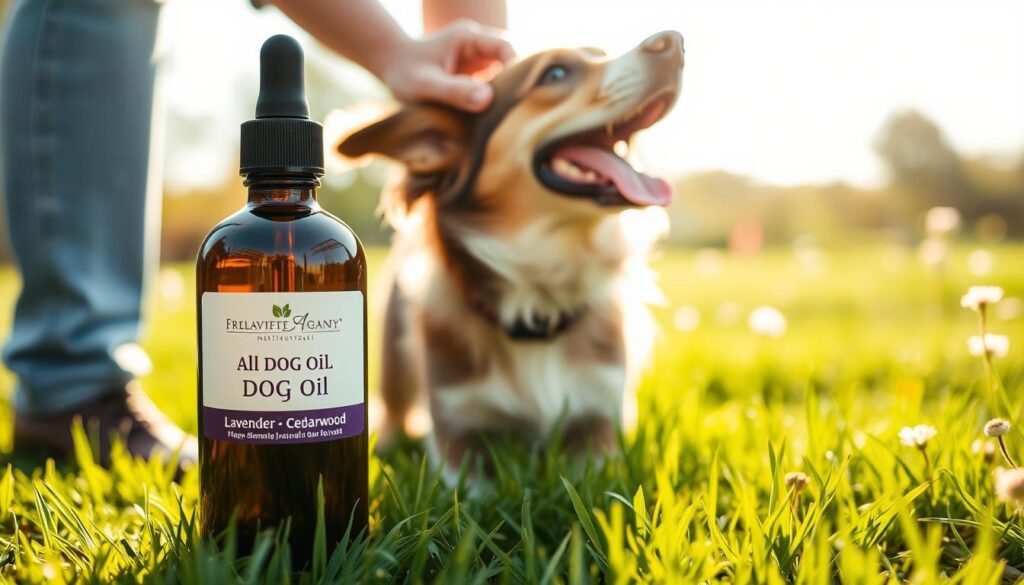
We can protect our dogs from parasites with natural essential oils. Keeping our pets safe from fleas and ticks is crucial for many in the U.S. An all-natural dog oil acts as a barrier against these pests.
Effective Oils for Pest Control
Nature has many strong substances that keep biting insects away. Rose Geranium essential oil is known to repel ticks well. Using these oils in our grooming helps our dogs stay comfortable during pest seasons.
It’s important to know how these oils work with our dogs. Learn about the safety and effectiveness of botanical treatments. Choose high-quality, pure ingredients for your all-natural dog oil.
Application Tips for Maximum Efficacy
Right application is key for natural repellents. Focus on areas like the abdomen, tail base, and behind the ears. Make sure the oil is diluted to your dog’s sensitivity level.
Here’s how to keep your dog safe:
- Dilution is essential: Never apply concentrated essential oils directly to your dog’s skin.
- Targeted zones: Apply the mixture lightly to the legs and underbelly before outdoor walks.
- Monitor reactions: Watch for any signs of skin irritation or discomfort after the first application.
- Consistency matters: Reapply the all-natural dog oil as directed by the product label or your veterinarian.
By being careful and using natural methods, we can let our dogs enjoy the outdoors safely. Always talk to a vet if you see persistent pest problems or unusual reactions.
Supporting Digestive Health with Natural Oils
When our dogs have tummy troubles, we look for gentle ways to help. Digestive upset can upset both the dog and the owner. Using a holistic oil for dogs might soothe their stomach and improve gut health.
Oils That Aid Digestion
Nature has many ingredients that can calm a sensitive stomach. Peppermint and ginger essential oils are known to help with nausea. They relax the stomach muscles, reducing cramps and bloating.
It’s crucial to use only high-quality, food-grade ingredients for our pets. Using a holistic oil for dogs means following strict purity standards. Make sure the product is safe for your pet to eat before adding it to their diet.
Incorporating Oils into Diet
Adding these oils to your dog’s diet should only be done with a vet’s advice. A vet can figure out the right amount based on your dog’s size, age, and health history. Never guess the amount, as natural substances can be harmful if used wrong.
You might mix a diluted drop into a small amount of wet food. Watch your dog closely after the first few doses to check for any bad reactions. Here’s a table of common oils for digestive support:
| Oil Type | Primary Benefit | Usage Note |
|---|---|---|
| Ginger Oil | Reduces Nausea | Use food-grade only |
| Peppermint Oil | Soothes Bloating | Dilute heavily |
| Fennel Oil | Aids Digestion | Consult vet first |
By being careful and consistent, we can use a holistic oil for dogs to help their digestion. Always tell your vet about any new foods or supplements for your dog’s health.
Natural Oils for Stress and Anxiety Relief
Creating a peaceful environment is key for dogs with stress. When our pets feel stressed by loud noises or being left alone, we want to comfort them. Finding the right approach needs patience and understanding how our dogs see their world.
Calming Oils for Nervous Dogs
Some owners try canine aromatherapy oil to calm their pets. While scents like lavender are popular, remember that each dog reacts differently. It’s essential to introduce new scents slowly to avoid upsetting your dog.
Always watch your pet after introducing a new scent. If they sneeze, pace, or hide, remove the scent right away. Using pure, high-quality products helps avoid harmful additives that could harm your dog’s breathing.
Diffusion Methods for Home Environment
When using diffusers, safety is crucial. Keep the room well-ventilated to avoid overwhelming your dog’s sensitive nose. Make sure your dog can leave the room if they feel stressed.
For many, pheromone-based diffusers are a safer, more effective choice than canine aromatherapy oil. These products mimic natural calming signals dogs understand. Below is a table comparing common ways to manage canine stress at home.
| Method | Primary Benefit | Safety Level |
|---|---|---|
| Pheromone Diffusers | Mimics natural signals | High |
| Essential Oil Diffusion | Pleasant scent profile | Moderate |
| Calming Music | Non-invasive auditory aid | Very High |
| Weighted Blankets | Physical comfort | High |
Watching your dog’s behavior is the best way to see if something works. If a method doesn’t help, talk to your vet. They can help create a tailored plan for your dog’s emotional health.
Seasonal Care: Adjusting Natural Oil Use
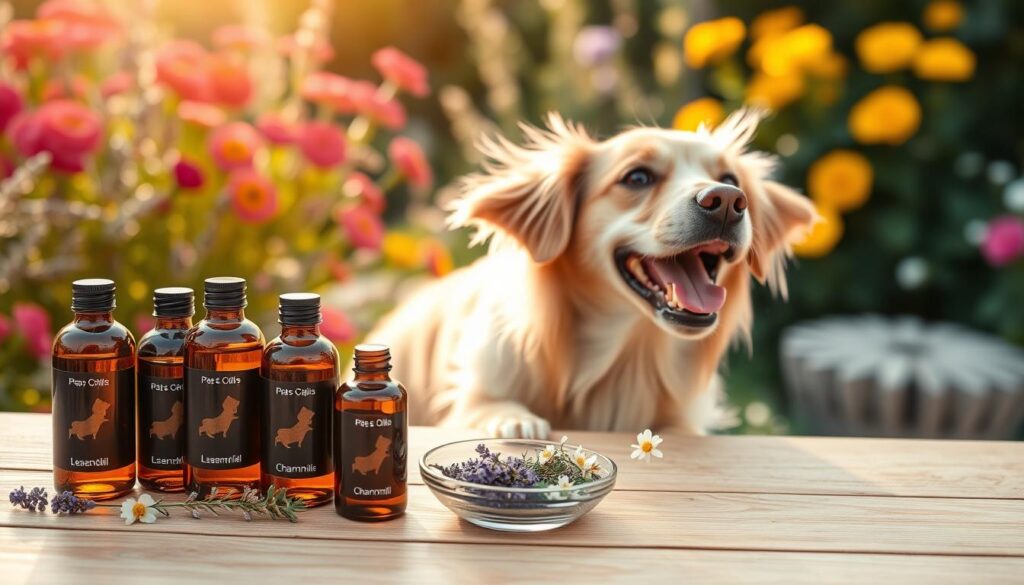
The best natural oil for dogs changes with the seasons. Our dogs feel the weather changes just like we do. This means their skin and coat needs change too. By staying ahead, we keep our pets comfortable all year round.
Preparing for Winter Health Concerns
Winter’s dry air can hurt a dog’s paw pads and skin. In the cold months, we focus on keeping them hydrated. Using the best natural oil for dogs, like coconut or almond oil, helps protect them from ice and salt.
Consistency is key in winter. We check our dog’s paws every day after walks. If they look red, a gentle oil blend can help right away.
“Seasonal changes are not just about temperature; they are about the physiological response of the skin to environmental stress. Adapting your topical care routine is a fundamental aspect of responsible pet ownership.”
Summer Skin Care Tips
In summer, we focus on heat-related skin issues and allergens. The warm weather can cause hot spots and itchy patches. We use light, cooling oils with anti-inflammatory properties, like lavender or chamomile.
We also watch for sun exposure and outdoor allergens like pollen. Keeping the skin clean and using a light oil helps soothe irritation. Always watch for signs of discomfort or excessive scratching in the summer.
| Season | Primary Concern | Recommended Oil Type | Application Frequency |
|---|---|---|---|
| Winter | Dryness & Cracking | Heavy, Moisturizing | Daily after walks |
| Spring | Allergens | Soothing, Calming | As needed |
| Summer | Heat & Irritation | Light, Cooling | Weekly or as needed |
| Autumn | Coat Maintenance | Nutrient-rich | Bi-weekly |
Dos and Don’ts of Natural Oils
When we add natural remedies to our dog’s care, safety is key. Our pets are different from us, and using dog essential oil wrong can harm them. Learning about it is our best defense.
Common Mistakes to Avoid
Many think all natural products are safe for animals. But, some are very dangerous for dogs. Tea tree, peppermint, pine, cinnamon, and wintergreen are toxic and should be avoided.
Some owners think natural means safe to use freely. But, we must check if essential oils are safe for pets. Staying away from harmful substances is crucial for our pets’ health.
“The safety of our pets depends on our willingness to research every ingredient before it enters our home. Never guess when it comes to the health of your dog.”
Recommendations for Safe Use
To use pure oil for dogs safely, we need to store and apply it right. Keep bottles high and out of reach. Accidental ingestion is a big risk, so we must keep oils safe.
We should never let oils touch our pets’ skin or be ingested unless a vet says it’s okay. Dilution is often needed, and we must follow guidelines carefully. This way, we can use pure oil for dogs safely and keep our homes safe too.
| Substance Category | Status for Dogs | Action Required |
|---|---|---|
| Tea Tree & Pine | Toxic | Avoid completely |
| Peppermint & Cinnamon | Toxic | Keep out of reach |
| High-Quality Lavender | Generally Safe | Dilute properly |
| Carrier Oils (Coconut) | Safe | Use for dilution |
Frequently Asked Questions About Natural Oils
Choosing the right natural wellness for your dog can be tricky. There’s a lot of conflicting advice online. We aim to clear up the confusion so you can support your pet’s health with confidence.
Understanding Usage Myths
Many think natural products are safe for all dogs in any amount. But, this is not true. Even plant-based items can harm dogs if used wrong. Never assume a human remedy is safe for your dog.
Some believe there’s one best natural oil for dogs for every problem. But, the right oil depends on the health issue, like skin care or joint support. Always choose quality and follow safety guidelines for your dog’s species.
Expert Answers to Common Concerns
Some owners wonder about using canine aromatherapy oil in diffusers. While some oils are safe, make sure the room is well-ventilated. Also, let your dog leave if the scent is too strong. Never keep your pet in a room with strong oil scents.
If you think your dog has been poisoned or seems sick, call your vet right away. Quick action is key when dealing with poisoning. Don’t wait for symptoms to get worse before getting help.
People often ask how to pick the right products for sensitive pets. When choosing a canine aromatherapy oil, look for pure, high-quality options without synthetic stuff. Being careful and informed helps you use natural products safely for your dog.
Final Thoughts on Natural Oils for Dogs
Choosing the right path for your pet takes patience and careful observation. We think adding an organic dog oil to your daily routine strengthens your bond with your pet.
Your journey to better pet wellness begins with small, consistent steps. By picking a high-quality holistic oil for dogs, we give our animals gentle support that meets their natural needs.
Importance of Routine Checks
Watching your pet closely is the most important part of this journey. We suggest keeping a simple log to track how your dog reacts to new products. Look for changes in energy, skin texture, or appetite to make sure the chosen treatment is working.
Building a Care Plan with Natural Oils
A successful strategy needs a personalized approach tailored to your dog’s lifestyle. We recommend working closely with your vet to make sure every organic dog oil is right for your pet. Creating a consistent, holistic oil for dogs care plan helps us support our pets at every stage of their lives.