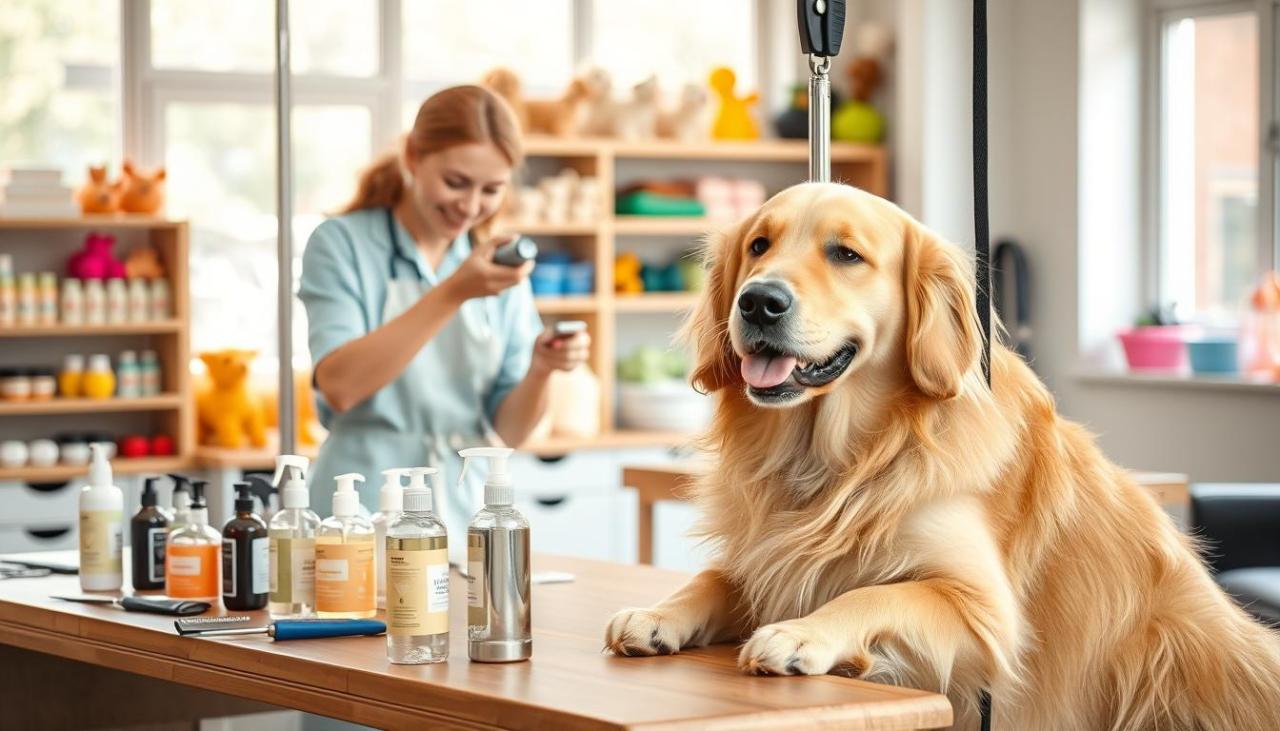
Did you know a pet’s skin is about three times thinner than ours? This fact shows why our furry friends need special care to stay healthy and shiny.
True dog coat rejuvenation isn’t just about quick fixes. It’s about a whole approach. This includes good food, enough water, and keeping natural oils flowing.
We think dog grooming starts with knowing what your pet needs. Using products made for dogs helps keep their skin and fur healthy.
Our guide will show you how to bring back your pet’s natural glow from the inside out.
Key Takeaways
- Prioritize high-quality nutrition to support fur health from within.
- Always select grooming products designed for canine skin.
- Maintain proper hydration to prevent dry, brittle hair.
- Use gentle brushing techniques to distribute natural oils evenly.
- Consult your veterinarian if you notice sudden changes in fur texture.
Understanding the Importance of a Healthy Coat
Keeping your dog’s coat healthy is key to good pet care. Their fur is more than just pretty. It shows how well they’re doing inside.
The Role of Fur in Your Dog’s Well-being
A dog’s coat is like a shield against the weather. It keeps them warm in cold weather and cool in hot weather.
It also protects their skin from the sun, bugs, and scrapes. Plus, it helps keep their skin moist and healthy.
Signs Your Dog’s Coat Needs Rejuvenation
Watch for changes in your dog’s look. If you see these signs, it’s time to improve your pet care:
- Excessive shedding or bald patches.
- A dull, brittle texture that lacks natural shine.
- Persistent, unpleasant odors despite regular bathing.
- Frequent itching, scratching, or visible skin flakes.
- Mats and tangles that return quickly after grooming.
Common Causes of Dull or Damaged Fur
Many things can harm your dog’s coat. Not getting enough fatty acids is a big one. It makes their fur dry and dull.
Using harsh cleaners or bathing too much can also hurt. Plus, too much humidity or dry air can affect their coat too.
| Indicator | Healthy State | Warning Sign |
|---|---|---|
| Texture | Soft and smooth | Brittle or coarse |
| Shedding | Seasonal/Normal | Excessive/Patchy |
| Skin | Clear and supple | Flaky or inflamed |
| Odor | Neutral | Musty or pungent |
Choosing the Right Products for Your Dog
Your dog’s skin and fur need special care. Only high-quality, targeted formulas can provide it. Choosing the right grooming supplies is key to better canine beauty. Knowing what ingredients support a healthy coat ensures your pet looks and feels their best.
Ingredients to Look For in Shampoos and Conditioners
When checking labels, look for gentle surfactants that clean without removing natural oils. Amino acids strengthen hair, while plant-based oils hydrate deeply. These are key for any dog fur treatment to restore shine.
Choose formulas clearly labeled as safe for dogs. Natural ingredients like aloe vera or oatmeal soothe sensitive skin. They help keep your dog’s skin pH balanced, which is different from ours.
Recommended Brands for Dog Coat Care
For different coat types, we recommend specific products. Pure Wash is great for general maintenance. Calm Wash is best for dogs with skin issues. Coat Condition nourishes dry or brittle fur.
Shield Wash protects coats from harsh environments. Remember, no product works for every dog. Always consider your pet’s needs before choosing a routine.
When to Avoid Certain Products
Be careful about what you use at home. Never use human shampoo on your dog. It can cause dryness and irritation. Also, avoid products with harsh sulfates, synthetic fragrances, or artificial dyes.
These additives can harm your dog’s coat over time. If a product isn’t labeled for dogs, don’t use it. Keeping your pet safe from harmful chemicals is crucial for responsible grooming.
Grooming Techniques for a Healthier Coat
Effective dog grooming starts with knowing your pet’s fur needs. A systematic approach removes debris while protecting the skin. This is key for a healthy look.
Brushing: Frequency and Tools You Need
Start with dry brushing. It removes loose fur, dust, and debris before water. This stops dirt from getting trapped during the bath.
Choosing the right tool is crucial for fur restoration. Here are some options based on your dog’s coat:
- Slicker brushes: Great for medium to long coats to remove tangles and loose hair.
- Rubber mitts: Best for short-haired breeds to massage the skin and remove shed fur.
- Combs: Useful for finishing touches and checking for hidden knots.
- De-shedding tools: Highly effective for thick undercoats when used with a light touch.
Always use these tools gently. Gentle handling prevents skin irritation and keeps your dog calm.
Bathing Guidelines for Optimal Fur Health
Use lukewarm water when bathing your dog. Extreme temperatures can dry out the skin and damage hair follicles. Thorough rinsing is key to prevent itching and dullness.
After the bath, avoid rubbing with a towel. Instead, use a gentle blotting motion to absorb excess moisture. This protects the hair shaft from breakage and supports long-term fur restoration.
Dealing with Mats and Tangles
Mats can be painful and may restrict airflow to your dog’s skin. Avoid forcing a brush through tight or painful tangles. This causes unnecessary stress and potential injury.
If you encounter a stubborn mat, use a detangling spray or a small amount of conditioner to loosen it. Work slowly from the ends of the hair toward the base. If the mat remains too tight, it’s safer to consult a professional groomer rather than risking your dog’s comfort.
Nutrition: The Foundation of a Healthy Coat
A healthy coat needs more than just topical treatments. It requires a solid base of quality nutrition. While grooming products help keep your dog’s fur looking good, they can’t fix a bad diet. True coat health starts with good nutrition, enough water, and a diet full of protein.
Essential Nutrients for Skin and Fur Health
Your dog’s skin and coat need certain nutrients to stay strong and shiny. If they lack these, their fur might become dry, brittle, or dull.
- Omega Fatty Acids: These help reduce inflammation and keep skin moist.
- Biotin: A B-vitamin that helps hair follicles stay strong.
- Vitamin E: Acts as an antioxidant to protect skin cells.
- Zinc: Important for cell growth and preventing skin problems.
Best Dog Foods for Coat Rejuvenation
Picking the right food is key for your pet’s health. You can choose from top-quality commercial foods or fresh meals. The focus should be on bioavailable ingredients that your dog can easily digest.
“The quality of the fuel you provide determines the brilliance of the coat you see.”
Make sure the food you choose is complete and balanced. If you add fresh foods to a commercial diet, talk to your vet first. This helps avoid nutritional imbalances that could harm your dog’s health.
Supplements That Can Help
Even with a great diet, sometimes your dog needs a little extra help. You can nourish from the inside out to see improvements in their coat.
Before adding supplements, always talk to your vet. They can check if your dog has any deficiencies. They’ll make sure any supplements you add fit with your dog’s diet and grooming routine.
Seasonal Coat Changes in Dogs
As the seasons change, dogs often show changes in their fur. These changes are natural but need our attention to their canine beauty and comfort. Knowing these patterns helps us care for them better all year.
What to Expect During Shedding Season
In spring and autumn, many dogs shed more as they adjust to temperature changes. You’ll see a lot of loose hair and a thick undercoat. This can trap dirt and cause tangles and mats near the skin if not managed.
“A well-groomed dog is a happy dog, specially when the seasons demand extra care for their coat.”
How to Adapt Your Care Routine
Brush your dog more often during shedding seasons to prevent mats. Also, adjust your bathing schedule to keep them clean without stripping their natural oils. Choose grooming products that get to the undercoat without harming the top fur.
Here are some daily habits to consider:
- Brush your dog at least once a day during heavy shedding.
- Use a slicker brush or undercoat rake for thick fur.
- Keep your home clean with regular vacuuming.
Seasonal Products to Consider
When the air is dry or your dog’s coat breaks easily, special grooming products can help. Use lightweight oils and conditioning treatments to add moisture and shine. Always watch for any skin reactions to new products.
Repair masks are great for deep conditioning in cold winters or dry summers. Follow the product instructions to get the best results for your dog’s coat. By being proactive, you help your dog stay beautiful no matter the weather.
Environmental Factors Affecting Your Dog’s Coat
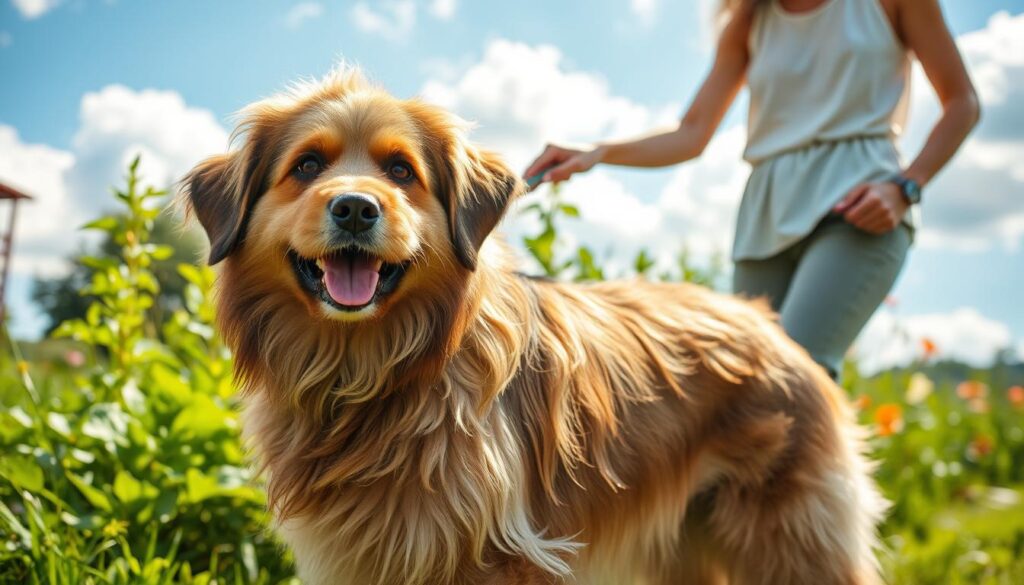
The weather outside can affect your dog’s skin oils. We focus on food and grooming, but the environment is key to their coat health. Knowing how the outside world affects them is crucial for good pet care.
Impact of Weather on Fur Health
Extreme weather can dry out your dog’s fur, making it brittle and prone to breakage. In winter, dry air can cause static and itchy skin. Summer heat can lead to excessive shedding or sunburned skin.
Wind can also tangle long hair, making grooming harder. Regular coat maintenance is essential.
Water exposure is another big factor. Swimming in salt water can dry out the hair shaft. Hard water at home can prevent shampoo from rinsing away properly. Both can dull your dog’s coat.
Grooming Routines for Different Climates
Adjusting your grooming routine to the weather is key. If your dog swims, rinse them with fresh water to remove salt or chlorine. Use a hydrating conditioner to restore moisture.
In extreme weather, groom more often. This helps catch dry patches or irritation early. Dry your dog thoroughly after baths or walks to prevent fungal growth or bad smells.
Creating a Fur-friendly Home Environment
Your home should support your dog’s skin and fur. Wash their bedding weekly to remove dander and allergens. Avoid harsh chemicals to keep their skin calm.
Keep your home’s humidity level comfortable. Clean grooming tools to avoid bacteria. A clean brush ensures every grooming session is beneficial for their coat health.
| Environmental Stressor | Primary Effect | Recommended Action |
|---|---|---|
| Salt Water | Dehydration of fur | Rinse with fresh water |
| Dry Indoor Air | Static and itching | Use a humidifier |
| Hard Water | Mineral buildup | Use a chelating shampoo |
| High Humidity | Matting and odor | Increase brushing frequency |
Regular Veterinary Check-ups
When your dog’s fur changes, it might be a sign of a deeper issue. Home grooming is great, but some problems need a vet’s help. Routine veterinary assessments help tell if it’s just grooming or something serious.
Importance of Routine Health Assessments
Vets are key to keeping our pets healthy. They check if a dull coat is just seasonal or a sign of a bigger problem. Keeping your pet’s coat health in top shape needs a vet’s eye to check everything is working right.
“The skin is the largest organ of the body and often acts as a mirror for the internal health of your pet. Regular check-ups allow us to catch imbalances before they manifest as chronic skin disease.”
Common Skin Conditions to Watch For
Many health issues can look like a neglected coat. It’s important to watch for signs that mean more than just shedding or dry skin. Look out for these signs that might mean a bigger problem:
| Symptom | Potential Cause | Action Required |
|---|---|---|
| Persistent Itching | Allergies or Parasites | Vet Consultation |
| Bald Patches | Hormonal Imbalance | Blood Work |
| Foul Odor | Bacterial Infection | Medicated Therapy |
| Scaling/Flaking | Nutritional Deficiency | Dietary Review |
When to Seek Professional Help
If your dog keeps itching, has sores, or painful skin, don’t just use dog fur treatment products. Medicated shampoos or treatments without a vet’s advice can hide or make problems worse. Always consult your veterinarian before trying new treatments.
Getting advice from a vet makes sure your dog fur treatment is right for your pet. This way, you avoid making your dog uncomfortable. Professional care is the best way to keep your dog’s coat health and overall health strong.
Specialized Treatments for Damaged Coats
Even the best-cared-for dogs sometimes need extra help for their fur. If their coat is dry, brittle, or frizzy, regular grooming might not be enough. A targeted dog fur treatment can help fix these issues and restore your pet’s natural shine.
Spa Treatments for Dogs
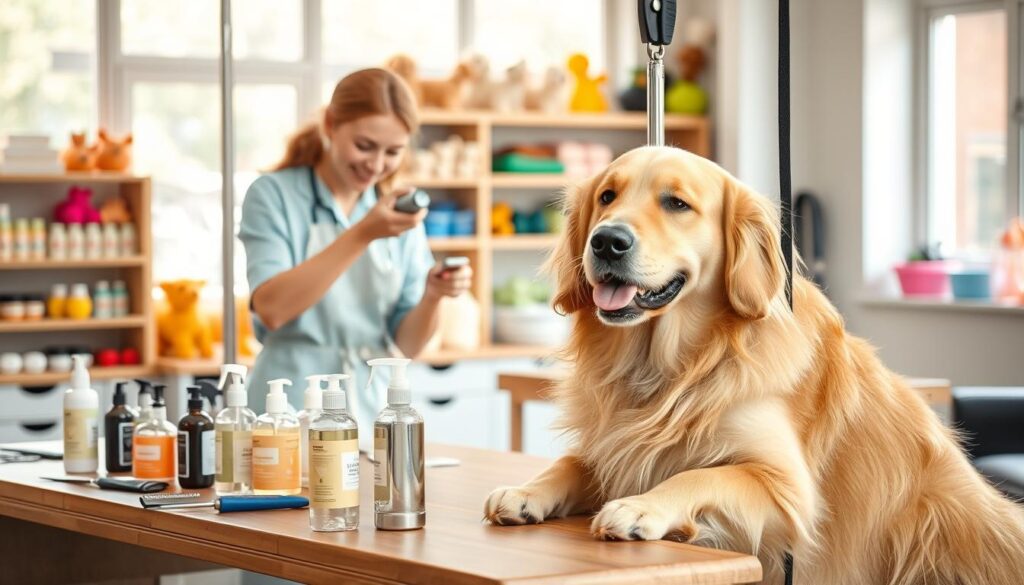
Professional spa services offer advanced solutions for dogs with damaged hair. They include deep-conditioning sessions and special repair masks. These treatments use high-quality ingredients for intensive hydration that’s hard to get at home.
Groomers also offer ozone therapy or special oil treatments for irritated skin and weak fur. These are great for long or high-maintenance coats that break easily. Getting professional care can really speed up fur restoration.
At-Home Remedies for Coat Issues
If you like to care for your dog’s coat yourself, repair masks can help. Mix the mask with lukewarm water for a smooth paste. Apply it evenly after shampooing.
Gently massage the product into the fur for three to five minutes. Then, rinse with cool water to leave the fur soft and easy to manage.
When to Consult a Grooming Expert
While home care is great, sometimes you need a pro. Seek expert help for severe matting that’s hard to safely remove. Trying to cut out tight mats at home can hurt your dog.
Also, if you see open skin, persistent inflammation, or unexplained hair loss, get help. These signs often mean your dog has a health issue that needs a vet or groomer’s attention. Don’t wait if your dog seems uncomfortable or has skin problems.
| Treatment Type | Best For | Frequency | Professional Required |
|---|---|---|---|
| Deep Conditioning | Dry, brittle fur | Monthly | Optional |
| Repair Mask | Chemically stressed | Bi-weekly | No |
| Ozone Therapy | Skin inflammation | As needed | Yes |
| Detangling Session | Severe matting | Immediate | Yes |
Maintaining Your Dog’s Coat Long-Term
Keeping your pet’s coat vibrant and healthy needs a consistent effort. Daily care turns into a special time for bonding with your dog. It becomes a rewarding experience for both of you.
Building a Sustainable Routine
Make a routine that includes brushing, bathing, and the right food. Keep each session short, under 15 minutes, for puppies or older dogs. Check out expert tips for dog coat rejuvenation to keep your dog’s coat shiny all year.
Keeping Grooming Sessions Positive
Give gentle praise and small treats to keep your dog relaxed. Short, regular sessions help avoid stress. This makes coat care easier and more enjoyable over time.
Tracking Your Success
Watch for changes in your dog’s fur, shedding, and skin health. Note any changes in smell or itching that might mean a diet change is needed. If you see sudden changes, talk to your vet. They can help keep your pet happy and healthy.