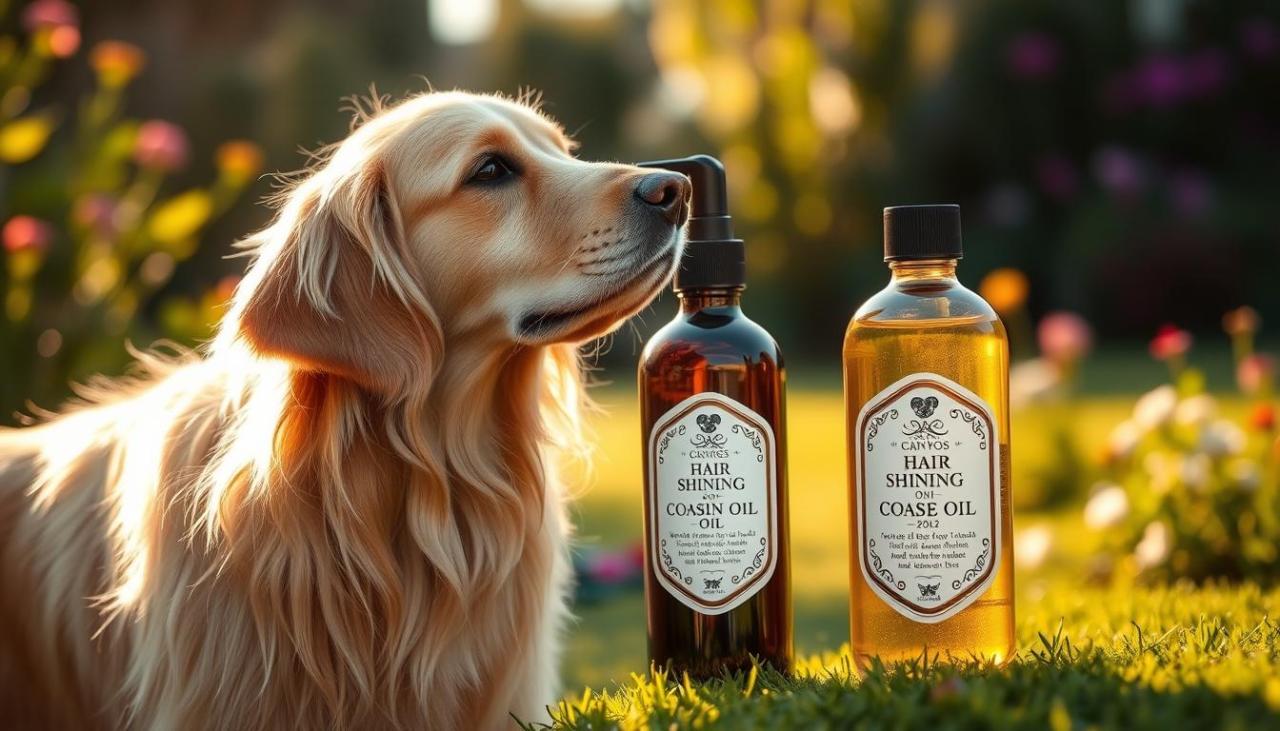
Did you know a pet’s skin is their biggest organ? It shows their health first. To get a shiny coat, you need more than just a quick fix. A good dog hair shining oil helps, but you also need the right food and grooming.
The best dog hair products should fit into your routine, not replace it. Remember, treatments can’t replace brushing, parasite control, or vet visits. For a shiny and healthy dog coat, focus on overall wellness. If your dog’s coat changes suddenly or gets irritated, see a vet.
Key Takeaways
- Topical treatments provide cosmetic benefits but are not a substitute for veterinary care.
- A balanced diet rich in essential fatty acids is the foundation of a healthy coat.
- Regular brushing helps distribute natural nutrients across the skin and fur.
- Always monitor your pet for signs of skin irritation or allergies when trying new products.
- Professional guidance is necessary if you notice sudden changes in your pet’s skin health.
What is Dog Hair Shining Oil?
Knowing what’s in grooming products is key to keeping your pet’s coat healthy. Many owners use special oils to fight dry fur and bring back their pet’s shine. By choosing natural dog hair care, we give our pets products that work well and are gentle.
Definition and Purpose
Dog hair shining oil is a special grooming product. It’s made to condition the fur and skin. Its main job is to give the coat a lustrous finish and untangle knots.
These oils coat the hair shaft, keeping moisture in and preventing brittleness or dullness.
These oils do more than just make your pet look good. They also protect against environmental stress. Using natural dog hair care can soothe dry skin and ease discomfort from seasonal changes. Remember, these oils are for outside use only and should be used sparingly to avoid greasiness.
Key Ingredients to Look For
When picking a product, check the ingredients carefully. Not all natural products are safe for dogs. We look for simple, plant-based formulas. We want oils that deeply hydrate without causing irritation or allergies.
| Ingredient | Primary Benefit | Best For |
|---|---|---|
| Coconut Oil | Deep Conditioning | Dry, Brittle Fur |
| Argan Oil | Adds Shine | Dull, Lifeless Coats |
| Jojoba Oil | Skin Soothing | Sensitive Skin |
| Almond Oil | Softening | Tangled Hair |
Make sure the product is free from harsh chemicals and synthetic fragrances. These can upset your pet’s natural balance. By picking natural dog hair care, we make grooming a positive and healthy experience for our pets.
Benefits of Using Dog Hair Shining Oil
Using high-quality oils in your dog’s grooming has many benefits. Many pet owners want their dogs to have a shiny coat for dogs. Topical treatments help achieve this look easily at home.
Enhances Coat Shine
These oils smooth the hair cuticle, making it reflect light better. This coats each strand, reducing frizz and dullness. It’s key for a vibrant and healthy look for your pet.
Reduces Shedding
Many think oils stop hair loss, but shedding is natural. Oils make it easier to brush out dead hair. Regular brushing is best for managing fur, with oils as a helpful aid.
Promotes Skin Health
Topical oils create a moisture barrier, preventing dry, itchy skin. But, they don’t replace a balanced diet for true skin health. Using these products with proper nutrition keeps your dog comfortable and looking great.
How to Choose the Right Dog Hair Shining Oil
Choosing the right dog hair shining oil starts with knowing your pet’s needs. Before buying, think about what your dog needs to look their best. This ensures the oil works well for them.
Consider Your Dog’s Coat Type
Dogs have different coats, from thick to fine. Pick an oil that fits your dog’s hair type. This prevents it from looking greasy or heavy.
Dogs with dry skin need rich oils. But, dogs with oily skin might do better with a light, water-based oil. This keeps their coat healthy and shiny.
Look for Natural Ingredients
When looking for a grooming oil for dogs, check the ingredients. Good oils use plants like coconut, jojoba, or argan. These oils nourish the hair and scalp.
Stay away from oils with lots of synthetic fragrances. These can upset a dog’s sensitive nose and skin. Natural oils are safer and better for their coat health.
Check for Allergens
Before using any dog hair shining oil, check your dog for skin problems. Redness, itching, or dandruff could mean a health issue, not just a need for shine.
Make sure your dog doesn’t have any health problems before using a grooming oil for dogs. Always test a small area first. This ensures the oil won’t cause an allergic reaction or make things worse.
Application Tips for Dog Hair Shining Oil
Learning how to use grooming oil for dogs is key to getting a professional shine at home. By following a step-by-step guide, you can make your pet look great. Plus, it keeps their skin and fur healthy.
How to Apply the Oil Correctly
First, make sure your dog’s coat is clean and brushed well. This removes tangles and dirt. Then, put a small amount of conditioning oil for dog hair on your palms and warm it up by rubbing them together.
Massage the oil into the fur with your fingertips. Focus on the mid-lengths and ends. Be careful not to get it near the eyes, nose, or mouth to avoid irritation.
Frequency of Use
Start with a small amount and see how your dog reacts. Most dogs need it once a week to keep their coat shiny.
If the coat gets too oily, use it less often. Watch for any signs of skin problems like redness or dryness. This helps you find the right schedule for your pet.
DIY Application Techniques
For an even coat, use a soft-bristled brush after applying the oil. This spreads the conditioning oil for dog hair evenly without making it too oily.
Don’t use too much oil. Too much can make the fur greasy and attract dirt. A little grooming oil for dogs is all you need for a shiny coat.
Top Brands Offering Dog Hair Shining Oil
Looking for a premium dog coat oil? Several top brands offer great options. But remember, a shiny coat also needs good nutrition and health. No oil can replace a balanced diet and regular vet visits.
Pet Kinesiology
Pet Kinesiology is known for being open about their ingredients. They focus on natural wellness, making them a favorite for those who prefer natural products. This brand is great for avoiding harsh chemicals in your premium dog coat oil.
TropiClean
TropiClean is famous for being easy to use and offering many products. Their sprays dry quickly, so your dog’s fur won’t get oily. Pet owners love how this brand makes fur shine without using harsh chemicals.
Bark 2 Basics
Bark 2 Basics provides top-notch solutions for all coat types. Their products are made with sensitive skin in mind. This brand is perfect for owners who want effective, gentle care for their pets.
| Brand | Best For | Key Feature |
|---|---|---|
| Pet Kinesiology | Natural Care | Ingredient Purity |
| TropiClean | Daily Use | Quick Absorption |
| Bark 2 Basics | Sensitive Skin | Professional Grade |
Choosing the right premium dog coat oil depends on your dog’s skin and fur. Always test a small area first. With these quality products and a healthy lifestyle, your dog’s coat will shine all year.
User Reviews and Experiences
Exploring natural dog hair care is better with real-world feedback. Hearing from other pet owners gives a clear view of what to expect. This helps us understand how different products work.
Positive Testimonials
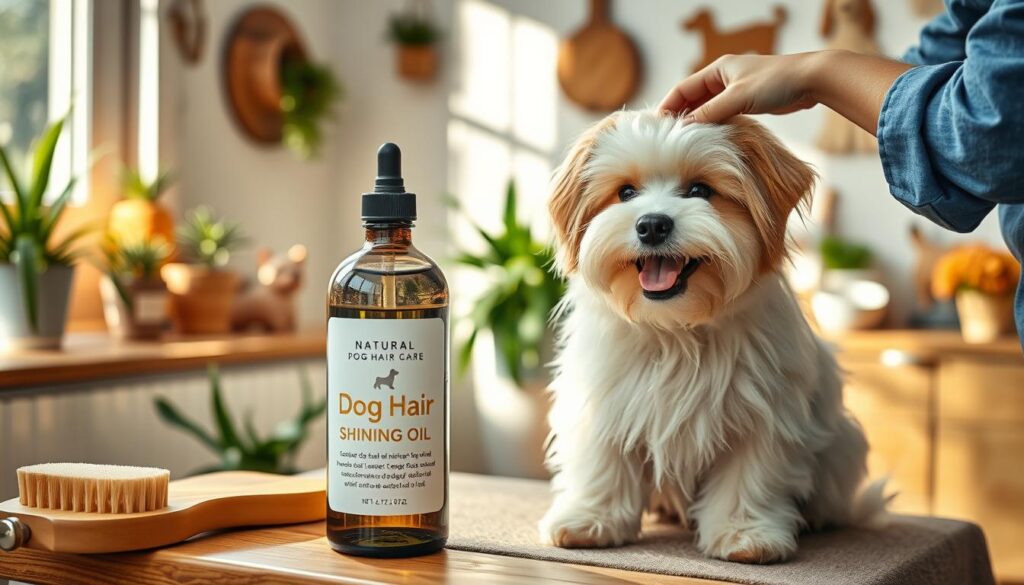
Many owners see big changes with these oils. They say their dogs have softer, more manageable fur after a few uses.
Another big plus is easier brushing. This makes grooming a breeze for both pets and owners. It’s great for dogs that get tangled easily.
Common Concerns
Some users face issues, like the product feeling too greasy or heavy if used too much.
Also, some dogs might not like strong smells. And, rarely, some dogs might get a bit of skin irritation. Always do a patch test first.
Overall Customer Satisfaction
High satisfaction often comes from knowing what to expect with natural dog hair care. Remember, personal stories aren’t a replacement for vet advice.
If an oil doesn’t fix a dull coat, there might be other reasons. Things like chronic stress, hidden parasites, or health issues can affect a dog’s coat more than any product.
How Dog Hair Shining Oil Compares to Other Products
Many people wonder how a premium dog coat oil is different from regular grooming products. Each product has its own role in keeping your pet clean. Knowing these differences helps prevent overbathing, which can dry out your dog’s skin.
Dog Shampoo vs. Dog Hair Shining Oil
Dog shampoo cleanses the fur by removing dirt and excess oils. It opens the hair cuticle to get rid of impurities. On the other hand, a conditioning oil for dog hair seals the cuticle and protects the coat.
Using shampoo too much can make the coat dry and dull. Adding a quality oil after bathing helps restore moisture. If your dog has skin issues, use medicated shampoos as advised by your vet.
Conditioners and Their Benefits
Conditioners help detangle and hydrate the hair shaft. They are great for making the hair easier to manage. But, they wash away during the final rinse.
A conditioning oil for dog hair is left on the coat to add shine and softness. Many owners find that a premium dog coat oil gives a better shine than regular conditioners. This mix keeps the hair healthy and shiny.
| Product Type | Primary Function | Best Used For |
|---|---|---|
| Dog Shampoo | Deep Cleaning | Removing dirt and odors |
| Conditioner | Detangling | Softening and hydration |
| Shining Oil | Surface Luster | Adding shine and manageability |
Potential Side Effects of Hair Shining Oil
A glossy dog hair treatment can make your pet’s coat shine. But, it’s key to know about possible side effects. Even natural products can cause unexpected reactions in some dogs. We care about your dog’s safety and suggest watching their skin after using a new product.
Allergic Reactions
Some dogs might be sensitive to certain ingredients. If your dog has skin allergies, be careful with new products. Look out for these signs of irritation:
- Persistent itching or scratching at the application site.
- Visible redness or inflammation of the skin.
- Swelling or hives appearing shortly after use.
- Unusual discomfort or restlessness.
How to Test for Sensitivity
Do a patch test before using a glossy dog hair treatment on your dog’s whole body. Apply a small amount to a hidden area, like the inner thigh or tail base. Wait 24 hours to see if the skin reacts.
If the skin looks fine and your dog acts normal, it’s likely safe to use it all over. But, if you see redness or discomfort, clean the area with mild soap and water right away. Stop using the product if a reaction happens.
When to Consult a Veterinarian
Coat changes can sometimes mean health issues, not just the product. Call your vet if you see these symptoms with a glossy dog hair treatment:
- Sudden or patchy hair loss.
- Noticeable changes in appetite or energy levels.
- Excessive thirst or frequent urination.
- Persistent skin irritation that doesn’t go away after stopping the product.
Your vet can figure out if it’s just a simple allergy or something more serious. Always have the product label ready to share with your vet.
Frequently Asked Questions (FAQs)
We get a lot of questions about using coat care products for pets. Many owners want to make sure they’re taking good care of their pets without causing any problems. Remember, every dog is different, and their skin and fur needs are unique.
How Often Should I Use Hair Shining Oil?
There’s no one-size-fits-all answer for when to use dog hair shining oil. It’s better to watch how your pet’s coat looks rather than sticking to a schedule. Too much grooming or bathing can dry out their skin.
If your dog’s coat looks dull or brittle, try using the oil once a week. Start with a little bit to see how their skin reacts. Consistency is key, but don’t overdo it to avoid buildup and keep their fur feeling light and clean.
Is Dog Hair Shining Oil Safe for Puppies?
Puppy skin is much more sensitive than adult dog skin. We suggest waiting until your puppy is at least 12 weeks old before using any new grooming products. Always check the label to make sure it’s safe for young, delicate skin.
If you’re not sure, do a small patch test on a tiny area of their leg. Watch the spot for 24 hours to make sure there’s no redness or itching. Safety should always be your top priority when grooming a growing puppy.
Can I Use It on All Dog Breeds?
Most products work well, but dog hair shining oil might not work the same for all breeds. Long-haired breeds might need less oil to avoid weighing down their fur. Short-haired breeds might need a bit more to add shine.
Think about your dog’s breed and their current skin health. If your dog has ongoing skin problems, talk to your vet before adding new products.
| Factor | Recommendation | Frequency |
|---|---|---|
| Puppy Age | Wait until 12+ weeks | As needed |
| Coat Type | Adjust based on length | Weekly |
| Skin Sensitivity | Perform patch test | Initial use |
| Overall Health | Consult your vet | Ongoing |
DIY Dog Hair Shining Oil Recipes
Many pet owners like making their own glossy dog hair treatment. But, remember that homemade solutions are different from food supplements. Always talk to your vet before adding new herbs or oils to your dog’s routine, if they have health issues.
Safety is our top priority when making homemade mixes. Essential oils are too strong for dogs and can be harmful if swallowed. Don’t think a human-safe product is good for your dog.
Coconut Oil and Essential Oil Blend
Coconut oil is great for DIY grooming because it moisturizes. Melt some organic coconut oil until it’s liquid. If you want a scent, use dog-safe essential oils like lavender, but very diluted.
Test a small skin area first to avoid irritation. If your dog gets red or itchy, stop using it right away. Never apply undiluted essential oils to your pet’s coat.
Olive Oil and Herbal Infusion
Olive oil can make a coat shine. Some people mix it with dried herbs like chamomile for its calming effects. Let the herbs steep in the oil for a few days in a cool, dark place before straining.
Make sure the herbs you choose are safe for dogs. Because everyone reacts differently, use herbal infusions carefully. Your vet can help figure out how much is safe for your dog.
Store-Bought Oil Enhancements
If you don’t want to make everything from scratch, you can add natural oils to your dog’s products. A few drops of almond or jojoba oil in their conditioner can add shine. This way, you can customize while keeping the product safe.
Mix these oils in a separate container to avoid spoilage. Taking these steps can help keep your dog’s coat healthy. A good glossy dog hair treatment keeps your pet looking and feeling great.
Grooming Tips for Maintaining a Shiny Coat
Regular grooming is key for natural dog hair care. While oils can help, a full approach is needed. This includes regular care and keeping your pet healthy inside and out.
Brushing Techniques
Brush your dog every three to four days. This keeps their fur in great shape. It spreads natural oils and removes loose fur before it gets tangled.
For dogs that shed a lot, a good de-shedding tool is a must. These brushes get to the undercoat, removing hair and preventing mats. They also help the skin breathe better.
Bathing Frequency
Getting the right bath schedule is important for a shiny coat for dogs. Bathing too much can dry out their skin and make it look dull.
Most dogs do well with a bath every four to six weeks. This depends on how active they are and their breed. Always use a gentle, pH-balanced shampoo to protect their skin.
Nutrition’s Role in Coat Health
A shiny coat for dogs shows in their diet. Food rich in Omega-3 and Omega-6 fatty acids helps their hair grow strong from the inside.
If your dog’s diet is lacking, no oil can make their coat shine. Talk to your vet to make sure your dog is eating well for their breed.
| Grooming Task | Recommended Frequency | Primary Benefit |
|---|---|---|
| Full Brushing | Every 3-4 Days | Removes loose fur and debris |
| Deep Bathing | Every 4-6 Weeks | Cleanses skin and removes odors |
| Nutritional Review | Every 6 Months | Ensures internal coat support |
| De-shedding Session | Weekly (Seasonal) | Reduces heavy shedding buildup |
Conclusion: Achieving a Radiant Coat for Your Dog
Your journey to a healthier pet begins with regular grooming. We recommend brushing your dog often and feeding them a balanced diet. Using the best dog hair products can also make a big difference.
Be sure to watch your pet for any skin changes. Introduce new grooming items one at a time to see how your dog reacts. Check out our top picks for shiny dog fur to find the perfect fit for your pet.
Always be on the lookout for signs of irritation or discomfort. Oil should never cover up persistent itching or health problems. If you see parasites, hormonal changes, or sudden skin redness, contact your vet.
Quality care means looking at your pet’s overall health. By choosing the best dog hair products and paying attention to your dog’s needs, you set them up for a vibrant life. We hope these tips help you keep your furry friend looking and feeling their best every day.