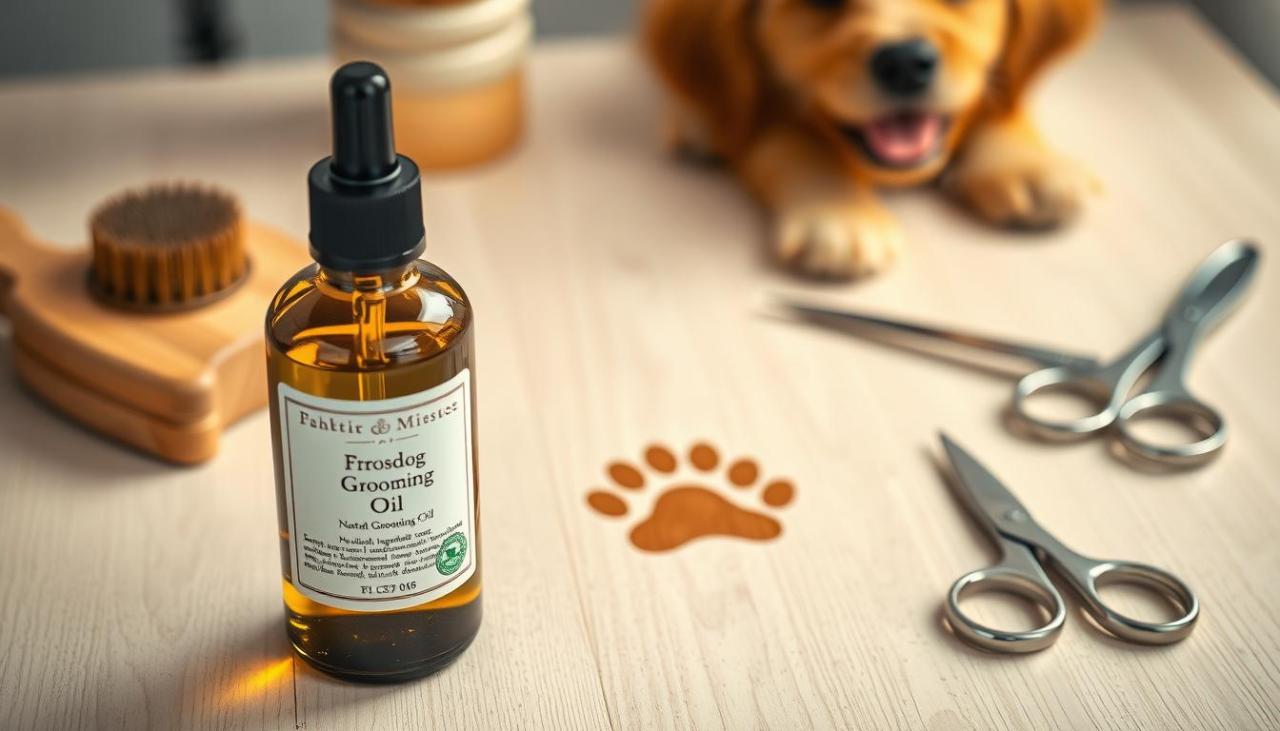
Did you know a pet’s skin is the biggest organ? It often shows signs of internal health problems. A dull coat can mean your pet is missing nutrients or stressed.
We think a shiny coat comes from good food, regular brushing, and vet visits. At our dedicated team page, we say topical solutions are key. A good dog grooming oill keeps moisture in and protects the skin after a bath.
These oils are great for keeping skin hydrated. But, they can’t replace a healthy diet or keeping parasites away. Always talk to your vet if your pet’s skin changes suddenly. By adding these habits, your pet will stay happy and look great every day.
Key Takeaways
- Coat condition serves as a primary indicator of your pet’s overall internal health.
- Topical treatments work best when paired with a balanced diet and regular veterinary checkups.
- Always prioritize safety by choosing products specific to canine skin pH levels.
- Topical applications help seal in moisture and protect against environmental stressors like dry air.
- Professional advice remains essential if you notice persistent skin irritation or hair loss.
What is Dog Grooming Oil?
Understanding topical oils is key to a shiny, healthy coat for your dog. It’s a topical conditioner that supports skin and hair. It adds back moisture lost to the environment.
Many owners don’t know that too much bathing can harm a dog’s coat. It removes natural oils, causing dryness and dullness. A natural dog grooming oil helps keep the coat healthy and easy to brush.
Understanding Ingredients in Dog Grooming Oils
Good products use gentle, plant-based ingredients. They provide hydration without being greasy.
Coconut oil is great for its deep hydration and soothing dry skin. Some oils also have vitamin E or aloe vera for extra nourishment. Remember, every dog is different, so some may react to certain ingredients.
Benefits of Using Dog Grooming Oil
The main dog grooming oil benefits are better texture, shine, and skin hydration. These oils keep the coat from breaking and looking dull. But, they’re not a cure for skin problems or infections.
We’ve listed common grooming oils and their benefits to help you choose:
| Oil Type | Primary Benefit | Best For |
|---|---|---|
| Coconut Oil | Deep Hydration | Dry, flaky skin |
| Argan Oil | Coat Shine | Dull, brittle hair |
| Jojoba Oil | Skin Balancing | Sensitive skin types |
| Almond Oil | Softness | Detangling long coats |
How to Choose the Right Dog Grooming Oil
Choosing the right grooming oil for your dog is more than just picking a bottle. Marketing claims can be confusing. Look beyond the packaging to find the best dog grooming oil that meets your dog’s needs.
Factors to Consider When Selecting Oil
Start by checking the ingredients. Look for natural components and avoid harsh chemicals. An organic dog grooming oil is often safer, reducing the risk of allergic reactions.
Think about the oil’s texture and scent. A thick oil might be good for thick coats but not for fine ones. Also, choose a scent that’s mild, as strong smells can bother your dog’s sensitive nose.
Remember, grooming oils are just part of the picture. Your dog’s coat health also depends on proper nutrition. A balanced diet with omega-3 and omega-6 fatty acids is crucial. No oil can replace a good diet.
Popular Brands to Explore
Look for top-rated dog grooming oil from reputable companies. These brands usually have clear ingredient lists and usage instructions. Make sure the oil is made for dogs, as human oils can be toxic.
Start with brands that veterinarians and groomers recommend. Read labels carefully to match the oil to your dog’s skin type. This research will help your dog have a healthier, shinier coat.
Applying Dog Grooming Oil: Step-by-Step Guide
We believe that the secret to a healthy coat lies in the proper application of dog grooming oil. Using the right technique ensures that your pet receives the full benefits of these products without any discomfort or residue buildup.
Preparing Your Dog for Grooming
Before you begin, it is vital to brush your dog thoroughly to remove any existing tangles or mats. Brushing every three or four days helps maintain a smooth coat and prevents painful knots from forming before you apply any product.
Once the fur is clear, inspect the skin for any signs of irritation or redness. We always recommend performing a patch test by applying a tiny amount of natural dog grooming oil to a small, inconspicuous area to ensure your dog has no adverse reaction.
How to Apply Oil Properly
When you are ready to apply the oil, start with a very minimal amount. You can use your clean hands or a specialized grooming tool to distribute the product evenly.
Focus on working the oil from the surface of the coat toward the ends of the hair. Avoid saturating the fur, as a little goes a long way in providing shine and protection. Consistency is far more important than the quantity used during each session.
Recommended Frequency of Use
We suggest observing your dog’s coat and skin condition rather than following a rigid schedule. Over-bathing can strip away protective natural oils, so it is best to supplement only when the coat feels dry or brittle.
By monitoring your pet, you can determine exactly when they need a boost of hydration. This mindful approach keeps their skin healthy and their coat looking vibrant throughout the year.
| Step | Action | Goal |
|---|---|---|
| Preparation | Brush thoroughly | Remove mats |
| Testing | Patch test | Ensure safety |
| Application | Minimal amount | Even distribution |
| Maintenance | Observe coat | Prevent dryness |
Top Benefits of Regular Dog Grooming Oil Use
Using the right grooming oil can make a big difference in your dog’s coat. It can turn a dull coat into a shiny, healthy one. Knowing the dog grooming oil benefits helps us care for our pets better. These oils protect our dogs from environmental stress.
Enhancing Coat Health and Shine
Using a good dog grooming oil for healthy coat makes your dog’s coat look better right away. These oils go deep into the hair to keep it hydrated. This helps fight dryness and makes the coat shiny.
These oils also help keep the skin healthy. A hydrated coat is easier to brush and less likely to get tangled. It’s important to pick the right oil for your dog’s hair type for the best results.
Reducing Shedding and Dander
Using oils in your grooming routine can make your home cleaner. These oils don’t stop shedding, but they help catch loose hair and dander. This keeps your furniture and floors clean.
Remember, oils are not a fix for all health problems. If your dog sheds a lot, itches a lot, or has red patches, see a vet. Always put your dog’s health first, along with their looks.
| Condition | Grooming Oil Role | When to See a Vet |
|---|---|---|
| Dry, Dull Coat | Provides hydration and shine | If condition persists after use |
| Minor Dander | Helps trap and remove flakes | If skin is inflamed or bleeding |
| Excessive Shedding | Collects loose hair during brushing | If bald spots appear suddenly |
| Itchy Skin | Soothes surface irritation | If scratching causes open wounds |
Common Mistakes to Avoid When Using Dog Grooming Oil
Getting a beautiful coat is more than just using products. It’s about knowing what not to do. We all want our pets to look great, but wrong techniques can cause skin problems or a messy coat. It’s key to understand how to use dog grooming oil right.
Over-application of Oil
Many think more product means better results. But using too much dog grooming oil makes fur greasy and heavy. This attracts dirt and messes up your work.
Too oily fur also clogs grooming tools, making them hard to clean and less effective. Dogs might also lick their fur a lot to get rid of the oil. If your dog is grooming themselves a lot after treatment, you’ve used too much.
Using Human Products on Dogs
Some owners wonder if they can use their hair care on pets. But, human products are not made for dogs. They have fragrances and chemicals that are unsuitable for dogs.
The best dog grooming oil is made just for dogs. It keeps their natural oils balanced. Using human products can dry out, itch, or cause allergies. Always use products made for pets to keep them safe and comfortable.
| Practice | Result | Recommendation |
|---|---|---|
| Excessive Application | Greasy, dirty coat | Use sparingly |
| Human Hair Products | Skin irritation | Use pet-specific oil |
| Ignoring Reactions | Persistent licking | Consult a veterinarian |
If your dog shows signs of discomfort, like licking a lot, vomiting, or red skin, stop the product right away. Always talk to your vet if you think there’s a bad reaction. Keeping your dog’s health first makes grooming a good time for both of you.
DIY Dog Grooming Oil Recipes
Making your own dog grooming oil lets you pick what touches your dog’s skin. Many store-bought products work well, but making your own can be fun. Start with simple, gentle ingredients to keep your pet happy and comfortable.
Natural Ingredients for Homemade Formulas
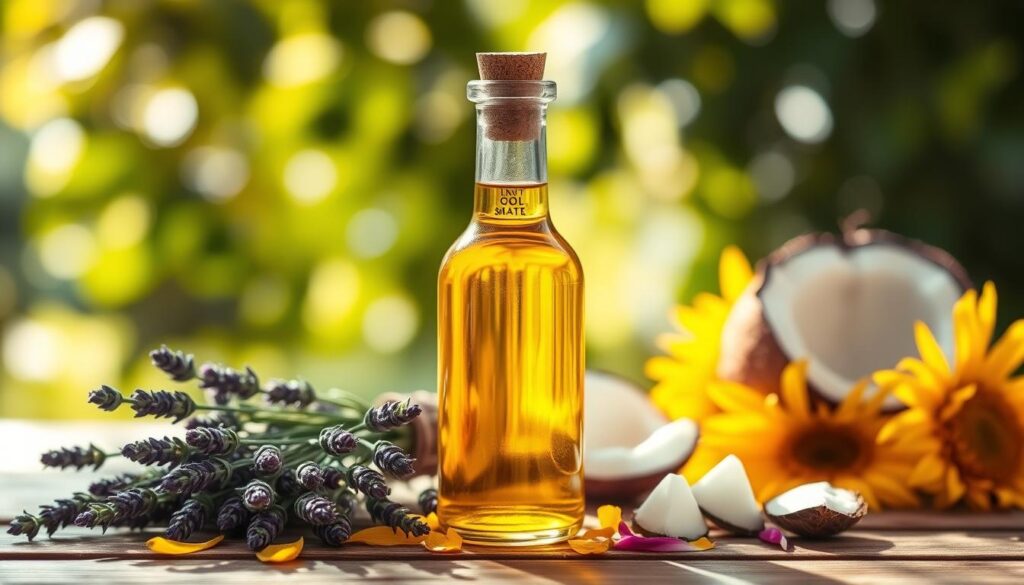
Choose high-quality, food-grade items for your base. Organic coconut oil is great for moisturizing dry skin. An oatmeal-based rinse can soothe sensitive coats.
It’s important to know the difference between grooming oils and food supplements. Never add anything to your dog’s food without a vet’s okay. Also, supplements like horsetail or spirulina need a vet’s advice and should not be used in grooming oils.
| Ingredient | Primary Benefit | Best Use Case |
|---|---|---|
| Coconut Oil | Deep Hydration | Dry, flaky skin |
| Oatmeal Extract | Soothing | Itchy or irritated skin |
| Aloe Vera Gel | Cooling | Minor skin redness |
Essential Oils Safe for Dogs
Many think any essential oil for dog grooming is safe because it’s natural. But, these oils are very strong and can be harmful. Always get advice from a vet before making any blends.
If you use an organic dog grooming oil with botanicals, make sure it’s made for dogs. Never put undiluted oils on your dog’s coat. Always check the safety of essential oil for dog grooming before using it.
Specific Needs: Grooming Oils for Different Breeds
Dog breeds vary a lot, and so do their grooming needs. Coat length, density, and texture affect how grooming oils work. It’s important to choose the best dog grooming oil for your pet’s unique needs.
Oils Best Suited for Long-Haired Breeds
Long-haired dogs often get tangled and matted. We suggest using lightweight, water-soluble oils. These oils hydrate without making the hair heavy or greasy.
For long-haired breeds, using oil before grooming helps prevent breakage. It keeps the hair soft and easy to manage. Always check with your vet if your dog’s skin is dry or irritated.
Grooming Oils for Short-Haired Breeds
Short-haired dogs need less oil because their coats don’t get tangled. Use a small amount to add shine and keep the skin healthy. Apply the oil to your palms or a soft mitt, not directly to the coat.
This way, the oil spreads evenly and doesn’t build up on the skin. It keeps the fur looking great. Watch for any signs of skin sensitivity, as even the best dog grooming oil can cause issues.
| Coat Type | Oil Consistency | Application Method | Primary Benefit |
|---|---|---|---|
| Long/Silky | Lightweight/Spray | Mist before brushing | Detangling |
| Double/Dense | Medium/Serum | Massage into base | Skin hydration |
| Short/Smooth | Light/Oil-based | Apply via mitt | Natural shine |
| Wire/Coarse | Heavy/Natural | Spot treatment | Texture control |
Frequently Asked Questions About Dog Grooming Oils
We get a lot of questions about using grooming products on pets. Many owners want to know how to use dog grooming oil safely and effectively. It’s important to understand your dog’s needs before using these products.
How Often Should I Use Dog Grooming Oil?
There’s no one-size-fits-all answer for how often to use grooming oil. It depends on your dog’s coat type and lifestyle. For most dogs, using it occasionally keeps their coat shiny and healthy.
Dogs with long fur might need it more often to avoid tangles. Short-haired dogs might need less to avoid being too greasy. Watch how your dog reacts to the dog grooming oil to find the right frequency.
Is Dog Grooming Oil Safe for All Dogs?
Many grooming oils are gentle, but not all are safe for every dog. Be careful if your dog has skin problems or allergies. If your dog shows signs of irritation, stop using it right away.
If your dog’s coat looks dull and they’re losing hair, see a vet. These signs could mean a bigger health issue. Always get advice from a vet for any skin problems.
| Coat Type | Application Frequency | Primary Benefit |
|---|---|---|
| Long/Silky | Weekly | Detangling |
| Short/Smooth | Monthly | Natural Shine |
| Wire/Coarse | Bi-weekly | Skin Hydration |
| Sensitive | As Needed | Soothing Relief |
By following these tips, you can use dog grooming oil safely. Remember, being consistent and watching your dog’s reaction is key. Choose high-quality products for the best results.
Conclusion: Achieving a Healthy Coat with Dog Grooming Oil
Your pet’s coat should show their health and energy. Using a good dog grooming oil helps keep their coat shiny and healthy. It works best when you brush them regularly and feed them well.
Building a Sustainable Grooming Habit
Make grooming a regular part of your pet’s routine. Use the oil carefully to avoid too much buildup. Focus on dry areas. A healthy coat comes from balanced meals, exercise, and keeping parasites away.
Monitoring Your Dog for Optimal Results
Keep an eye on your dog’s skin and fur. Changes in texture or smell can mean more than just grooming needs. Using grooming oil is best when it’s part of a healthy lifestyle. If you see big changes, talk to your vet. They can help your pet stay healthy.