A pet’s skin makes up nearly 15% of its total body weight. This large organ acts as the main barrier against environmental stressors and external threats.
We often seek a quick way to improve our companion’s appearance. Using a dog oil for shiny coat may help, but it is only one part of a larger plan.
True radiance comes from balanced nutrition, regular grooming, and effective parasite control. Over-bathing can remove essential moisture. We recommend brushing every few days to spread natural sebum effectively.
This guide explains how to choose and safely apply products that support your pet’s well-being. We provide practical steps to help your furry friend stay healthy from the inside out.
Key Takeaways
- A healthy appearance relies on nutrition, grooming, and parasite prevention.
- Frequent bathing often removes natural protective barriers from the skin.
- Brushing every three to four days helps maintain a smooth, clean look.
- Topical treatments should complement a broader wellness routine.
- Always prioritize safety when choosing new grooming products.
What is Dog Oil and How Does it Work?
Many pet owners ask what dog oil is and how it helps keep a coat healthy. At its core, it is a natural dog coat conditioner that owners can apply to skin or add to meals. The formula may nourish skin from the outside in or inside out.
Understanding the Ingredients in Dog Oil
Product labels often list several helpful ingredients. Common choices include plant oils, such as flaxseed or sunflower oil, and fish oils rich in essential nutrients. Some formulas also contain added vitamins to support skin health.
It is crucial for owners to read these labels before use. These products act as a natural dog coat conditioner, but they should complement, not replace, a balanced diet. These oils support wellness, but they cannot replace professional veterinary care.
The Role of Omega Fatty Acids
Omega-3 and omega-6 fatty acids are key ingredients in most high-quality coat oils. These healthy fats help maintain the skin’s moisture barrier and create a lustrous, shiny coat. By reducing dryness, they help keep your dog comfortable and looking its best.
However, owners must use the correct dosage. Too much of these supplements can cause side effects, such as nausea or stomach upset. Follow the recommended guidelines so your pet gains the benefits of a natural dog coat conditioner without digestive discomfort.
Benefits of Using Dog Oil for a Shiny Coat
A lustrous, healthy coat often starts inside with the right nutritional support. Many owners add specific oils to their pet’s daily routine to maintain vibrant fur. Used correctly, these oils rank among the best dog coat supplements for supporting healthy skin.
Promotes Healthy Skin and Coat
Suitable oils add moisture to dry skin, which can improve fur texture. They nourish hair follicles and help create a smoother, more resilient coat that shines. Omega fatty acids also help build a strong skin barrier.
More is not always better with supplements. Seek veterinary guidance before adding concentrated oils to your dog’s diet. This step matters especially if your pet has digestive sensitivities or other medical conditions.
Reduces Shedding and Dandruff
Oils can help, but they are only one part of managing heavy shedding or lasting dandruff. A healthy coat also needs regular brushing and steady bathing habits. These practices remove loose hair and spread natural oils across the skin.
Nutrition also strongly affects your dog’s daily skin health. If you want the best dog coat supplements, choose ones that support a balanced diet. A professional can address skin problems better than supplements alone.
Choosing the Right Dog Oil for Your Pet
Choosing the right oil can support your pet’s wellness journey. Many products promise a shiny coat for dogs, but flashy marketing claims should not guide your choice. Study the product’s ingredients to confirm it supports your companion’s health.
Factors to Consider When Selecting Dog Oil
Prioritize ingredient transparency when you compare supplements. Quality products list their sources clearly and avoid hidden fillers or unnecessary additives. Check whether each formula suits your dog’s age, weight, and current health.
Before starting any new regimen, consider these essential criteria:
- Purity: Look for cold-pressed or human-grade oils.
- Dosage: Ensure the packaging provides clear, easy-to-follow instructions.
- Sustainability: Choose brands that prioritize ethical sourcing.
A dull or matted coat can signal poor nutrition or an underlying medical condition. If skin issues persist, ask your veterinarian to rule out health concerns before using supplements alone.
Top Brands for Quality Dog Oil
Choose a reputable manufacturer to support safety and efficacy. Consider trusted natural pet wellness companies, such as Wholistic Pet Organics. These brands often provide nutrients needed for a healthy, shiny coat for dogs without compromising quality.
Established brands offer rigorous testing and consistent quality control. Avoid generic formulas with artificial preservatives or ingredients unsuitable for pets. Premium products help ensure your dog receives strong support for skin and coat health.
How to Apply Dog Oil Effectively
When using an organic dog oil for coat care, learn how to apply it correctly for your pet’s comfort. Read the product label before starting any new grooming routine. Follow the manufacturer’s instructions instead of estimating quantities.
Recommended Application Methods
Topical treatments are massaged into the fur or skin for immediate moisture. Oral supplements work differently. When using an organic dog oil for coat health, test a small, hidden area first for skin sensitivity.
Gently massage topical oil into the fur so it reaches the skin. Some formulas allow dilution or mixing with shampoo, but check the label first. Prevent your dog from licking the area after application to avoid swallowing too much residue.
Frequency of Use
The best schedule for using an organic dog oil for coat depends on the product and your dog’s coat condition. Ask your veterinarian which schedule fits your pet’s needs. Overuse may cause greasy fur or skin irritation, so use the oil moderately.
| Application Type | Primary Benefit | Best Practice |
|---|---|---|
| Topical | Surface hydration | Massage into skin |
| Oral | Internal nourishment | Mix with food |
| Shampoo Additive | Deep conditioning | Follow dilution ratio |
Consistency matters more than volume. Watch your dog’s skin over time, then adjust the frequency for the best results. Always prioritize your pet’s comfort above all else when introducing new grooming habits.
Common Mistakes When Using Dog Oil
We want the best for our pets, but good grooming habits can still cause problems. Using canine coat care products requires knowledge and careful observation. Avoiding common mistakes helps keep our furry companions comfortable and healthy.
Overapplication Concerns
Applying too much oil to a dog’s coat is a common mistake. A healthy shine is helpful, but soaked fur becomes greasy and attracts dirt and debris. This buildup may require more baths, which can remove the natural oils we want to protect.
Human products are not safe for pets. Many human-grade oils contain fragrances or additives that may irritate sensitive canine skin. Always perform a patch test on a small area before full application, checking for redness or itching.
Ignoring Dietary Factors
Topical treatments should not be viewed as a complete solution for skin health. High-quality canine coat care products work best with a balanced diet rich in essential nutrients. If a dog has dull fur, first check its nutrition and hydration.
A visible shine does not always prove internal health. If digestive upset or worsening skin conditions appear after a new product, stop using it immediately. Consult a veterinarian to learn whether an allergy or poor grooming practice caused the problem.
True coat health begins from within, supported by proper nutrition and consistent, gentle grooming routines.
Natural Alternatives to Dog Oil
When seeking pet products for glossy fur, you may find natural oils that promise similar results. Though specialized dog oils are popular, many owners try household staples for their pets’ skin and coat health. Use these options carefully and seek professional guidance.
Coconut Oil and Its Benefits
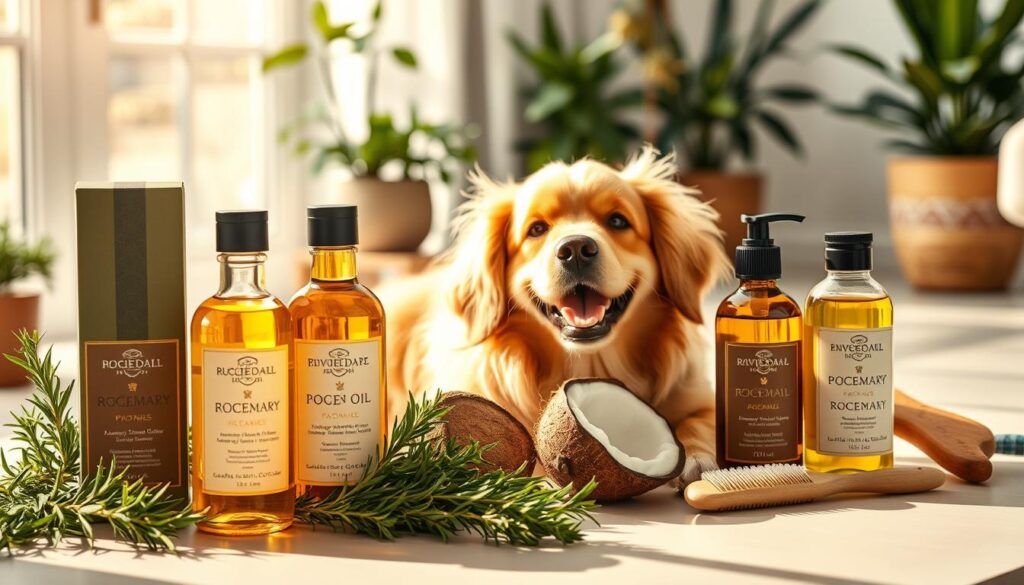
Coconut oil may soothe dry skin and improve a dog’s coat texture. Many owners like its pleasant scent and moisturizing properties. However, give your pet only a careful amount.
Too much coconut oil can cause unwanted side effects, such as diarrhea or unwanted weight gain. Its high saturated fat content may make it unsuitable for dogs with certain health conditions. If you try it, always begin with a very small amount.
Fish Oil as a Supplement
Fish oil is a common dog supplement because it contains many omega-3 fatty acids. These nutrients feature in various pet products for glossy fur that help maintain skin integrity. Unlike coconut oil, fish oil usually supports internal health rather than serving as a topical treatment.
Before adding a supplement to your dog’s diet, discuss its dosage with your veterinarian. A professional can review your pet’s medical history and check whether the supplement is safe and appropriate. They can also help decide whether these natural alternatives suit your specific situation.
| Feature | Coconut Oil | Fish Oil |
|---|---|---|
| Primary Use | Skin soothing/Topical | Omega-3 Supplementation |
| Key Benefit | Coat texture improvement | Internal health support |
| Risk Factor | High saturated fat | Potential for rancidity |
| Consultation | Required | Required |
Dog Oil and Allergies: What to Know
Even popular shiny coat treatments for pets can trigger sensitivities in some dogs. A dog’s comfort and safety should always come before appearance.
Recognizing Allergic Reactions
Watch your dog closely after applying any new product. Common signs of an allergic reaction include itching, redness, swelling, or sudden hives. You may also notice an unusual odor, extra licking, or more dandruff.
If you see these signs, discontinue the use of the oil immediately. Seek veterinary guidance for severe reactions, such as breathing trouble, facial swelling, or intense skin irritation. These symptoms need professional medical care to keep your pet safe.
Alternatives for Sensitive Dogs
If your dog has a history of skin issues, explore gentler options. Oatmeal baths may offer temporary comfort for irritated skin, but they cannot replace a veterinarian’s diagnosis when symptoms persist.
Consider these alternatives to maintain a healthy look without causing irritation:
- Fragrance-free grooming products that are specifically formulated for sensitive skin.
- Veterinarian-approved diets that support skin health from the inside out.
- Consistent parasite control to prevent itching caused by fleas or mites.
Choose the right shiny coat treatments for pets and watch your dog’s needs to support a happy, healthy dog. Always consult your local clinic before introducing new substances to a dog with known allergies.
Ensuring Doggy Wellness Beyond Coat Health
We believe a happy dog needs good nutrition and regular grooming. Using healthy coat oils for dogs gives your dog’s coat noticeable shine. These products work best with a strong wellness foundation. True vitality reflects both inner health and outer care.
The Importance of a Balanced Diet
A complete, balanced diet supports your pet’s physical health. When your dog gets the right nutrients, its skin and fur become more resilient. You can improve dog coat skin health with high-quality proteins and essential fatty acids.
Be mindful of the treats you offer throughout the day. Choose nutritious snacks instead of empty calories. A vitamin-rich diet helps maintain the effectiveness of any healthy coat oils for dogs you use.
Regular Grooming Practices
Regular grooming is more than cosmetic care. Brushing spreads natural oils across the fur and helps you spot irritation or parasites. Persistent scratching or unusual shedding means you should consult your veterinarian.
Professional grooming helps breeds with specific coat needs. Keeping your dog clean and pest-free protects its skin barrier. Combined with healthy coat oils for dogs, these habits create a complete care routine for long-term wellness.
| Wellness Factor | Primary Benefit | Frequency |
|---|---|---|
| Balanced Nutrition | Internal organ and skin health | Daily |
| Regular Brushing | Oil distribution and debris removal | Weekly |
| Parasite Prevention | Skin protection and disease control | Monthly |
| Veterinary Checkups | Early detection of health issues | Annually |
Sudden changes in your dog’s coat often signal an underlying issue. If your pet’s skin stays dry or dull, seek professional medical advice. Prioritizing your dog’s overall health helps keep them comfortable and vibrant for years.
Real Stories: How Dog Oil Has Helped Pets
Many pet parents see remarkable changes after adding quality oils to their companions’ daily routines. Within a few weeks of consistent use, owners often report softer fur, less dryness, and reduced shedding.
Testimonials from Happy Dog Owners
Sarah Miller noticed her Golden Retriever, Cooper, stopped scratching his back after she began using Grizzly Salmon Oil. She took weekly photos to track his progress and monitor his coat’s texture. These experiences show that individual dogs respond differently to various products.
We encourage you to keep a simple log of your pet’s skin health and coat shine. Documenting small changes helps you learn what works best for your specific breed. Always share your observations with your veterinarian before major changes to your pet’s wellness plan.
The Transformation of the Family Pet
Lasting vitality requires more than a topical treatment or one supplement. True shiny dog essentials include a balanced diet, regular brushing sessions, and proper parasite prevention. Together, these habits support your dog from the inside out.
A complete care routine helps your pet stay comfortable and vibrant for years. Oils can boost coat appearance, but they are only one piece of the puzzle. Your commitment to holistic health creates the best results for your furry friend.