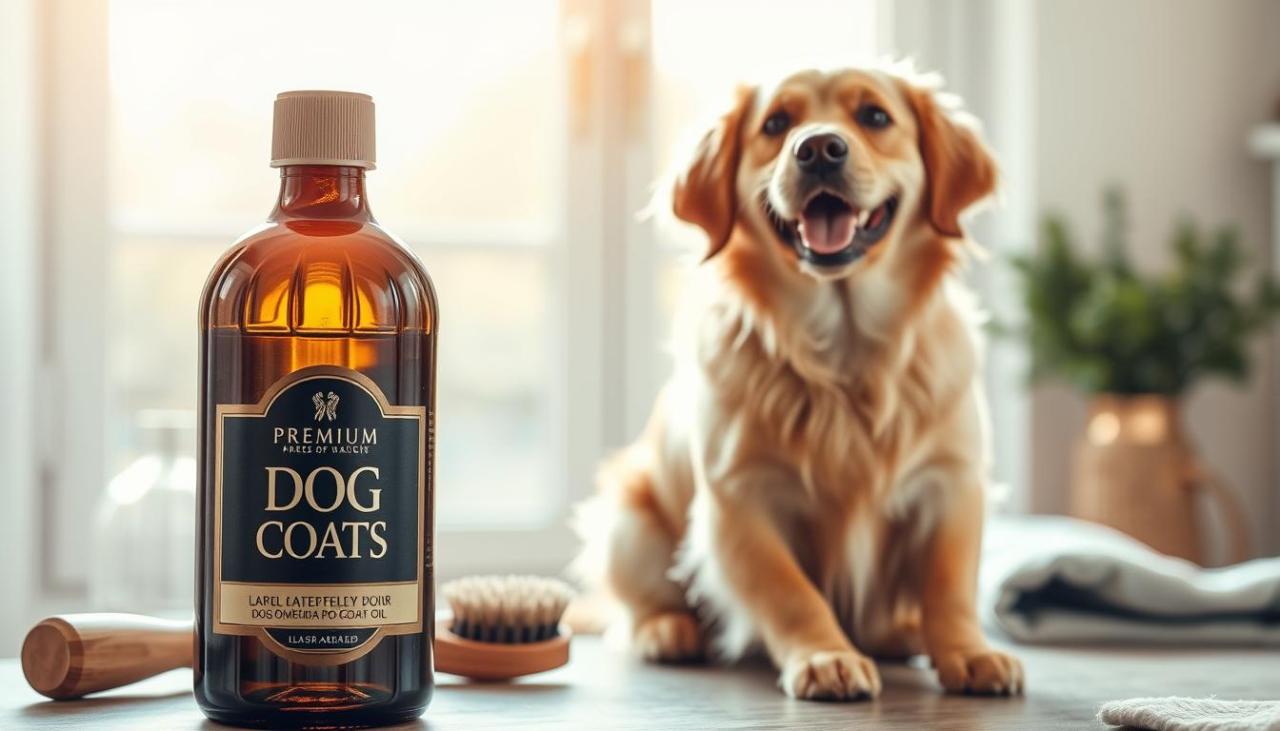
A canine’s skin is roughly three times thinner than human skin. This delicate barrier defends against environmental stressors, so proper care supports your pet’s comfort. When we buy dog coat oil, we support a vital organ system, not only a shiny appearance.
Many owners want a glossy coat, but true wellness needs balanced nutrition, regular grooming, and veterinary guidance. A healthy exterior offers crucial temperature regulation and protection from the elements.
Assess your companion’s needs before you purchase dog coat oil. Choose products for those needs to help your furry friend stay comfortable and protected through changing seasons.
Key Takeaways
- Skin health is a primary indicator of your pet’s overall internal wellness.
- Topical treatments provide essential moisture and protection against environmental damage.
- Aesthetics like shine are secondary to the functional benefits of a healthy dermis.
- Always consult with a veterinarian to address underlying nutritional deficiencies.
- Select products based on specific breed needs and current skin conditions.
Importance of Dog Coat Health
Your dog’s fur shows more than beauty; it can reveal their overall physical health. Although grooming improves looks, a bright coat often reflects good health and proper nutrition.
The right nutrients support your pet’s immune system and skin barrier. Using the best dog coat oil can support this wellness plan, helping your companion feel as healthy as they look.
Recognizing the Benefits of a Healthy Coat
A healthy coat does more than shine; it protects your dog from environmental stressors. Essential fatty acids, specifically omega-3 and omega-6, help maintain skin strength and reduce inflammation.
“The skin is the largest organ of the body, and its condition is often the first sign of a dog’s internal health status.”
These fatty acids help seal in moisture and prevent dryness, itching, and discomfort. By caring for your dog’s coat, you also support their overall physical system.
Signs of a Healthy Dog Coat
You can spot a healthy coat by checking a few physical traits. A healthy dog often has a natural gloss, strong fur that resists breaking, and skin without redness or flakes.
Check your pet’s skin and fur often. Sudden changes, such as heavy shedding or dullness, may mean it is time to call your veterinarian. The best dog coat oil may ease minor dryness, but persistent issues need professional advice to rule out underlying conditions.
What is Dog Coat Oil?
In canine grooming, “coat oil” means topical treatments and internal supplements. These products nourish skin and hair follicles from outside in or inside out. Whether you buy dog coat supplement oil or use a topical spray, the goal is healthier, shinier fur.
Ingredients Found in Dog Coat Oils
Quality formulas blend essential nutrients that support the skin barrier. Common ingredients include omega-3 and omega-6 fatty acids, which can reduce inflammation and help skin retain moisture. Reputable products often list fish oil, flaxseed oil, biotin, and B vitamins.
“The skin is the largest organ of the body, and its health is a direct reflection of the nutrients provided through a balanced diet and targeted supplementation.”
Before you decide to buy dog coat supplement oil, review the ingredient list carefully. Some dogs may react badly to certain oils or additives. Ask your veterinarian whether the product suits your dog’s health profile and dietary needs.
How Dog Coat Oil Works
These oils replace natural lipids lost through frequent bathing or harsh environmental conditions. Topical oils form a protective barrier that locks in moisture and prevents dryness. Internal supplements send concentrated nutrients to hair follicles, supporting stronger, shinier growth from the root.
Knowing how these products work helps us make better choices for our pets. Adding oil to a steady care routine can manage dullness and brittle fur. Patience matters because visible improvements in your dog’s coat quality often take several weeks of consistent use.
Types of Dog Coat Oils Available
Knowing the differences between coat oils helps you make an informed purchase. Every dog has unique needs based on lifestyle, environment, and physical condition. Learning about each product type can support your pet’s skin and fur health.
Natural vs. Synthetic Options
When you buy natural dog coat oil, you often choose products made from plants, such as flaxseed or coconut. These oils suit owners who avoid artificial additives and preservatives. Many owners find botanical blends gently nourish the skin.
Synthetic formulas are designed for specific benefits, such as fast absorption or stronger scents. Some owners prefer organic dog coat oil because of its purity. Synthetic versions can help dogs with specific skin needs, so read labels and check ingredients against your dog’s health profile.
Specific Formulations for Different Breeds
Breed traits help determine which oil may work best for your dog. Long-haired breeds often need light, non-greasy formulas to prevent matting. Short-haired dogs may need richer, moisturizing oils, and age or sensitivities also matter.
For example, dogs that cannot tolerate fish ingredients may need flaxseed-based alternatives. These oils provide essential fatty acids without common allergens in marine-sourced products. Watch for irritation whenever you introduce a new supplement.
| Oil Type | Primary Benefit | Best For |
|---|---|---|
| Natural Flaxseed | Omega-3 Support | Sensitive Stomachs |
| Synthetic Blend | Rapid Shine | Show Dogs |
| Organic Coconut | Skin Hydration | Dry, Itchy Skin |
Key Benefits of Using Dog Coat Oil
We often seek simple grooming habits that improve our dog’s appearance and comfort. Adding a premium dog coat oil to your routine can improve your pet’s fur texture and health. Use it with a balanced diet, regular bathing, and consistent brushing, not instead of them.
Enhancing Shine and Softness
One quick benefit of using a premium dog coat oil is a visible boost in luster. These oils smooth the hair cuticle, which reflects more light and creates a healthy, vibrant shine. After regular use, your dog’s coat will likely feel softer to the touch.
These products coat each hair shaft and shield it from dust and dry air. This barrier holds moisture and helps prevent brittle hair, tangles, and mats. Used correctly, these oils make grooming easier for you and your dog.
Reducing Shedding and Dander
Many owners deal with loose hair and skin flakes throughout the home. A premium dog coat oil can help by keeping the skin hydrated and supple. Moist skin is less likely to create excess dander, a common source of irritation.
Oil conditions the skin and may help manage shedding by keeping hair follicles strong and flexible. Regular brushing remains essential because it spreads oil from roots to tips and removes loose fur. Together, these habits support coat care and help your dog look and feel their absolute best.
How to Choose the Right Dog Coat Oil
Finding a top rated dog coat oil takes more than grabbing the first bottle on the shelf. Every pet owner should feel confident about products applied to a furry friend’s skin. Review your specific needs first for better results and your dog’s overall appearance.
Factors to Consider Before Buying
When you begin, consider your dog’s unique physical traits. Long-haired breeds may need a light, non-greasy formula. Dogs with thick double coats may need richer, deep-conditioning oil. Always match the oil to your dog’s size and hair texture for better absorption.
Choose an application method that fits your lifestyle. Some oils come in spray bottles for quick touch-ups, while others need massage during a bath. Choose a format that keeps your dog calm and comfortable.
| Feature | Short Coat | Long/Thick Coat |
|---|---|---|
| Oil Weight | Lightweight | Rich/Deep |
| Application | Spray | Massage |
| Primary Goal | Surface Shine | Detangling |
Reading Product Labels and Ingredients
Clear labels matter when shopping for a top rated dog coat oil. Look for ingredient lists that separate cosmetic additives from nutritional components. Quality products often contain natural oils, such as coconut, argan, or salmon oil, for lasting benefits beyond temporary shine.
“The quality of the ingredients you choose today directly impacts the health and vitality of your pet’s coat tomorrow.”
If your dog shows redness, thinning, or unusual dryness, consult your veterinarian before using a new product. Professional guidance helps you address underlying skin conditions safely. Read labels carefully and choose natural, high-quality ingredients for a top rated dog coat oil that supports your dog’s wellness.
Application Techniques for Dog Coat Oil
When you buy dog coat oil online, you take a great step toward better skin and fur health. Its effectiveness depends on how you apply it to your dog. Use a thoughtful approach based on your dog’s needs and lifestyle.
When to Apply Dog Coat Oil
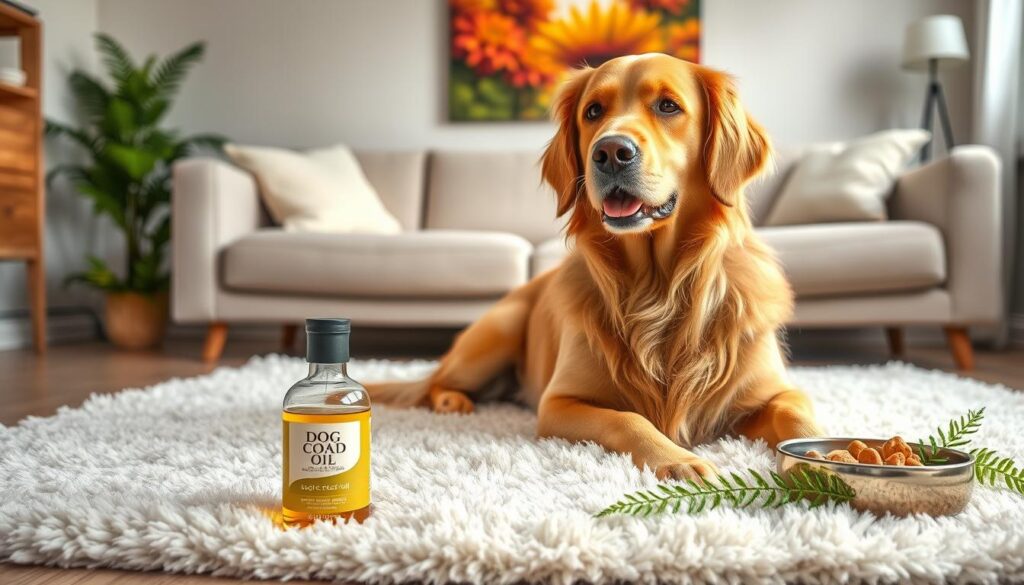
Apply oil after a bath, while the coat remains slightly damp, to help lock in moisture. For daily care, apply it before brushing to spread the product evenly through the fur.
Plan the schedule around your dog’s coat type. Long, thick hair may need more frequent applications to prevent tangles. Short-haired breeds may need only a light touch-up once a week.
Watch how your dog’s skin reacts before setting a permanent routine.
Best Practices for Application
Before you start, read the manufacturer’s directions carefully. We strongly advise a patch test on a small skin area to check for an allergic reaction. Use only the recommended amount to keep the coat from feeling greasy or heavy.
Avoid the eyes and ears, which are sensitive areas. Store bottles properly to maintain product quality. Keep them in a cool, dark place because heat, direct sunlight, and freezing temperatures can degrade ingredients over time.
| Coat Type | Application Frequency | Primary Benefit |
|---|---|---|
| Long/Silky | Every 2-3 days | Prevents matting |
| Short/Smooth | Weekly | Enhances natural shine |
| Wire/Coarse | Bi-weekly | Softens texture |
| Double Coat | Monthly | Reduces dander |
By following these simple steps, you help ensure products bought as dog coat oil online provide the best results. Consistency and caution help create a happy, healthy, shiny companion.
Frequently Asked Questions About Dog Coat Oil
When you decide to buy dog coat oil, questions about your pet’s grooming routine are natural. We want you to feel confident before applying a new product to your dog’s skin or fur.
How Often Should I Use Dog Coat Oil?
There is no universal rule for application frequency, as it depends on your dog’s coat condition and product instructions. Some owners may use a light spray daily, while others need treatment only once a week.
Always check the manufacturer’s label for guidance tailored to the formula you purchased. A dry or brittle coat may need more frequent applications. However, avoid over-applying, since greasy buildup can attract dirt.
Are There Any Side Effects?
Most high-quality products are safe, but every dog has a unique tolerance level. Watch your pet for any signs of skin irritation, redness, or excessive scratching after the first few applications.
If you notice swelling or lasting discomfort, stop using the product and gently wash the area. Consult your veterinarian if symptoms continue after removing the oil. When you buy dog coat oil, remember that your dog’s comfort comes first. Professional guidance is valuable if you worry about possible reactions.
Top Dog Coat Oil Brands to Consider
Choosing the best dog coat oil takes more than picking a popular shelf brand. Check the company’s quality standards, clear ingredients, and your pet’s breed needs. Look beyond marketing claims to choose care that truly helps your dog.
Popular Options on the Market
Many brands offer special grooming products. Some, such as Isle of Dogs Coature, sell shampoos, conditioners, and sprays instead of one oil. This complete approach lets you layer products for stronger results.
To find the best dog coat oil for your companion, consider these key factors:
- Ingredient Quality: Look for natural, cold-pressed oils that retain their nutritional value.
- Formulation Transparency: Reputable brands clearly list every ingredient on their labels.
- Intended Purpose: Ensure the product matches your dog’s specific coat type, whether it is long, curly, or prone to dryness.
- Customer Support: Brands that offer detailed usage guides often demonstrate a higher commitment to pet health.
Comparing Brand Effectiveness
Comparing products helps you find the best choice for your dog. Read our 9 dog coat oils for all dog breeds: a comprehensive guide to make a safe choice.
| Brand Attribute | High-Quality Standard | What to Avoid |
|---|---|---|
| Ingredient Sourcing | Organic and traceable | Unidentified “proprietary blends” |
| Label Clarity | Full disclosure of all components | Vague marketing terms |
| Suitability | Breed-specific formulations | One-size-fits-all synthetic sprays |
The best dog coat oil should match your dog’s skin sensitivity and coat texture. Test each product on a small area first to check compatibility. Choose quality over popularity to give your furry friend the best care.
Customer Reviews and Testimonials
Learn how to read user feedback when evaluating a top rated dog coat oil for your pet. Personal stories show possible results, but they are not clinical evidence. Look for patterns across reviews instead of trusting one unusual experience.
Real Experiences with Dog Coat Oil
Many pet owners share online stories about softer coats and less seasonal shedding. Check each dog’s breed, age, and skin sensitivities. These details may explain why a top rated dog coat oil helps one dog greatly but another only slightly.
Consistency often appears in positive testimonials. Owners with the best results usually followed a routine for several weeks. Customer observations are not medical proof, and results vary.
How It Changed My Dog’s Coat
Visible changes in a pet’s appearance can reward any owner. Many testimonials describe dull, brittle fur becoming soft and shiny. Some owners say their dogs seem more comfortable, with less scratching and fewer signs of dry skin.
These reports are subjective. A result seen in a neighbor’s Golden Retriever may differ for your pet. Follow your veterinarian’s advice before adding supplements to your dog’s daily routine.
| Observation Category | Common Positive Feedback | Important Limitation |
|---|---|---|
| Coat Texture | Increased softness and shine | Results vary by breed |
| Shedding Levels | Noticeable reduction over time | Not a medical cure |
| Skin Comfort | Less itching and irritation | Consult your vet first |
| Ease of Use | Simple to add to food | Individual pet tolerance |
Where to Buy Quality Dog Coat Oil
When you shop dog coat oil, choose from several reliable sources for your pet’s care. The right grooming supplier matters as much as the product itself. We can help you balance quality with convenience.
Online Retailers vs. Local Pet Stores
Online shopping offers great convenience and lets you compare dozens of products at home. You can read reviews and check ingredient lists before you buy. However, you cannot inspect the bottle or ask an associate for personalized advice about your dog’s coat type.
Local pet stores offer immediate purchases and helpful professional guidance. Staff may understand local climate needs and common skin issues in your area. Although selection may be smaller than online, seeing the product is a significant advantage for many owners.
Tips for Finding Discounts and Deals
If you shop dog coat oil online, check the seller’s credibility first. Choose established retailers with clear return policies and transparent shipping costs. Check free-shipping thresholds because combining pet supplies may lower your total cost.
Check expiration dates and full ingredient lists before completing your purchase. Many online stores offer subscriptions with recurring discounts for long-term care. Watch processing times so your supplies arrive when needed for grooming.
Dog Coat Oil Myths Debunked
We often hear myths that can cause owners to waste money on grooming products. Many owners think a glossy coat always shows good health, but that is not true. Before you purchase dog coat oil, separate marketing claims from biological facts.
Common Misconceptions
Many people believe every dog needs extra oils for a healthy coat. However, many dogs thrive on a balanced diet without topical additives. Natural products are not automatically risk-free, because organic ingredients can still cause allergies or skin sensitivity in some breeds.
Another common myth says a shiny coat proves complete skin health. Shine can help, but it may hide dryness or irritation. Cosmetic products alone may not fix a dull coat’s underlying cause.
The Truth About Dog Coat Care
When you decide to purchase dog coat oil, review its ingredients carefully. Products differ, and some contain fillers that may cause harm. Choose quality, vet-approved ingredients that support the skin barrier, not just the fur.
Healthy coats begin with good grooming and a nutritious diet. Persistent shedding, itching, or bald patches may signal medical problems. Consult a veterinarian about hormonal imbalances, parasites, or nutritional deficiencies before you purchase dog coat oil as your main solution.
In many cases, a diet change or medicated shampoo works better than topical oils. Professional veterinary guidance is the best way to treat chronic skin conditions. Supplements and oils should support, not replace, complete medical care.
Conclusion: Investing in Your Dog’s Coat Health
Your dog deserves a vibrant, soft, healthy coat that reflects overall vitality. We believe this goal requires balanced care beyond basic grooming habits.
Selecting the Right Products
When you buy dog coat oil, choose quality ingredients that fit your pet’s specific needs. Brands like TropiClean or Burt’s Bees offer specialized formulas for different skin sensitivities. Check the label for natural oils, such as coconut or argan, to give your pet the best care.
Maintaining Long-Term Wellness
A beautiful coat often signals good internal health. Combine top-tier oils with a nutritious diet, regular brushing, and steady veterinary checkups.
If you notice sudden changes in skin texture or hair loss, consult a professional immediately. By staying observant and proactive, you build a foundation for a happy life.
We hope this guide helps you make informed choices when you buy dog coat oil for your furry companion.