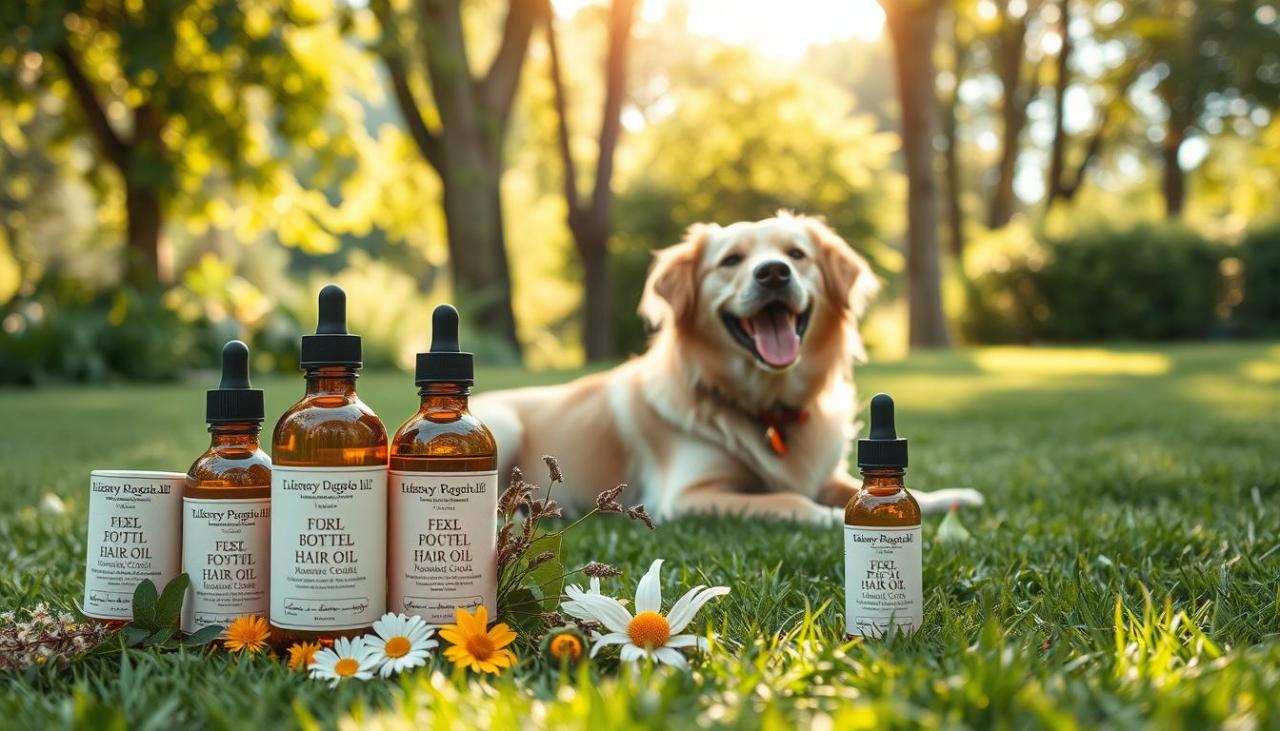
Did you know nearly forty percent of United States veterinary visits involve skin or coat concerns? Many pet owners struggle to keep furry companions comfortable during dry seasons. Fortunately, using natural dog hair oil at home can nourish skin and boost shine.
We believe proper grooming helps create a happy pet. With safe products and correct methods, you can turn a dull coat into a bright, healthy mane. This guide explains how to choose safe ingredients and build a routine that supports your pet’s well-being.
We also explain how to watch for signs of irritation. At times, professional veterinary advice may help keep your natural dog hair oil application safe and positive. Let us help you master these essential grooming techniques today.
Key Takeaways
- Understand the benefits of using plant-based treatments for skin hydration.
- Learn how to select safe, high-quality ingredients for your pet.
- Discover the best techniques for consistent and safe application.
- Identify how often you should groom your pet for optimal results.
- Recognize when to consult a veterinarian for persistent skin issues.
What Is Natural Dog Hair Oil?
Natural dog hair oil means plant-based treatments applied directly to a dog’s skin and fur. Unlike dietary supplements, these oils work outside the body to condition hair and soothe skin. Many organic dog grooming products use these extracts to create a barrier against environmental stressors.
Benefits of Using Natural Oils
These oils mainly help lock in moisture. A thin layer can significantly improve your dog’s coat shine and texture. Regular use helps prevent breakage and keeps the fur soft.
These oils can also soothe irritated skin. They may calm dry patches and reduce itching from seasonal changes. High-quality organic dog grooming products give your pet care without harsh synthetic chemicals.
Common Natural Ingredients
Coconut oil is praised for deep moisture, while jojoba oil closely matches sebum made by dog skin. Olive and sunflower oils are popular because their essential fatty acids support a healthy sheen.
Although natural, these ingredients still need careful use. Choose products made for pets to help avoid possible sensitivities. Start with a small amount and watch your dog before using more.
How to Choose the Right Natural Dog Hair Oil
Choosing the right oil for your dog’s coat can feel overwhelming without guidance. When you shop for pet care essentials, look beyond the bottle’s marketing claims. Choose products made for dogs instead of generic household oils.
Factors to Consider
Check the ingredient list for purity and quality before applying any product. Choose cold-pressed or organic oils without synthetic fragrances or harsh preservatives. Your dog’s coat may be long, wiry, or prone to matting. Choose the most effective natural dog oil for your dog’s needs.
Verify that the product is made for topical use on animals. Some human-grade oils contain additives that may suit people but upset dogs if licked. Adding these pet care essentials to your routine requires a careful review of the manufacturer’s safety guidelines.
Essential Oils to Avoid
Not every natural extract is safe for dogs. Some essential oils may cause severe skin irritation, respiratory distress, or toxicity when ingested. Avoid tea tree, wintergreen, or pine oils unless a veterinarian directly supervises their use.
If your dog has allergies, sensitive skin, or health conditions, consult your veterinarian before any new treatment. A professional can identify safe ingredients for your specific pet. The following table offers a quick reference for common ingredients and informed choices.
| Ingredient Category | Common Examples | Safety Status |
|---|---|---|
| Safe Carrier Oils | Coconut, Jojoba, Almond | Generally Safe |
| Potentially Toxic | Tea Tree, Clove, Pine | Avoid Use |
| Synthetic Additives | Parabens, Phthalates | Not Recommended |
| Soothing Extracts | Chamomile, Calendula | Safe for Most |
Always remember that your dog’s health is the top priority. When in doubt, perform a small patch test on a less sensitive skin area. Watch for adverse reactions. Use these pet care essentials to keep grooming positive and healthy for your companion.
How to Apply Natural Dog Hair Oil Effectively
Learning to apply natural dog hair oil supports healthy canine coat nourishment. Many pet owners make their dogs’ fur greasy by using too much oil. Use a measured approach so the oil absorbs without attracting dirt or debris.
Step-by-Step Application Guide
Before using any product, perform a small patch test on your dog’s skin. Apply a tiny amount to a hidden spot, such as the inner thigh, and wait twenty-four hours for a reaction.
After confirming the product is safe, use a very small, measured amount in your palms. Rub your hands together to warm the oil, then massage it gently into the coat. Focus on the hair ends, not the skin. Always avoid the eyes, nose, mouth, and any areas with broken or irritated skin.
Frequency of Use
The frequency of canine coat nourishment depends on your dog’s breed and current skin condition. Start with occasional use, perhaps once every two weeks, and watch how the coat responds.
For a naturally dry or brittle coat, increase use to once a week. If the fur looks heavy or oily, reduce application at once. Watch your pet’s reaction to maintain a healthy, balanced shine.
| Coat Type | Application Frequency | Recommended Amount |
|---|---|---|
| Short & Smooth | Once a month | Few drops |
| Medium & Wavy | Every two weeks | Quarter-sized |
| Long & Thick | Weekly | Half-dollar size |
Homemade Natural Dog Hair Oil Recipes
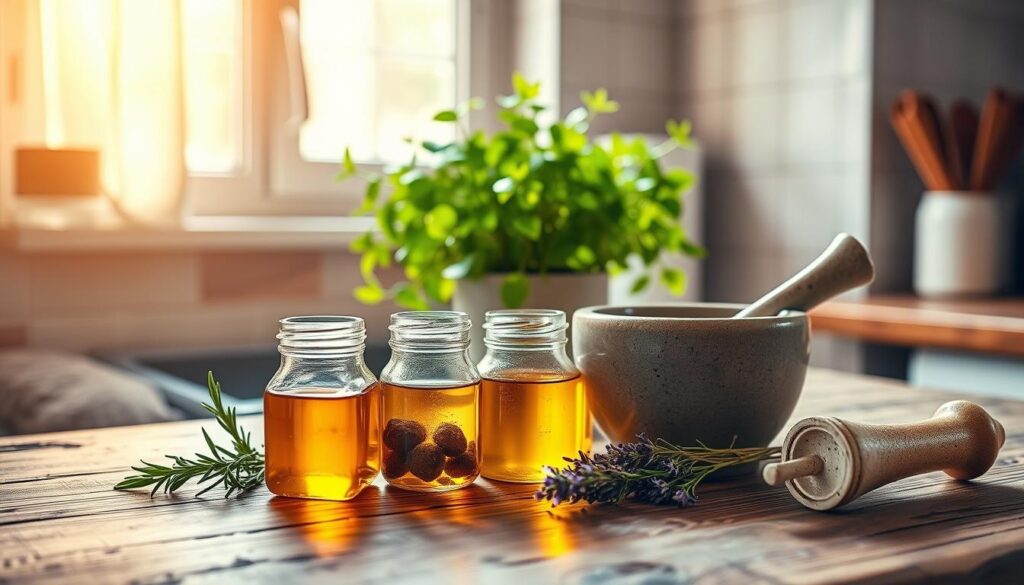
Making topical oil treatments at home lets you control what touches your dog’s sensitive skin. Many owners choose healthy fur supplements to improve coat quality from within. These treatments may bring quick relief to dry, itchy patches, so start with small batches first.
Ingredients to Include
Choose high-quality, dog-safe carrier oils for your recipes. Coconut oil, sweet almond oil, and jojoba oil nourish skin without leaving heavy residue. Always use clean, sterilized containers to prevent bacterial growth.
Remember that topical oils differ from healthy fur supplements. Supplements support skin health from within, while topical oils treat surface dryness. Do not replace one with the other without asking your veterinarian, because their needs differ.
“Nature provides the most gentle solutions for our companions, provided we approach them with knowledge and care.”
Simple Recipe Ideas
Use simple, accurate measurements to make effective treatments. For another way to keep your pet fresh, try DIY doggy dry shampoo with your grooming routine.
- Soothing Coconut Blend: Mix two tablespoons of melted coconut oil with one drop of lavender oil.
- Moisturizing Almond Mix: Combine one ounce of sweet almond oil with a half-teaspoon of vitamin E oil.
Introduce each new recipe with care. Stop use at once if you see redness, itching, or digestive upset. Watch your dog closely after the first application to ensure they remain comfortable and happy.
Incorporating Natural Oils into Your Dog’s Grooming Routine
Simple oils can improve our usual dog grooming essentials. Adding natural oils to your routine gives the coat deep nourishment. Regular use helps create a healthy, shiny, soft coat.
Pre-Bath Treatments
Oils used before bathing prepare your dog’s skin and fur for cleaning. Apply a thin layer to dry or matted areas. This helps loosen stubborn flakes and soften rough patches for easier washing.
Wash your dog thoroughly after this treatment. Remove all excess oil to prevent grease and dirt buildup. A high-quality shampoo remains an important part of your dog grooming essentials.
Post-Bath Benefits
Oil applied after bathing can lock in moisture and add a healthy shine. Use only a tiny amount when the fur is fully or mostly dry. Start with a few drops to avoid weighing down the hair.
Monitor your dog’s coat for a few days after applying oil. If buildup appears or the fur feels heavy, use less next time. Used correctly, this is an effective part of dog grooming essentials for long-term coat health.
| Application Stage | Primary Goal | Key Benefit |
|---|---|---|
| Pre-Bath | Loosening flakes | Easier detangling |
| Post-Bath | Locking moisture | Enhanced shine |
| Maintenance | Preventing dryness | Soft, healthy coat |
Signs Your Dog Needs Hair Oil Treatment
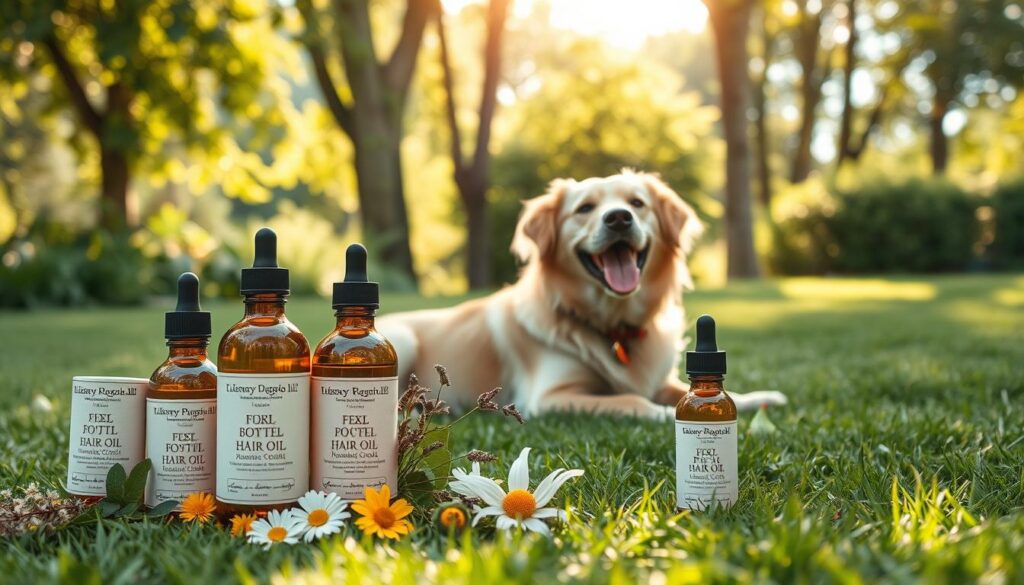
Early signs of a dry or damaged coat can prevent needless discomfort. Watch your dog’s looks and habits to decide when to add all-natural pet products to grooming.
Recognizing Dry Skin and Coats
A healthy coat feels soft and looks bright. If your dog’s fur seems dull or brittle at the ends, it may lack needed moisture. Flaky skin or tight, less flexible skin may also signal a problem.
These signs may mean the skin barrier needs more support. all-natural pet products can condition the coat, but they cannot replace veterinary care. Ask a veterinarian to check for parasites, infections, or severe allergies.
“The health of a dog’s coat is often a direct reflection of their overall well-being and the care they receive at home.”
Behavioral Changes in Dogs
Your dog may also show discomfort through behavior. Watch for scratching more frequently, licking certain spots, or rubbing against furniture for relief from dry, itchy skin.
If your dog seems upset or uncomfortable during grooming, pause the routine. Consult your veterinarian about skin conditions needing medical treatment, not simple hydration. Listening to your dog’s cues helps keep them happy and healthy.
Additional Tips for Maintaining a Healthy Coat
A vibrant coat needs good food, clean habits, and regular health checks. Topical oils add quick shine, but canine coat nourishment begins inside and depends on daily care.
Diet and Nutrition
A balanced diet supports a healthy, shiny coat. High-quality proteins and essential fatty acids help repair skin and support hair growth.
Give your pet fresh, clean water all day to prevent dehydration. Dehydration can cause dry, brittle fur. Before choosing the best dog coat supplements, consult your veterinarian.
Professional guidance helps prevent diet imbalances. A full diet assessment shows whether your dog needs extra support or already gets enough nutrients from its food.
Regular Grooming Practices
Regular brushing spreads natural oils through your dog’s fur. Choose a brush that fits your dog’s coat type, prevents irritation, and removes loose hair.
Use grooming sessions for a careful physical check. Look for parasites, including fleas or ticks, plus new lumps, sores, or unusual odors.
Early detection is crucial for your dog’s well-being. Excessive shedding or skin texture changes may require a new grooming routine. Ask a professional whether best dog coat supplements can support the skin barrier.
Addressing Common Concerns About Natural Oils
Natural oils offer benefits, but even all-natural pet products can cause reactions in sensitive dogs. Use caution when adding grooming products to keep your pet comfortable.
Allergies and Sensitivities
Before applying any oil to your dog’s entire coat, test a small patch in a hidden area. This step helps identify sensitivities before a full application. Learn more about the benefits of using high-quality grooming solutions to keep your pet safe.
Watch your dog for warning signs such as redness, swelling, hives, or worsening itchiness. If your dog vomits or has trouble breathing, seek immediate veterinary attention. These signs show a severe reaction requiring professional medical care.
Storage and Shelf Life
Proper storage helps protect all-natural pet products and grooming supplies. Keep all oils in a cool, dark place to prevent oxidation and degradation. Label homemade mixtures with their creation date to track freshness.
To prevent contamination, keep the dropper or applicator away from your dog’s skin. If the oil’s smell, color, or texture changes, discard it. Expired or spoiled oils can irritate skin, so replace them regularly.
Conclusion: Embracing Natural Care for Your Dog’s Coat
A radiant, healthy coat needs more than regular grooming. We believe natural dog hair oil can soften fur and add shine when used carefully.
Understanding the Role of Supplements and Oils
Topical care and internal health play different roles. Natural dog hair oil improves fur’s appearance, but it works best with a balanced diet. You might choose the best dog coat supplements to support skin health from within.
These methods serve different purposes. Topical oils provide quick moisture, while the best dog coat supplements fill nutritional gaps. Using both gives your pet complete care for its unique needs.
Commitment to Long-Term Pet Wellness
Watch your dog closely when introducing new products. Start with small amounts and check for sensitivities. Simple, high-quality ingredients often work best for sensitive skin.
Consistency helps maintain a vibrant coat. Contact your veterinarian if skin changes or behavior changes continue. Proactive attention helps keep your companion comfortable and happy for years.