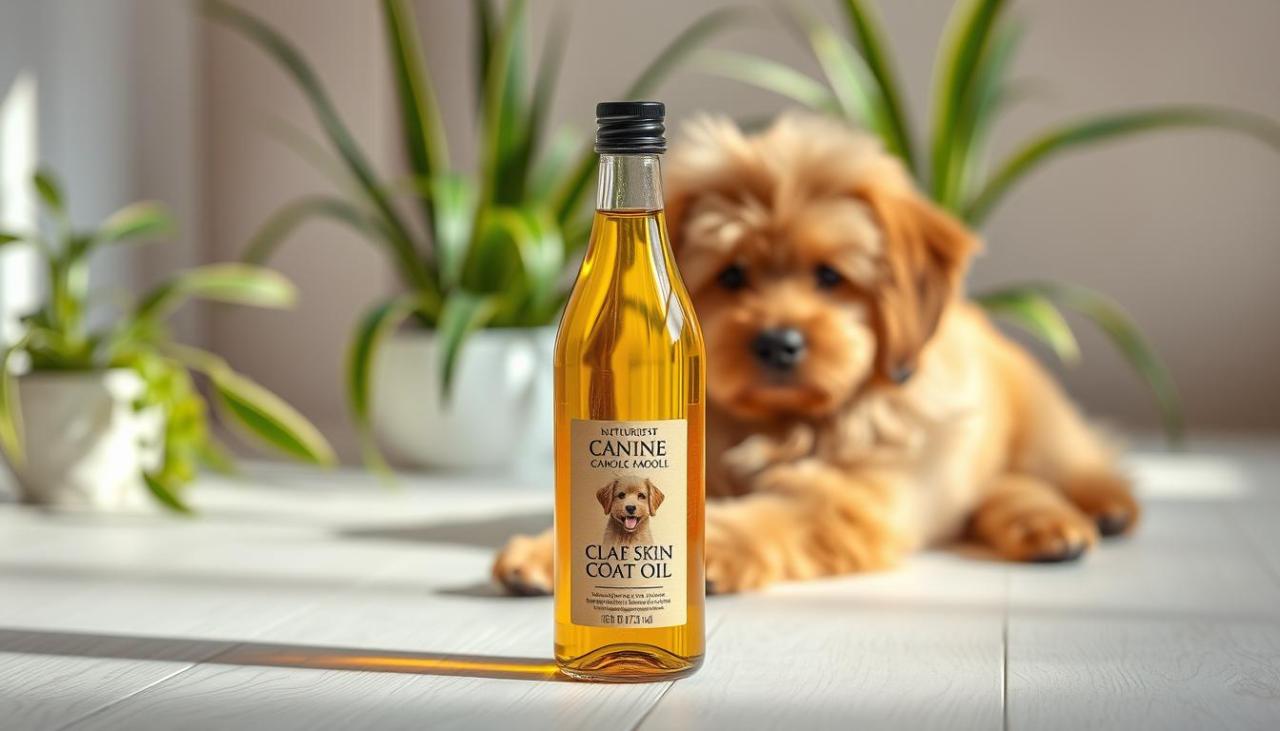
Did you know a dog’s skin is the biggest organ, making up nearly 15% of their body weight? When we see dull fur or dry patches, it means something’s off. It could be their diet or how they take care of their skin.
Using canine coat oil is a great way to add moisture. But, it works best when you also focus on their diet, grooming, and keeping parasites away. We think true natural dog coat care is more than just a quick fix. It’s about making sure they eat well, brush regularly, and stay free from pests.
Proper grooming habits and regular vet visits are key for a shiny coat. In this guide, we’ll show you how to add these products safely to your pet’s routine. By following our steps, your pet will not only look good but feel great too.
Key Takeaways
- Skin health is a vital indicator of your pet’s overall internal wellness.
- Topical treatments should complement, not replace, a balanced diet and grooming.
- Regular brushing helps distribute natural moisture across the skin.
- Consistent parasite prevention is essential for maintaining a healthy exterior.
- Always consult your veterinarian before starting any new supplement routine.
Understanding Canine Coat Oil: What Is It?
Canine coat oil is a special type of product for dogs. It can be used as a treatment for the coat or as a dog fur supplement. It helps improve the coat’s texture and strength.
Key Ingredients in Canine Coat Oil
The best pet grooming oil has the right ingredients. These include fish oil, coconut oil, flaxseed oil, and olive oil. Each one has different fatty acids that are good for dogs.
| Oil Type | Primary Benefit | Best Use Case |
|---|---|---|
| Fish Oil | Omega-3 Fatty Acids | Internal Supplement |
| Coconut Oil | Lauric Acid | Topical Moisturizer |
| Flaxseed Oil | Alpha-Linolenic Acid | Skin Inflammation |
| Olive Oil | Antioxidants | Coat Shine |
Benefits of Using Natural Oils
Natural oils are better because they’re free from harsh chemicals. They keep the skin moist, which prevents dryness and irritation. These oils replace the natural oils lost from bathing and stress.
How It Differs from Other Pet Grooming Products
Coat oils are different from regular shampoos and sprays. They go deep into the hair and skin, unlike shampoos that just clean. They’re safe for dogs and don’t leave a greasy feel.
How Canine Coat Oil Enhances Fur Health
Keeping your dog’s coat healthy is more than just about looks. It shows how well they’re doing overall. Using a top-notch canine coat oil gives the skin the nutrients it needs. This helps keep moisture in, which is key for dogs in dry places or with skin issues.
Moisturizing Properties for Dry Skin
Dry, flaky skin can really bother our pets. A good coat conditioning oil goes deep into the hair follicles. It calms the skin underneath, making it softer and less itchy.
“A healthy coat is the window into a dog’s internal health, and topical care is the frame that keeps it looking its best.”
Reducing Shedding and Dander
Some people think oils can stop shedding, but it’s not that simple. Yet, healthier skin means less dander and broken hair. Consistency is key for keeping skin and hair healthy.
Remember, oil isn’t a replacement for regular grooming. Brushing your dog often is still important. Using coat conditioning oil with brushing helps spread natural oils evenly.
Promoting Shinier and Healthier Fur
The biggest benefit of canine coat oil is how it makes fur look and feel. It smooths the hair, making it shine. This isn’t just about looks; it means the hair is well-protected and hydrated.
Whether your dog has long or short fur, the right oil makes a big difference. Choose oils that soak in well without being greasy. With the right canine coat oil, your dog’s fur will be softer and more resilient.
The Role of Omega Fatty Acids in Coat Care
Looking for the best oil for dog coats means focusing on omega fatty acids. These nutrients are crucial for your pet’s skin and fur health. They help keep the skin elastic and the fur vibrant.
Importance of Omega-3 and Omega-6
Dogs need omega-3 and omega-6 fatty acids, which they can’t make themselves. We must give them these through food or supplements for their health. Omega-6 helps skin cells, while omega-3 fights inflammation.
Not all sources are the same. Dogs use EPA and DHA from marine sources better than ALA from flaxseed. Getting the right balance is key for a healthy coat.
“Nutrition is the silent partner in every grooming routine; without the right fatty acids, even the most expensive topical treatments will fall short of their potential.”
Natural Sources of Omega Fatty Acids
Natural ingredients like salmon, fish oil, flaxseed, and sunflower oil are rich in omega fatty acids. Knowing these sources helps us pick the best canine skin and coat oil for our pets.
| Source | Primary Nutrient | Benefit |
|---|---|---|
| Salmon/Fish Oil | EPA & DHA | High bioavailability |
| Flaxseed | ALA | Plant-based support |
| Sunflower Oil | Linoleic Acid | Skin barrier health |
How Omega Fatty Acids Affect Dog Coat Health
Supplementing with the right balance supports the skin barrier. This prevents moisture loss and protects against irritants. A balanced intake reduces dry skin and boosts shine.
Be careful not to overdo it, as too much can upset the stomach. A steady intake builds a strong coat. Regular use of quality canine skin and coat oil brings lasting benefits.
Choosing the Right Canine Coat Oil for Your Dog
Your dog’s skin and fur are unique. So, picking the best oil for dog coats is more than just a quick choice. It’s important to consider your pet’s specific needs to give them the right nutrients.
Factors to Consider When Selecting a Product
When looking at a supplement, always check for ingredient transparency. Look for the exact amounts of EPA and DHA, as they are key for skin health. Also, choose products that have been tested by third parties to ensure they are pure and strong.
Stay away from oils with extra fillers, artificial preservatives, or colors. A good healthy coat oil for dogs will have a simple ingredient list and clear sources. Make sure to check the expiration date to keep the product fresh and effective for your pet.
Popular Brands and Their Ingredients
Many trusted brands offer special formulas to help with skin moisture and fur shine. When comparing brands, look at the quality of the source, like wild-caught fish. You can check out 14 dog coat oils to find the best match for your dog’s needs.
Some brands focus on being sustainable, while others aim for high-concentration blends. It’s a good idea to read the manufacturer’s website to learn about their extraction methods. Cold-pressed oils usually keep more nutrients than those processed with heat.
Size and Coat Type Match
The life stage and breed of your dog are key in choosing a product. Puppies and senior dogs might need different amounts than adult dogs. Also, a dog with a thick coat might need more frequent application than a short-haired one.
Dogs with sensitive skin need hypoallergenic formulas to avoid irritation. Start with a small dose to see how your pet reacts. Consistency is key to getting a healthy coat oil for dogs that works well.
| Coat Type | Recommended Oil Focus | Key Benefit |
|---|---|---|
| Double Coat | Omega-3 Rich Fish Oil | Reduces shedding and supports density |
| Sensitive Skin | Cold-Pressed Hemp or Flax | Calms inflammation and itching |
| Senior/Dry Coat | Salmon or Krill Oil | Deep hydration and joint support |
| Puppy | Balanced DHA Blend | Supports healthy skin and brain development |
How to Apply Canine Coat Oil Properly
Learning how to use canine coat oil is key to your pet’s natural glow. Whether it’s a topical or internal supplement, the application method matters a lot. We suggest a careful approach to make sure your dog gets the most from these products.
Step-by-Step Application Guide
For internal use, start by mixing a bit of oil with your dog’s food. This helps you watch for any digestive issues before adding more. When using pet grooming oil on the skin, don’t just spray it on the fur.
- Part the fur carefully to expose the skin underneath.
- Apply a small drop directly to the skin rather than the hair.
- Massage the oil gently into the skin to promote absorption.
- Brush the coat thoroughly to distribute the product evenly.
Frequency and Timing of Use
The right amount of coat conditioning oil depends on your dog’s needs and the product’s strength. Always check with your vet before starting. Start with a small amount to see how your dog reacts.
If your dog shows signs of skin issues or upset stomach, stop right away. Once they seem okay, you can adjust how often you use it. But always follow your vet’s advice and don’t overdo it.
Tips for Long-Lasting Results
To avoid greasy fur, use canine coat oil sparingly. This keeps the skin moist without making the fur too oily. If your dog’s fur feels too oily, you might be using too much or not brushing well enough.
Keeping a log of when you apply the oil can help you see how it’s working. Using high-quality pet grooming oil and a consistent routine will make a big difference. Proper use of coat conditioning oil is a simple way to help your pet stay healthy for a long time.
Common Misconceptions About Canine Coat Oil
When we talk about canine coat oil for pets, myths often come up. These products are very effective, but wrong info can make owners unsure. It’s key to know the truth to give your pet the best care.
“Oils Are Too Greasy for Dogs”
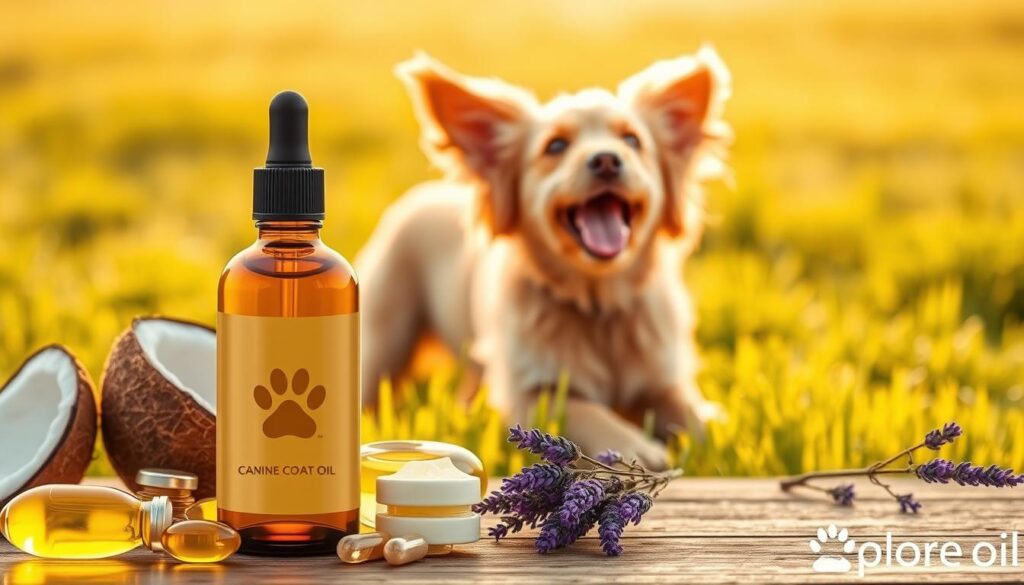
Many worry that oils will make their dog’s fur greasy. But, this usually happens because of improper application or too much oil. A good canine coat oil should soak into the skin and hair without leaving a greasy film.
If your dog seems greasy, you probably used too much. Start with a tiny amount and rub it well into the skin. The right amount and gentle rubbing will give a healthy shine without the mess.
“All Oils Are the Same”
Some think any oil will do, but that’s not true. Oils have different fatty acids for different needs, like hydration or soothing skin. Also, not all oils are safe for every dog’s coat.
Not all essential oils for dog coats are safe for every dog. Always check the ingredients to make sure the oil is right for your dog’s needs.
“Canine Coat Oil Will Cause Allergies”
There’s a fear that oils can cause allergies. But, not all canine coat oil causes allergies. Most problems come from specific ingredients, not the oil type itself.
It’s wise to talk to your vet before starting any new treatment, like canine coat oil. This is even more important if your dog has pancreatitis or blood-clotting issues. Always do a small test on your dog’s skin before using it fully.
DIY Canine Coat Oil: Is It Worth It?
Some pet owners like making their own dog coat care products. This can be a fun journey into natural dog coat care, but safety first. It’s smart to learn about keeping a dog coat shiny and healthy before starting.
Simple Recipes for Homemade Coat Oils
Coconut oil is a favorite for dog coat care. Just a little bit rubbed into the fur can keep it moist. You can also make a soothing rinse with oatmeal and water for sensitive skin.
Remember, a little goes a long way. Start with a small amount to see how your dog reacts before using more.
Benefits of DIY vs. Store-Bought
DIY products let you control what’s in them. This is great for dogs with allergies. Plus, you can make just what you need, so it’s always fresh.
Store-bought products are easy to use and tested. They save you time and effort, as they’re ready to go.
Risks and Considerations for Homemade Oils
Using essential oils for dog coats can be risky. Many oils are toxic to pets and can cause serious problems. Always check with your vet before using them.
- Contamination: Homemade mixes don’t have preservatives, so they can grow bacteria if not stored right.
- Measurement Accuracy: Getting the mix wrong can make your dog’s fur too oily or clog pores.
- Allergy Awareness: Always test a small area of skin before using a new treatment.
If your dog has skin or digestive issues, talk to your vet first. Your pet’s health is the top priority. Getting advice from a vet ensures your DIY efforts are safe and work well.
The Connection Between Nutrition and Coat Health
Topical treatments help, but true fur health starts with what your dog eats. No dog fur supplement can make up for a bad diet or health issues. A balanced diet gives the skin and fur what they need to stay healthy.
Foods That Promote a Healthy Coat
Animal protein is key for a healthy coat. Foods like salmon add oils that help the skin. Eggs give amino acids for hair growth. Sweet potatoes and pumpkin improve digestion, helping your dog absorb nutrients better.
Supplements That Work Well with Coat Oil
When your dog eats well, certain nutrients can boost results. Vitamin E, biotin, and zinc help the skin and reduce shedding. Adding these to canine skin and coat oil helps from the inside and outside.
Always talk to your vet before adding new foods or supplements. They can spot if your dog needs special help. Supplements should help, not replace, a good diet.
Integrating Diet with Coat Care Products
Digestive health affects how well your dog absorbs nutrients. Gut problems can make it hard for your dog to use what they eat. A healthy gut means your dog can use the good stuff from their food.
Watch how much your dog eats to avoid too much fat or nutrients. Balance their diet with grooming products. This way, your dog gets the most from their food and grooming without getting too much.
Customer Testimonials: Real Results from Using Coat Oil
Pet owners share amazing stories of their pets’ transformations. They talk about the big changes they see after starting a routine with coat oil. This shows how coat oil can make their pets’ skin and fur better over time.
Evidence from Pet Owners
Photos are the best proof of progress. Take pictures in the same light to see changes in shine and fur texture. You might see less scratching or less flaking in the first month. These small signs show the oil is working well.
The Value of Patience
Softness starts to show around weeks three or four. But, for a shiny and healthy coat, it takes eight to twelve weeks. Using coat oil for dogs is a long-term commitment for the best results.
Maintaining Long-Term Vitality
Being consistent is key to success. Use the oil with regular grooming and a balanced diet for the best results. If skin issues don’t get better, talk to your vet. Your hard work keeps your pet happy and healthy every day.