
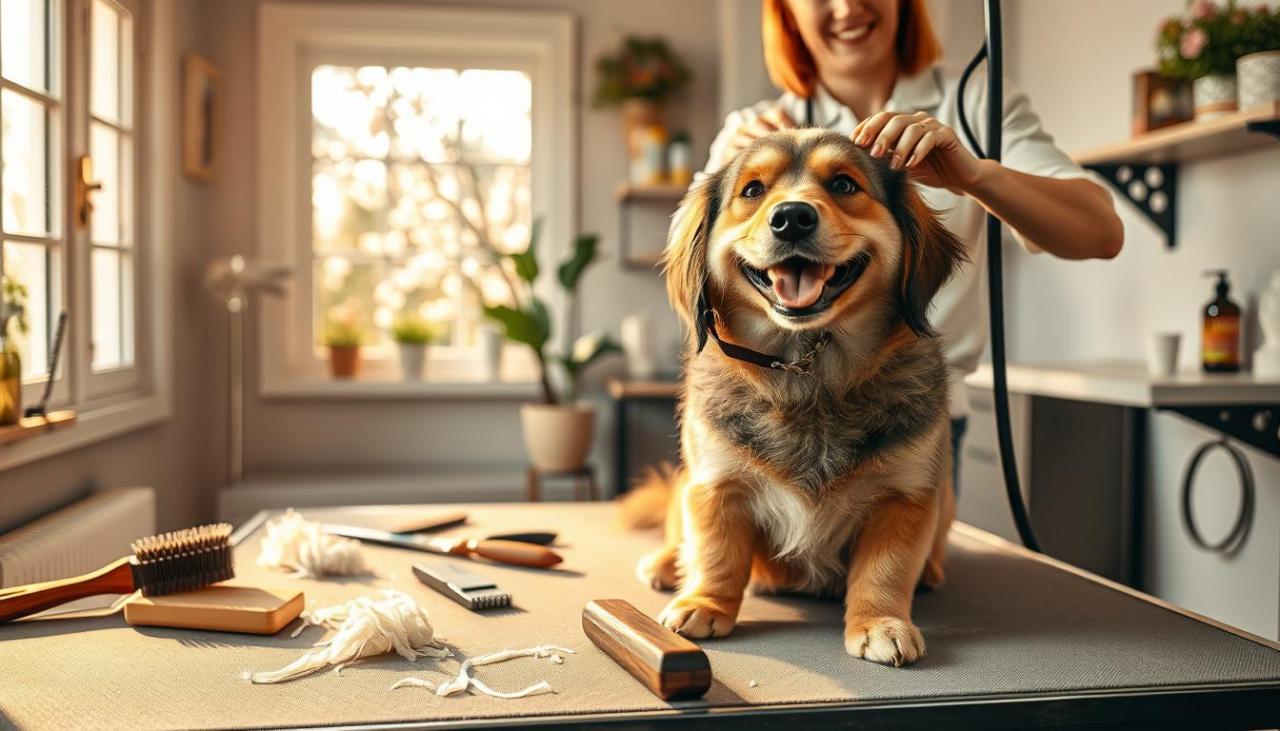
Did you know that nearly 70% of households in the United States share their homes with at least one animal companion? While many owners focus on nutrition, we often overlook that consistent grooming is a vital pillar of overall wellness. A healthy coat is not just for looks; it’s a fundamental aspect of a thriving lifestyle.
By establishing a reliable routine, we ensure our companions remain comfortable and vibrant throughout their lives. We see pet fur care as a chance to bond deeper and prevent common health issues. When we spend time on grooming, our pets feel their best every day.
Key Takeaways
- Grooming is a key part of a healthy lifestyle, not just for looks.
- Keeping a regular schedule helps spot health problems early.
- Regular grooming boosts our pets’ physical comfort and mood.
- Dedicated grooming time strengthens the bond between owners and pets.
- Good pet fur care stops issues like matting, skin problems, and too much shedding.
Understanding the Importance of Pet Fur Care
A shiny coat is more than just beauty; it shows our pet’s health. The state of their coat tells us a lot about their overall health and cleanliness. By focusing on grooming pets, we help them stay comfortable and healthy for a long time.
The Connection Between Fur and Pet Health
Regular grooming lets us catch health issues early. Brushing our pets helps us feel their body and spot skin problems fast. Early detection can make a big difference in their health.
A healthy coat means a balanced diet and strong immune system. If their coat looks dull or they shed too much, it might mean something’s wrong. Paying attention during grooming helps us catch health problems early.
Benefits of Regular Grooming
Regular grooming is key for pet owners. When we groom pets, we avoid painful matting. Mats can hurt their skin and cause infections.
Grooming also strengthens our bond with our pets. Regular grooming keeps them clean, happy, and ready for fun. It helps prevent irritation and keeps them ready for playtime.
Types of Pet Fur and Their Unique Needs
Getting a beautiful, healthy coat is easier when we match our grooming to our pet’s fur type. Each animal has a special coat structure. Knowing these differences helps us avoid skin problems and keeps our pets comfortable.
Short-Haired Pets
Short-haired pets might seem easy to care for, but they still need regular attention. Their dense coats can trap hair and dander close to the skin.
Using a rubber curry brush is a good idea. It removes dead hair and spreads natural oils. This simple step keeps their skin healthy and their coat shiny.
Long-Haired Pets
Long-haired pets are at risk of matting and tangles if not brushed often. They often have a double coat. We need to get to the undercoat to avoid painful knots near the skin.
“A well-groomed pet is a happy pet, and the secret lies in understanding the texture of their coat before we even pick up a brush.”
For these pets, regular fur maintenance means using a slicker brush or metal comb. By working in small sections, we can avoid hidden tangles. This keeps our pets comfortable and irritation-free.
Curly and Wire-Haired Breeds
Curly and wire-haired coats trap debris easily. They often need special tools to manage their texture without harming the hair follicles.
Regular fur maintenance for these pets includes:
- Using a wide-tooth comb to gently detangle curls.
- Scheduling professional trims to prevent overgrowth.
- Checking for trapped burrs or dirt after outdoor play.
By paying attention to these specific needs, we keep our pets healthy and comfortable all year round.
Setting Up a Pet Grooming Routine
We think a regular grooming routine makes pet care a rewarding bonding experience. It keeps pets healthy, comfy, and stress-free. Using grooming tips helps us fit these tasks into our weekly routine without stressing our pets.
Frequency of Grooming Sessions
Being consistent is key for a healthy coat and skin. We suggest a pro grooming session every 4 to 8 weeks, based on your pet’s breed and fur. This stops painful matting and catches skin problems early.
At home, we should do light grooming too. Short, regular sessions help pets get used to being handled. These grooming tips keep the atmosphere calm, making pets feel safe.
Tools We Need for Effective Grooming
The right tools make grooming easier. Invest in good brushes, combs, and detanglers for your pet’s coat. The right tools avoid pulling and make grooming a better experience for all.
| Tool Type | Purpose | Frequency |
|---|---|---|
| Slicker Brush | Removing loose fur | Weekly |
| Metal Comb | Detangling knots | Bi-weekly |
| Deshedding Tool | Reducing heavy shedding | Monthly |
| Professional Groomer | Deep cleaning and trim | Every 4-8 weeks |
Keeping these tools ready helps us keep our pet clean. Following these grooming tips makes pets happier and homes cleaner. Preparation is the secret to successful pet care.
Choosing the Right Grooming Products
High-quality tools are key to a great grooming routine for your pet. It’s important to pick the right fur care products for professional results at home. This ensures your pet’s sensitive skin stays safe and their coat is well cared for.
Shampoos and Conditioners
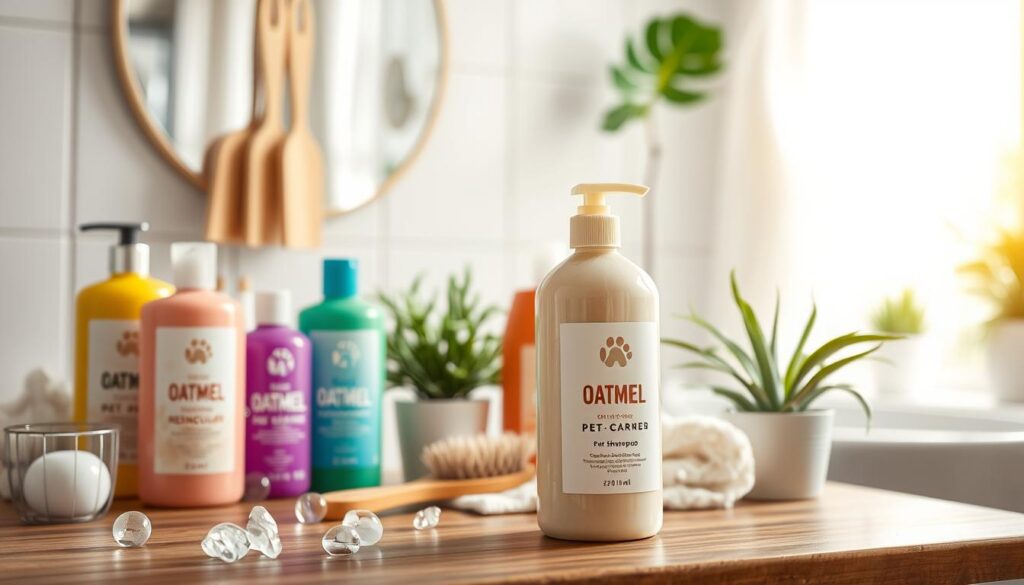
Choosing a gentle cleanser is crucial for skin health. We recommend the Top Paw® Oatmeal Baking Soda Shampoo for its effective cleaning and soothing moisturizers. It helps remove odors and keeps the coat soft.
Always think about your pet’s specific needs when picking a shampoo. If they have dry or itchy skin, look for hydrating formulas. These grooming tips help keep your pet’s skin healthy and balanced.
Brushes and Combs
The right brush is essential for a tangle-free coat. The CHI® Double Sided Dog Brush is great for removing debris and distributing oils. It’s perfect for smoothing fur and adding shine.
- Use the bristle side for daily smoothing and shine.
- Use the pin side to gently detangle minor knots.
- Always brush in the direction of hair growth to avoid discomfort.
Deshedding Tools
Specialized tools are needed to manage loose fur and reach the undercoat. Choose ergonomic tools to keep your hand comfortable during long grooming sessions. Regular deshedding prevents mats and keeps your home clean.
The best tool depends on your pet’s hair length and density. Investing in quality fur care products makes grooming easier for both you and your pet. Regular use will lead to a healthier and happier coat.
Techniques for Brushing and De-shedding
Learning the right pet grooming techniques can make grooming sessions enjoyable. It’s about using the right motions to remove dead hair without hurting your pet. This keeps your home clean and helps your pet’s skin stay healthy.
How to Properly Brush Different Fur Types
Every pet needs something different based on their fur. For short-haired pets, a rubber curry brush works well. It gently massages the skin and removes loose hair. Consistency is key to keep them looking sleek.
Long-haired pets need a gentler approach to avoid tangles. Use a slicker brush to work through their fur, starting from the ends. For curly or wire-haired pets, a metal comb is best. It reaches deep into the undercoat and prevents matting.
Techniques for Reducing Shedding
Effective shedding solutions are crucial to keep your home hair-free. A regular grooming schedule is the best way to prevent shedding. Brushing your pet at least three times a week catches loose hair before it falls.
Using the right tools during seasonal changes is also important. Special de-shedding rakes help remove the thick undercoat that causes excessive hair loss. These shedding solutions, along with a healthy diet, greatly reduce shedding.
| Coat Type | Primary Tool | Frequency | Goal |
|---|---|---|---|
| Short Hair | Rubber Curry Brush | Weekly | Remove loose hair |
| Long Hair | Slicker Brush | Daily | Prevent tangles |
| Curly/Wire | Metal Comb | Bi-weekly | Remove deep mats |
| Double Coat | De-shedding Rake | Seasonal | Manage undercoat |
Bathing Your Pet: Best Practices
When we bathe our pets, we need to find a balance. We want them clean but also keep their natural oils. The right fur care products help keep their skin hydrated and irritation-free. This approach keeps their coat healthy and shiny without drying out their skin.
How Often Should We Bathe Our Pets?
The right bath frequency depends on your pet’s lifestyle, breed, and how active they are. Some pets might only need a bath every few months. Others might need more baths if they spend a lot of time outside. Watch how their coat looks to know when it’s time for a wash.
| Pet Activity Level | Coat Type | Recommended Frequency |
|---|---|---|
| Low (Indoor) | Short/Smooth | Every 3 months |
| Moderate | Medium/Long | Every 4-6 weeks |
| High (Outdoor) | All types | As needed (or monthly) |
Steps for a Stress-Free Bathing Experience
Start by gathering all your fur care products before the bath. Brush your pet gently to remove loose hair. This helps prevent mats when they’re wet. Use lukewarm water to keep them comfortable.
Be careful around sensitive areas like the ears. Dogs with floppy ears are more at risk for infections. Use cotton balls in their ears to keep water out, but take them out right after. Consistency and patience make bathing a positive experience for both you and your pet.
Managing Fur in Your Home
Keeping your home fur-free is about grooming and smart cleaning. A clean home starts with habits that stop fur from getting into carpets and furniture. While we care for our pets, we also need to keep them safe. For example, microchipping them is easy and keeps them secure while we manage their shedding.
Vacuuming Tips for Pet Owners
Removing pet hair well needs the right tools and a regular cleaning schedule. Use a vacuum with HEPA filters to catch fine dander and loose hair.
- Vacuum high-traffic areas at least three times per week.
- Use rubber-tipped tools to pull stubborn hair from fabric furniture.
- Clean your vacuum filters regularly to maintain strong suction power.
These shedding solutions greatly improve your home’s cleanliness. By staying on top of it, we avoid hair getting stuck in our rugs and curtains.
Using Air Purifiers to Combat Fur and Dander
Air purifiers are key in fighting airborne dander. They are great shedding solutions that catch particles missed by regular cleaning.
Place air purifiers in rooms where pets spend most of their time, like the living room or bedroom. Regular pet hair removal through air filtration keeps your home smelling good and healthy for everyone. Good technology means less cleaning time and more time with our pets.
Dealing with Allergies Related to Pet Fur
Many pet owners face sneezing and itchy eyes. But, these symptoms don’t mean you have to give up your pet. With the right steps, you can keep a healthy home for both your pets and your health.
Understanding Pet Allergies
It’s often thought that pet fur causes allergies. But, it’s actually proteins in dander, saliva, and urine that trigger reactions. These tiny particles float in the air and land on surfaces in your home.
When these proteins get into your body, your immune system might react. This can cause symptoms like congestion or skin irritation. Knowing about these triggers is the first step to feeling better. Visit our about us page to learn more about our commitment to pet wellness.
Measures to Help Allergic Family Members
Being consistent is key to managing allergies at home. A strict cleaning schedule can greatly reduce allergens in your space.
Here are some steps to improve your air quality and comfort:
- Make sure to regularly remove pet hair to stop dander buildup on carpets and furniture.
- Wash your pet’s bedding in hot water every week to get rid of trapped allergens.
- Use HEPA filters to catch tiny particles that regular vacuums might miss.
- Have specific “pet-free” areas, like bedrooms, for allergic family members.
Effective maintenance is crucial for a happy home. By focusing on pet hair removal and keeping surfaces clean, you make a space where everyone can live comfortably together.
Seasonal Considerations for Pet Fur Care
Seasons change, and so does our pets’ fur. We need to adjust our grooming to keep them comfortable. Regular fur maintenance helps them handle the weather all year.
Grooming During the Summer
When it gets hot, pets shed their thick coats. We must brush them often to avoid heat stress. This keeps them cool and comfortable.
It’s also key to check for debris or burrs. A clean coat helps them stay cool. Regular grooming sessions are crucial for their happiness in the sun.
Winter Coat Maintenance
Winter is tough, with dry air from heaters. This can make pets’ skin and fur dry and itchy. We use gentle brushing to keep their fur healthy.
Don’t over-bathe them in winter to keep moisture in. Consistent fur maintenance keeps them warm. We watch their skin to avoid dryness.
The Role of Nutrition in Fur Health
Good nutrition is key to a healthy coat that sheds less. We think that what your pet eats affects how shiny their fur looks. Eating the right foods helps keep hair follicles strong, which fights off shedding.
Essential Nutrients for a Shiny Coat
A diet full of certain proteins and fats is crucial for skin health. Proteins are what make up hair, and not enough can make it brittle and dull. Choose foods with high-quality animal proteins as the first ingredient to get the right amino acids.
Omega-3 and Omega-6 fatty acids are also important. They keep the skin moist and reduce inflammation. Healthy skin means healthy hair, which is important for shedding prevention.
Recommended Supplements
Even the best foods might need a little extra help sometimes. Always talk to your vet before adding supplements to your pet’s diet. Supplements can fill in gaps that might be causing hair loss or dry skin.
Some supplements that help with coat health include:
- Fish Oil: It’s full of EPA and DHA for a soft, shiny coat.
- Biotin: A B-vitamin that makes hair stronger and more elastic.
- Zinc: It’s key for skin repair and stopping dry, flaky skin.
| Nutrient | Primary Benefit | Impact on Fur |
|---|---|---|
| Omega-3 Fatty Acids | Reduces Inflammation | Increases Shine |
| High-Quality Protein | Builds Hair Structure | Prevents Breakage |
| Vitamin E | Antioxidant Support | Improves Skin Health |
| Biotin | Keratin Production | Enhances Texture |
Adding these nutrients to your pet’s meals helps with shedding prevention and keeps them healthy for a long time. Keep an eye on how they’re doing and change their diet if needed, with your vet’s help.
Seeking Professional Help When Needed
Keeping your pet’s coat clean at home is a great way to bond. But, sometimes, it’s safer to get help from a pro. We should know when to call a groomer for our pets’ health.
When to Consider a Professional Groomer
Some pets have coats that are hard to manage at home. If your pet has a thick undercoat or hair that keeps growing, you might need special tools.
Pets that get stressed during grooming can do better with a pro. PetSmart stylists learn for 800 hours to handle all kinds of pets. They know how to calm them down while giving great care.
Benefits of Professional Grooming Services
Stylists use special techniques to fix problems we can’t handle. They can safely remove mats and trim nails. This requires skill and knowledge of animal bodies.
Regular visits mean your pet gets a complete health check each time. Groomers can find skin problems or parasites we might miss. These services make us feel confident and keep our pets happy and healthy.
Creating a Fur Care Plan for Your Pet
Creating a routine is key to caring for your pet. It makes pet fur care easy and not a hassle. Small daily steps lead to the best health for your pet.
Assessing Your Pet’s Needs
Every pet needs a special care plan based on their breed, age, and lifestyle. Take time to notice where your pet needs extra attention. Tools from Furminator or Wahl can help match your care to their coat.
See how your pet reacts to different brushes. This helps us make grooming more comfortable for them.
Monitoring Fur Health Over Time
Watching for changes in coat or skin health is important. Keep a log to track any changes, like with the seasons or diet. This helps us catch problems early.
By staying on top of grooming, your pet stays happy and healthy. Share your pet’s journey and join our community of pet lovers.