
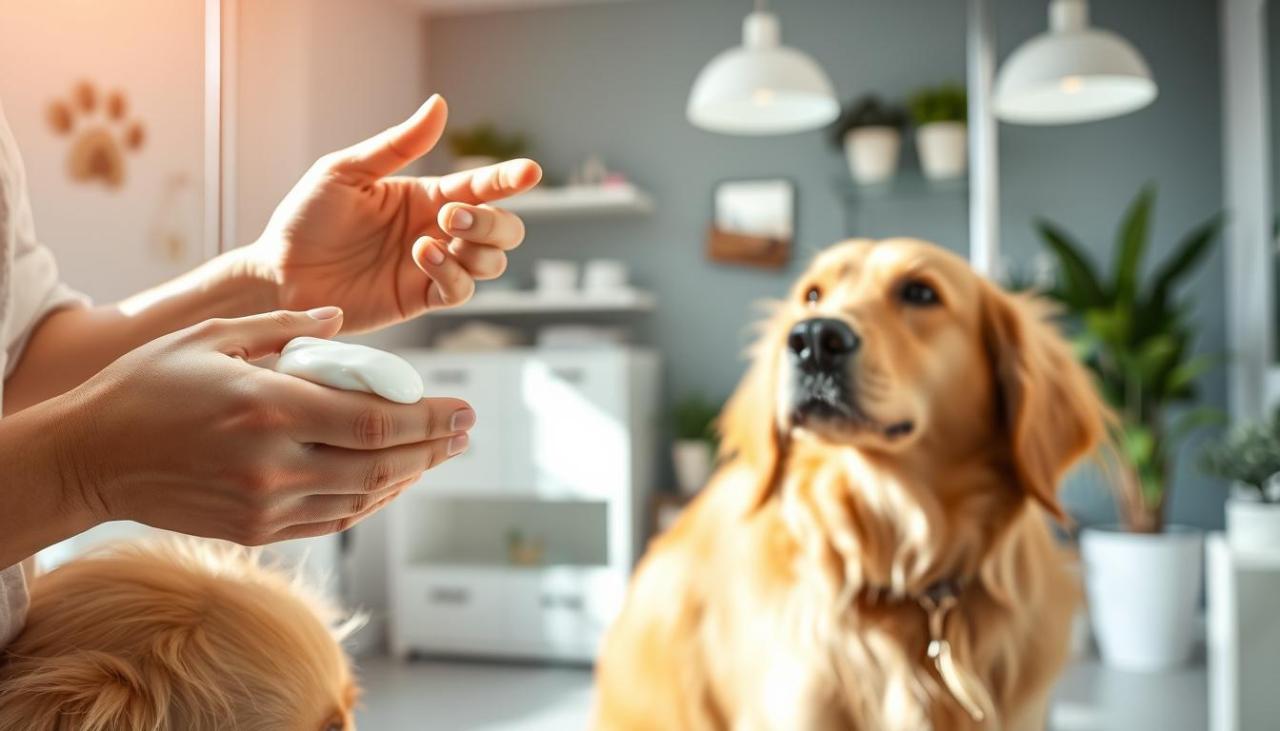
Keeping a regular routine is key to your pet’s happiness and health. We think that taking care of your pet ahead of time is the best way. It keeps them comfortable and stops health problems before they start.
A regular dog grooming treatment keeps fur, skin, nails, and ears healthy. By doing these tasks regularly, we ensure our pets look great and catch issues early. Consistent attention to these details greatly improves their daily life.
Key Takeaways
- Establish a regular schedule for brushing and bathing.
- Check ears and paws frequently to prevent infections.
- Keep nails trimmed to support healthy movement.
- Use proper tools to maintain a shiny, clean coat.
- Monitor skin health for any signs of irritation.
- Make sessions positive to build trust with your pet.
Understanding the Importance of Dog Grooming Treatment
Regular dog grooming treatment does more than just make your dog look good. It’s a key part of keeping them healthy. These sessions are not just about looks; they help us see how our pets are doing inside and out. By focusing on grooming, we help our dogs stay happy and healthy for years.
Benefits of Regular Grooming
One big plus of regular dog grooming treatment is catching health problems early. During grooming, we can find issues like fleas, ticks, or skin lumps. Finding these early can save a lot of money and pain later.
- Early detection of parasites like ticks and fleas.
- Identification of skin irritations or unusual growths.
- Improved hygiene that prevents infections.
Effects on Coat Health
Regular brushing keeps your dog’s coat healthy and shiny. It removes dead hair and prevents painful matting. Brushing also spreads natural oils, keeping the fur shiny and healthy.
Without regular grooming, the coat can get dull and break easily. We suggest a regular grooming schedule. This keeps the skin healthy and the fur easy to manage. It’s a simple way to keep your dog looking great.
Emotional and Physical Well-being
Grooming is more than just looks; it’s good for your dog’s mood. Brushing and handling your dog strengthens your bond and makes them feel safe. Many dogs find grooming very relaxing, which helps them feel less stressed.
| Benefit Category | Physical Impact | Emotional Impact |
|---|---|---|
| Skin Health | Prevents irritation | Reduces discomfort |
| Coat Quality | Removes dead hair | Increases comfort |
| Bonding | Promotes circulation | Builds trust |
Adding proper dog grooming treatment to your routine makes your dog happier and more balanced. We urge all owners to see grooming as a way to invest in their dog’s health and happiness.
Essential Tools for Dog Grooming
Using the right tools is key to a healthy coat for your dog. High-quality equipment makes grooming at home stress-free. The right tools keep your pet comfortable and clean.
Must-Have Grooming Tools
Every dog owner needs a basic grooming kit. A steel comb is crucial for finding hidden knots. An undercoat rake helps with shedding in thick coats.
These tools help groom deep into the fur without hurting your dog. Keeping your tools clean and organized makes grooming easier for both you and your dog.
Choosing the Right Brush for Your Dog
Choosing the right brush is important to avoid skin damage and manage shedding. Use a slicker brush to gently remove tangles and mats.
After removing tangles, use a bristle brush to catch loose hair and spread natural oils. This makes your dog look polished and feel incredibly soft.
Bathing Products to Consider
The products you use for bathing are just as important as your technique. Always choose pet-specific bathing products instead of human shampoos.
Human soaps can irritate or dry out your dog’s skin. Look for gentle, hypoallergenic formulas that clean well and keep the coat moist and healthy.
Frequency of Grooming Sessions
Keeping a regular grooming schedule is key to avoiding hygiene problems. A consistent routine keeps your pet happy and healthy all year. Consistency helps prevent skin issues and keeps your home clean.
How Often Should You Groom?
The grooming schedule varies based on your dog’s breed, hair type, and lifestyle. The ASPCA suggests bathing every three months, but some dogs need more. Regular brushing is crucial to remove loose fur and prevent tangles.
Dogs that spend a lot of time outside may need more grooming. Dogs with long or curly coats need professional grooming every four to six weeks. Always check how your dog reacts to grooming products to avoid drying out their skin.
Seasonal Grooming Needs
Seasonal changes affect your dog’s grooming needs. In spring, many dogs shed heavily as they lose their winter coats. You’ll need to brush them more during this time.
In summer, dogs may need more baths if they swim or play in the mud. Winter grooming focuses on keeping paws clean and maintaining a warm coat. Adjusting your grooming routine to the seasons keeps your dog comfortable all year.
Signs Your Dog Needs a Groom
Pay attention to your dog’s body language to know when they need grooming. A bad smell is a clear sign of a dirty dog. Also, look out for matted fur that can hurt your dog.
Excessive scratching or visible dirt in their coat are other signs. If your dog is restless or licks certain areas, they might have skin irritation. Watching for these signs ensures your dog gets the care they need.
| Coat Type | Brushing Frequency | Bathing Frequency |
|---|---|---|
| Short/Smooth | Weekly | Every 3 months |
| Medium/Double | 2-3 times weekly | Every 2 months |
| Long/Silky | Daily | Monthly |
| Curly/Wire | Daily | Every 4-6 weeks |
Preparing for a Grooming Session
A successful grooming session starts before you even pick up the shampoo. Organizing your space and mindset is key. Proper preparation ensures a stress-free session for you and your dog.
Creating a Comfortable Environment
The environment greatly affects your dog’s grooming experience. Use non-slip mats in the tub or on the grooming table. This helps your dog feel secure and stable.
When bathing your dog, keep the water lukewarm and the room draft-free. Providing physical support, like a gentle hand under their belly, makes them feel safe and protected.
Gathering Your Grooming Supplies
Forgetting a towel or brush can ruin a calm grooming session. Gather all your tools, including shampoos, brushes, and towels, before bringing your dog in. Having everything within arm’s reach prevents interruptions that could upset your pet.
Keep your supplies organized on a nearby tray or counter. This lets you focus on your dog without scrambling for items. When you’re calm and prepared, your dog is more likely to be relaxed too.
Calming Techniques for Anxious Dogs
Grooming can be scary for some dogs, but positive reinforcement helps. Use high-value treats to reward your dog for staying calm. This turns the session into a rewarding experience and builds trust.
For puppies, try placing a floating toy in the tub. This keeps them occupied and prevents them from mouthing your hands or trying to jump out. If your dog is extremely anxious, take breaks and offer plenty of verbal praise to keep their spirits up.
Bathing Your Dog: Best Practices
Keeping your dog clean is more than just using water and soap. Regular baths are key for hygiene. But, they must be done carefully to keep the natural oils that protect your dog’s skin and coat.
Choosing the Right Dog Shampoo
Always pick a shampoo made for pets. Human shampoos can harm your dog’s skin with their fragrances and chemicals. This can cause dryness or irritation.
Look for gentle and moisturizing products. If your dog has sensitive skin, talk to your vet. They can help find a hypoallergenic or medicated shampoo that’s right for them.
Techniques for Effective Bathing
Begin by brushing your dog to remove loose fur and tangles before the bath. When you start bathing, use a wet washcloth to clean your dog’s face. This helps avoid water or soap getting in their sensitive eyes and ears.
Put the shampoo all over your dog’s coat and massage it into the skin. It’s very important to rinse the coat well until the water is clear. Any soap left behind can cause itching or skin rashes.
Drying Your Dog Safely
Drying your dog right is as important as the bath itself. Use a clean, absorbent towel to dry them off well after the bath.
Dogs with thick coats need to be dried completely to avoid bad smells and skin irritation. If you use a blow dryer, make sure it’s on a cool or low-heat setting. This prevents burning your pet’s skin.
Dealing with Knots and Mats
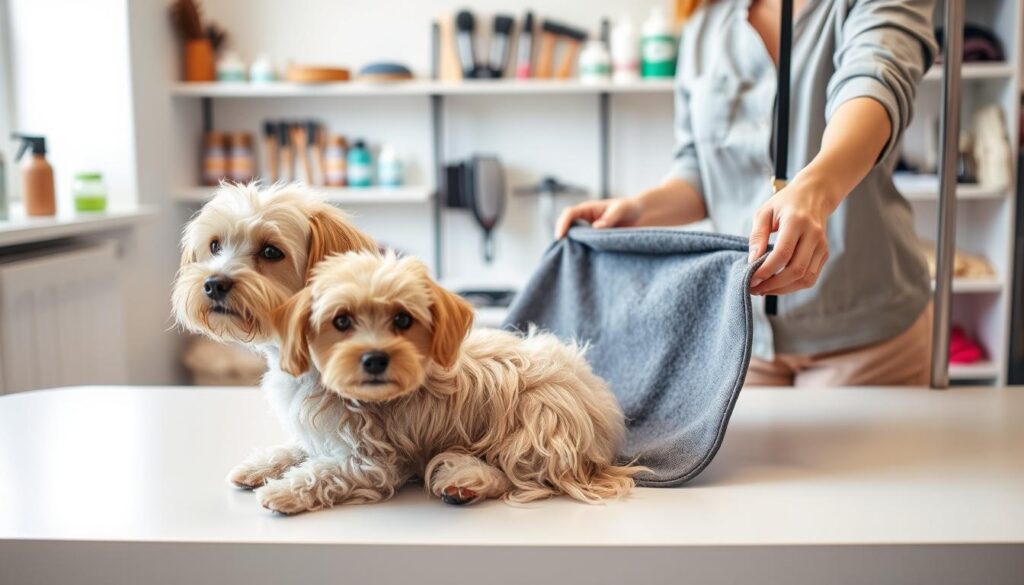
Mats are more than just a cosmetic issue; they can hide painful skin problems. When fur gets tangled, it traps moisture and debris against the skin. This creates a perfect environment for bacteria to grow. Also, these clumps often hide fleas and ticks, causing discomfort and illness in pets. Addressing these tangles early is essential for your dog’s overall health and happiness.
Tips for Untangling Mats
Always brush your dog before a bath. Water can make knots tighter, making them hard to remove without causing pain. If you find a stubborn tangle, gently tease the hair apart with your fingers before using a tool.
For tough situations, follow professional advice on effective mat removal. Make sure to work from the ends of the hair toward the roots to avoid discomfort. If a mat is too tight, it’s safer to get a professional’s help to avoid hurting your dog.
Best Tools for Removing Knots
Choosing the right tools makes the process easier for both you and your pet. A high-quality slicker brush is great for small tangles. For deeper knots, a metal comb works well section by section.
Using a detangling spray can also help the brush move through the fur more smoothly. Keeping healthy dog fur requires regular use of these tools. Always make sure your tools are clean and in good condition before starting.
Preventative Measures to Avoid Matting
The best way to manage your dog’s coat is to prevent mats before they form. Brush your dog daily, focusing on areas prone to tangling like behind the ears and under the collar. These spots are more likely to tangle due to constant movement and contact.
Creating a routine helps your dog get used to being brushed. Keeping the coat clean and free of debris reduces the risk of matting. Consistency is key to a tangle-free life.
| Tool Type | Best For | Frequency |
|---|---|---|
| Slicker Brush | Removing loose hair and small knots | Daily |
| Metal Comb | Checking for deep tangles | After brushing |
| Detangling Spray | Softening stubborn mats | As needed |
| Rubber Curry Brush | Short-haired breeds | Weekly |
Nail Care: Trimming and Maintenance
Keeping your dog’s paws in good shape is key to their comfort and mobility. Many owners focus on brushing and bathing, but don’t forget about their feet. Healthy feet are just as important for your dog’s well-being.
Importance of Regular Nail Trimming
Long nails can hurt your dog’s joints and change how they walk. When nails get too long, they make your dog’s toes spread out. This affects how they stand and walk.
It’s best to trim your dog’s nails every 2–4 weeks. A good sign it’s time is if you hear them click on hard floors. That means their nails are too long.
“A dog’s movement is the foundation of their happiness, and healthy paws are the starting point for every step they take.”
Safe Techniques for Cutting Nails
Finding the quick is crucial when trimming nails. The quick is the blood vessel in the nail. Cutting it hurts and bleeds, so make small cuts.
Keep styptic powder or cornstarch ready to stop bleeding. Use sharp clippers made for dogs to avoid crushing the nail.
Alternatives to Traditional Nail Trimming
If your dog gets scared of clippers, try a rotary grinder. These tools file the nails down slowly, which is less scary for nervous pets.
Grinding is also more precise. It helps you avoid the quick and leaves the nail smooth. Many find it makes nail care a better experience for both dog and owner.
Ear and Eye Care in Grooming
Making sure your dog’s ears and eyes are healthy is key. These areas are incredibly sensitive and need a soft touch during grooming. Regular checks can stop pain and find health problems early.
Cleaning Your Dog’s Ears
It’s vital to clean your dog’s ears, more so for breeds with floppy ears. Moisture and dirt can get trapped. Use a vet-approved cleanser on a soft cotton ball for the outer ear.
Never use cotton swabs or sharp objects in the ear canal. This can hurt your dog or push dirt deeper. Just wipe the outer ear to remove wax and dirt.
Signs of Ear Infections
Watch for signs of ear problems early. If your dog shakes their head a lot or scratches their ears, it might be a sign.
Look for redness, swelling, or a bad smell in the ear. Also, dark brown or yellow discharge means you should see a vet. Catching problems early keeps your dog comfortable.
Eye Cleaning Tips
Your dog’s eyes should be clear and bright. Avoid too much tearing or crust. Use a clean, damp cloth or eye wipe to remove dirt from the corners.
Wipe from the outside to avoid hurting the cornea. If eyes are cloudy, very red, or squinting a lot, get vet help fast. Keeping the eye area clean stops irritation and keeps vision sharp.
| Area | Normal Condition | Warning Signs | Action Required |
|---|---|---|---|
| Ears | Pink, clean, no odor | Redness, strong odor, discharge | Consult Veterinarian |
| Eyes | Clear, bright, moist | Cloudiness, squinting, crusting | Consult Veterinarian |
| Routine | Weekly inspection | Constant scratching or rubbing | Professional Checkup |
Skin Care and Treatment
Your dog’s skin is a key barrier to their health. It shows their internal health, like nutrition and immune function. Regular grooming helps catch problems early, preventing pain.
Identifying Skin Conditions
Hot spots are common. They are red, moist, and irritated. They often show up on the head, hip, or chest.
Hot spots come from scratching, licking, or chewing. This is usually due to allergies or bites.
Watch for signs of fleas or mites, like hair loss or crusty patches. Food or environmental allergies can also cause redness and inflammation. Consistent observation helps catch these early.
Natural Remedies for Skin Irritation
For mild irritation, natural remedies can help. An oatmeal bath soothes inflamed skin and stops scratching. Apply pure aloe vera gel to affected areas, but make sure your dog doesn’t eat it.
Keeping your dog’s environment clean is also key. Wash their bedding often and keep their coat clean. These steps can help the skin heal naturally.
When to Consult a Veterinarian
Home care works for minor issues. But, see a vet for deeper infections or persistent scratching. Signs include pus, bad smell, or swelling.
Vets can do skin scrapings or allergy tests. Early treatment stops chronic problems. Don’t hesitate to get expert advice if unsure.
| Condition | Primary Symptom | Common Location | Recommended Action |
|---|---|---|---|
| Hot Spots | Moist, red lesions | Head, Hip, Chest | Clean and consult vet |
| Flea Allergy | Itching, hair loss | Base of tail, back | Flea prevention |
| Dry Skin | Flaking, dull coat | Back, flanks | Hydrating shampoo |
| Yeast Infection | Musty odor, redness | Ears, skin folds | Veterinary treatment |
Grooming Different Dog Breeds
Managing a dog’s coat starts with knowing their breed needs. Each dog has fur that needs a special care plan. Tailoring your grooming makes dog haircut sessions better and faster.
Grooming Long-Haired Breeds
Long-haired dogs need regular grooming to avoid mats. Use a pin brush to gently remove loose hair. A slicker brush is key for tangles in hard-to-reach places.
Regular grooming stops the need for a big dog haircut later. It keeps the coat clean and the skin healthy. Work in small parts to avoid hurting your pet.
Grooming Short-Haired Breeds
Short-haired dogs might look easy to care for, but they still shed. A rubber curry brush is great for removing dead hair and oils. It keeps their coat shiny and reduces fur on your furniture.
Even with short fur, trimming around paws and tail is sometimes needed. It keeps them clean and comfortable. Brushing also helps spot skin problems early.
Special Considerations for Hypoallergenic Dogs
Hypoallergenic breeds, like Poodles or Bichon Frises, have hair that grows continuously. They need regular grooming to prevent mats. A dog haircut is crucial for their comfort and hygiene.
Set a strict grooming schedule for these dogs to avoid tangles. Professional grooming is often needed for their complex coats. Staying on top of grooming keeps your dog happy and well-groomed all year.
Finding a Professional Groomer
Professional grooming does more than just clean your dog’s coat. It also checks for health issues. Visiting a pet grooming salon is key for expert care. Knowing what is dog grooming helps you see its value.
Questions to Ask Before Hiring
When looking for groomers near me, do your homework. Ask about their experience with your dog’s breed and personality. Also, ask about dog grooming packages to find the right one for you.
Find out if they are certified and how they handle nervous dogs during a dog haircut. A good groomer will explain their safety and cleaning steps. This builds trust and makes your pet feel safe.
Red Flags When Choosing a Groomer
Be cautious of signs that a salon may not be up to par. Dirty places, strong chemical smells, or impatient staff are red flags. Consistency is key, and disorganization can mean poor management.
Don’t trust groomers who won’t show you their grooming area or can’t give references. If they seem rushed or ignore your questions, trust your gut. Your dog’s safety is most important.
Benefits of Professional Grooming
Choosing top-rated pet groomers has big benefits. They can spot health issues early, like lumps or skin problems. This can prevent serious health problems.
Whether you choose basic or luxury pet grooming, it’s more efficient than doing it yourself. Pet spa services include special treatments that improve your dog’s coat. Regular visits keep your dog healthy and happy all year.
DIY Dog Grooming at Home
Doing your pet’s grooming at home strengthens your bond and saves money. It’s a great way to complement professional grooming sessions.
Tips for Successful At-Home Grooming
Use quality brushes and nail clippers with treats like Zuke’s Mini Naturals. This makes grooming a fun experience for your dog. Keep grooming sessions short to keep everyone calm.
Safety Precautions to Take
Use non-slip mats for grooming to keep your dog safe. Check your tools often to keep them sharp and clean. Be patient, as grooming sensitive areas can be tricky.
Post-Grooming Care at Home
Give your dog extra playtime after grooming to reward them. Regular care between visits keeps your dog clean and happy. If your dog has skin issues, talk to your vet. Your efforts will keep your dog happy and healthy.