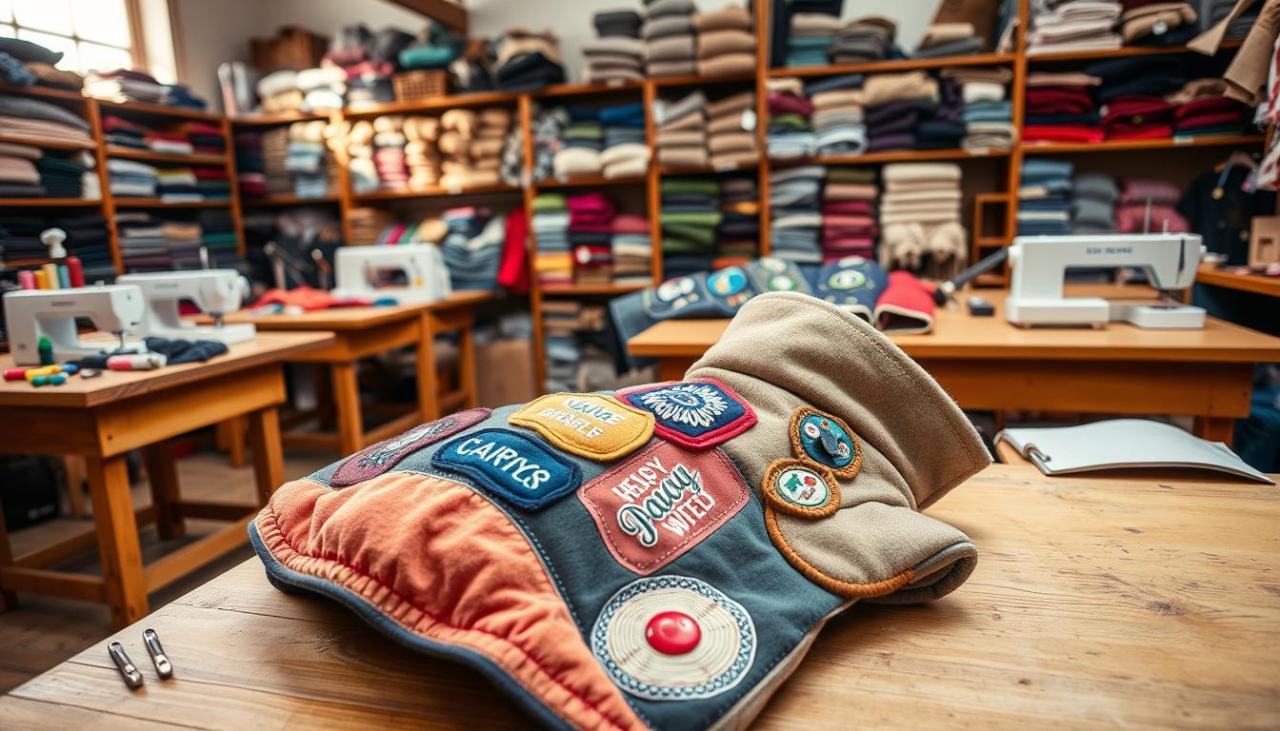
Did you know millions of pounds of pet textiles end up in landfills each year? This is because of minor tears. We often throw away high-quality outdoor gear when a simple fix could make it good as new. By learning basic dog coat repair techniques, we can make our favorite gear last longer.
Looking after our gear means our furry friends stay warm and dry on every adventure. Regular maintenance stops small snags from becoming big problems. We think it’s smart to learn these simple skills to protect our investment and keep our pets cozy in any weather. With proper dog coat repair, we can enjoy more time exploring the outdoors together without needing to buy new gear all the time.
Key Takeaways
- Regular inspections help identify small tears before they become major issues.
- Simple sewing techniques can save expensive outdoor gear from the trash.
- Maintaining equipment ensures better protection for our pets during cold weather.
- Sustainable habits reduce waste and save money over the long term.
- Basic restoration skills are easy to learn and require minimal tools.
Understanding the Importance of Dog Coat Repair
Spending time on dog coat repair is wise. It keeps our pets warm and safe on adventures. By fixing our gear, we make it last longer and keep our pets cozy in different weather.
Why Repairing is Better Than Replacing
Fixing our gear is good for the planet. It cuts down on waste and supports a green lifestyle. By choosing dog coat repair over new items, we save money and reduce landfill waste.
- Sustainability: It lowers the carbon footprint from making new textiles.
- Cost-Effectiveness: Repairs are much cheaper than buying new, high-end items.
- Sentimental Value: Keeping our gear means we hold onto the memories made with it.
Common Issues with Dog Coats
Even the toughest gear gets worn out over time. Regular use can cause specific problems that need fixing to avoid more damage.
Dirt, sand, and dust are big problems. They wear down the fabric like sandpaper. If we don’t clean them off, these particles can make the fabric break down faster. This makes dog coat repair a key part of our care routine.
Materials That Require Special Attention
Many dog coats use special fabrics to keep them dry or block the wind. These fabrics have special coatings that can get damaged by wrong cleaning or rough handling.
We need to be gentle when fixing these coats. The right repair methods keep the coat working well. This way, it keeps our dogs safe from the weather.
Tools You Need for Dog Coat Repair
Getting the right tools is key for dog coat repair. A dedicated kit helps us fix trail damage fast. It makes fixing the coat easier for us and our pets.
Essential Sewing Tools
A basic sewing kit is crucial for repairs. We need heavy-duty needles for thick fabrics. Also, use UV-resistant nylon thread for strong stitches.
A sturdy thimble protects our fingers from needles. Sharp fabric shears help trim threads or cut patches. These tools ensure a neat finish.
Fabric Adhesives and Patches
Needle and thread aren’t always enough. Gear patches or repair tape fix small holes. They’re great for quick fixes on the go.
For lasting repairs, use outdoor gear fabric adhesives. They create a flexible, waterproof bond. Always test the adhesive first to check material compatibility.
Cleaning Supplies for Preparation
Good prep is essential for dog coat repair. Clean the area well before applying patches or adhesives. This ensures the repair sticks well.
Use mild soap and a soft cloth to clean. Let the fabric dry fully before starting repairs. This step makes our work last longer.
Step-by-Step Guide to Sewing Dog Coats
When a favorite coat tears, we can fix it at home like a pro. It takes patience, precision, and a careful approach to fabric care. By following these steps, we keep our pets’ gear working well and comfy.
Preparing Your Workspace
First, make sure your workspace is clean and bright. A flat, stable surface helps keep the fabric steady while sewing. Proper preparation helps avoid mistakes and keeps stitches straight and tight.
Measuring and Cutting the Replacement Material
To mend a pet jacket, measure carefully. Cut the new fabric a bit bigger than the tear for a tight seam. Sharp fabric shears give clean edges, preventing fraying and making the repair look perfect.
Techniques for Sewing Different Fabrics
Different materials need special care to keep the jacket looking good. For synthetic, waterproof fabrics, use a small needle to avoid big holes. We handstitch the tear with a few stitches, making sure not to pull the thread too hard.
Here’s a table showing the best ways to sew different dog coat materials:
| Fabric Type | Needle Size | Stitch Style | Best Practice |
|---|---|---|---|
| Nylon/Polyester | Universal 80/12 | Straight Stitch | Use seam sealer |
| Fleece | Ballpoint 90/14 | Zig-Zag | Avoid overstretching |
| Canvas/Heavy Cotton | Denim 100/16 | Backstitch | Reinforce edges |
| Softshell | Stretch 75/11 | Stretch Stitch | Use clips, not pins |
By using these techniques, we can mend pet jackets well and strengthen high-wear areas. This careful work ensures our DIY dog jacket fix lasts long and keeps our dogs warm outside.
How to Repair Rips and Tears
When our dogs play hard, their gear often gets damaged. It’s key to check your gear often to keep it in good shape. Knowing how to fix ripped dog coat damage early can stop small issues from getting worse.
Identifying the Type of Tear
First, we need to figure out how bad the damage is. A small snag might just need a patch. But, big tears or deep cuts need stronger sewing to keep the coat strong.
Carefully examine the edges of the fabric to see if it’s fraying. If the tear is along a seam, you might need to fix the stitching. Knowing what kind of tear you have helps you pick the right fix.
Quick Fixes for Minor Rips
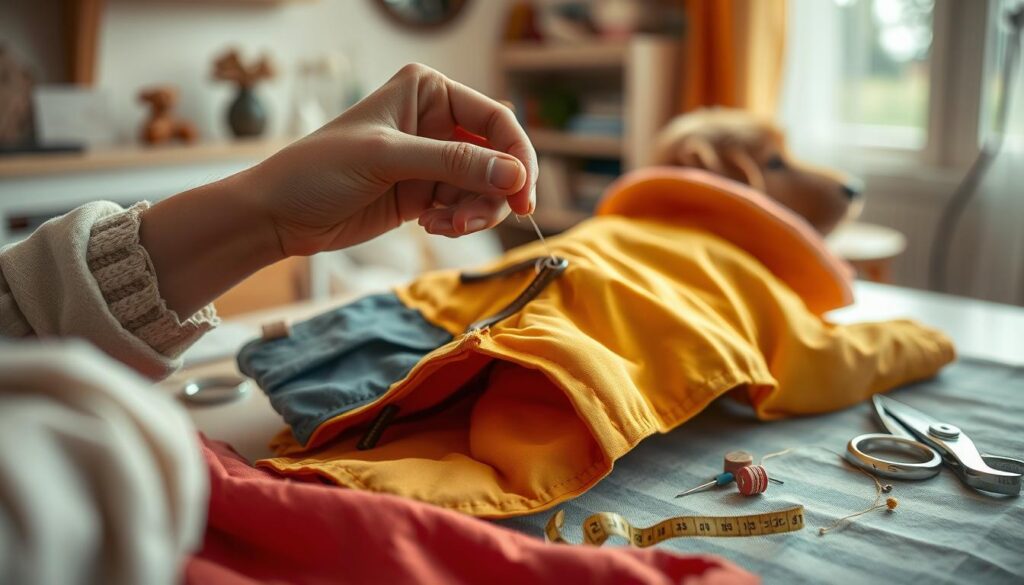
For small, clean tears, a good adhesive patch works well. These patches stick to synthetic fabrics fast, keeping moisture out. Just clean the area, remove the backing, and press the patch on.
Make sure to round the corners of your patch before you apply it. This helps it stay on better, avoiding snags from brush or branches. A smooth patch lasts longer than one with sharp corners.
Detailed Repairs for Larger Tears
Bigger or stress-related tears need a stronger fix with needle and thread. Make sure the patch goes at least 2.5 cm (1 inch) beyond the tear. This gives you enough room for a strong hold.
After placing the patch, sew around it with heavy-duty thread. Use a zigzag stitch to reinforce the edges. This way, you can fix ripped dog coats and keep them working well.
Patching Techniques for Dog Coats
Fixing a dog’s coat after a rough day is often simple. A patch can make a big difference, whether it’s from rocks or brambles. For more tips on keeping your dog’s gear in good shape, check out these dog apparel cleaning and repair tips.
Types of Patches Available
Choosing the right material is key for a good pet outerwear mend. We suggest using ripstop nylon or heavy-duty canvas patches. These materials are as tough as most dog coats. You can pick between iron-on patches for a quick fix or sew-on patches for a more lasting repair.
For waterproof coats, make sure your patch is also waterproof. Matching colors helps the repair blend in. But, some people like contrasting colors to show off their dog’s adventures.
How to Attach a Patch Securely
To make your repair last, focus on how you apply it. Rounding off the corners of your patches is crucial. Sharp edges can catch on brush and come loose.
Clean the area well before applying the patch. Dirt or oils can mess with the adhesive. If sewing, use a heavy-duty needle and nylon thread for a strong seam. This double-layered seam is the best defense against future tears.
Creative Ways to Use Patches
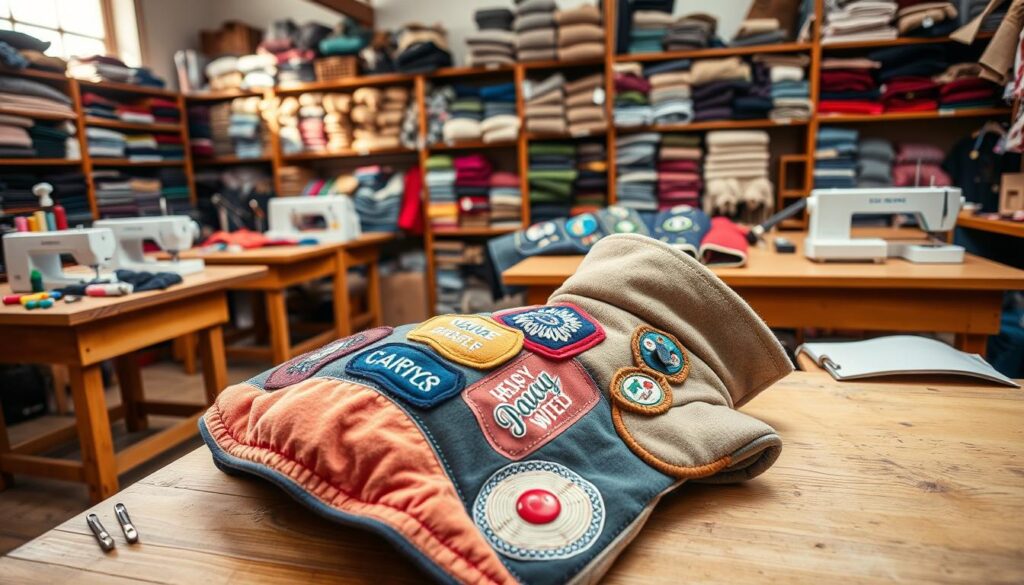
Repairing gear can also be a chance to personalize it. We often add reflective patches for better visibility during walks. This adds safety to our pet outerwear mend projects.
Decorative patches can also cover up big tears or add a unique touch. By turning a repair into a design choice, we can fix the coat and make it look better than before.
Zipper and Fastener Repairs
You don’t have to throw away a good jacket just because a zipper broke. Often, a simple pet outerwear mend can fix it. Most problems come from dirt, fur, or wear and tear during play.
Troubleshooting Your Dog Coat Zipper
Before thinking the zipper is broken, check for debris. Gently brush off mud or fur. If the slider is stuck, a bit of graphite from a pencil can help.
Replacing Zippers: When and How
If the teeth are gone or the slider is off, it’s time for a new one. Buy a zipper kit that fits the old one. Remove the old stitching and sew the new one in with strong thread.
Fixing Snap Fasteners and Velcro
For mend damaged pet jacket parts like snaps or Velcro, focus on the fabric. If a snap pulled through, use a fabric patch. For Velcro that lost its grip, add new hook-and-loop tape.
Broken buckles can also cause problems. Instead of getting a new coat, just replace the buckle with a new one from a craft store.
| Hardware Type | Common Issue | Quick Solution |
|---|---|---|
| Zipper | Stuck slider | Apply graphite lubricant |
| Velcro | Weak adhesion | Replace hook-and-loop tape |
| Plastic Buckle | Cracked casing | Swap with matching size |
| Metal Snap | Loose attachment | Reinforce with fabric patch |
Waterproofing Your Dog Coat After Repair
Fixing a tear is just the first step in keeping your dog’s coat in top shape. After we mend a tear, the fabric’s waterproof coating often wears off. We need to restore this coating to keep your dog dry and warm when it’s wet outside.
Best Waterproofing Products to Use
It’s important to pick the right waterproofing product for your dog’s coat. We suggest using Nikwax or Grangers, made for outdoor gear. These products bring back the waterproof finish without blocking the fabric’s breathability.
“Proper maintenance of technical gear is the secret to longevity, ensuring that every stitch and patch performs exactly as intended in harsh weather.”
Methods for Reapplying Waterproofing
There are two main ways to apply waterproofing, depending on your coat’s needs. Spray-on treatments work best for coats with complex linings. Wash-in treatments are better for simpler, single-layer shells.
Always clean the coat before applying waterproofing. Follow the product’s instructions for heat activation to seal in the protection. This careful process ensures water beads off, not soaks into the fabric.
Frequency of Waterproofing Maintenance
How often to reapply waterproofing is a common question. Reapply when water no longer beads on the fabric. If the coat looks darker or feels heavy when wet, it’s time for a new treatment.
- Check the coat after every heavy wash cycle.
- Reapply at the start of the rainy or snowy season.
- Perform a quick water-beading test after every few outings.
Regular maintenance is key to keeping your dog’s coat in great condition. By staying on top of it, we make sure our gear lasts longer and our dogs stay comfortable in any weather.
Customization Ideas After Repair
After fixing your dog’s coat, you can make it even better. Canine garment restoration lets us add special touches. These changes keep our dogs safe, comfy, and looking great on every outing.
Adding Reflective Materials
When it’s dark or hard to see, safety is key. We can add reflective strips or patches to make our dogs more visible. High-visibility tape is a great choice to help others see our pets.
Embellishments for a Personal Touch
Adding unique touches makes our gear special. We can use custom patches, colorful webbing, or appliques that show off our dog’s personality. These details make a simple repair into a unique fashion statement we can be proud of.
Tailoring the Fit for Your Dog
Proper canine garment restoration means getting the fit just right. If the coat is too loose or tight, we can add Velcro straps or elastic. These tweaks keep the coat snug without limiting our dog’s movement.
| Customization Type | Primary Benefit | Difficulty Level |
|---|---|---|
| Reflective Strips | Enhanced Safety | Easy |
| Custom Patches | Personal Style | Moderate |
| Adjustable Straps | Improved Comfort | Advanced |
Preventative Care for Dog Coats
We think the best way to fix things is to stop them from breaking in the first place. By being proactive, we can make our dog apparel refurbishment last longer. This way, our gear is always ready for any adventure.
Regular Maintenance Tips
Keeping gear in top shape is all about being consistent. Rinse your dog’s coat after every muddy walk to stop dirt from damaging the fabric.
Make sure the coat is completely dry before storing it. Moisture can cause mold or bad smells that are hard to get rid of later.
- Brush off loose dirt and debris after every walk.
- Spot clean stains immediately using mild, pet-safe soap.
- Check seams and fasteners weekly for early signs of wear.
Storing Your Dog Coat Correctly
Storing your gear right is just as important as cleaning it. Keep it in a well-ventilated spot to let the materials breathe.
“Proper storage protects the structural integrity of technical fabrics, ensuring your gear remains reliable season after season.”
Don’t leave coats in direct sunlight for too long. UV rays can fade colors and weaken synthetic materials, leading to tears over time.
Seasonal Considerations for Care
Our dog apparel refurbishment methods change with the seasons. In winter, we remove salt and ice-melt chemicals that can harm zippers and waterproof coatings.
In warmer months, we store winter gear in breathable bags. This keeps dust away and makes the fabric ready for the next cold spell.
When to Seek Professional Help
While we often encourage hands-on maintenance, there are moments when dog apparel refurbishment requires a specialist. Knowing your limits is a sign of a responsible pet owner. Sometimes, the best way to ensure your dog’s comfort is to hand the project over to someone with industrial-grade equipment.
Signs Your Repair Needs Expert Attention
You should consider professional assistance if you notice damage to load-bearing straps or critical harness points. These areas are vital for your dog’s safety. They often require heavy-duty sewing machines that standard home models cannot handle. If the fabric is frayed beyond simple patching or the structural integrity of the gear feels compromised, it is time to seek help.
Attempting to fix complex structural issues with basic thread can lead to sudden failure during a walk. Safety must always come first when dealing with gear that keeps your pet secure. If you feel uncertain about the strength of your repair, an expert will provide the peace of mind you need.
Finding a Local Pet Gear Repair Service
Before you look for a third-party repair shop, check the original manufacturer’s policy. Many high-quality brands offer a 2-year warranty, and some specialized arctic apparel includes a 5-year warranty that covers structural defects. Utilizing these services is often the most cost-effective way to handle dog apparel refurbishment.
If your warranty has expired, search for local tailors who specialize in outdoor gear or heavy canvas work. These professionals often have the experience needed to work with technical fabrics like Cordura or ripstop nylon. You can also reach out to local pet boutiques, as they frequently maintain lists of trusted repair partners in the community.
Cost Considerations for Professional Repairs
When evaluating the price of a professional fix, compare it against the cost of buying a brand-new item. While dog apparel refurbishment is usually cheaper than replacing high-end gear, extensive repairs can sometimes approach the price of a new coat. We recommend asking for a quote upfront to ensure the investment makes financial sense.
Remember that investing in a professional repair often extends the life of your gear by several years. This approach is not only economical but also environmentally friendly, as it keeps functional items out of the landfill. Always weigh the sentimental value and the quality of the original piece when deciding whether to repair or replace.
Conclusion: Enjoying a Long-Lasting Dog Coat
Keeping your pet’s gear in top shape strengthens your bond. Simple care makes every outing better for your dog.
The Value of Sustainable Gear
Caring for your gear brings joy and deepens your connection with your pet. By learning to fix dog coats, you help the planet. Your pet stays cozy, and you avoid throwing away good items.
Empowering Pet Owners Through Skill
This guide is your call to action. Start checking, cleaning, and mending your dog’s coat today. Knowing how to fix small issues gives you peace of mind. You can tackle problems before they get worse.
Celebrating Comfort and Style
Your dog deserves the best in comfort and style. Every repair shows you care about their happiness. Let’s master these skills for many more happy adventures together.